

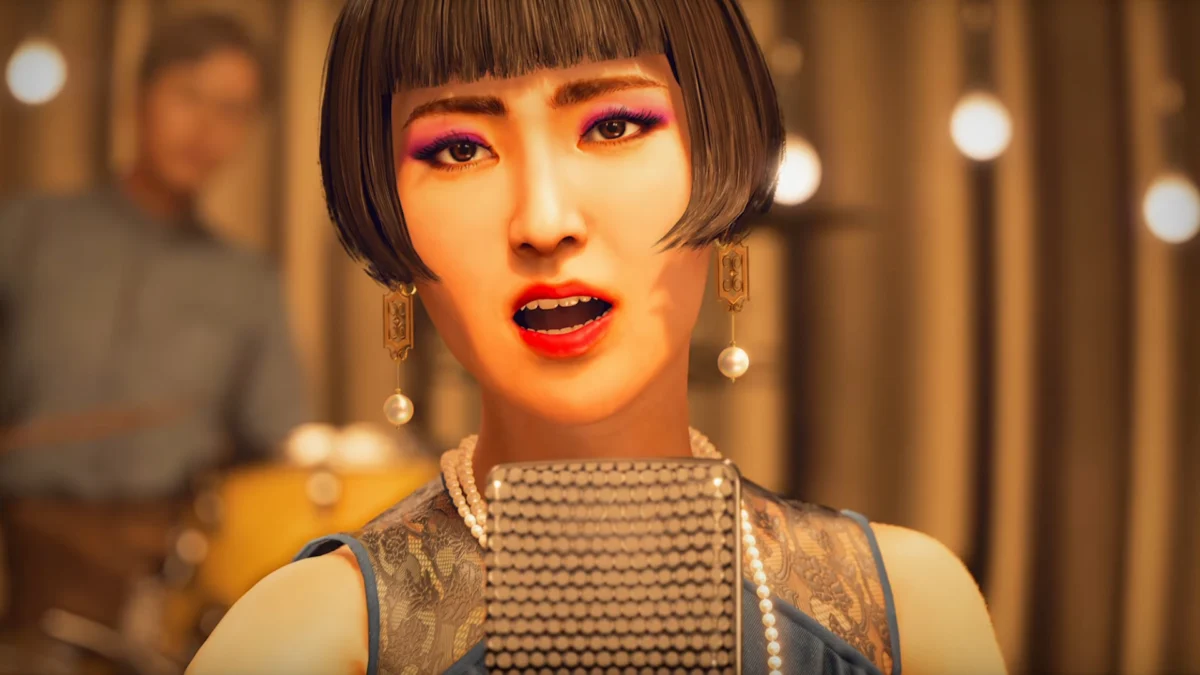
In a landmark announcement that has sent ripples of excitement through the action RPG community, SEGA, Xbox, and the legendary Ryu Ga Gotoku (RGG) Studio have unveiled a treasure trove of information regarding their upcoming title, Stranger Than Heaven. Slated for a winter release, the game is positioned as a monumental, sweeping odyssey that promises to redefine the studio’s signature blend of gritty crime drama and eccentric character-driven storytelling. Available on Xbox Series X|S, PlayStation 5, and PC via Steam—with a highly anticipated day-one launch on Xbox Game Pass—Stranger Than Heaven appears to be the studio’s most ambitious project to date.
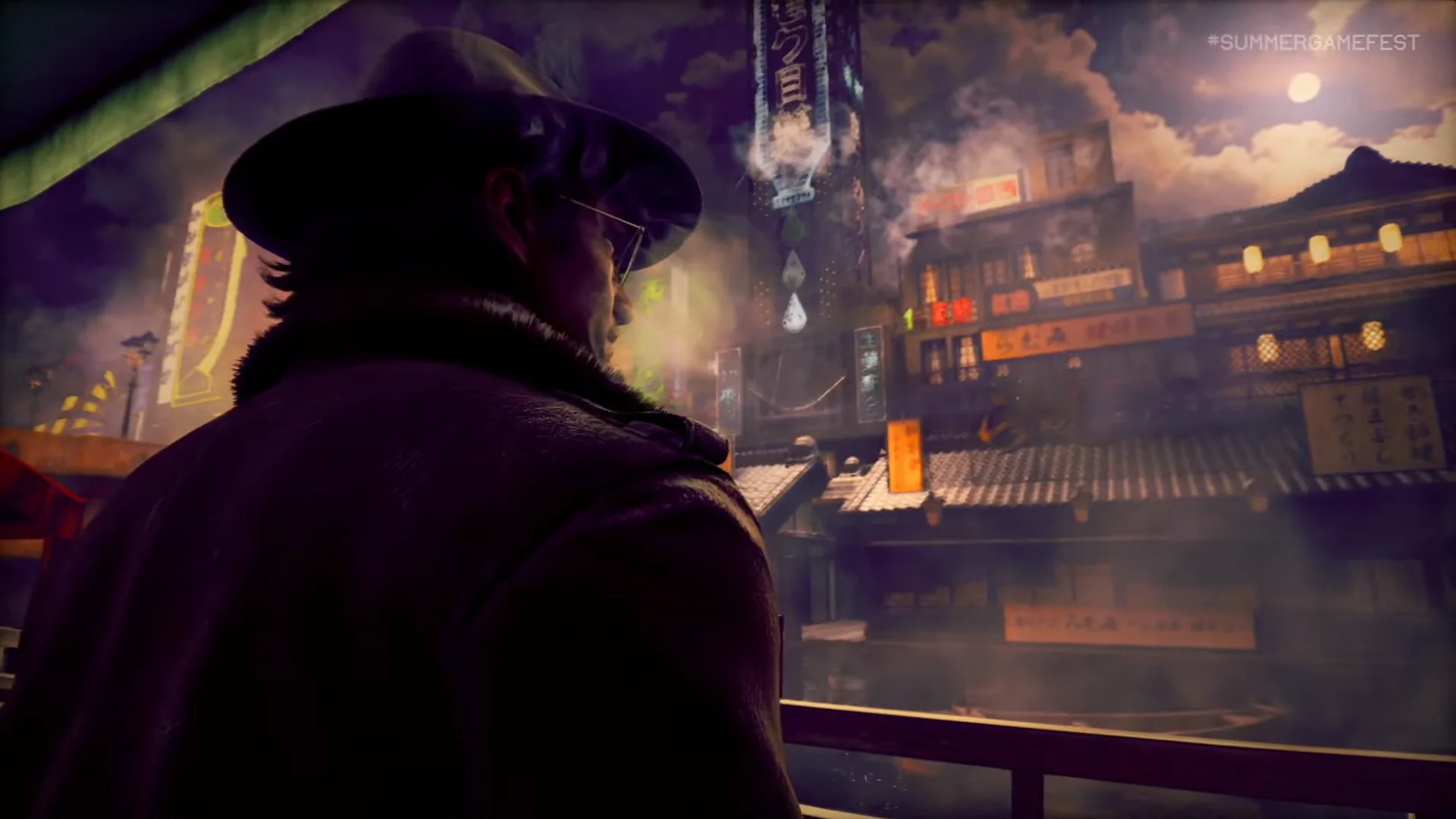
The reveal, showcased during a comprehensive thirty-minute presentation in partnership with Xbox, offered a deep dive into the game’s narrative structure, the mechanics of its innovative dual-focus gameplay, and the historical tapestry of early 20th-century Japan.

A Life Defined by Shadows and Spotlight
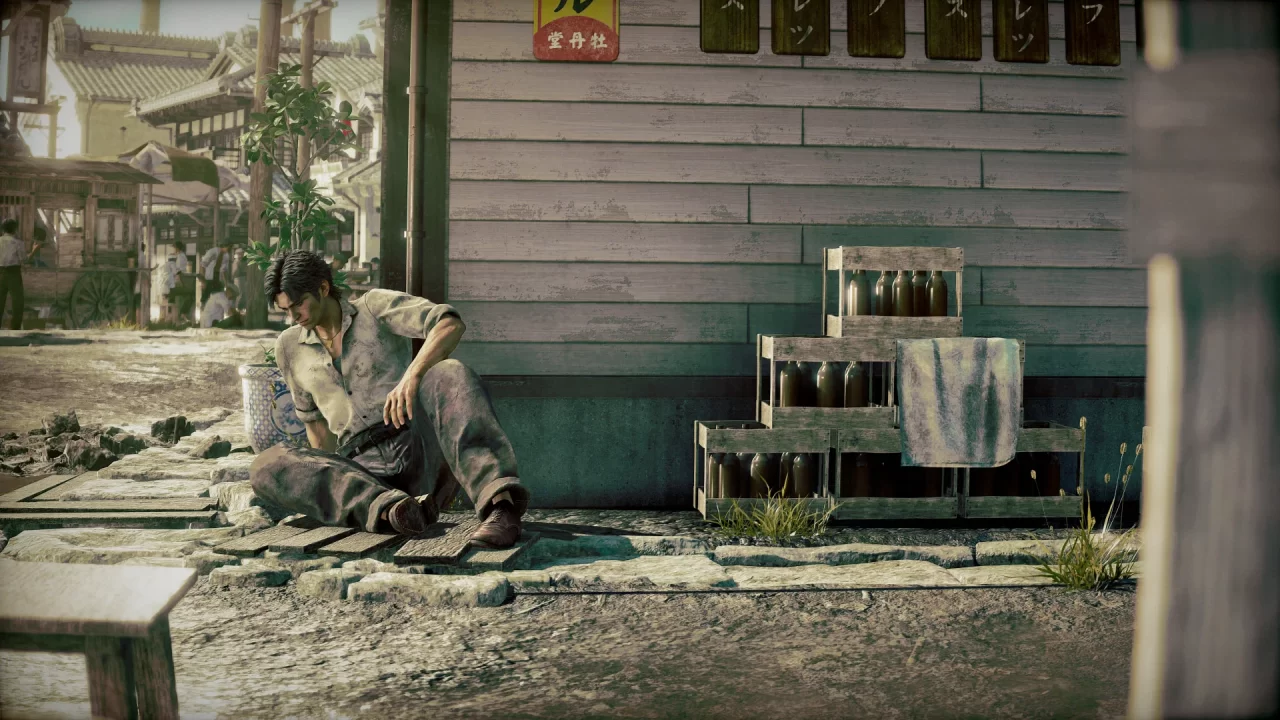
At the heart of Stranger Than Heaven lies the story of Makoto Daito. His journey is not merely a quest for power, but an arduous, fifty-year struggle for identity and survival. Born to a Japanese mother and an American father, Daito faces the crushing weight of systemic prejudice in the years following his parents’ death. Alongside his loyal companion, Yu Shinjo, Daito makes the desperate decision to stow away on a ship bound for Japan in 1915.
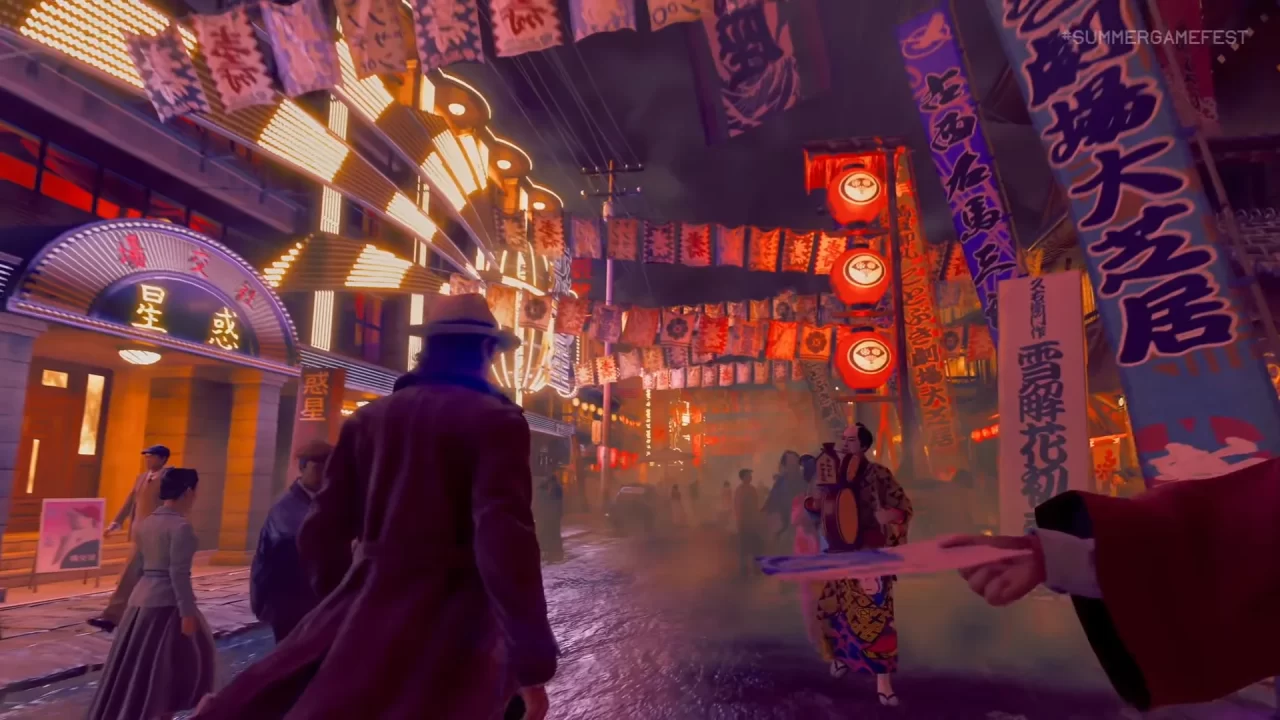
Upon his arrival, his life takes a definitive turn when he encounters Orpheus, a charismatic and seasoned smuggler. Orpheus becomes a mentor figure, pulling Daito into the treacherous but lucrative criminal underworld. From this point on, the narrative oscillates between Daito’s existence as a hardened career criminal and his aspirations as a flamboyant, high-stakes showman. It is this duality—the tension between the violence of the streets and the artifice of the stage—that serves as the narrative engine for the entire game.
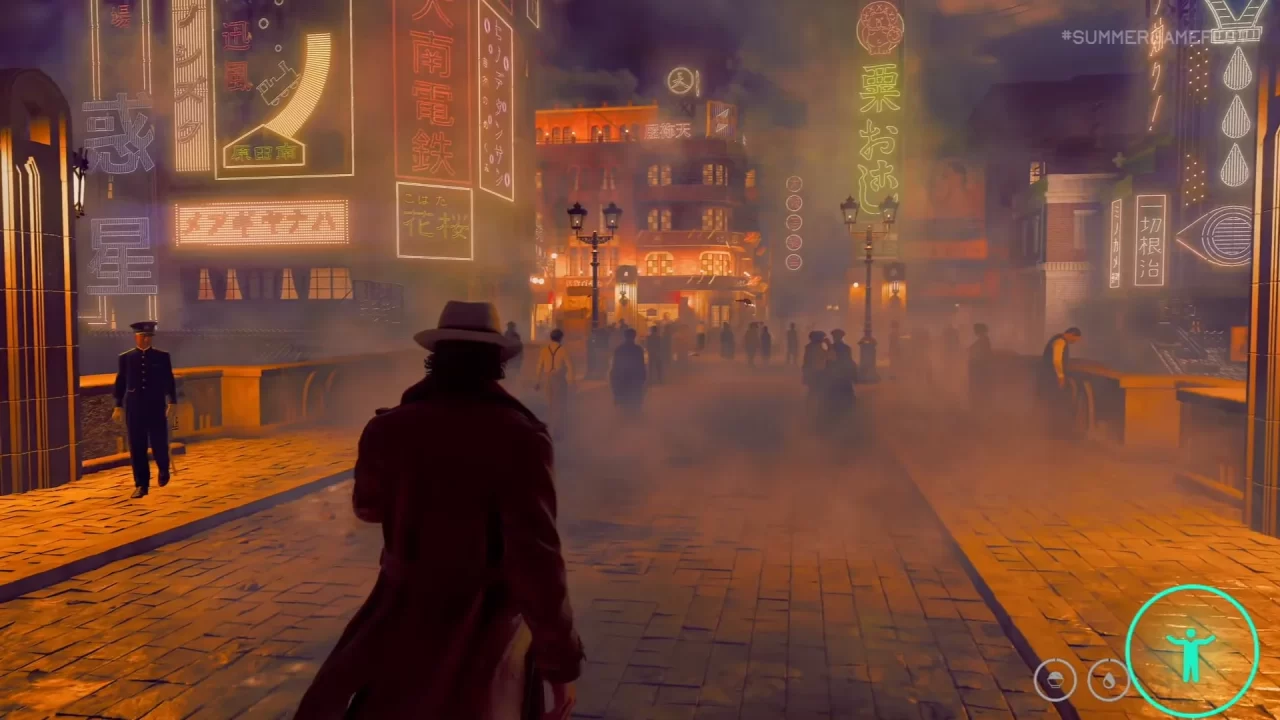
Chronology: A Journey Through Five Cities
The game spans five distinct, historically rich eras, each represented by a specific Japanese city that serves as a living, breathing set piece. RGG Studio has emphasized that these environments are not just backdrops; they are manifestations of specific periods in Daito’s life, reflecting the socio-political climate of the time.
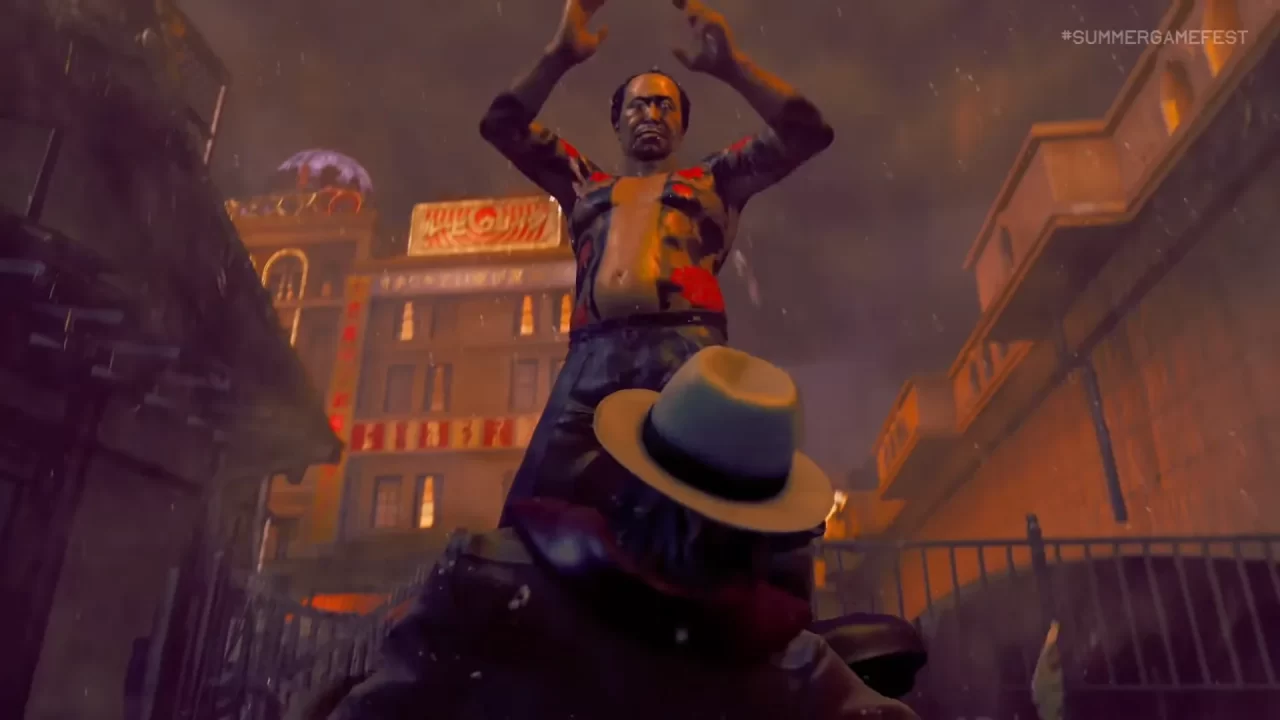
1915: Kokura, Fukuoka
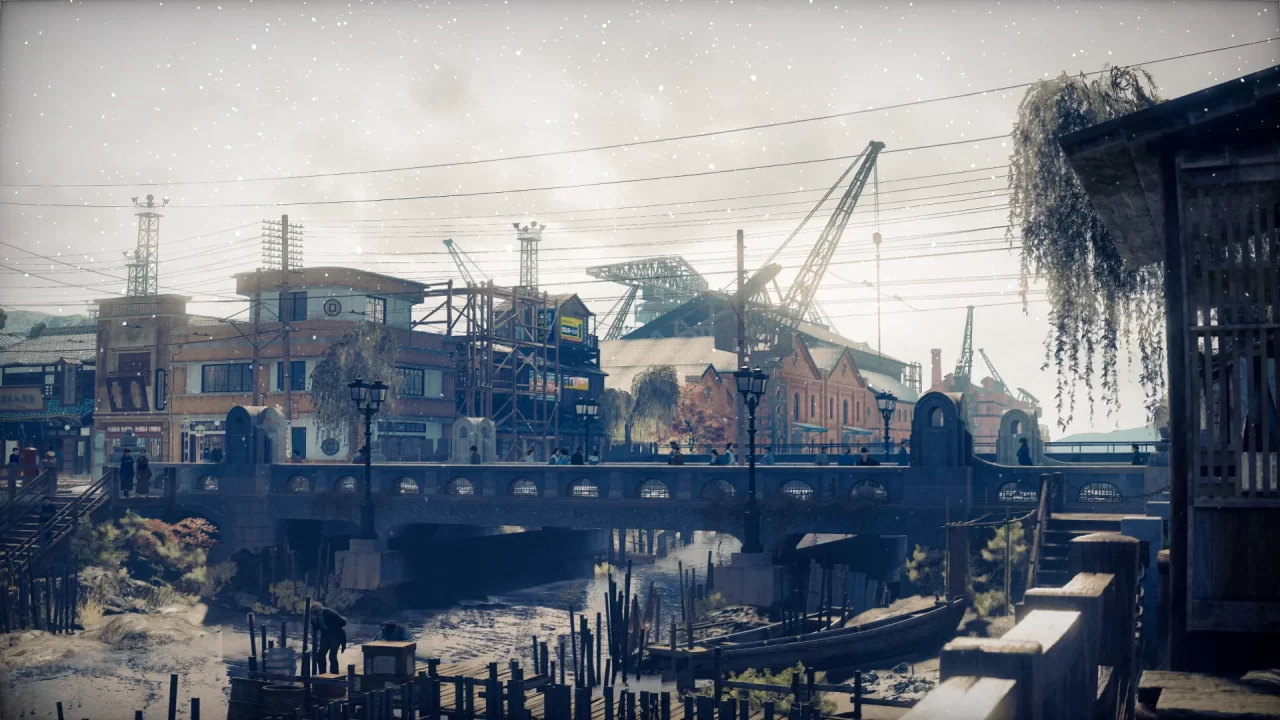
The story begins in the smoke-filled, industrial landscape of Kokura. Home to one of the world’s largest foundries, this era captures the raw, burgeoning energy of early 20th-century labor. It is a town of soot and steel, where Daito first learns the harsh realities of the Japanese underworld.
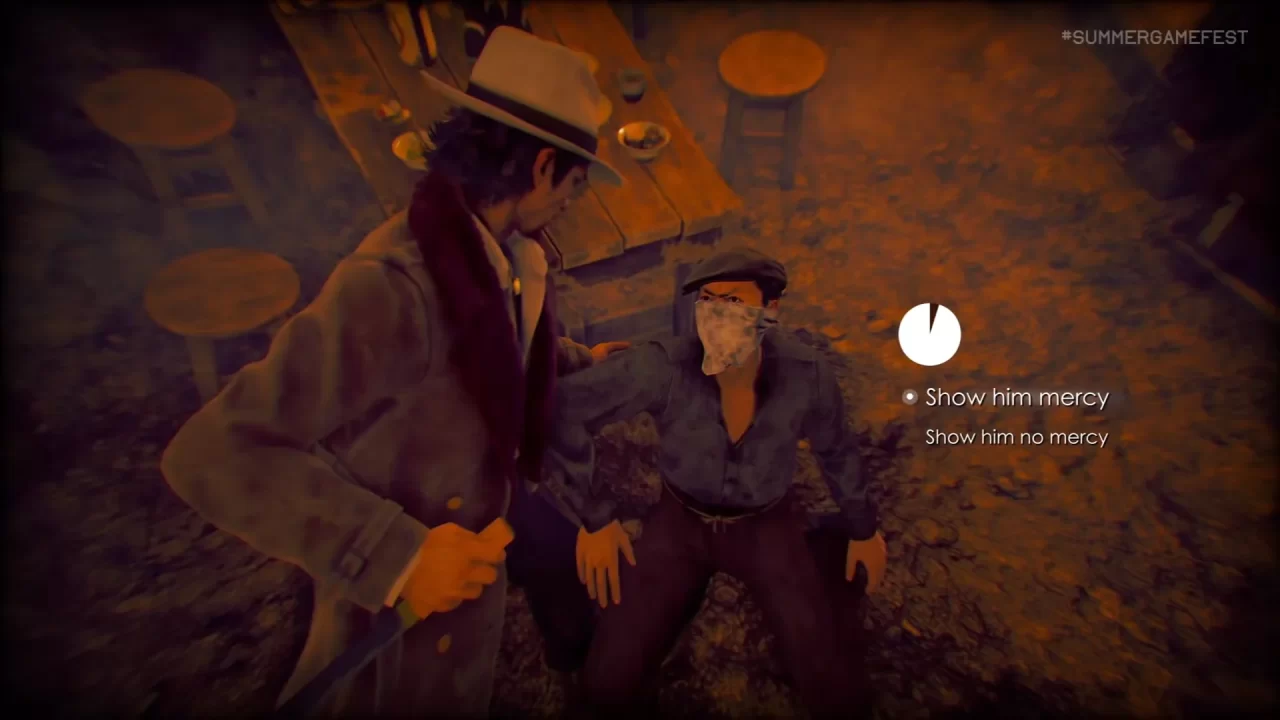
1929: Kure, Hiroshima
By 1929, the setting shifts to the port city of Kure. Dominated by the presence of Japan’s largest naval arsenal, this location provides a strategic backdrop for the rise of yakuza influence. The air here is thick with military tension and the quiet, dangerous growth of organized crime.
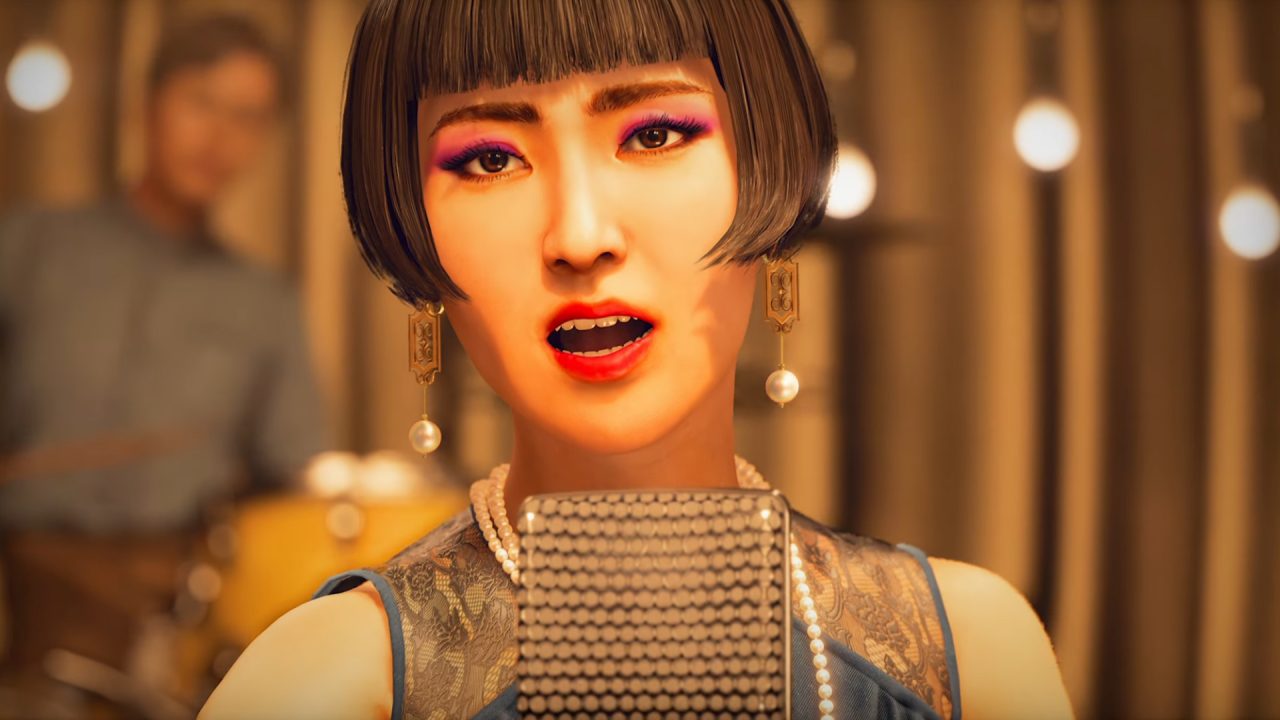
1943: Minami, Osaka
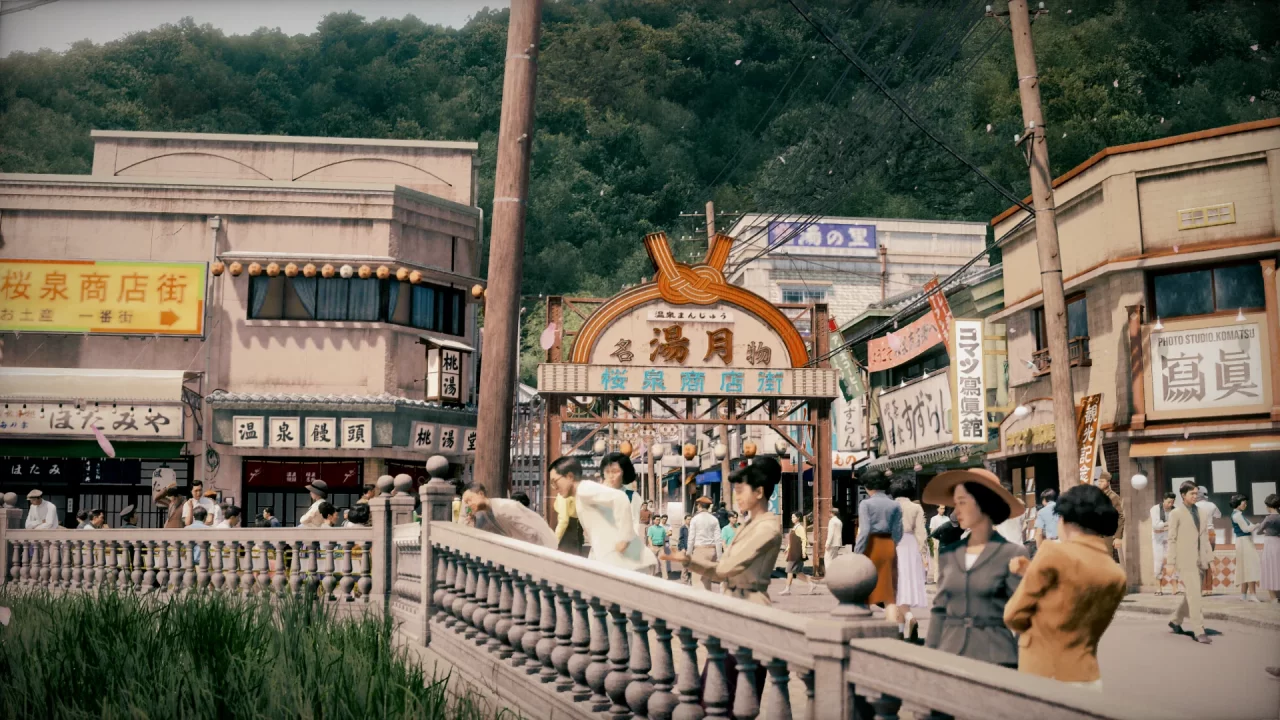
As the world plunges into the horrors of global conflict, the narrative moves to the vibrant entertainment district of Minami, Osaka. Even against the backdrop of war, the district pulses with a defiant energy, marking a pivotal chapter in Daito’s career as a showman.
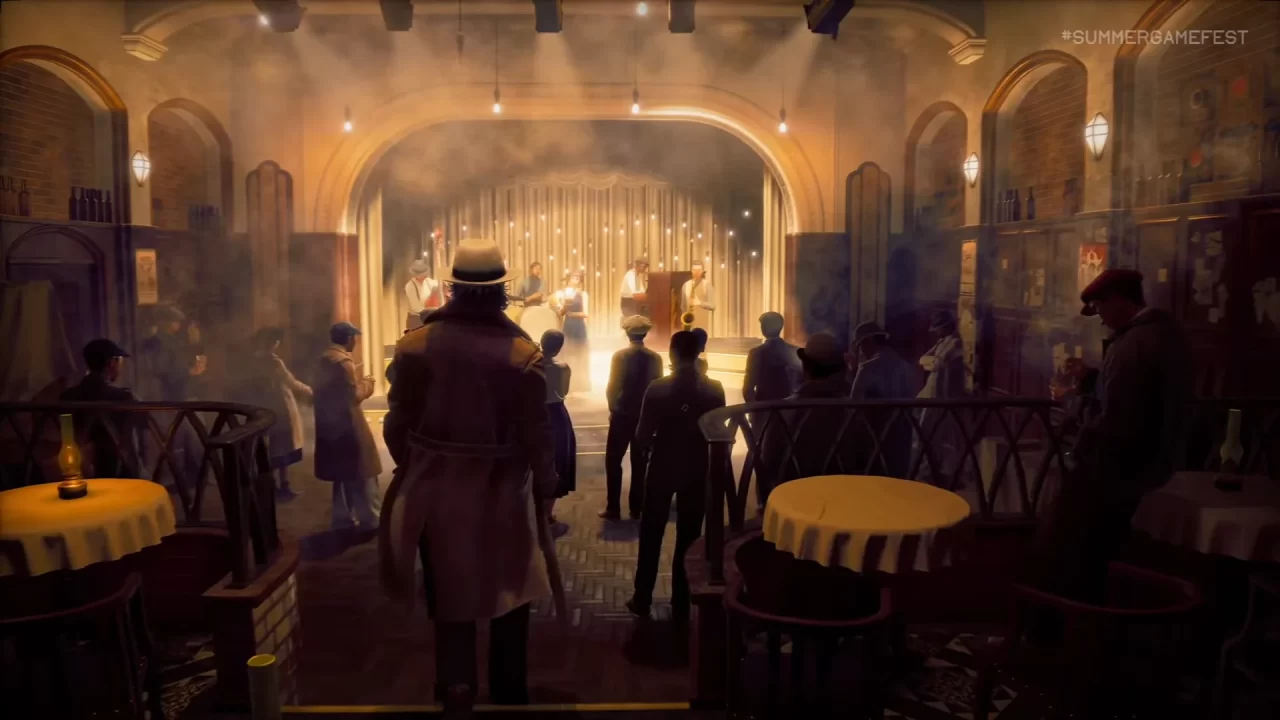
1951: Atami, Shizuoka
Post-war Japan is represented by the bustling seaside resort of Atami. A hub for tourism and recovery, this era shows a shift in the cultural landscape of Japan, reflecting the changing fortunes and public face of Daito’s criminal-turned-entertainment operation.
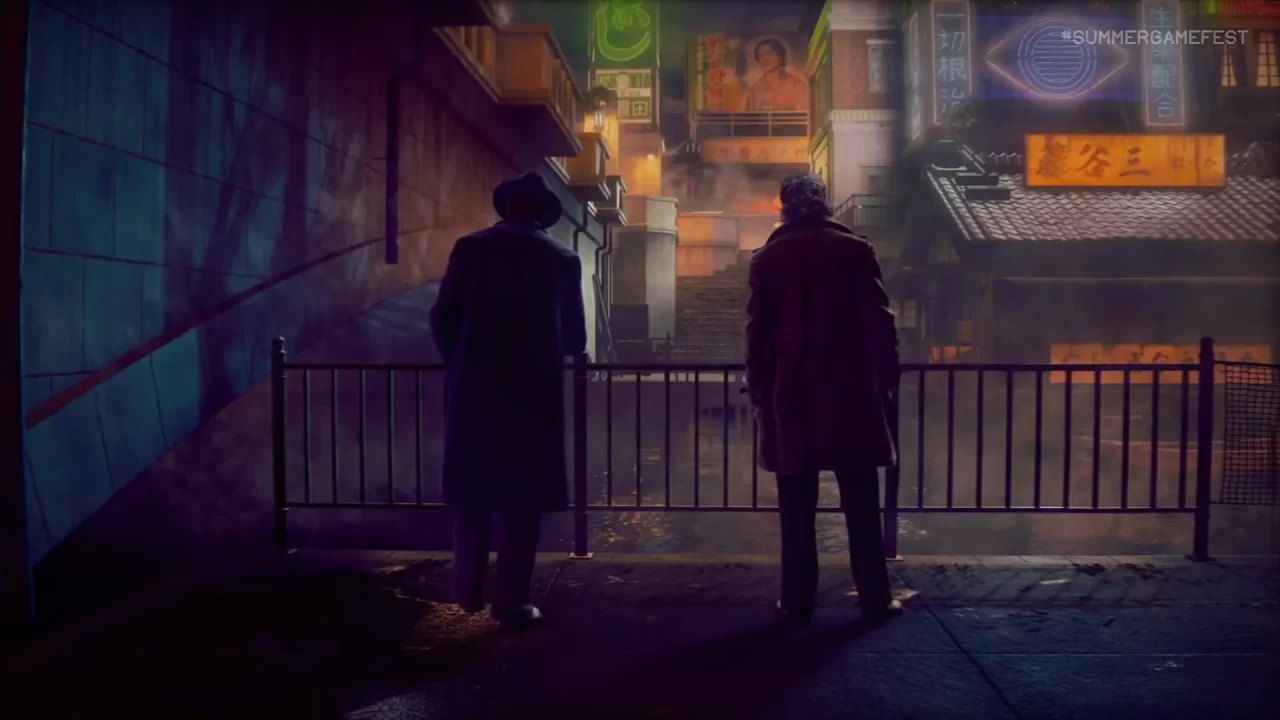
1965: Shinjuku, Tokyo
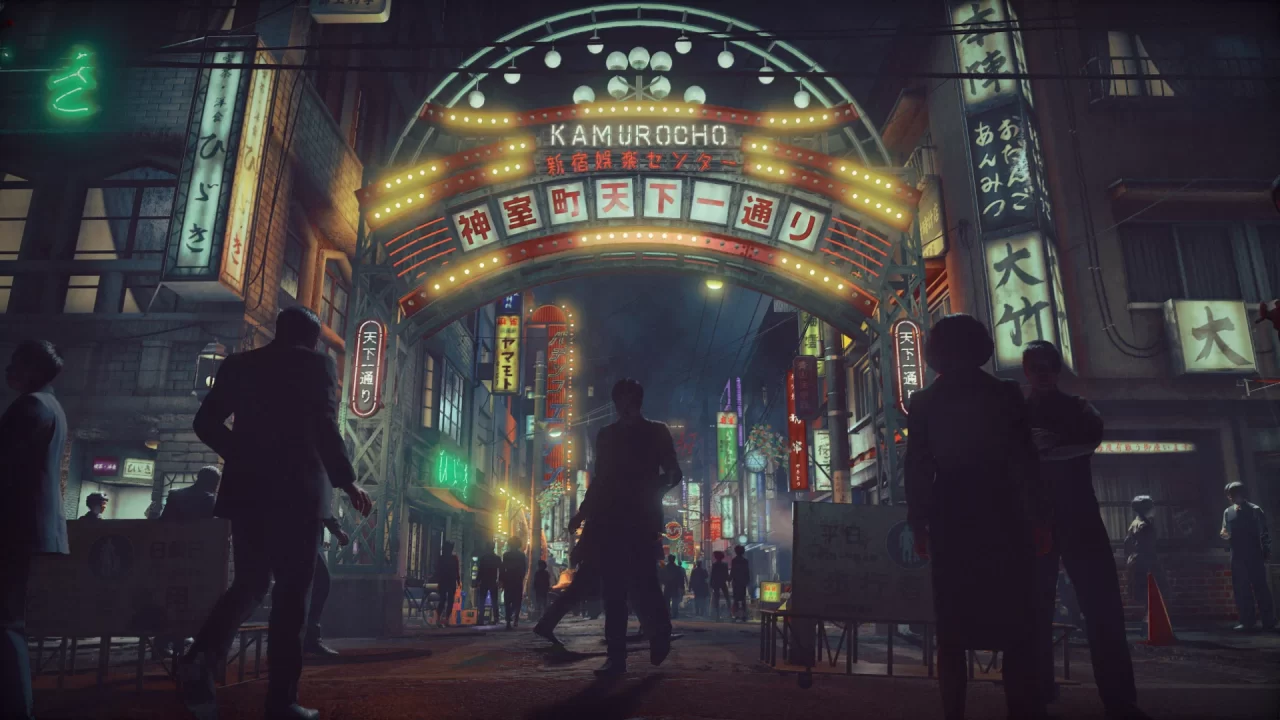
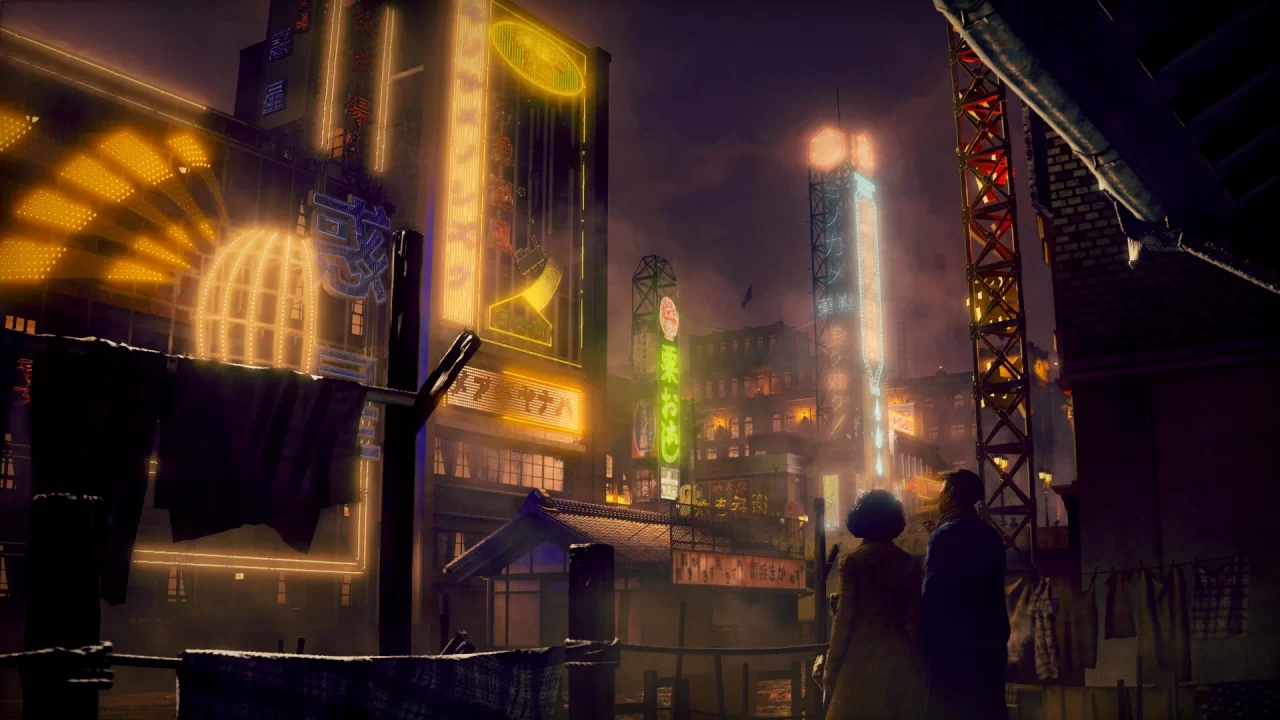
The odyssey concludes in the neon-drenched chaos of 1965 Shinjuku. As Japan’s most iconic pleasure district, this final act promises to be the culmination of Daito’s legacy, bringing together the disparate threads of his life in a city defined by its unpredictability and relentless pace.
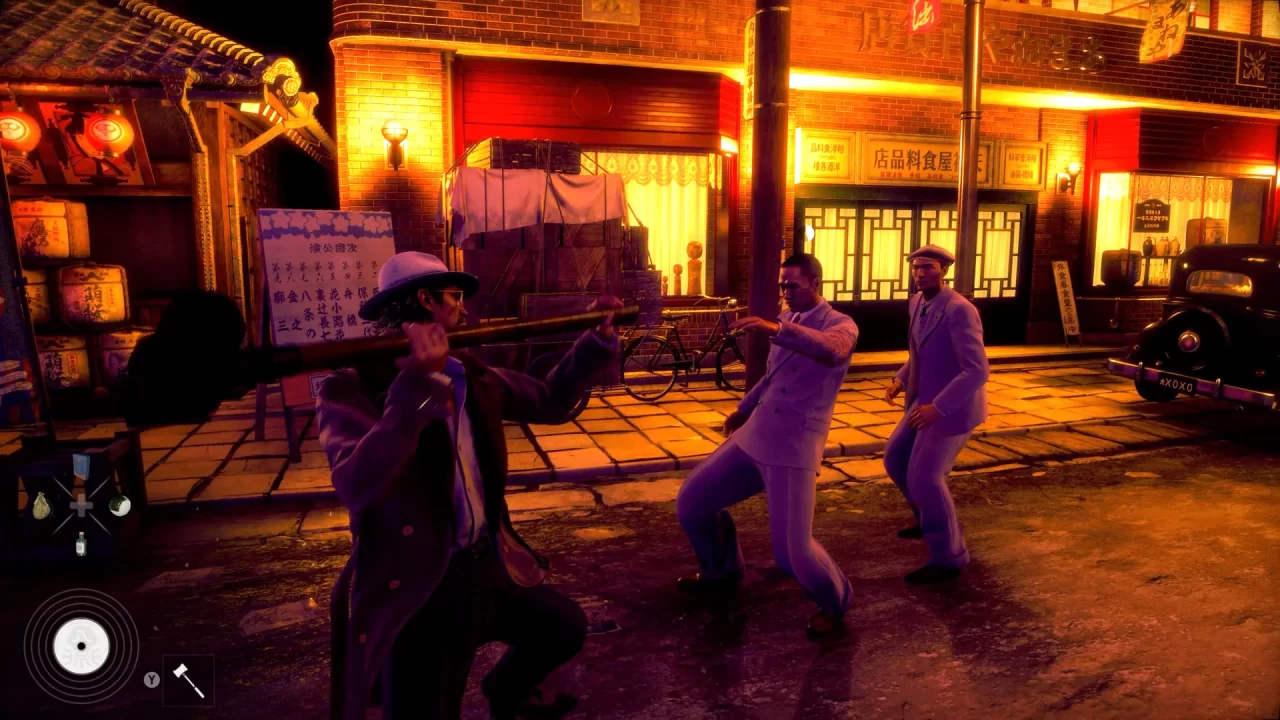
Mechanics: The Harmony of Violence and Music
Stranger Than Heaven introduces a radical departure from the traditional Yakuza/Like A Dragon combat systems. The developer has confirmed that the game utilizes a "dual-input" combat system that forces players to control the left and right sides of Daito independently. By mapping attacks and defenses to the triggers and bumpers of a gamepad, the game creates a tactile, rhythm-like experience in the heat of battle. Players might be forced to parry an incoming strike with a left-hand guard while simultaneously executing a heavy attack with a right-hand strike, emphasizing the mechanical complexity of Daito’s expertise.
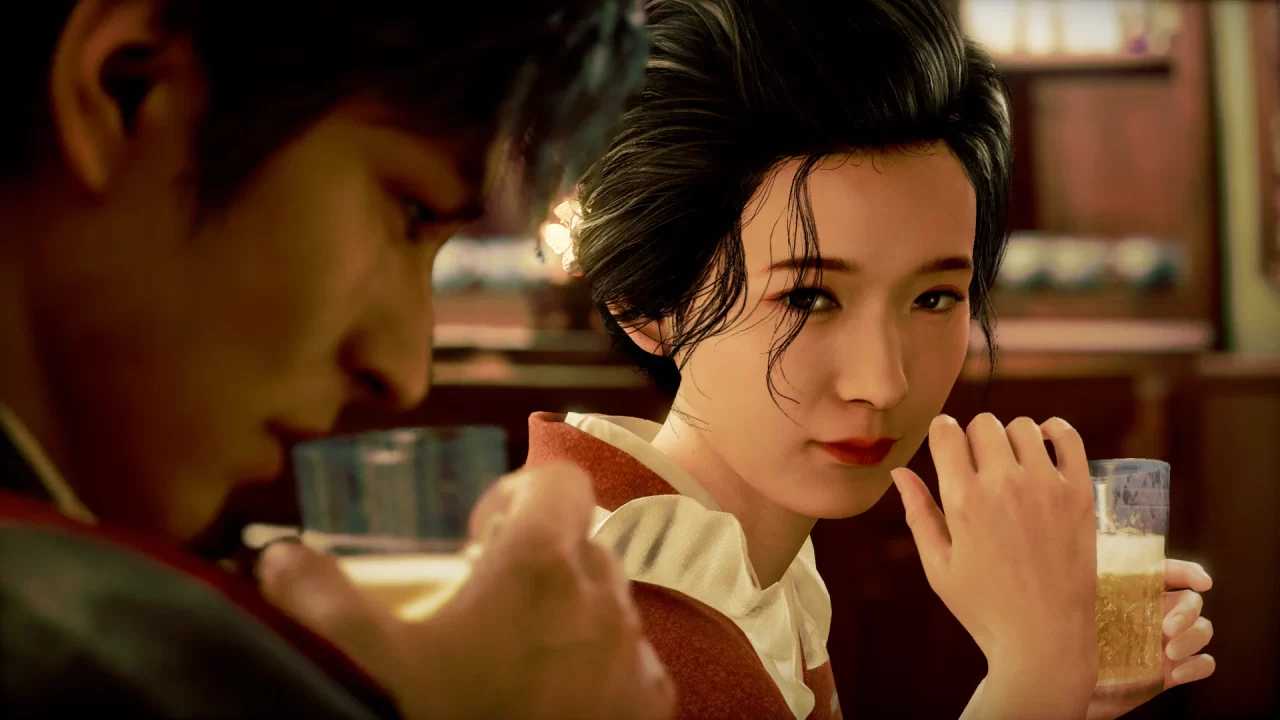
Beyond the brawling, the game features a sophisticated management simulation component. As a showman, Daito must scout and recruit talent across different eras. The "musical" aspect of the game is surprisingly deep: players must literally traverse the world to record environmental sounds—such as the screech of a train or the rhythmic sweeping of a broom—to compose original backing tracks for their performances. This synthesis of open-world exploration, sound engineering, and talent management aims to provide a rewarding break from the high-octane combat.
Supporting Data: An All-Star Cast
The project boasts an impressive array of talent, bridging the gap between traditional Japanese cinema and the modern music industry. The cast is anchored by industry veterans such as Akio Otsuka (Metal Gear Solid) and Tokuma Nishioka (Tokyo Love Story), alongside acclaimed actors like Yu Shirota and Moeka Hoshi.
The inclusion of international musical icons—including Snoop Dogg, Tori Kelly, and Ado—suggests that the musical sequences in the game will not merely be background noise, but central to the game’s cultural identity. This blend of star power indicates that RGG Studio is positioning Stranger Than Heaven as a premium, prestige production.
Implications and Connections to the Yakuza Legacy
The most significant implication of the Stranger Than Heaven reveal is its connection to the broader Like A Dragon universe. The opening sequence of the trailer hints strongly at the origins of the Tojo Clan, suggesting that this title serves as a canonical prequel to the entire franchise. If this holds true, Stranger Than Heaven could be the most important narrative entry in the series to date, filling in the historical gaps regarding the formation of the organizations that defined the lives of Kazuma Kiryu and Ichiban Kasuga.
By focusing on the early 20th century, RGG Studio is moving away from the "modern-day" trappings that defined the series for two decades. This allows for a fresh, historical perspective on the themes of honor, duty, and the cycle of violence that are central to the studio’s storytelling philosophy.
Official Stance and Future Outlook
During the Xbox presentation, the development team expressed their desire to explore the "dichotomy of the human spirit." The studio’s lead creative directors noted that they wanted to move beyond the traditional "beat-em-up" formula to capture the multi-faceted nature of a life lived on the fringes of society.
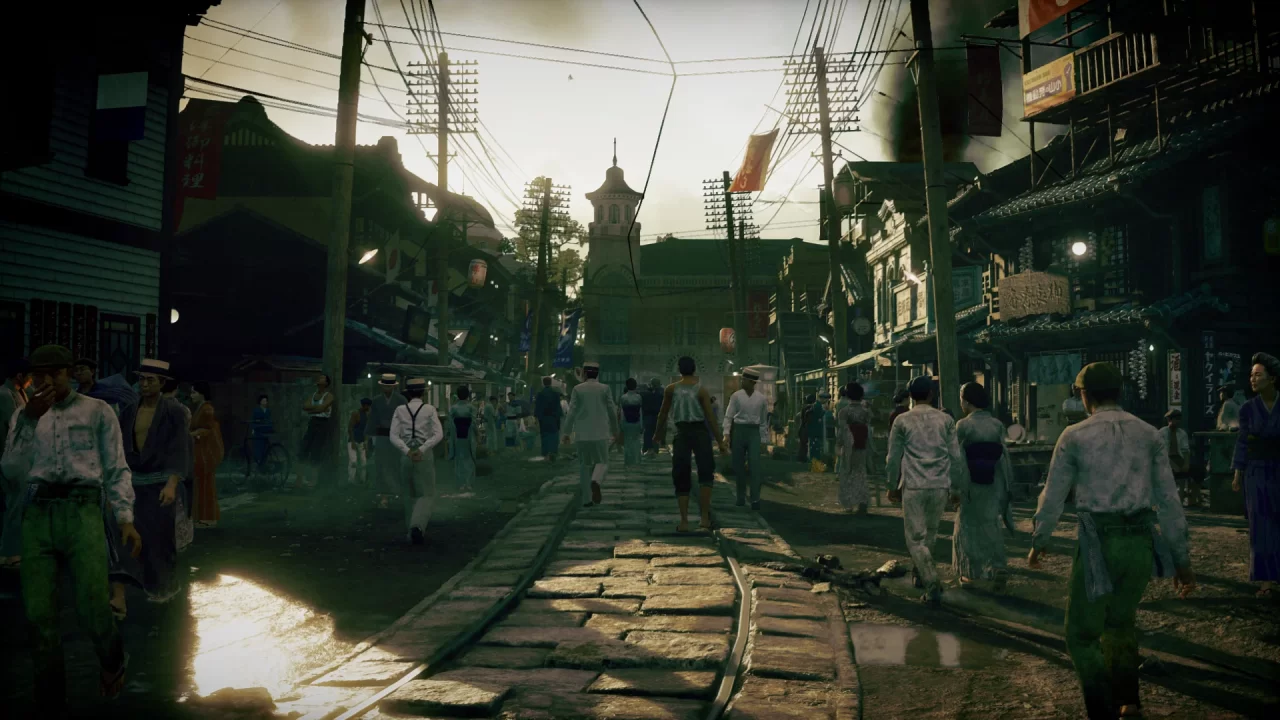
As we look toward the winter release, the anticipation is palpable. The combination of historical exploration, complex combat, and the deep, management-sim-inspired music system makes Stranger Than Heaven a must-watch title for RPG fans. Whether it succeeds as an origin story for the legendary Tojo Clan or stands as a unique, independent masterpiece, it is clear that RGG Studio is not resting on its laurels.
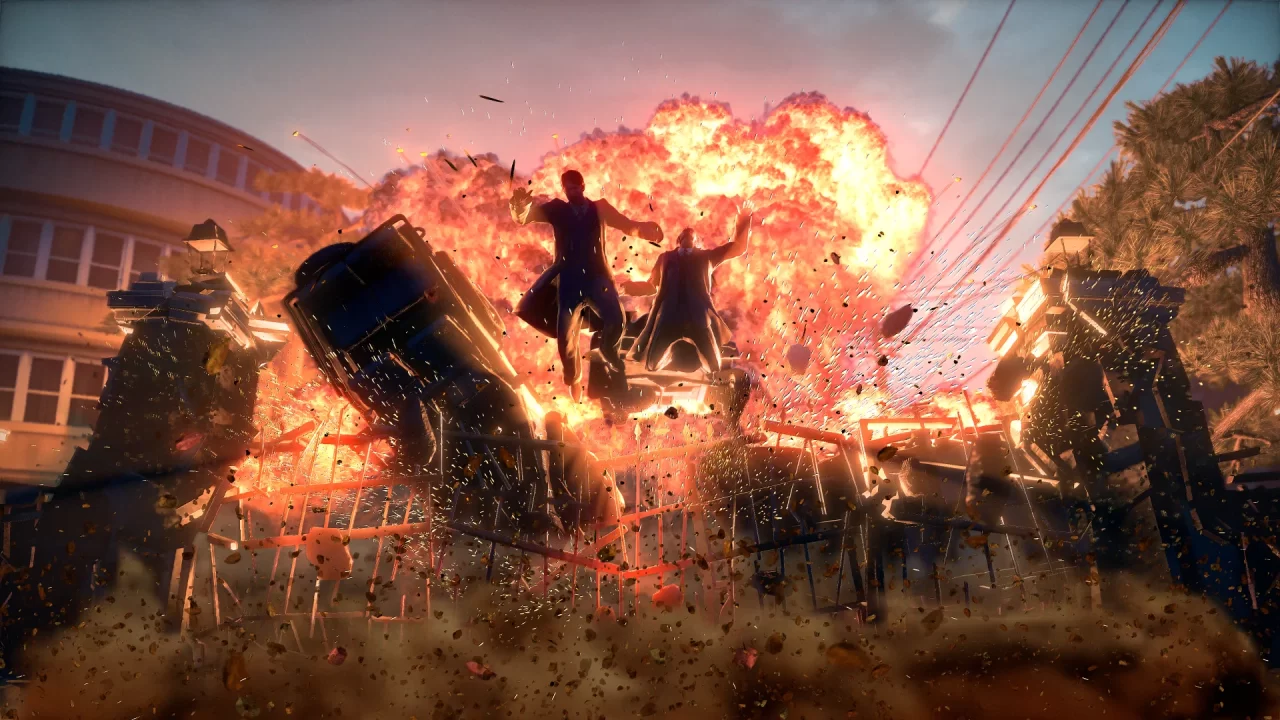
For those eager to dive deeper into the lore, the official Xbox Wire article provides a detailed breakdown of the game’s mechanics and the specific roles of the ensemble cast. As the winter release date approaches, players are encouraged to prepare for a journey that promises to be as haunting as it is exhilarating. Stay tuned to RPGFan as we continue to track the development of Stranger Than Heaven and bring you the latest updates on this monumental RPG experience.









No comments yet. Be the first to join the conversation!