

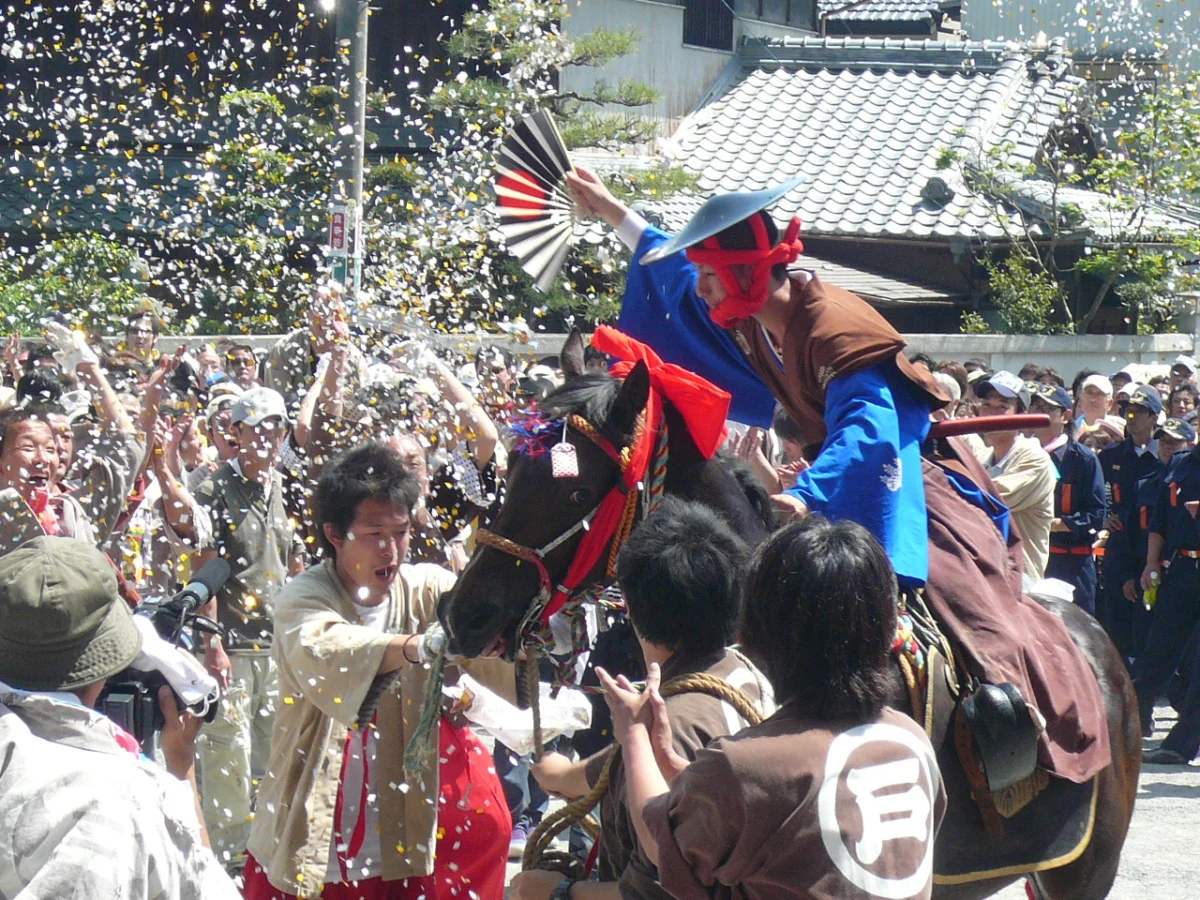
Deep in the verdant foothills of northern Mie Prefecture, Japan, stands the Tado Taisha—a site where the ancient spiritual traditions of Shinto collide with the urgent ethical debates of the 21st century. At the heart of this intersection is the Tado Festival (Tado Matsuri), a ritualistic spectacle that has, for over a millennium, served as a barometer for the region’s agricultural prosperity. Yet, as the festival approaches its annual May dates, it finds itself navigating a precarious path between the preservation of "Intangible Cultural Property" and the mounting pressure of global animal welfare standards.
The Core Ritual: Ageuma Shinji
The centerpiece of the Tado Festival is the Ageuma Shinji, or "Rising Horse Rite." Held annually on May 4th and 5th, the ritual is a display of visceral intensity. Young men, adorned in traditional samurai armor evocative of the Kamakura period, mount horses and attempt to gallop up a steep, 100-metre packed-earth slope. The challenge culminates in a harrowing two-metre vertical wall at the summit.
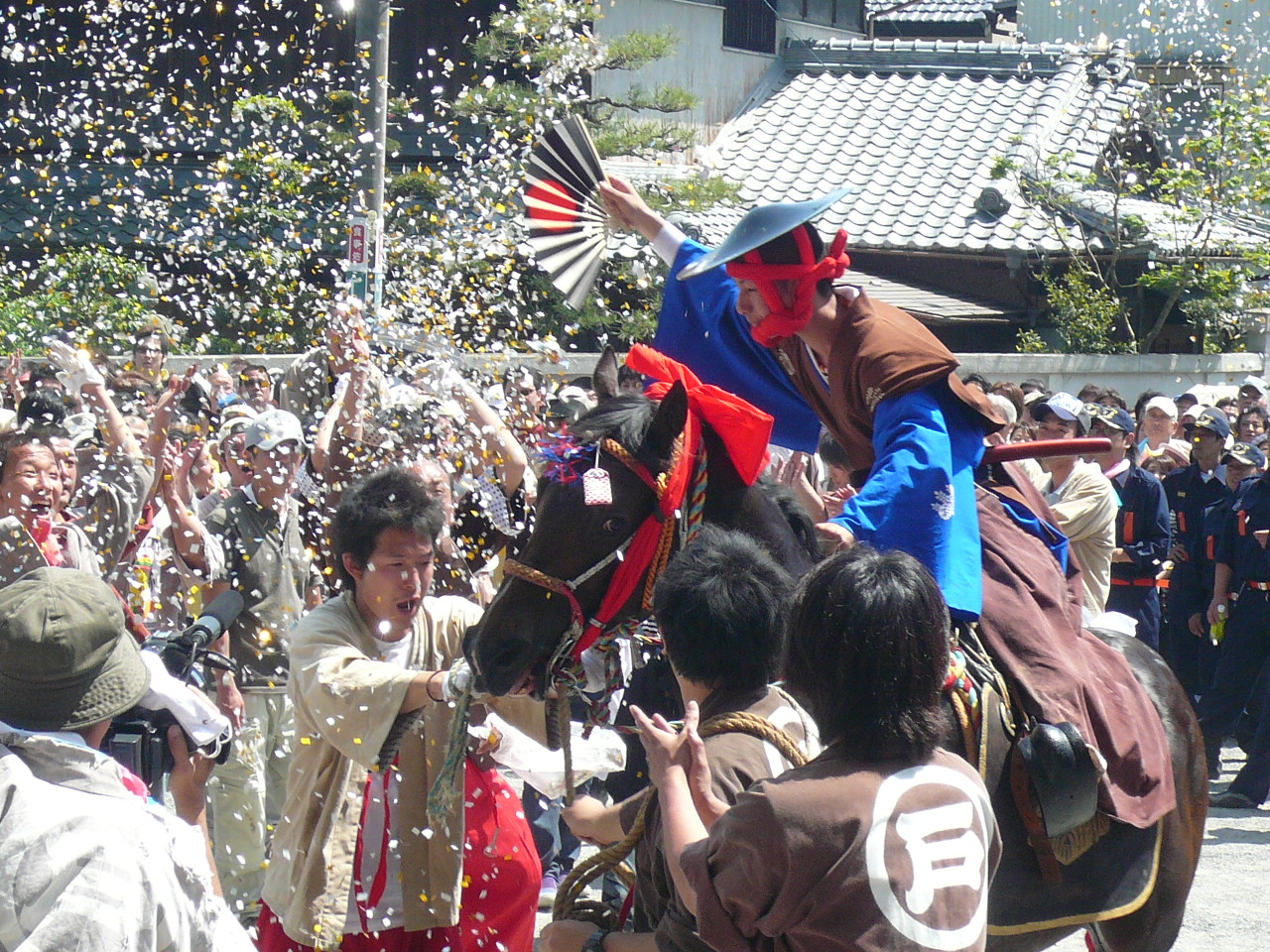
In the Shinto worldview, the outcome of this leap serves as a divine forecast for the year’s rice harvest. A successful vault over the wall is interpreted as an omen of prosperity and abundance, while a refusal or failure to clear the barrier is viewed as a portent of drought or agricultural hardship. This tradition is not merely a performance; it is a solemn act of communal prayer that has been continuously performed for roughly 700 to 1,000 years, tracing its origins back to the 6th century.
Historical Foundations: The Shrine of the Horse Protector
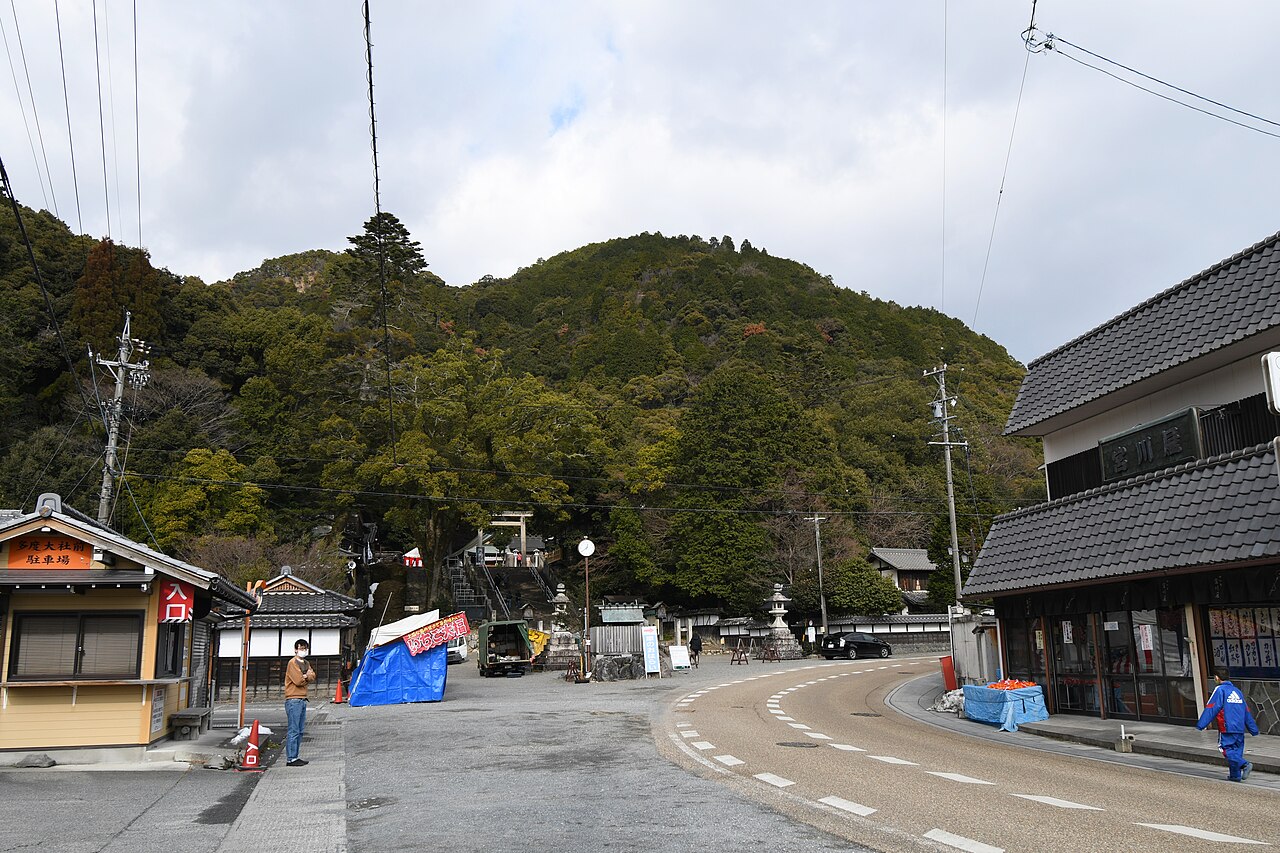
To understand the Tado Festival, one must understand the Tado Taisha itself. Ranking just below the prestigious Ise Grand Shrine in the religious hierarchy of Mie, Tado Taisha is steeped in equestrian symbolism. Built into the base of the 403-metre Mt. Tado, the shrine is dedicated to Amatsuhikone-no-mikoto, a deity identified as a child of the sun goddess Amaterasu and, crucially, the "horse protector" in Shinto mythology.
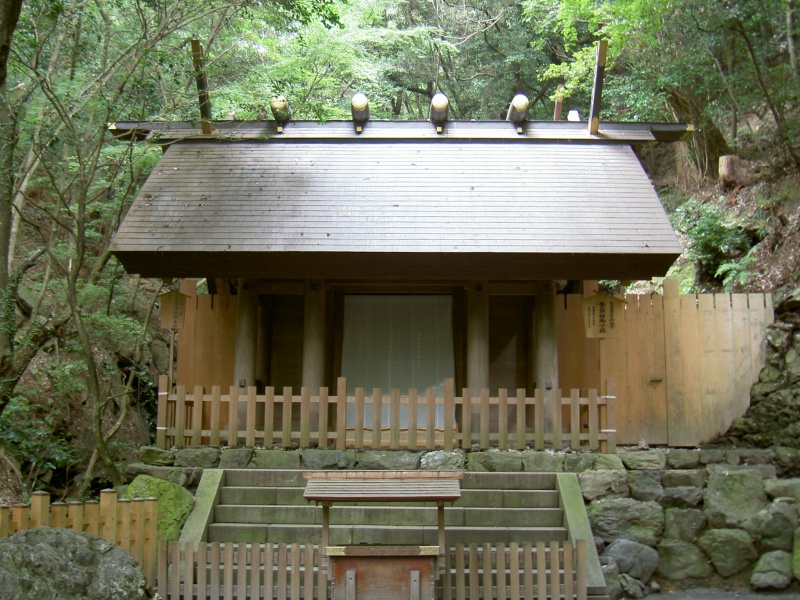
Historically, the shrine’s significance has shifted alongside Japan’s societal evolution. In the medieval era, it was a site of blessing for cavalry and warriors. During the Edo period, it transitioned into a hub for farmers seeking protection for their draft animals. Today, that legacy continues in a uniquely modern form: Tado Taisha has become a pilgrimage site for motorsport enthusiasts, including motorcyclists and car owners who flock to the shrine to receive kito—a ceremonial blessing—for vehicle safety.
The shrine’s antiquity is immense. Records suggest a founding date of 459 CE, during the reign of Emperor Yuryaku. While the main hall is a reconstruction on the original footprint—as the shrine has been rebuilt on a roughly 300-year cycle since the 8th century—its prominence is firmly established in the Engishiki, the 927 CE register of officially recognized shrines.
The Anatomy of the Festival
The festival is a multi-day affair, but the main action occurs on May 5th, beginning around 13:00 and lasting until the final horse has made its attempt, typically between 16:00 and 17:00.
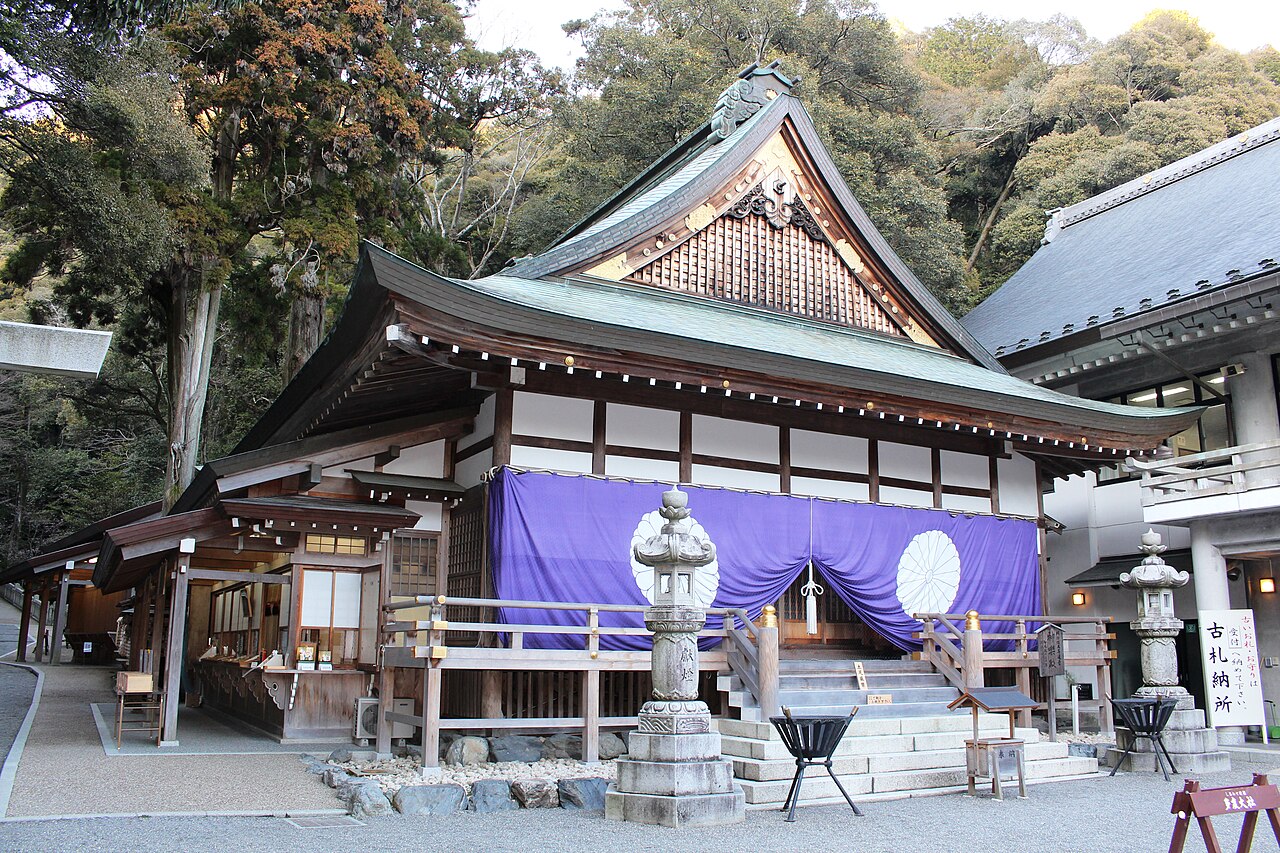
- Preparation: Local neighborhood associations participate in solemn, pre-ritual Shinto prayers and kagura dances performed in the Gakuraden, the shrine’s ceremonial music hall.
- The Ascent: Six local neighborhoods take turns sending riders and horses up the slope. The tension is palpable; the crowd, often arriving before dawn to secure a viewing spot, remains eerily quiet until the horse begins its charge.
- The Leap: This is the climactic moment where the "harvest prediction" is made. The riders, representing their respective districts, guide their horses up the earth track, attempting to clear the obstacle.
- Thanksgiving: Following each attempt, regardless of the outcome, the neighborhood performs a small thanksgiving ceremony, reinforcing the community-centered nature of the rite.
A Growing Controversy: The Ethics of Tradition
Since the early 2020s, the Tado Festival has become a lightning rod for animal welfare activists. The physical toll on the horses—most notably leg and shoulder injuries caused by impacts with the vertical wall—has moved from a local concern to a matter of national debate.
The rise of social media and increased public scrutiny have forced the shrine into a defensive, albeit constructive, position. Following high-profile injury incidents in 2022 and 2023, animal welfare organizations petitioned the Mie Prefectural Cultural Properties Board, questioning the morality of maintaining the ritual in its current form.
Official Responses and Shrine Reforms
Rather than bowing to calls for total abolition, Tado Taisha has pursued a path of structural and procedural reform. The shrine’s leadership has implemented significant changes to mitigate risk:
- Reduced Obstacle Height: The vertical wall has been modified to lower the intensity of the leap.
- Cushioned Landings: The landing zone has been reinforced with softer materials to prevent trauma to the animals’ hooves and joints.
- Participant Regulation: Restrictions have been placed on the age and weight of the riders to ensure the horses are not overburdened.
- Transparency: The shrine now communicates more openly about the welfare of the horses, though the fundamental nature of the ritual remains a point of contention.
For the visitor in 2026 and beyond, the experience of attending the Tado Festival is binary: one witnesses both the profound, ancient spectacle of Japanese folk religion and the visible presence of protest and public discourse. The festival persists with official sanction, but it exists in a climate where "tradition" is no longer an absolute defense against ethical questioning.
Practical Information for the Modern Traveler
Despite the controversy, the shrine remains a captivating destination.
Beyond the Festival
Even outside of the May 4-5 window, Tado Taisha offers a serene, culturally rich experience:
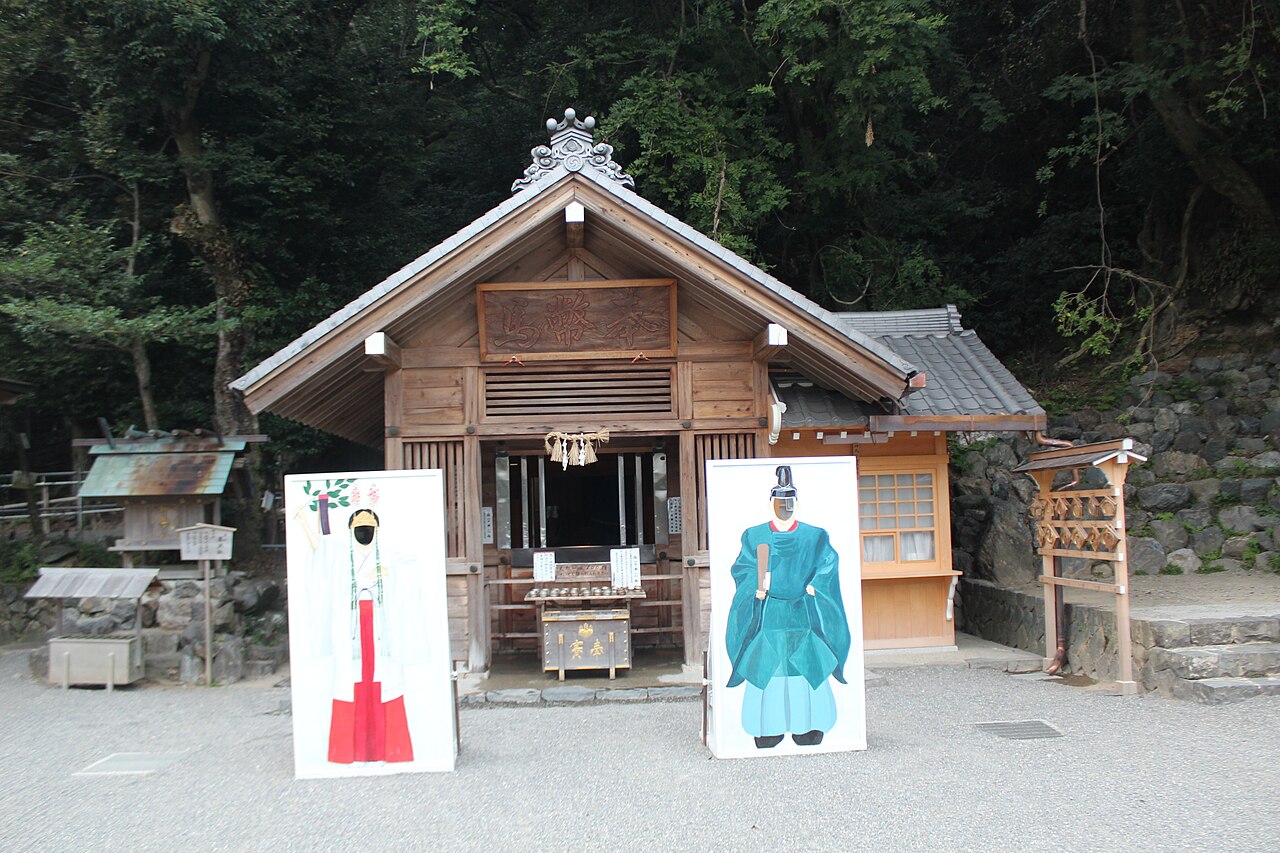
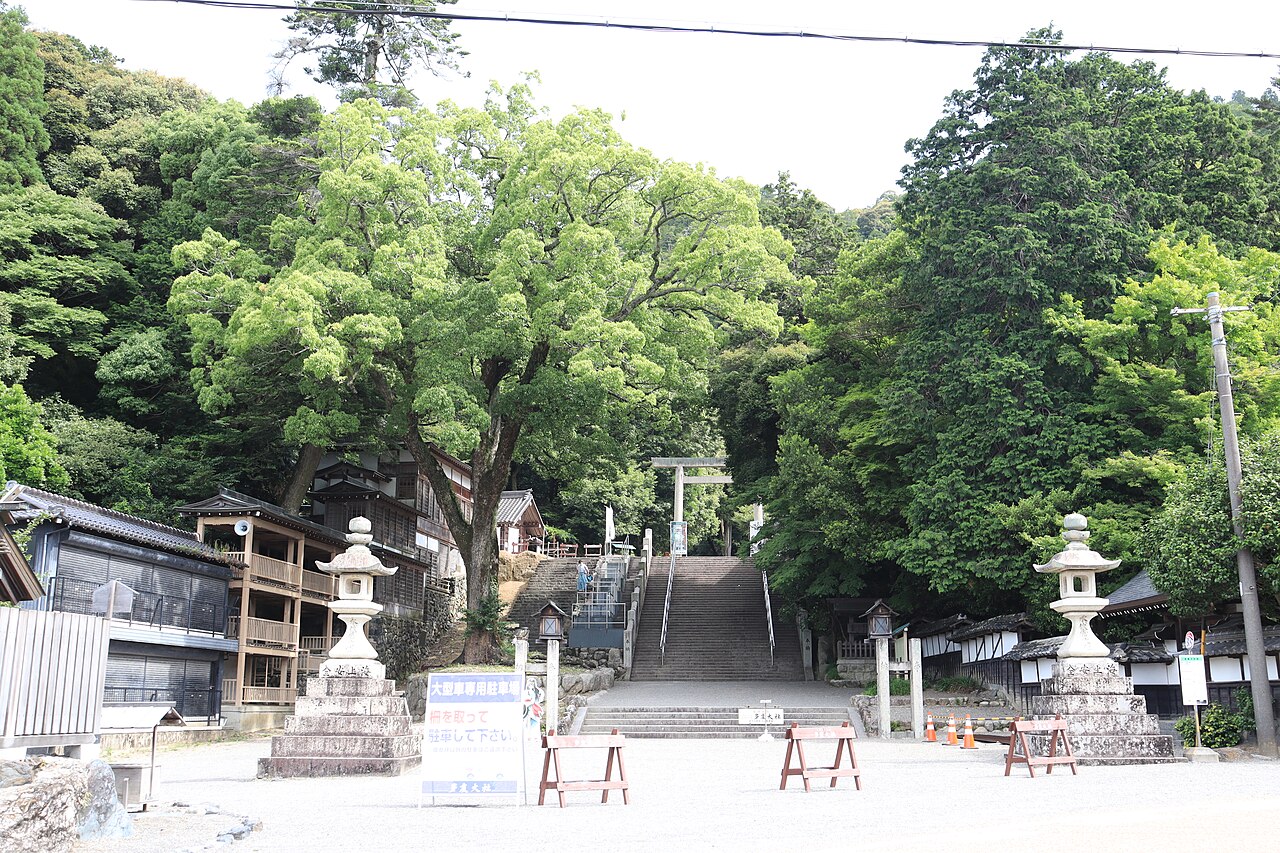
- The Precincts: A 30-to-40-minute walk takes visitors through the main hall, the sacred stable—home to the shrine’s white thoroughbred, Kintaro—and the Gakuraden.
- Hiking Mt. Tado: For those seeking activity, a 90-minute trail leads to the 403m summit, offering panoramic views of the Ibi River delta.
- Treasure Hall (Shuho-kan): A modest museum displaying ceremonial saddles and Edo-period samurai armor. It is open on weekends and provides essential context for the shrine’s history.
Getting There
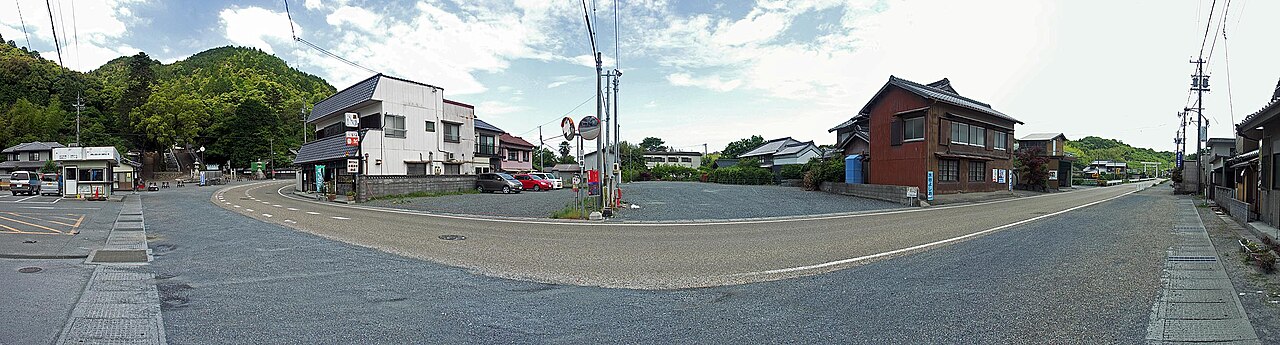
The shrine is accessible via the Kintetsu Nagoya Line to Kuwana Station, followed by a transfer to the Yoro Railway to Tado Station. From there, it is a 5-minute walk. The total journey from Nagoya takes approximately 70–80 minutes. For those traveling from Tokyo or Osaka, the Shinkansen to Nagoya serves as the primary gateway.
Traveler Recommendations
- For the Enthusiast: The festival is a rare opportunity to witness "living history," but be prepared for massive crowds—often reaching 300,000 to 400,000 people. Book accommodations in Kuwana or Nagoya at least three months in advance.
- For the Casual Tourist: Visit outside of the festival dates. The grounds are quiet, the cryptomeria trees are breathtaking, and the atmosphere is profoundly peaceful.
- For Families: While the shrine is child-friendly on normal days, the intense, sometimes distressing nature of the Ageuma ritual makes the festival dates potentially unsuitable for young children.
Conclusion: A Delicate Balance
The Tado Festival represents a microcosm of modern Japan: a nation deeply proud of its ancient, folk-religious roots, yet increasingly conscious of global norms regarding the treatment of sentient beings. Whether the Ageuma Shinji will continue in its current form for another thousand years, or whether it will undergo further evolution, remains to be seen. What is certain is that Tado Taisha serves as a vital, complex, and deeply human destination—a place where the roar of a motorcycle engine and the silent prayer of a samurai-clad rider find common ground under the shadow of Mt. Tado.












No comments yet. Be the first to join the conversation!