By Craig Robinson, Senior Editor
Last Updated: July 3, 2026
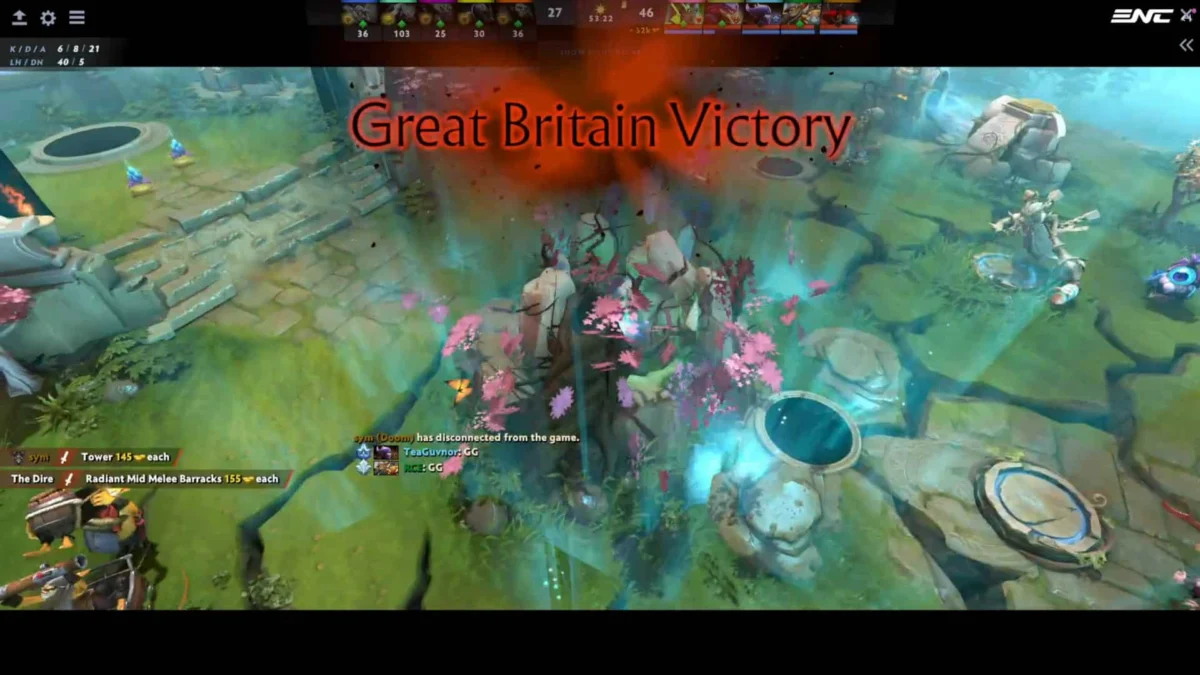
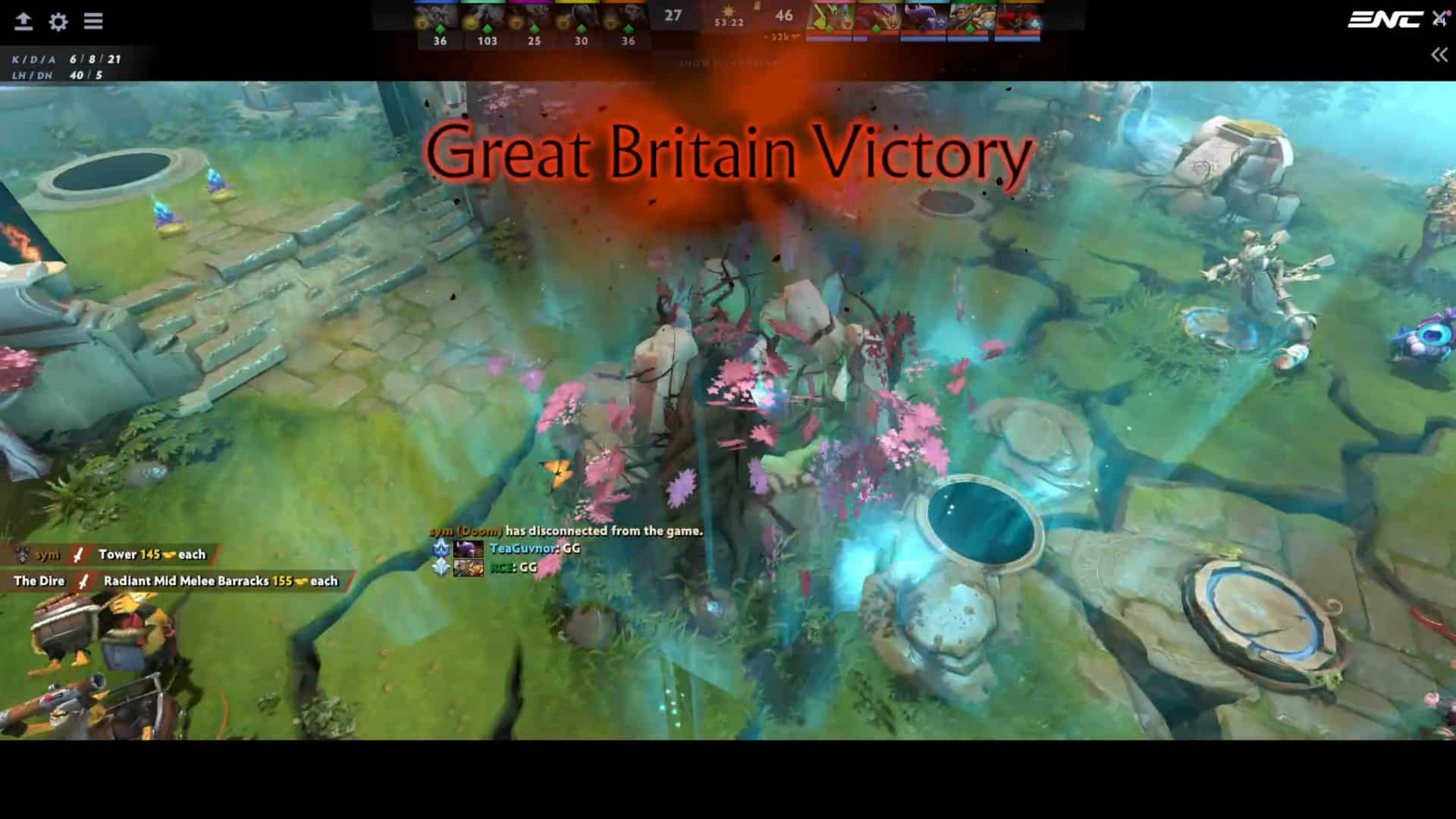
In a display of grit, tactical adaptation, and sheer resilience, Team Great Britain has officially punched its ticket to the Esports Nations Cup (ENC) main event in Riyadh. Navigating the treacherous waters of the Western European (EUW) qualifiers, the British squad overcame early setbacks to emerge as one of the two qualifying nations, proving that the UK’s Dota 2 scene possesses the depth and talent to compete on the world stage.
This qualification is more than just a win; it is a validation of the team’s roster composition and a significant morale boost for a regional scene that has long operated in the shadow of Tier-1 international giants. As we predicted when the roster was unveiled last month, the synergy within this squad was always going to be their greatest weapon, and under the stewardship of Robson “TeaGuvnor” Merritt, they have delivered exactly when it mattered most.
The Road to Riyadh: A Chronology of the Qualifier
The path to the main event was far from a simple procession. The EUW qualifier bracket was a gauntlet of seasoned European talent, and Team GB’s journey was characterized by an immediate test of character.
The Stumble and the Reset
Team GB entered the Upper Bracket Semifinals with high expectations, but they faced a formidable French side that exploited early vulnerabilities in the British draft. A hard-fought 2-1 loss saw the UK contingent relegated to the lower bracket. In high-stakes qualifying environments, a loss like this can often be the death knell for a team’s momentum, forcing them to play an exhaustive schedule of elimination series.
However, the team used the loss as a learning opportunity. The coaching staff and the players underwent a rapid recalibration of their strategies, focusing on neutralising the objective-based playstyles that had cost them in the semifinals.
The Lower Bracket Redemption
From the moment they fell into the lower bracket, Team GB was effectively playing with their backs against the wall. The pressure was immense, yet the squad responded with clinical precision:
- Quarterfinals: They dismantled Switzerland in a dominant 2-0 sweep, signaling that they had corrected the mechanical errors seen in their previous series.
- Semifinals: Facing a resilient Belgian side, GB was pushed to their limits in a 2-1 thriller. The victory demonstrated the team’s ability to win “ugly” when the draft didn’t go their way, relying on individual outplays and superior team-fight coordination in the late game.
- The Rematch: The final hurdle was a poetic rematch against France—the very team that had sent them to the lower bracket. In a masterclass of tactical preparation, Team GB reversed the narrative. They controlled the map, neutralized France’s key playmakers, and secured a resounding 2-0 victory.
By the end of the qualifier, the narrative had shifted entirely. Finland took the top spot from the upper bracket, and Great Britain secured the second ticket, effectively clearing the field of all other European contenders.
Analysis: Why This Roster Worked
The success of this team is particularly impressive given the context of the UK Dota 2 scene. Historically, the UK has struggled to secure direct invites to global events, largely due to the fragmented nature of its competitive ecosystem. This team was built on a foundation of chemistry rather than just individual star power, led by the unmistakable influence of TeaGuvnor.
The “TeaGuvnor” Factor
Robson “TeaGuvnor” Merritt has long been a pillar of the British Dota 2 community. His transition from a beloved broadcast talent to a strategic leader for the national team has provided a focal point for the players. His ability to read the meta and prepare the team for specific opponent tendencies was evident in the final series against France.
Depth and Resilience
While some might point to the absence of certain high-profile UK players (such as the notably absent Ari) as a potential handicap, the squad proved that collective discipline outweighs individual flair. The team’s performance was defined by a shared understanding of win conditions. In each series, different players stepped up—whether it was the mid-lane dominance or the support duo’s vision control—proving that this is a balanced, multi-dimensional team.
The Global Stage: What Awaits in Riyadh
With the EUW qualifiers concluded, the focus now shifts to Riyadh, where the main event will bring together the best of the best. The competition will be fierce, with 16 directly invited nations already confirmed. These teams represent the absolute pinnacle of professional Dota 2, featuring players who compete in the highest-tier leagues globally.
The Competition Field
The scale of the tournament is unprecedented for the ENC. The list of attendees reads like a "who’s who" of global esports powerhouses:
- Directly Invited: Saudi Arabia, China, Kazakhstan, Malaysia, Denmark, Sweden, United States, Indonesia, Germany, Jordan, Bulgaria, North Macedonia, Ukraine, Netherlands, Moldova, Poland, and Brazil.
- Qualified Nations: Finland, Great Britain, Czechia, Greece, Lebanon, Kyrgyzstan, Mongolia, Pakistan, Philippines, Thailand, Peru, Ecuador, Canada, and South Africa.
The presence of nations like China, Sweden, and the United States ensures that the competition will be grueling. For Team Great Britain, the challenge will be to adapt to the diverse playstyles of teams from different continents. While EUW teams often prioritize structured, objective-based play, teams from the SEA or SA regions are known for their chaotic, aggressive, and unpredictable skirmishing.
Preparation for these specific matchups will be the next phase of the team’s journey. There is also the lingering mystery of the final Wild Card slot, which will be announced at a later date, potentially adding one more heavyweight to an already stacked tournament.
Implications for the UK Dota 2 Scene
This qualification is more than a tournament spot; it is a catalyst for the UK scene. For years, the lack of a prominent international presence has hampered local investment and grassroots growth. By qualifying for an event of the ENC’s magnitude, Team Great Britain is effectively putting UK Dota back on the map.
Inspiration for Grassroots Growth
The success of this team provides a tangible goal for amateur and semi-pro players across the UK. Seeing a squad of domestic players compete and succeed against the best in Europe validates the hard work of local tournament organizers and community hubs. It proves that there is a pathway from the local pub-stomp scene to the global stage.
Future Investment and Visibility
Success breeds interest. With the eyes of the global Dota 2 community on the ENC, Team GB’s performance will be heavily scrutinized by scouts, sponsors, and fans. A strong showing in Riyadh could lead to increased interest from esports organizations looking to tap into the UK market, potentially paving the way for more stable, professional structures for British players in the future.
Final Thoughts: A Proud Moment
As the team prepares to travel to Riyadh, the mood in the UK community is one of cautious optimism and immense pride. This isn’t a team that was gifted a spot; they fought through the mud, lost, got back up, and earned their place through merit.
For those who wish to relive the journey, the VODs of the qualifiers, including the dramatic final series, are available on FalcusK’s Twitch Channel. The recordings serve as a masterclass in adaptation and a testament to what a dedicated, well-led group of players can achieve.
The road ahead will be the hardest the team has ever faced. They will be playing against legends of the game, seasoned veterans with years of LAN experience. However, if the EUW qualifiers taught us anything, it’s that you should never count out a team that has already faced its demons and come out the other side stronger.
Team Great Britain is going to Riyadh, and for the first time in a long time, the world will be watching the UK compete in Dota 2 with genuine expectation.
About the Author
Craig Robinson has been a fixture in the esports journalism scene since 2015. Beginning his career while studying at Manchester Metropolitan University, he has dedicated his professional life to chronicling the growth, struggles, and triumphs of the UK esports scene. After a brief tenure with other major outlets, he has returned to Esports News UK to continue his work in bringing light to regional stories and the broader esports landscape.
Stay updated with the latest in esports by subscribing to our Google News feed for timely, reliable reporting directly to your devices.