

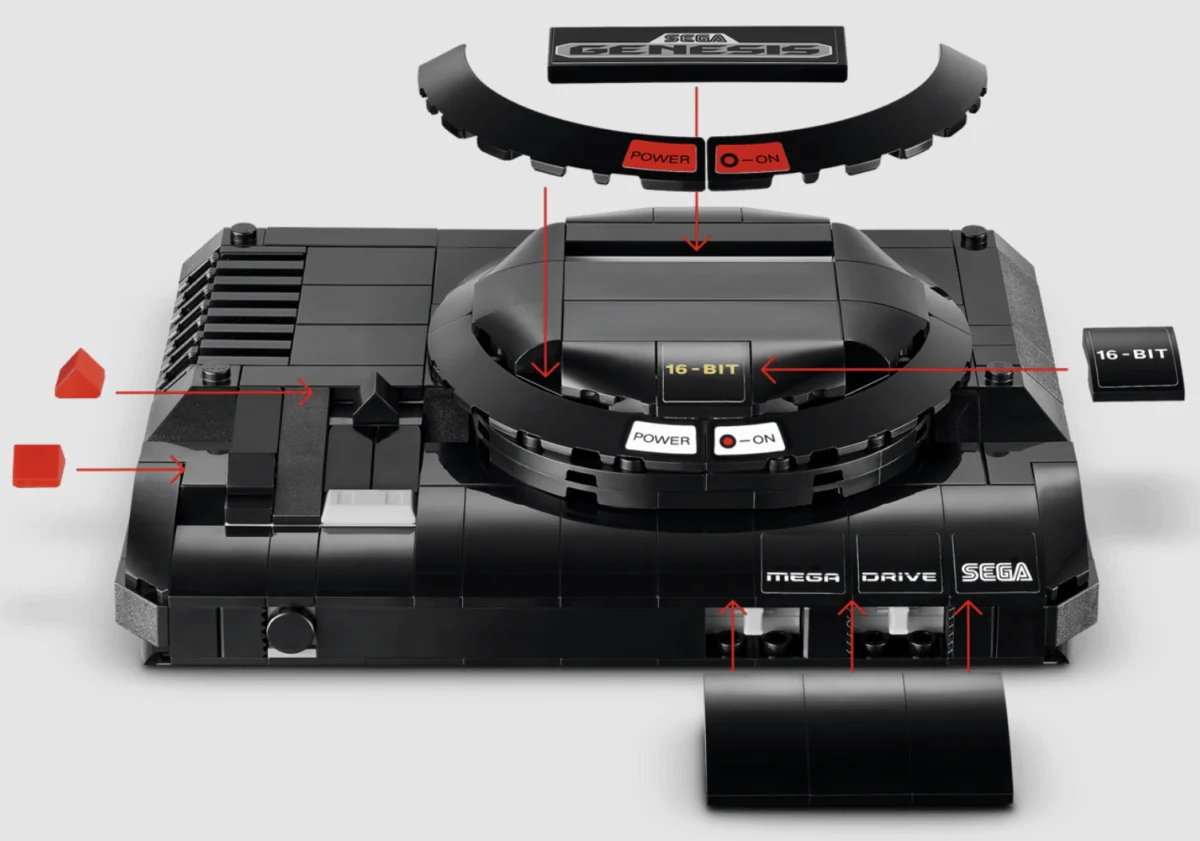
For retro gaming enthusiasts and brick-building aficionados, the intersection of nostalgia and creativity has reached a new peak. LEGO has officially opened orders for its latest high-profile collaboration with Sega: a meticulously detailed replica of the iconic 16-bit console that defined a generation. Priced at an accessible $39.99, this 480-piece set serves as a love letter to the console wars of the early 1990s, offering builders the unique ability to customize their model to reflect either the North American "Genesis" branding or the global "Mega Drive" identity.
Main Facts: A Dual-Identity Build
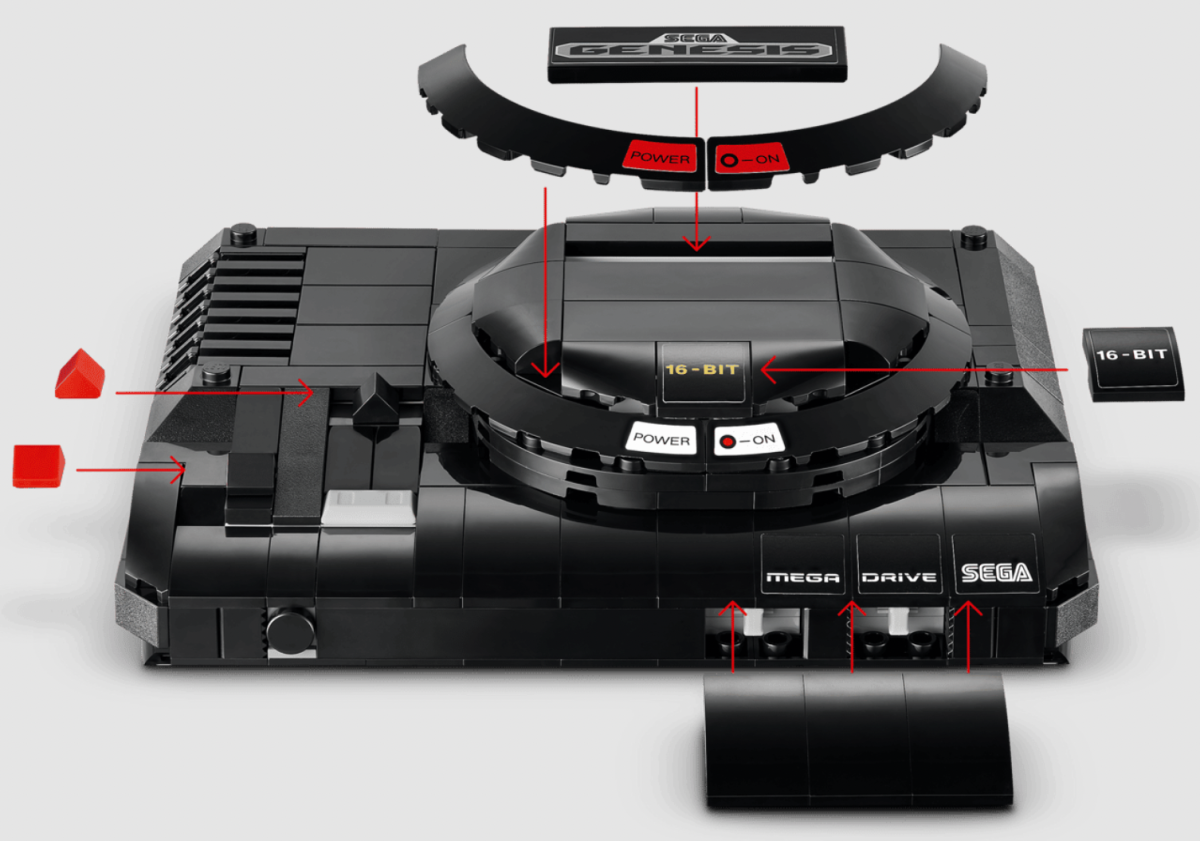
The new LEGO Sega Genesis set, cataloged under product number 40926, is more than just a static display piece. It is a modular tribute to gaming history. The kit provides builders with the necessary components to toggle the console’s aesthetic identity, allowing users to swap out specific switches, rings, and logos to transition between the Genesis and the Mega Drive.
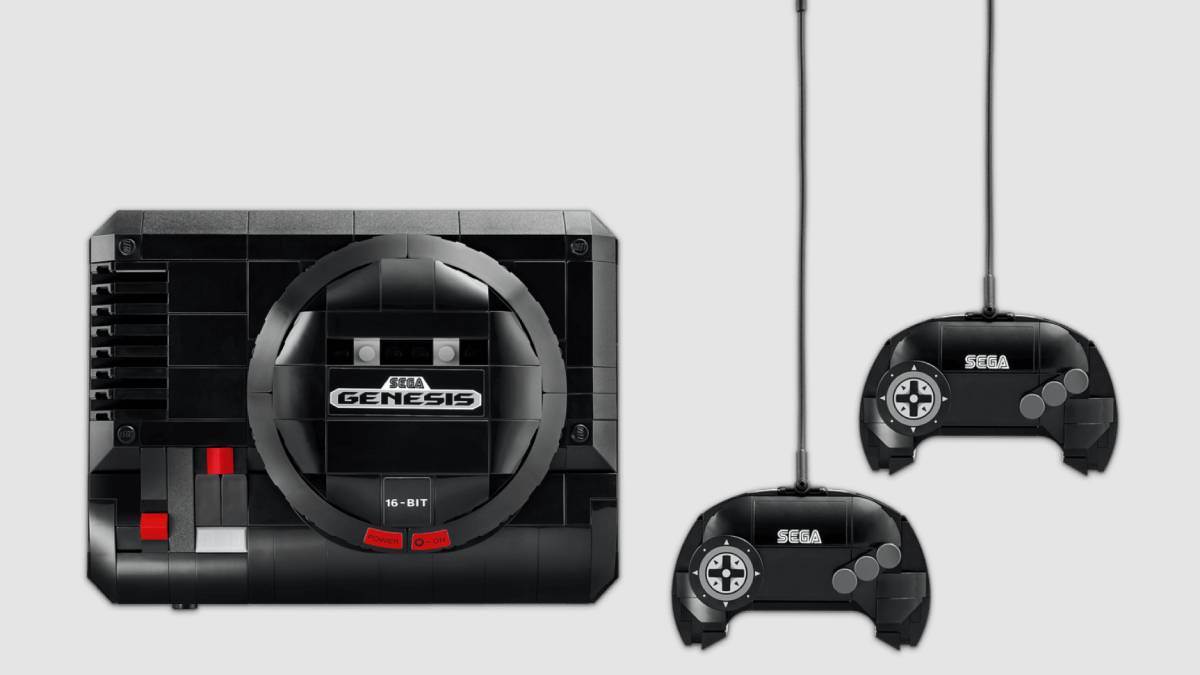
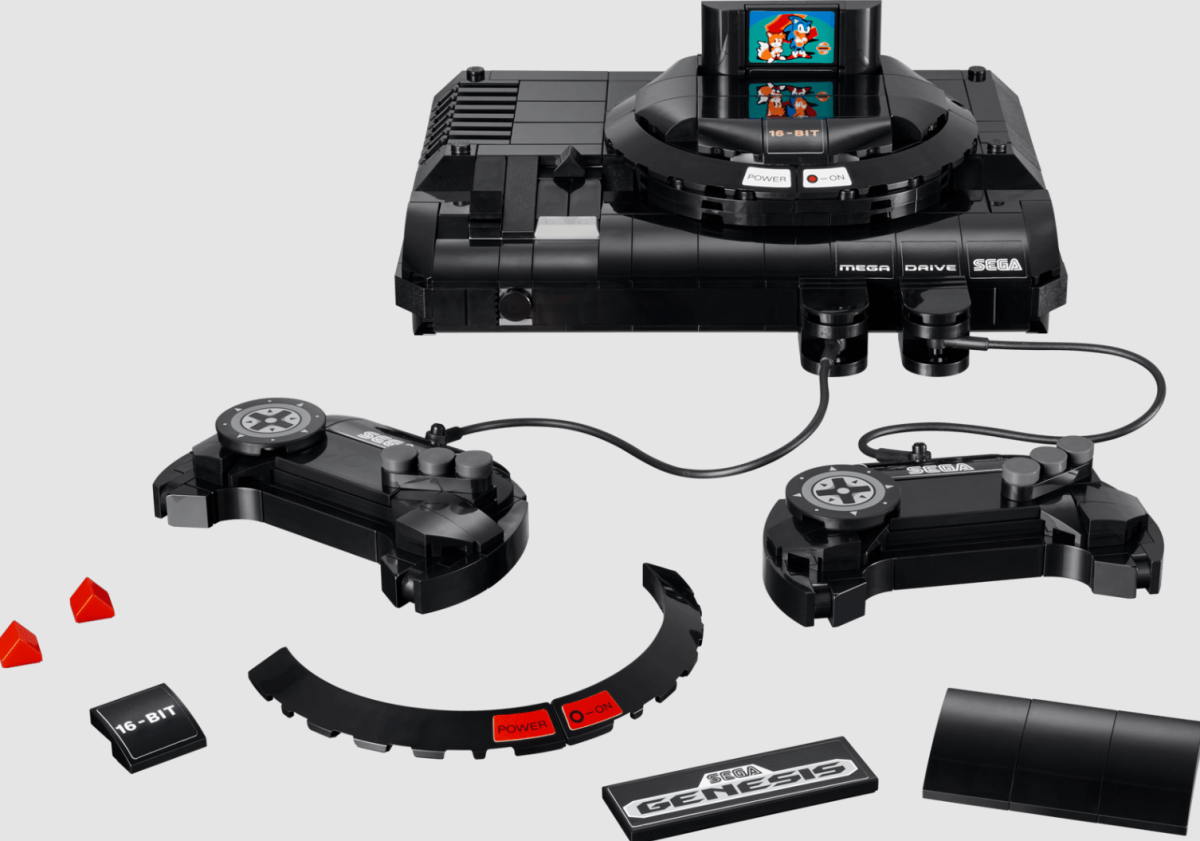
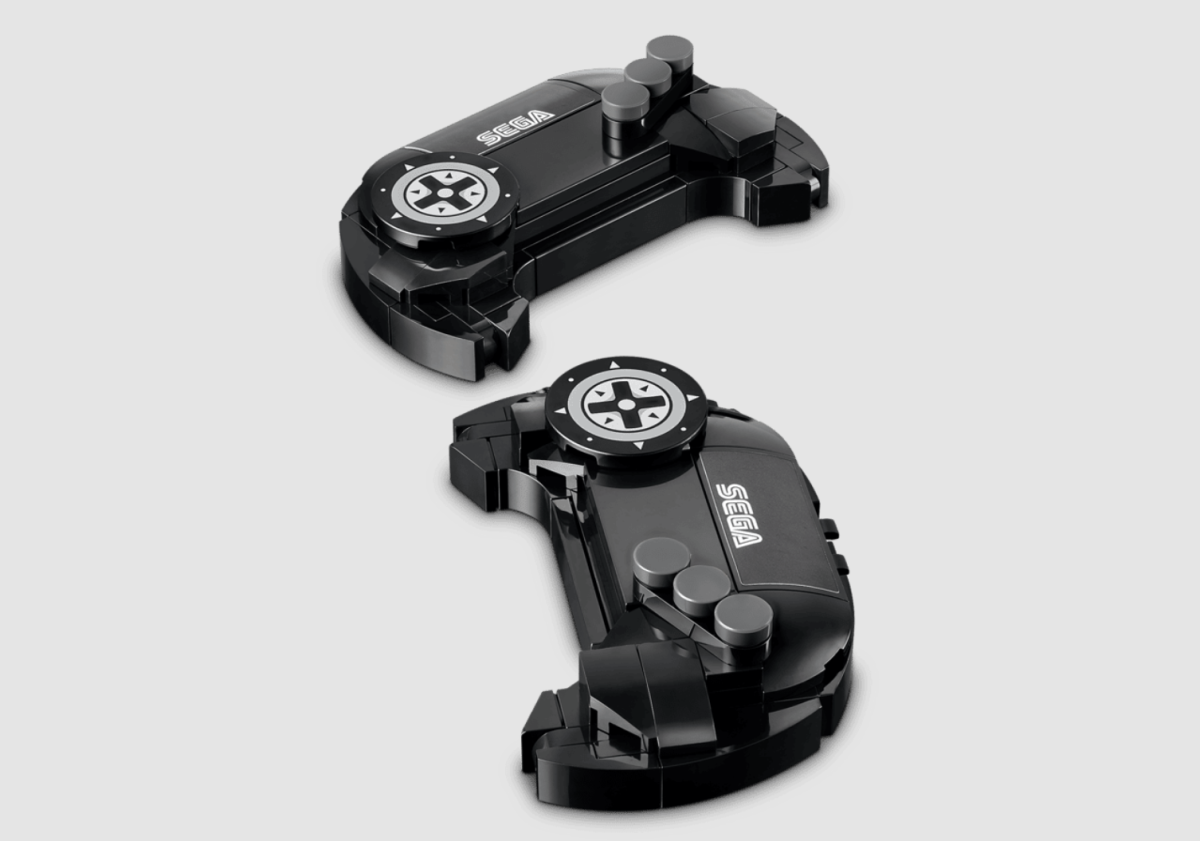
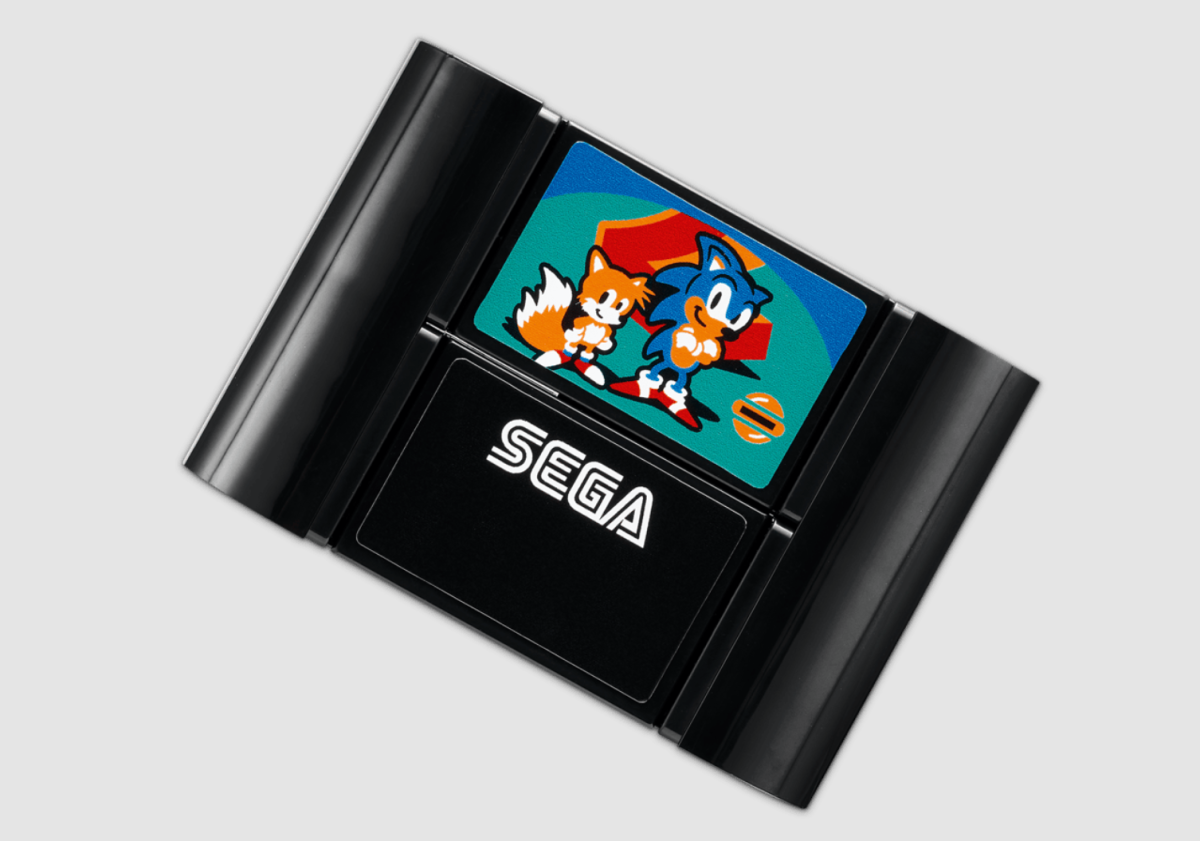
Designed for ages 12 and up, the 480-piece assembly is compact yet dense with detail. It captures the silhouette of the original hardware—excluding the "High Definition Graphics" branding found on later iterations—offering a clean, classic look. Beyond the console itself, the set includes two buildable controllers that can be attached to the main unit, mirroring the classic two-player setups that dominated living rooms decades ago. To complete the experience, the kit comes with a miniature Sonic the Hedgehog 2 cartridge that slides perfectly into the console’s cartridge slot, adding a layer of interactive realism.
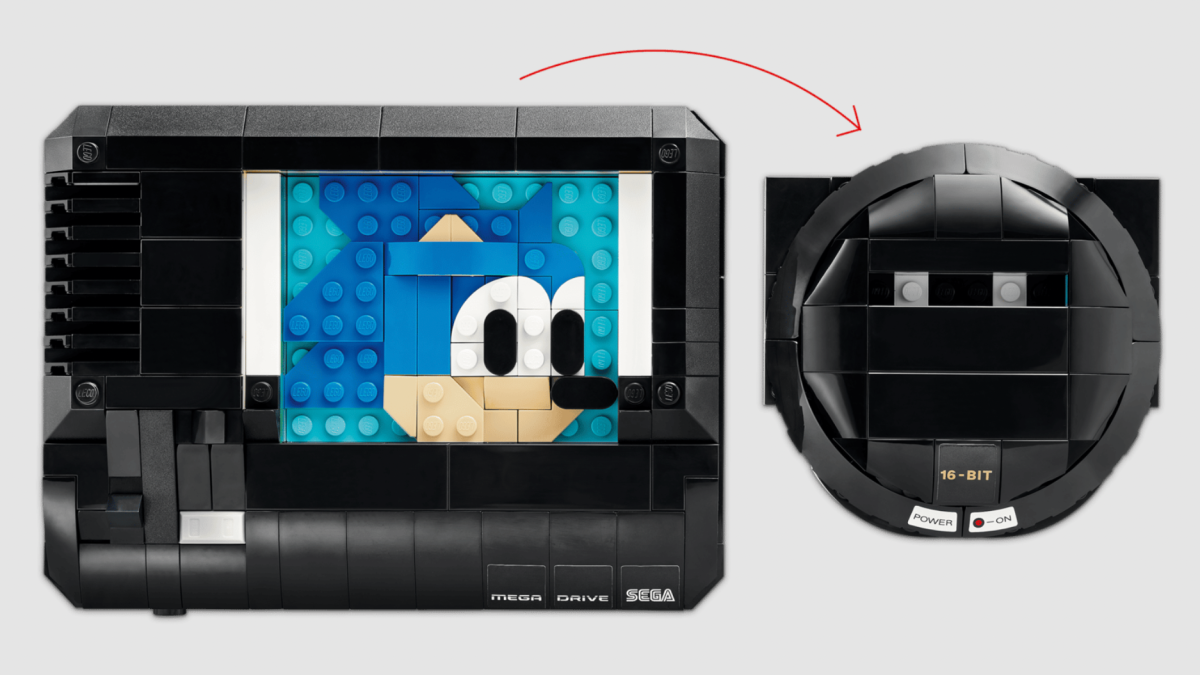
Perhaps the most delightful inclusion is an "Easter egg" hidden within the build: upon lifting the console’s top casing, builders will discover a concealed portrait of Sega’s mascot, Sonic the Hedgehog. It is this attention to detail that elevates the set from a simple plastic model to a collector’s item for enthusiasts of 90s pop culture.
Chronology: The Evolution of Gaming Collectibles
The release of this set arrives at a time when LEGO has leaned heavily into the "Adults Welcome" marketing strategy, targeting older demographics who grew up with the technology they are now building in plastic form.
This release follows a broader industry trend of transforming vintage electronics into lifestyle products. The journey toward this specific set began with the release of the standalone LEGO Sega Genesis controller set, which garnered significant attention. That earlier product, however, has since become difficult to source through standard retail channels, leading to a secondary market surge that likely signaled to LEGO and Sega that there was significant demand for a full-console companion piece.
Looking at the broader timeline of gaming-inspired LEGO sets:
- The NES Era: The LEGO Nintendo Entertainment System, complete with a buildable CRT television, set the gold standard for interactive, high-fidelity gaming replicas.
- The Atari Legacy: The Atari 2600 set provided a deep dive into the roots of home console gaming, offering a modular experience that allowed for the creation of different game modules.
- The Handheld Revolution: The LEGO Game Boy set proved that smaller, more portable-focused hardware could achieve the same level of brand loyalty as home consoles.
- The Current Moment: The Sega Genesis/Mega Drive set arrives as a successor to these projects, bridging the gap between the 8-bit era of the NES and the more complex hardware of the 32-bit transition.
Supporting Data: Specifications and Design
The build is characterized by its precision. At 480 pieces, it is a manageable project for hobbyists, yet it requires enough technical assembly to feel substantial.
Product Specifications:
- Total Piece Count: 480
- Target Age Group: 12+
- Price Point: $39.99
- Customization: Modular parts for branding (Genesis vs. Mega Drive)
- Accessories: Two controllers and a Sonic the Hedgehog 2 cartridge replica.
The design team at LEGO has focused on the tactile nature of the console. The choice to include the Sonic the Hedgehog 2 cartridge is particularly poignant; as one of the best-selling games for the system, it serves as the ultimate shorthand for the Genesis experience. By allowing the cartridge to be inserted and removed, the set maintains a physical connection to the act of playing, which is central to the appeal of retro hardware.
Official Responses and Strategic Significance
While Sega has not issued a lengthy manifesto regarding this release, the collaboration is part of a multi-year strategy to keep the Sega brand relevant among the generation that grew up with it. By licensing its intellectual property to premium partners like LEGO, Sega is effectively ensuring that its legacy hardware remains a visible presence in modern homes, even as digital emulation becomes the standard for playing classic titles.
For LEGO, the collaboration represents a strategic move to dominate the "nostalgia economy." Market research consistently shows that consumers in the 25–45 age range are highly likely to purchase products that provide a tangible link to their childhood. By pricing the set at $39.99, LEGO has positioned the item as an "impulse buy" or a "giftable" item, widening its potential reach compared to the more expensive, multi-hundred-dollar "Collector Series" sets.
Implications: The Future of Retro-Hardware Merchandising
The success of this set—and its predecessors—carries significant implications for the future of toy and tech collaborations.
1. The Death of the "Static Model"
Modern collectors are no longer satisfied with static statues. The success of the NES set with its moving screen and the Genesis set with its insertable cartridge suggests that the future of licensed merchandise lies in functional, interactive design. The more a set mimics the "feel" of the real device, the higher its perceived value.
2. The Standardization of "Regional Identity"
By including parts for both the Genesis and Mega Drive, LEGO has set a new precedent for global releases. This move acknowledges that branding is regional and respects the global community of gamers. Future collaborations—perhaps involving the Super Famicom vs. SNES—will likely adopt this modular approach to satisfy collectors in both Japan and the West.
3. The Digital-Physical Divide
There is an irony in building a 16-bit console out of plastic bricks in an era dominated by high-resolution digital gaming. However, this paradox is precisely what drives the market. As gaming becomes increasingly ephemeral and service-based, the desire for permanent, physical objects that represent the "golden age" of ownership is stronger than ever. The LEGO Sega Genesis is not just a toy; it is a permanent monument to a finite era of hardware.
4. Community and Secondary Market Trends
The difficulty in finding the previous controller set suggests that these items are rapidly transitioning into "investment pieces." The secondary market for these sets is robust, and as LEGO continues to release limited-run gaming hardware, we can expect a growing community of "brick-archivists" who treat these sets as essential components of a complete gaming collection.
Conclusion
The LEGO Sega Genesis and Mega Drive set is a triumph of design that effectively captures the essence of a console that once defined an entire culture of gaming. Whether you are a fan of the "Genesis" branding of the Americas or the "Mega Drive" legacy of Europe and Japan, this set provides a bridge to the past that is both fun to build and stunning to display.
As we look toward the future, it is clear that the partnership between gaming giants and construction-toy manufacturers is only just beginning. With a catalog that already includes Atari, Nintendo, and now Sega, the question remains: what console will be next? For now, collectors have plenty to keep them occupied, with 480 pieces of 16-bit history waiting to be snapped into place. The console wars may have ended decades ago, but in the world of LEGO, the legacy of the Sega Genesis lives on, one brick at a time.












No comments yet. Be the first to join the conversation!