Nana Wu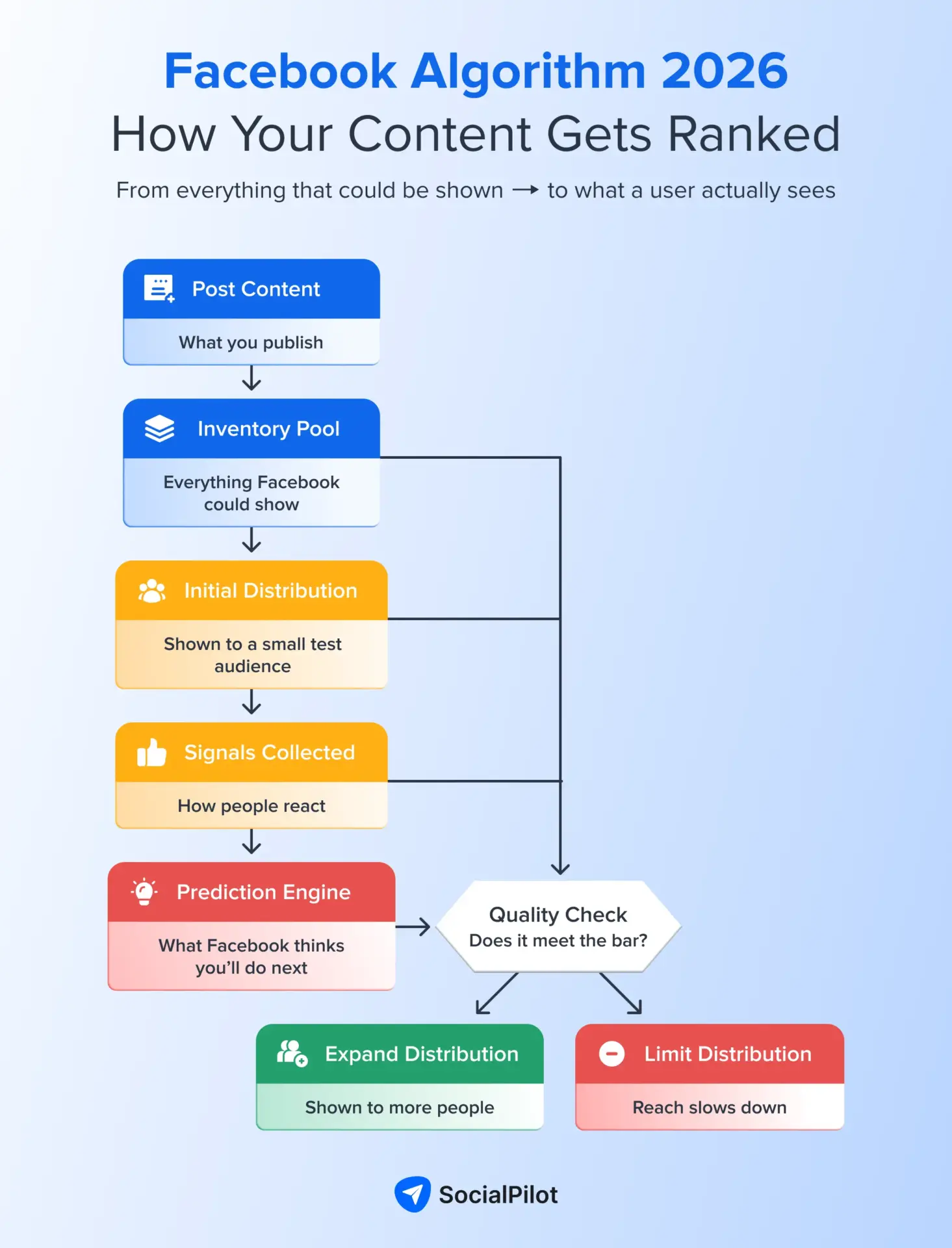
For years, a cynical consensus settled over the marketing industry: "Facebook is dead." Marketers pointed to shrinking organic reach, unpredictable traffic, and an endless cycle of platform updates as evidence that the once-dominant social titan had lost its edge. For many, posting to a Facebook Page began to feel less like a strategic opportunity and more like an exhausting chore.
However, the narrative of Facebook’s decline has been prematurely written. Beneath the surface, Meta has been executing a radical architectural overhaul. The platform is no longer merely a "Social Graph"—a digital Rolodex connecting you to friends and family. It has transformed into a sophisticated, AI-driven "Discovery Engine." By prioritizing predictive modeling over static following, Meta is revitalizing its ecosystem. For brands, this isn’t the end of organic reach; it is a fundamental shift in the requirements for success.
The New Reality: From Social Graph to Discovery Engine
In 2026, the Facebook experience is guided by the Andromeda update—Meta’s next-generation AI system designed to predict user intent in real-time. Where previous iterations of the algorithm relied heavily on static interests and historical follower data, Andromeda uses deep neural networks to "read" the content of a post and match it with a user who has a high probability of finding it valuable.
With 3.07 billion monthly active users (MAU), the scale of this Discovery Engine is unprecedented. The shift is clear: the algorithm now treats "unconnected distribution" (content from pages you don’t follow) with as much importance as content from your inner circle. For businesses, this means your reach is no longer capped by your follower count; it is limited only by the quality and relevance of your creative output.
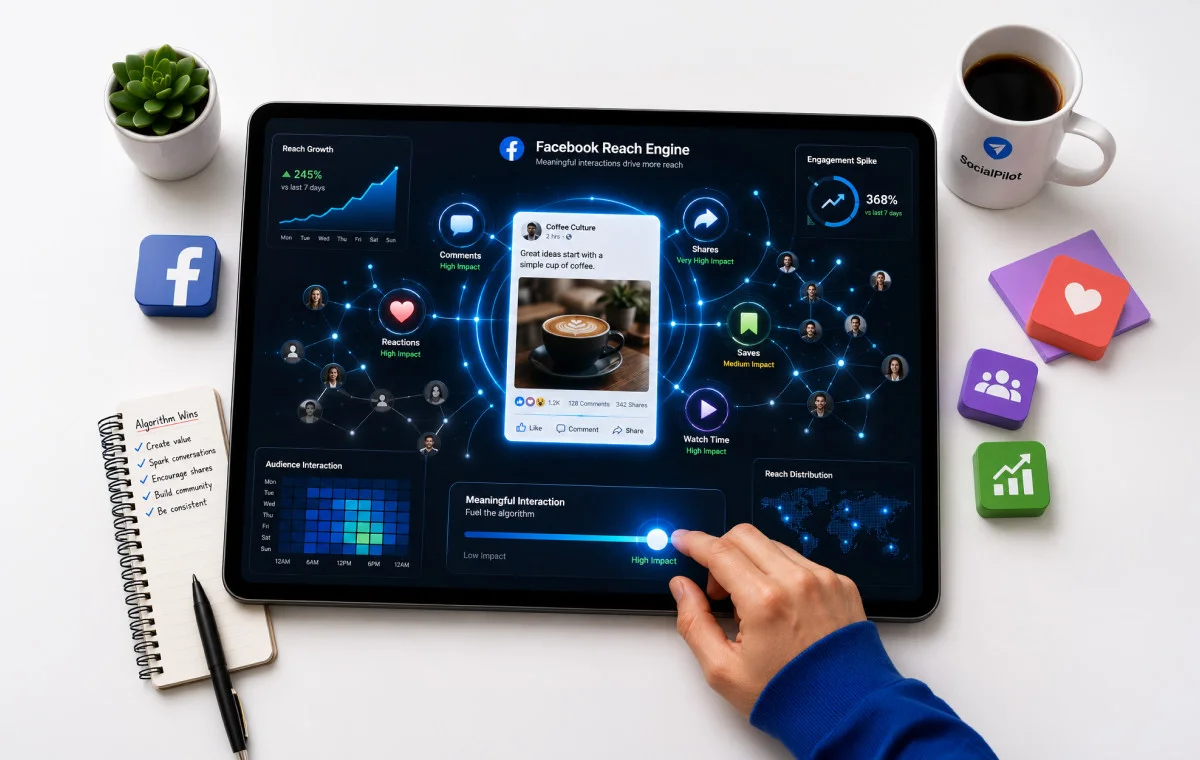
Chronology of the 2026 Algorithmic Shift
To understand how to navigate this landscape, one must look at the timeline of changes that have defined the current environment.
March 2026: The Originality Enforcement Era
Meta formalized its "Original Creator Reward Policy" in early 2026, setting a much higher bar for what constitutes "original" content. The data suggests that views and time spent on original Reels nearly doubled in the latter half of 2025. Consequently, Meta is now actively penalizing content that relies on superficial edits. If you are not present on-screen providing unique analysis or commentary, the algorithm is programmed to throttle your reach.
January 2026: The UTIS Model and User-Centric Ranking
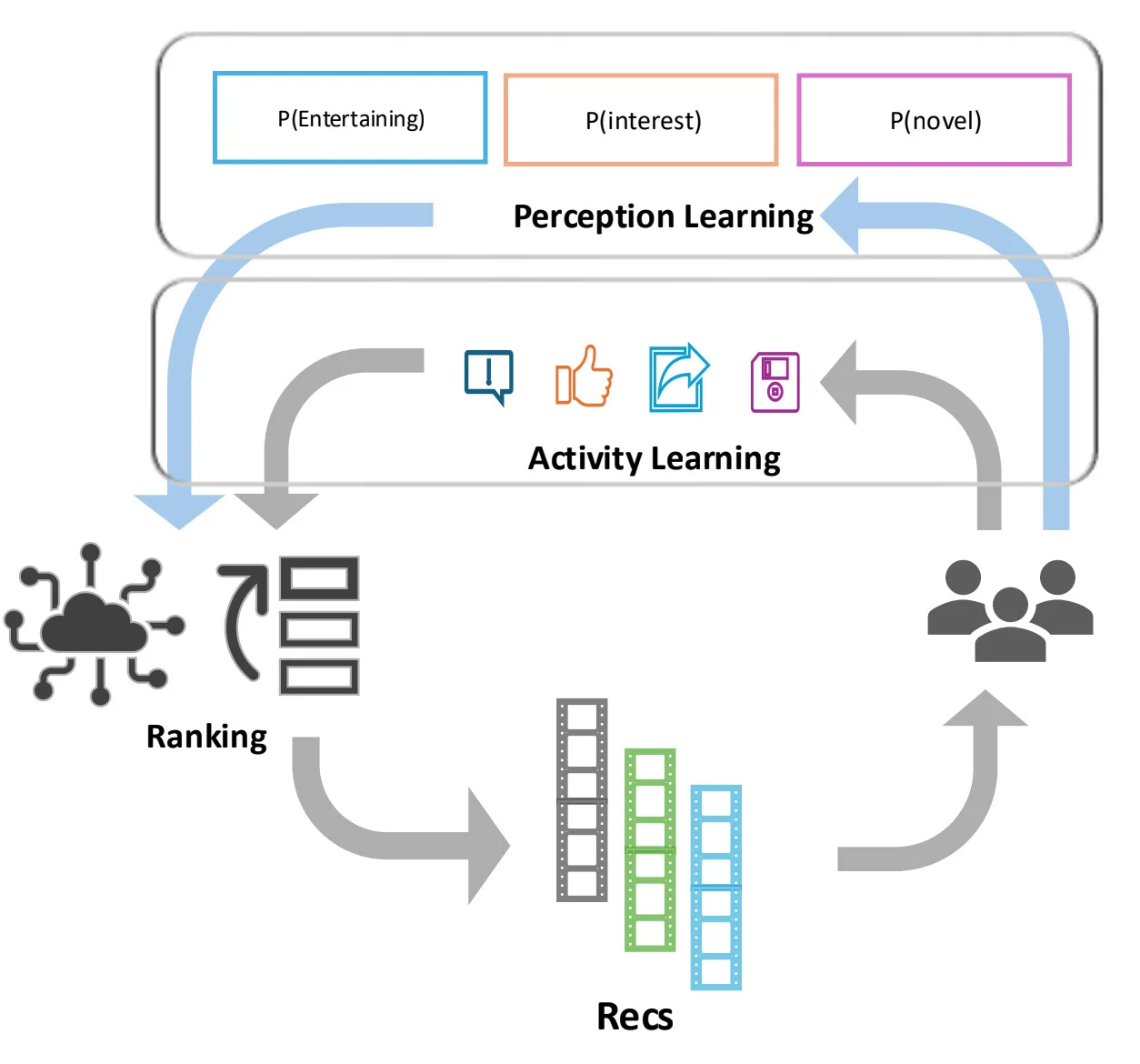
Perhaps the most significant change occurred on January 14, 2026, with the integration of the User True Interest Survey (UTIS) model. This system uses a parallel ranking layer that surveys users directly. By asking a subset of users, "How well does this video match your interests?" on a 1–5 scale, Meta is training its AI to prioritize mood, pacing, and production quality over mere topical relevance. In A/B testing with 10 million users, this model improved recommendation precision from 48.3% to 63.2%.
Q4 2025/Q1 2026: The Velocity Boost
Meta’s move to a new sequence-learning architecture resulted in a 7% lift in organic feed and video views. The system now processes significantly longer user behavior histories, meaning it understands exactly when a trend is breaking. For creators, the "same-day" publishing window has become critical; publishing a Reel while a trend is active carries significantly more algorithmic weight than posting 48 hours later.
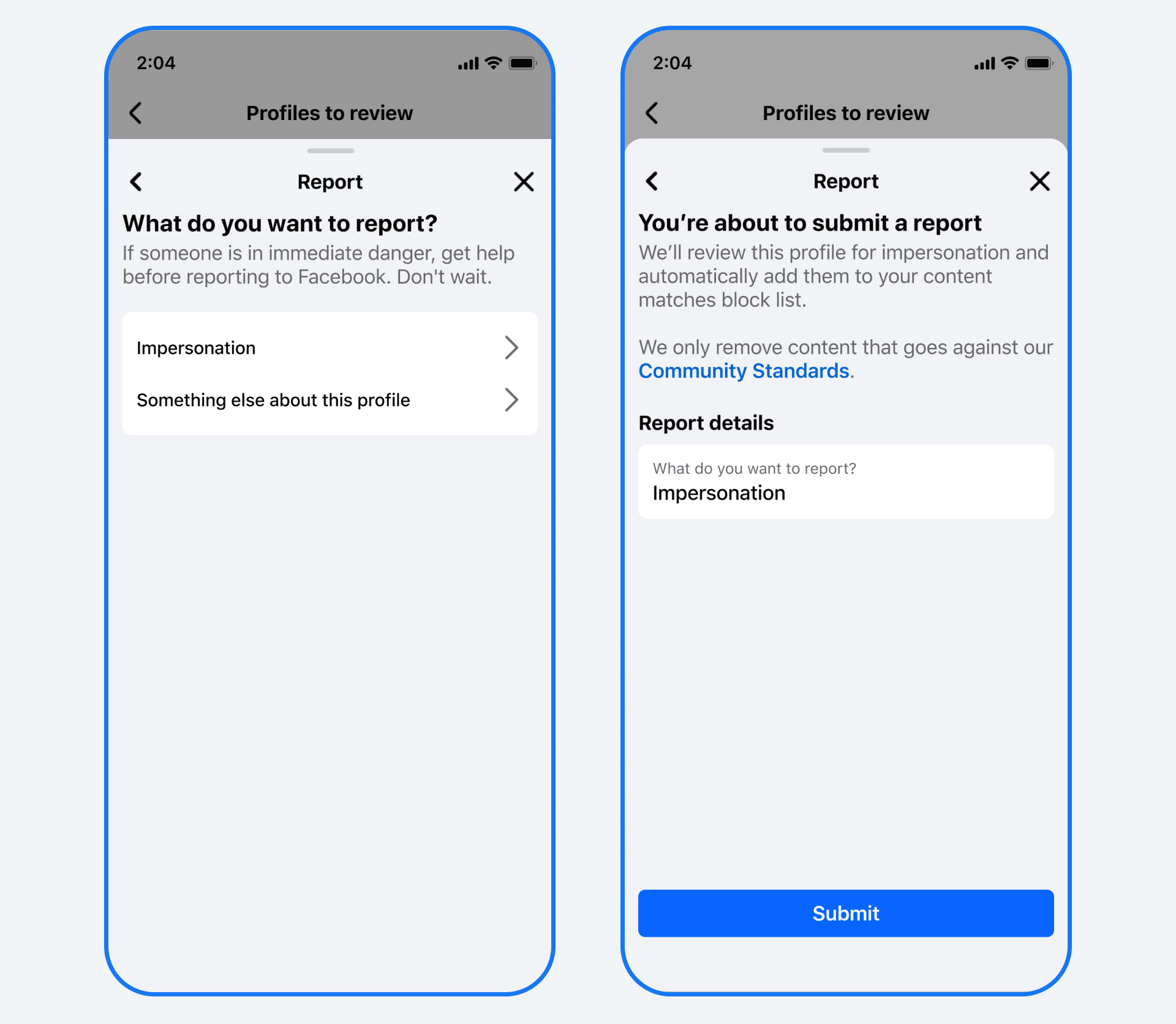
Supporting Data: Why Quality Outperforms Volume
The 2026 algorithm operates on a simple, ruthless premise: relevance beats virality. A post with 50 thoughtful, long-form comments will consistently outrank a post with 5,000 passive likes.
The Multi-Stage Distribution Funnel
Every time a user refreshes their feed, the algorithm executes a multi-stage process in milliseconds:
- Inventory: The system pulls a massive pool of potential content, including posts from accounts the user doesn’t follow.
- Initial Testing: The post is shown to a "seed" audience.
- Signal Collection: The AI tracks depth of interaction, dwell time, and sharing behavior.
- Relevance Scoring: The post is ranked based on predicted user behavior rather than vanity metrics.
- Quality Check: Real-world performance is compared against predictions. If your post beats expectations, it is pushed to a wider, non-follower audience.
Official Responses and Strategic Implications
Meta’s engineering team has been explicit: the goal is to make the feed a place where users discover things they didn’t know they wanted. This philosophy is reflected in the Andromeda update, which effectively removes the need to "hack" the algorithm. Instead, creators are encouraged to provide diverse, high-quality creative assets that clearly signal to the AI who the target audience is.
How to Optimize for the 2026 Algorithm
To succeed in this new environment, brands must pivot toward three specific "Active Signals":
- The 5-Word Rule: Comments are now weighted based on length. If a user leaves a comment with five or more words, it signals "meaningful social interaction" to the algorithm, boosting the post’s value.
- Private Shares: The most potent indicator of high-quality content is a private share via Messenger or WhatsApp. This is viewed by the AI as an "essential" endorsement.
- The 50% Retention Benchmark: For Reels, crossing the 50% retention mark halfway through the video is the key to triggering massive, organic distribution.
Avoiding Penalties: What to Stop Doing Immediately
The 2026 algorithm is equally adept at identifying "low-value" content. To avoid being shadow-banned or seeing your reach flatline, avoid the following:
- Unoriginal Re-aggregation: Merely overlaying music or subtitles on third-party clips will trigger a penalty. You must add significant value through your own voice and presence.
- Engagement Baiting: Explicitly asking for likes or comments—or using "engagement bait" language—is now easily detected by the Integrity AI and will result in significant reach reduction.
- AI Transparency Deficits: While AI-generated content is not penalized by default, failure to label photorealistic, AI-altered media will trigger visibility filters.
- Low-Quality Link Experiences: If your content directs users to slow, ad-heavy, or "spammy" landing pages, the algorithm will penalize your future reach. Speed and UX are now ranking factors.
The 72-Hour Execution Plan: A Blueprint for Growth
For marketers looking to re-establish their organic presence, a structured, cross-pollinated approach is required:
- Day 1 (The Interest Launch): Post a 15-second, high-retention Reel to establish your "Content DNA" with the Discovery Engine.
- Day 2 (The Community Anchor): Post a discussion-based question in a relevant Facebook Group. Focus on generating responses that are five words or longer.
- Day 3 (The Authority Deep-Dive): Post a 5+ slide Carousel to your feed. This optimizes for "Dwell Time," proving to the algorithm that your account produces high-value, deep-consumption content.
Conclusion: The Path Forward
The "death of Facebook" was a myth born from the frustration of marketers clinging to old strategies. In 2026, Facebook is more powerful than ever, but it is a different beast. It is no longer a passive bulletin board; it is an active, intelligent, and highly personalized recommendation engine.
Success on Facebook today requires moving away from the "spray and pray" volume approach. Instead, brands must focus on the signals that indicate true human value: meaningful dialogue, deep consumption, and genuine interest alignment. Stop chasing the algorithm, and start building content that is designed to thrive within it. The platforms of the future are not built for those who game the system, but for those who provide the most value to the user.



 Nana
Nana