Reynand Wu
The 2026 FIFA World Cup has arrived with a fervor rarely seen in the modern era, and nowhere is the tension more palpable than in the opening fixtures of Group F. As the tournament finds its rhythm, football enthusiasts are turning their gaze toward a highly anticipated collision: the Netherlands versus Japan. Set against the backdrop of the iconic AT&T Stadium in Arlington, Texas, this match represents a fascinating intersection of European tactical discipline and the rising, high-octane technical proficiency of Asian football.
The Main Facts: A Clash of Philosophies
The Netherlands, a nation synonymous with "Total Football," enters the 2026 tournament carrying the weight of history. Despite a storied legacy that includes three heart-wrenching final appearances—1974, 1978, and 2010—the Oranje have yet to hoist the trophy. Under the guidance of Dutch legend Ronald Koeman and spearheaded by the resolute leadership of captain Virgil van Dijk, the squad is under immense pressure to convert their perennial "nearly-men" reputation into a championship narrative.
Opposing them is a Japanese side that is arguably the most formidable iteration in the country’s history. Head coach Hajime Moriyasu has cultivated a culture of tactical fluidity and rapid transitions. With a roster bolstered by European-based stars such as Kaoru Mitoma, Takefusa Kubo, and Takumi Minamino, the "Samurai Blue" are no longer content with being the tournament’s plucky underdog. They are aiming to establish themselves as a global powerhouse, capable of dismantling the most established defenses in the world.
Chronology: The Road to Arlington
The road to this group-stage showdown has been a testament to the growth of both programs. The Netherlands’ qualification campaign was a masterclass in controlled dominance, utilizing their deep defensive line to stifle opponents before unleashing their creative wingers.
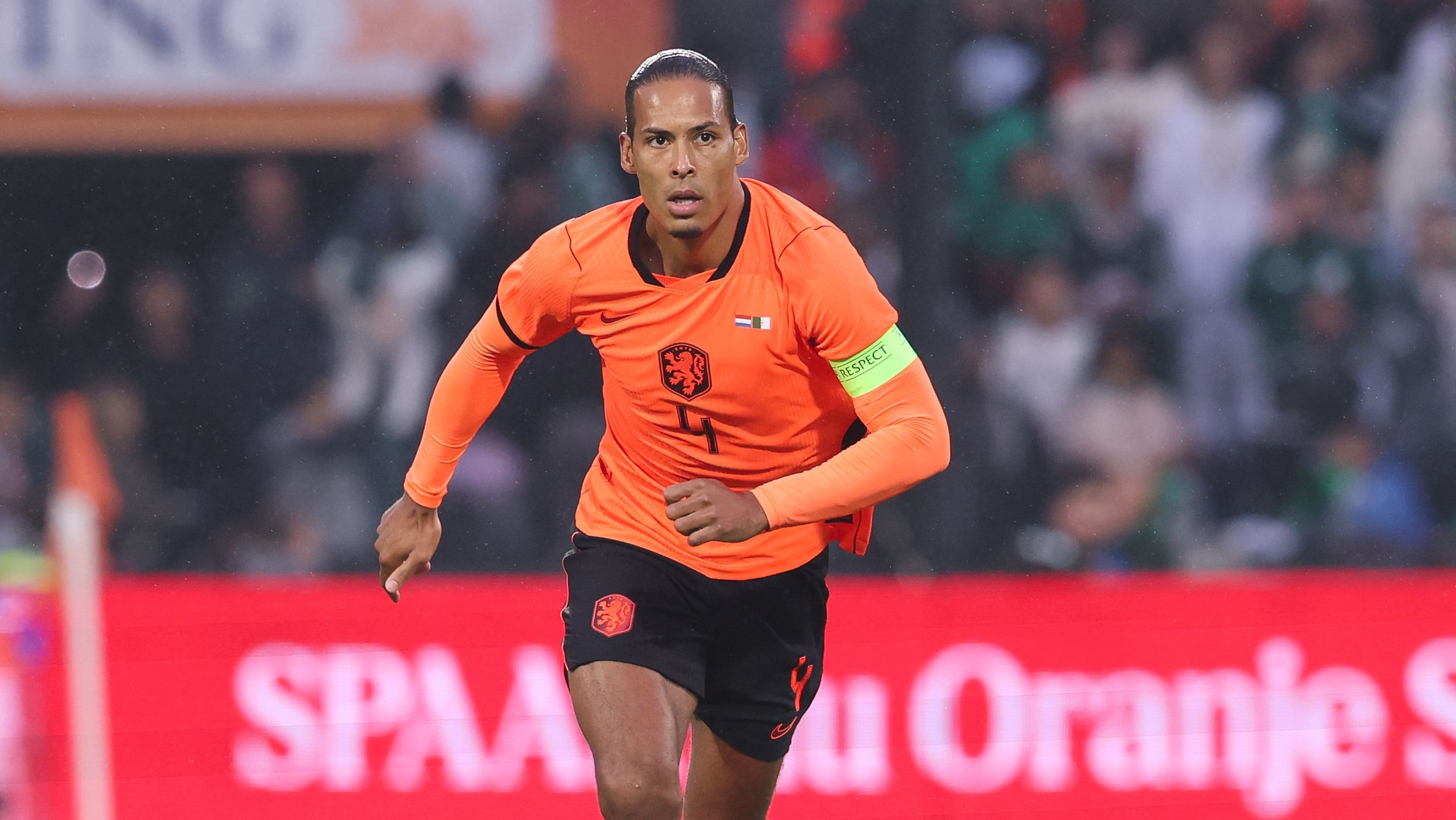
Conversely, Japan’s journey was defined by resilience. Their qualification matches showcased an uncanny ability to absorb pressure and punish opponents on the counter-attack—a style of play that serves as a direct counter-balance to the Dutch possession-based philosophy.
As the calendar turned toward the 2026 kickoff, the anticipation reached a fever pitch. The choice of AT&T Stadium as the venue—a $1.3 billion engineering marvel capable of seating over 80,000 spectators—signifies the magnitude of this encounter. The retractable roof and the sheer scale of the Dallas Cowboys’ home turf will provide a gladiatorial arena for what promises to be one of the most technical games of the group stages.
Supporting Data: By the Numbers
To understand the complexity of this match, one must look at the metrics defining these two squads. The Netherlands typically averages upwards of 60% possession in competitive fixtures, relying on the passing range of Virgil van Dijk and the mid-field orchestrations of their creative core. However, their reliance on possession can sometimes leave them vulnerable to high-speed transitions—a weakness Japan is perfectly designed to exploit.
Japan, meanwhile, has statistically outperformed their opponents in transition speed. Data from recent international windows shows that Japan’s average "time to shot" after a turnover is among the lowest in the world. With Kaoru Mitoma’s ability to manipulate defensive structures on the left flank, Japan will likely force the Dutch fullbacks to remain disciplined, effectively pinning them deep in their own half.

Official Responses and Tactical Outlook
In the lead-up to the match, the tone from both camps has been one of mutual respect underscored by intense competitive drive.
"We are well aware of the technical prowess Japan brings to the pitch," noted Ronald Koeman in a recent press conference. "They are a side that requires total focus for 90 minutes. We have been working on our defensive transitions to ensure we aren’t caught off guard by their pace."
Hajime Moriyasu remained characteristically measured, telling reporters, "The Netherlands are a team with a profound history and world-class individual talent. But we believe in our system. We are not here to participate; we are here to compete at the highest level of the game. Our goal is to dictate the tempo, regardless of the opponent."
The tactical battle will likely be won or lost in the central midfield. If the Dutch can successfully anchor the center, they will starve Japan of the service required to reach their dangerous wingers. If, however, Japan’s engine room can win the second balls and distribute wide quickly, the Netherlands’ defensive line will face a long, grueling afternoon.

Implications for Group F
Group F is widely considered one of the "groups of death" in the 2026 format, and the result of this opening match will have massive downstream implications. A win for the Netherlands would solidify their status as tournament favorites and provide them with the momentum needed to navigate the latter stages. For Japan, a victory would send a seismic shock through the international football community, potentially setting them up for a top-of-the-group finish and a more favorable path in the Round of 16.
Moreover, this match serves as a barometer for the current state of world football. It highlights the closing gap between the traditional European elite and the rapidly developing Asian confederation. A high-scoring draw or a closely fought 1-0 result would serve as a ringing endorsement for the quality of the game in both regions.
How to Follow the Action
For fans eager to catch this historic clash, access depends on your geographic location, though there are numerous ways to ensure you don’t miss a second of the action.
Official Broadcasts
- United States: The game will be broadcast live on Fox. Fans can access this via major cable providers or streaming services such as YouTube TV, Hulu + Live TV, Sling, Fubo, or DirecTV Stream. For a more streamlined option, the new Fox One streaming service provides comprehensive coverage of the entire tournament.
- United Kingdom: Fans in the U.K. can catch the live action on ITV. Please ensure you have a valid TV license, as per local regulations.
- Canada: Broadcast rights are held by TSN and CTV. Fans can subscribe to TSN+ to ensure access to every game of the 2026 World Cup.
- Australia: The tournament is being broadcast on free-to-air television via SBS. Viewers can access the stream through SBS On Demand.
Overcoming Regional Restrictions
If you find yourself traveling abroad during the tournament, you may encounter regional streaming restrictions that prevent access to your home broadcast. A reliable VPN (Virtual Private Network) is the standard solution for sports enthusiasts in this position. By connecting to a server in your home country, a VPN allows you to mask your location and view your local, authorized sports coverage as if you were sitting in your own living room.

Note: When choosing a service, ensure you prioritize security and speed, as high-definition live sports require a stable, low-latency connection.
Conclusion: A Defining Moment
As the whistle blows at AT&T Stadium, the world will be watching. This isn’t just a match between two nations; it is a clash of legacies and ambitions. Whether the Netherlands can finally silence their critics and secure a long-awaited path to glory, or if Japan can redefine their global standing, the 90 minutes in Arlington are destined to be etched into the history of the 2026 FIFA World Cup.
Football, at its core, is a game of narratives, and as the players line up on the pitch in Texas, the narrative of this tournament begins in earnest. Prepare for a display of tactical brilliance, individual flair, and the unyielding passion that only the World Cup can provide.
Disclaimer: We test and review VPN services in the context of legal, recreational use, such as accessing home-region content while traveling or enhancing online privacy. We do not support or condone the use of VPN services for illegal activities. Please consult the terms and conditions of your specific streaming provider.


 Asro
Asro
 Rifan Muazin