Sagoh
Sagoh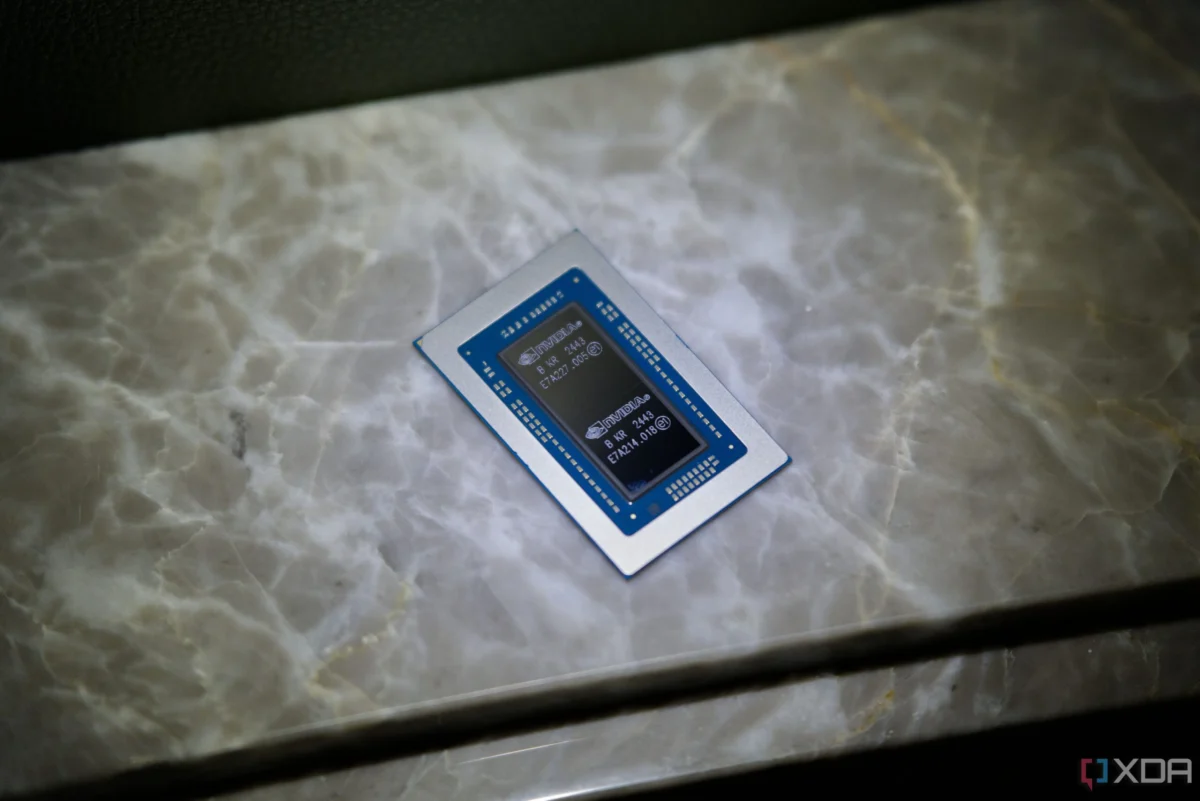
At Computex 2026 in Taipei, Nvidia finally pulled back the curtain on the RTX Spark, a platform that CEO Jensen Huang boldly claims will "reinvent the personal computer." While the industry has been buzzing about the transition to Arm-based Windows machines, the RTX Spark represents a unique confluence of datacenter-grade silicon and consumer-focused versatility. By porting the proven GB10 architecture—previously reserved for high-end AI workstations—into a consumer-facing Windows package, Nvidia is attempting to bridge the gap between high-performance computing and the daily requirements of the modern PC user.
Main Facts: The Architecture Behind the Spark
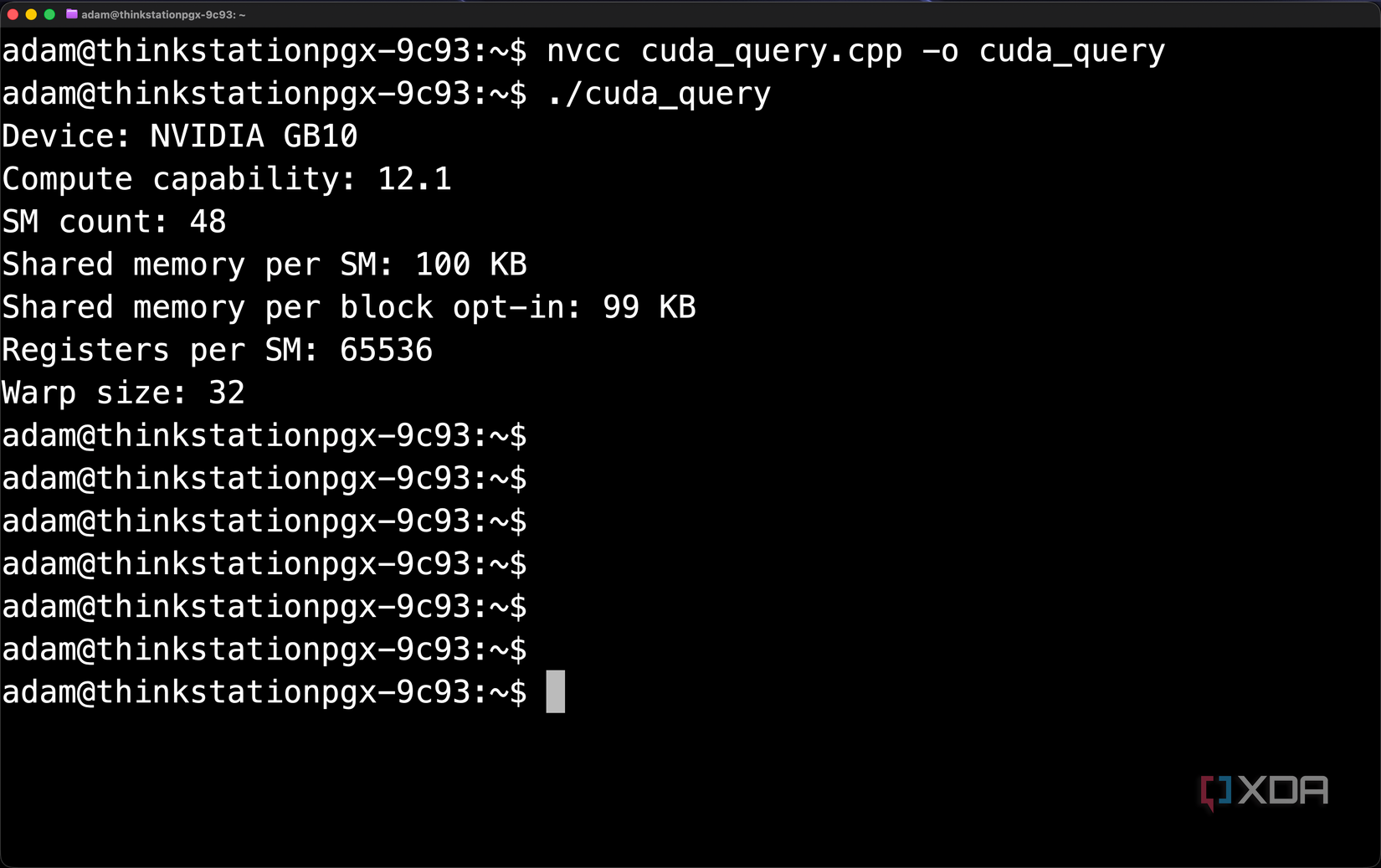
At its core, the RTX Spark is not an entirely new invention, but rather a strategic repackaging of Nvidia’s GB10/N1 silicon. The hardware configuration is formidable: a 20-core Arm-based CPU co-engineered with MediaTek, paired with a Blackwell-class GPU featuring 6,144 CUDA cores. This setup mirrors the performance profile of the desktop RTX 5070, bolstered by 192 fifth-generation Tensor Cores and 48 fourth-generation RT cores.
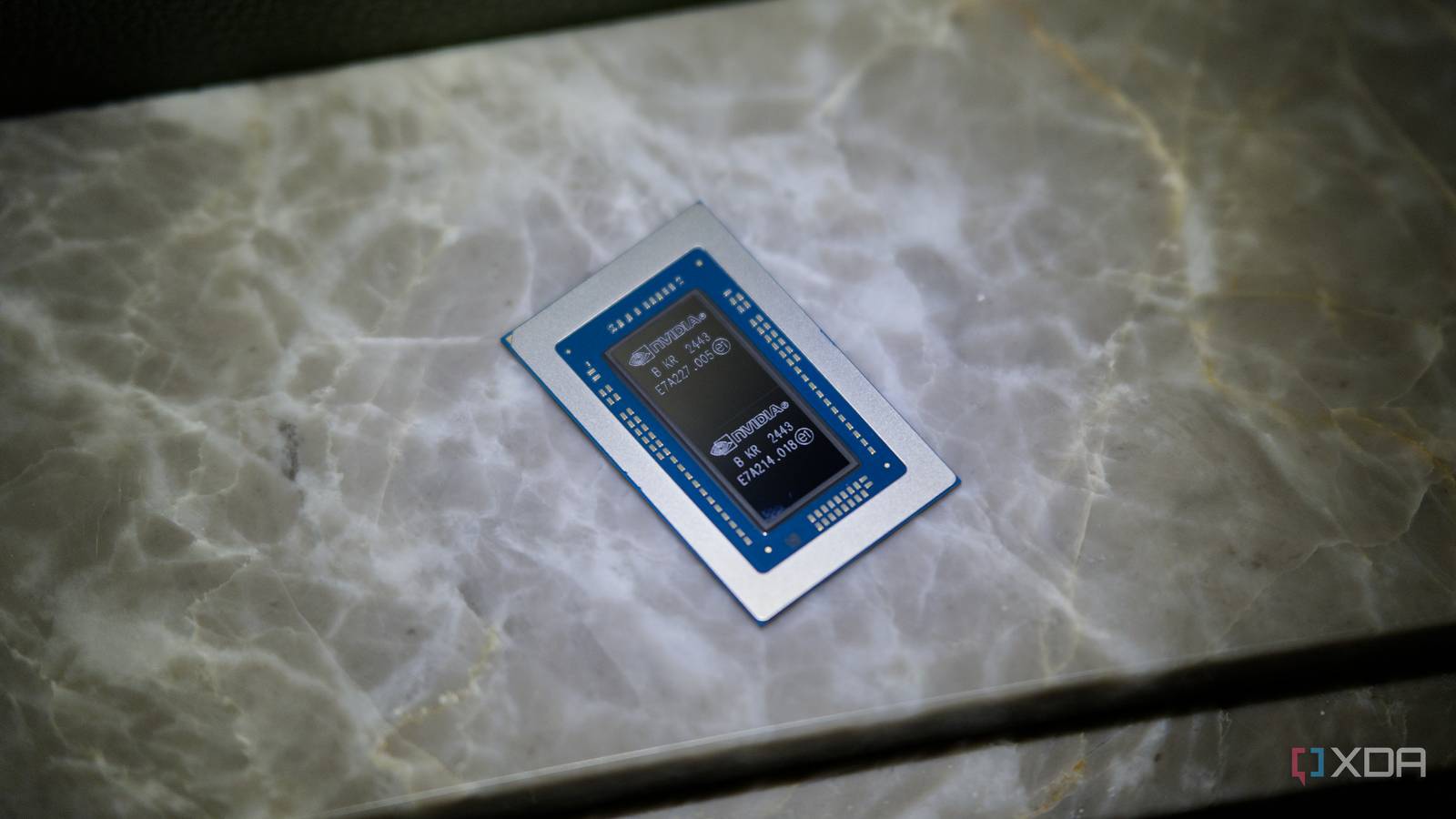
Perhaps most impressive is the memory architecture. The platform supports up to 128GB of LPDDR5X unified memory on a 256-bit bus, delivering a sustained bandwidth of 273 GB/s. Unlike the enterprise-focused DGX Spark, which prioritized massive distributed networking capabilities, the consumer-facing RTX Spark swaps expensive dual QSFP ports for Wi-Fi 7 and 10Gb Ethernet, signaling its intent to dominate the high-end home and office market.
A Chronology of the GB10’s Evolution
The journey of the GB10 from a niche AI workstation component to a mainstream consumer powerhouse has been rapid:

- Mid-2025 (Hot Chips): Nvidia unveils the GB10 "Superchip," touting its raw compute capabilities and potential for AI fine-tuning. Initial demos show the chip running at an overclocked 300 GB/s memory bandwidth.
- Late 2025 (DGX Spark Release): The hardware enters the market in the form of the Lenovo ThinkStation PGX and other OEM workstations running DGX OS (a Linux-based environment).
- Early 2026: Enthusiasts and developers begin experimenting with the PGX, using emulation layers like FEX-Emu to run x86-64 Windows games on the Arm-based Linux platform.
- June 2026 (Computex): Nvidia officially announces the RTX Spark for Windows, confirming its compatibility with Microsoft’s Prism emulator and native Windows-on-Arm applications.
Supporting Data: Real-World Gaming Performance
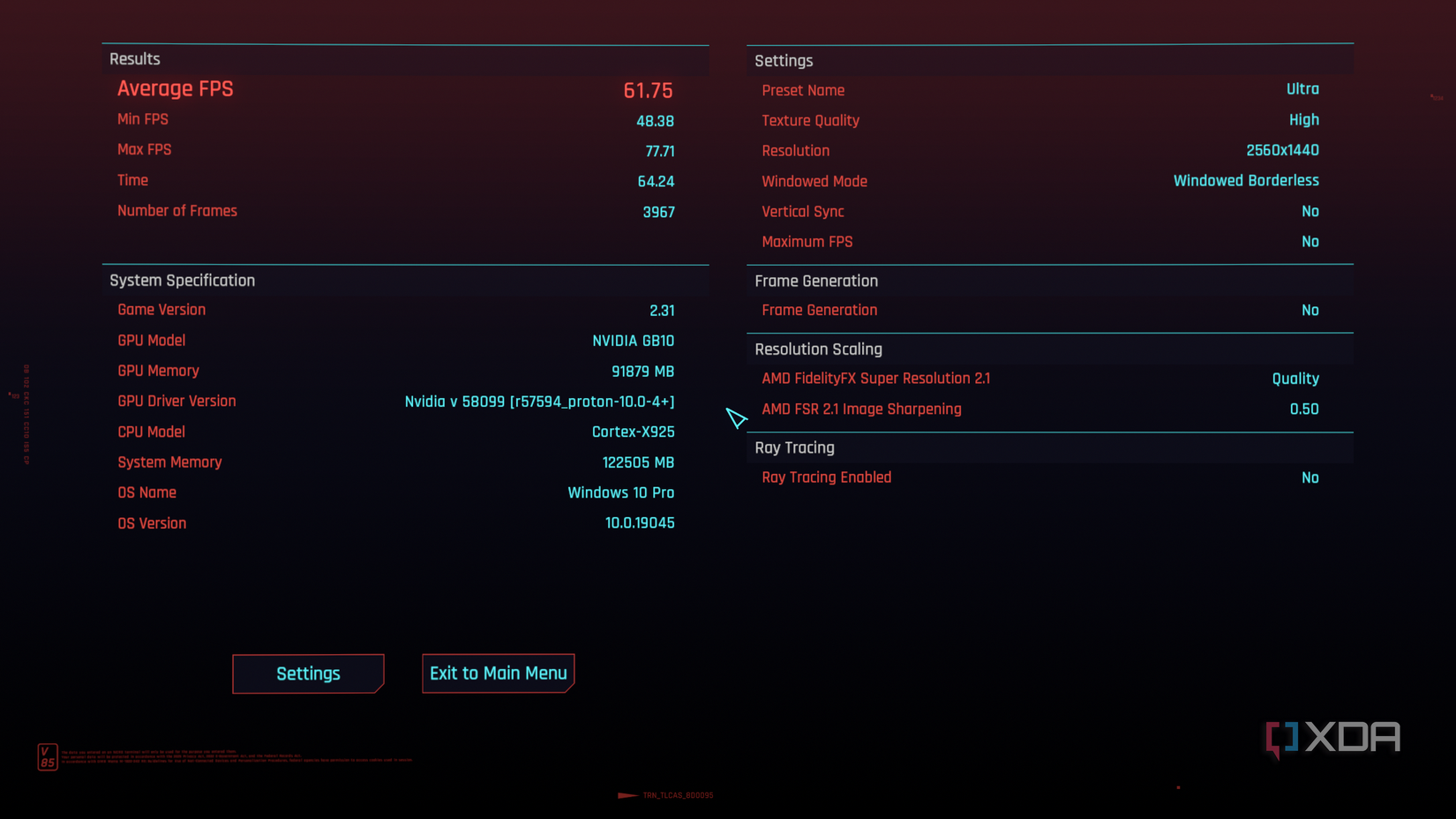
One of the most surprising revelations regarding the RTX Spark is its gaming potential. Testing performed on the GB10 architecture—even when forced to operate through two layers of translation (FEX-Emu and Linux/Vulkan)—has yielded results that challenge existing perceptions of Arm-based gaming.
In controlled tests, the system achieved:
- Cyberpunk 2077: A consistent 60 FPS at 1440p with maxed settings.
- Counter-Strike 2: An average of 117 FPS, demonstrating the chip’s capability in CPU-sensitive, high-refresh-rate environments.
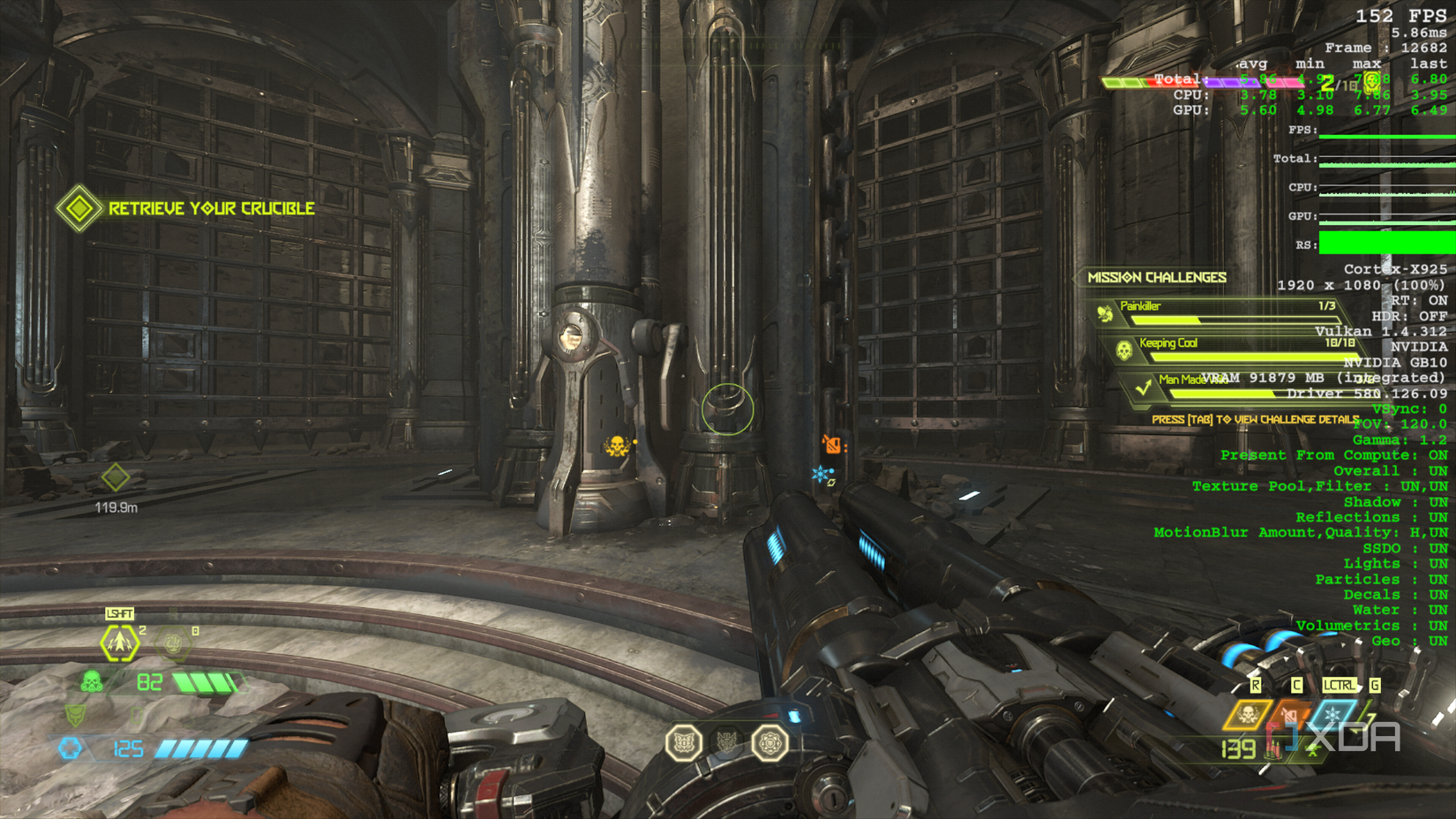
- DOOM Eternal: Exceptional performance between 140 and 170 FPS, showcasing the optimization potential of the underlying architecture.
Crucially, the power efficiency is staggering. The GB10 SoC is rated at a 140W combined TDP for the CPU and GPU. For context, a discrete desktop RTX 5070 often consumes 250W for the GPU alone. By integrating the entire platform into a low-power, high-efficiency package, Nvidia has demonstrated that high-fidelity gaming no longer requires a power-hungry furnace. However, it is vital to note that these tests were conducted on a desktop-class workstation; laptop SKUs, which are expected to run within a 45W to 80W envelope, will likely face more aggressive thermal and power constraints.
Official Responses and Strategic Positioning
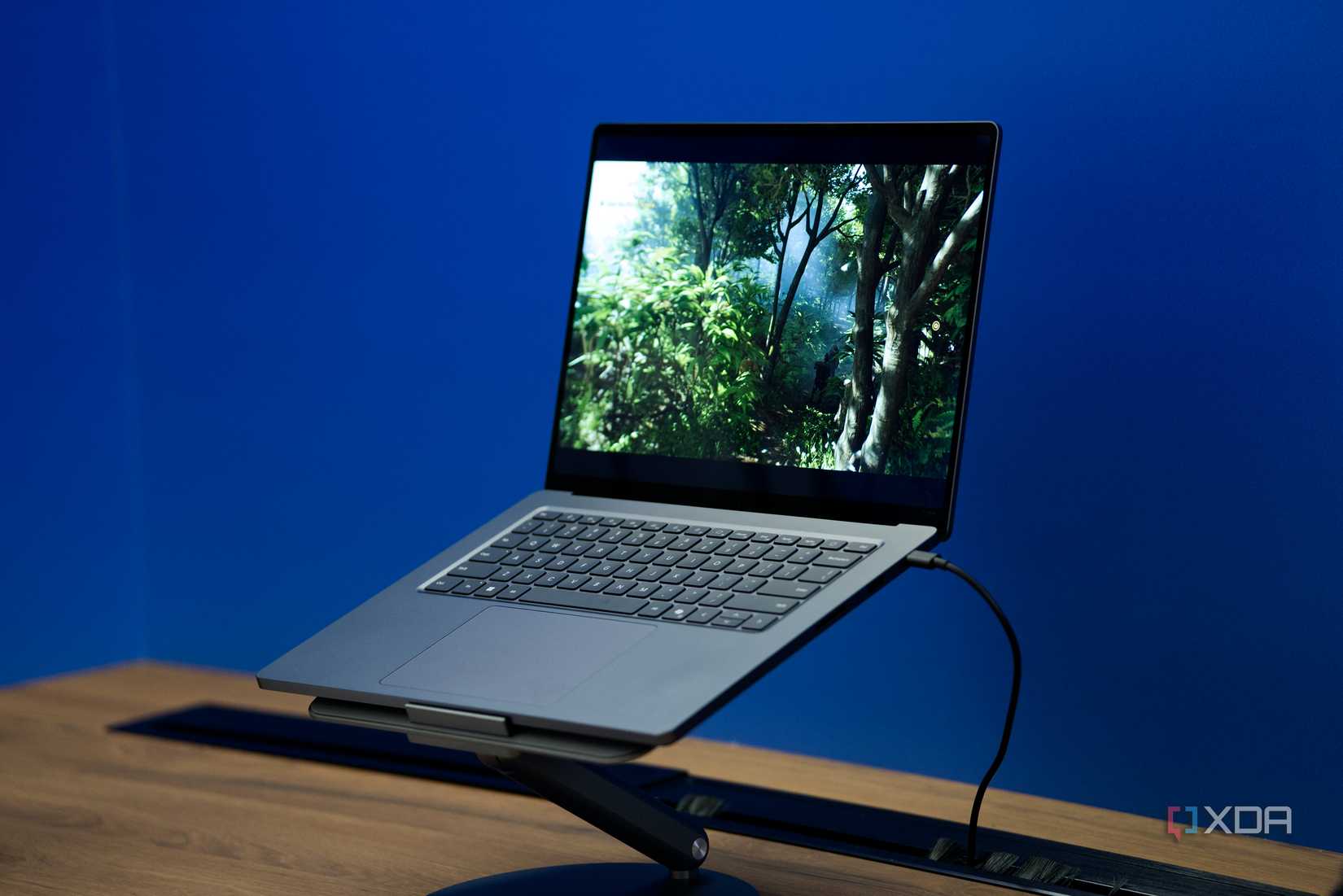
A curious trend emerged at Computex: despite the impressive gaming benchmarks, not a single OEM marketed their RTX Spark machines as "gaming laptops." Instead, companies like ASUS (ProArt), Dell (XPS), HP (OmniBook), and Lenovo (Yoga) leaned heavily into "creator" and "productivity" branding.
Industry analysts suggest two primary reasons for this cautious branding strategy:
- Software Maturity: Emulation layers and anti-cheat software (such as Riot’s Vanguard or Easy Anti-Cheat) are still evolving for the Windows-on-Arm environment. OEMs are wary of associating their premier gaming brands with hardware that might face compatibility hurdles in the early stages of the product lifecycle.
- Market Segmentation: With an expected entry price starting well above $3,000, the target demographic for the first wave of RTX Spark devices is firmly established as AI developers and power users, rather than the average consumer or budget gamer.
Nvidia’s official stance remains focused on "Game Ready" performance, but the company has been careful to manage expectations regarding launch-day compatibility, emphasizing that they are working closely with game developers to ensure that DRM and anti-cheat stacks function seamlessly under the Prism emulation environment.
Implications: The Future of the PC
The arrival of the RTX Spark signals a pivotal moment for the Windows ecosystem. For years, Apple’s M-series chips have held a monopoly on efficient, high-performance Arm computing. The RTX Spark is Nvidia’s direct response, leveraging its dominant position in AI and graphics to create a platform that doesn’t just "run" Windows, but accelerates it.
The Translation Hurdle
The transition to Arm is not without its risks. Because nearly the entire library of existing PC games is compiled for x86 architecture, every RTX Spark system relies on Microsoft’s Prism emulator. While Prism is highly optimized, the "translation penalty"—the computational overhead required to convert instructions—is a constant factor.
Interestingly, the RTX Spark does not appear to utilize hardware-level assistance for x86 translation (such as Apple’s proprietary memory-ordering tricks). Instead, it relies on the raw, brute-force speed of its Arm cores and the efficiency of the GPU stack. While this is sufficient for many titles, performance in heavily CPU-bound scenarios will remain a point of comparison against native x86 platforms like AMD’s Strix Halo.
The Long-Term Outlook
As the RTX Spark matures, its success will hinge on three factors:
- Software Ecosystem: The speed at which game developers recompile their titles for native Arm64 will dictate the long-term viability of the platform.
- Price Accessibility: To move beyond the niche "workstation" category, Nvidia and its partners must find ways to lower the barrier to entry without sacrificing the unified memory pool that makes the chip so powerful.
- Linux Support: While Nvidia has not officially committed to Linux support for the consumer RTX Spark, the platform’s lineage suggests that power users will inevitably find a way to unlock its full potential outside of Windows, creating a vibrant, if unofficial, ecosystem.
In conclusion, the RTX Spark is a technical marvel that proves high-end gaming is not only possible on Arm but potentially more efficient than the x86 status quo. Whether it can overcome the inertia of established consumer habits and software compatibility remains to be seen, but the trajectory is clear: the era of the high-performance Arm PC has officially arrived, and it is powered by the same silicon that is currently shaping the future of global AI infrastructure.


 Jia Lissa
 Asro
Asro