Azzam Bilal Chamdy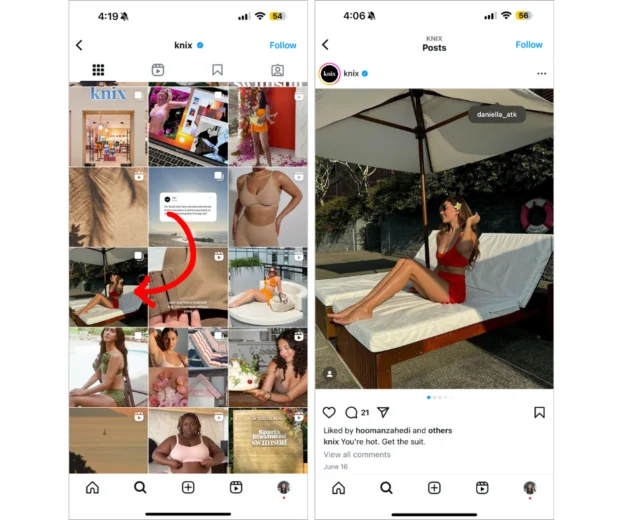
In the hyper-competitive digital landscape of 2026, the traditional marketing funnel—once a predictable path from awareness to conversion—has been upended. Modern consumers are increasingly skeptical of polished, corporate-led advertising. With 34% of users identifying "self-promotion" as a primary reason for disengaging with brands, companies are pivoting toward a more authentic growth lever: Customer Advocacy.

By shifting the focus from broadcasting messages to nurturing the voices of satisfied customers, brands are discovering that their most powerful marketing asset is not a paid campaign, but the genuine recommendation of a peer. Central to this transformation is social listening, a strategic practice that has evolved into a $10.91 billion market, serving as the connective tissue between a brand’s output and its customers’ real-world sentiment.

The Foundation: Defining Customer Advocacy
Customer advocacy is the deliberate process of fostering deep-rooted relationships with your most loyal users to transform them into voluntary brand ambassadors.
It is vital to distinguish between two interconnected concepts:

- Customer Advocacy: The internal strategic efforts a brand takes to prioritize and champion the needs of its audience.
- Brand Advocacy: The external, organic result where those customers, feeling heard and valued, champion the brand to their own networks.
In 2026, the economics of this shift are undeniable. Acquiring a new customer has become exponentially more expensive than retaining an existing one. Advocates, however, provide a "double-win": they reduce acquisition costs by acting as free, highly credible conduits for new business, and they increase lifetime value through sustained brand loyalty.
The Strategic Role of Social Listening
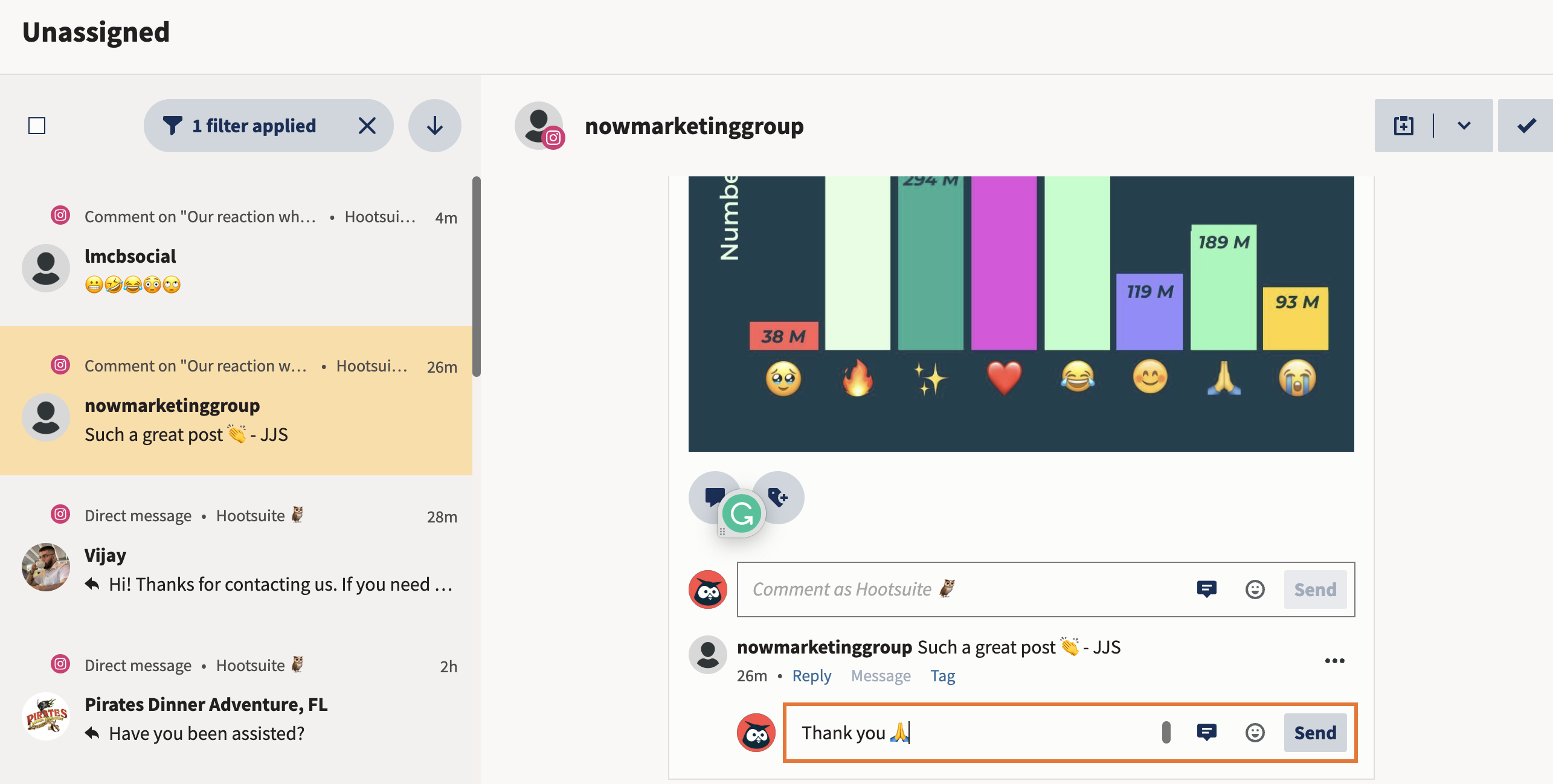
Social listening is not merely about tracking mentions; it is the practice of analyzing the "why" behind the data. While social monitoring focuses on tactical responses to individual comments, social listening offers the strategic foresight needed to understand broader market sentiment and industry trends.
The Critical Distinction
| Feature | Social Listening | Social Monitoring |
|---|---|---|
| Primary Focus | Trends, sentiment, and patterns | Individual mentions and alerts |
| Scope | Industry, competitors, and audience | Your brand specifically |
| Output | Strategic business intelligence | Tactical, real-time responses |
| Advocacy Role | Identifies the drivers of loyalty | Catches opportunities for engagement |
The Seven Pillars of Advocacy Through Listening
To harness the power of community, brands must integrate listening into their operational DNA. Here is how social listening directly translates into increased advocacy:

1. Surfacing Actionable Insights
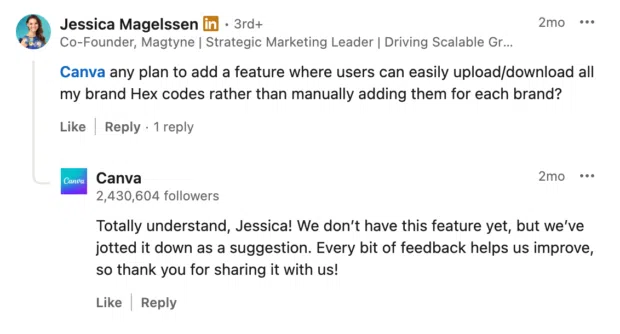
Audience feedback is often hidden in plain sight. By analyzing what customers say—from feature requests to recurring pain points—brands can refine their product roadmaps. When companies like Canva publicly acknowledge user feedback, they demonstrate that they are listening, which builds immediate, profound trust.

2. Identifying Brand Advocates
Social listening tools act as a filter, surfacing the most consistent and vocal supporters of your brand. Whether it’s a TikTok creator highlighting a product or an X (Twitter) user engaging in a technical discussion, these individuals are your future partners. Engaging them early creates a sense of belonging, turning them from casual users into lifelong fans.

3. Amplifying User-Generated Content (UGC)
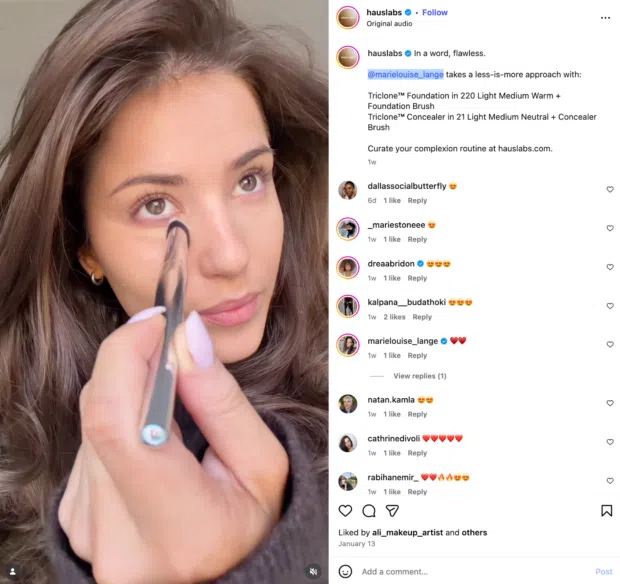
UGC carries a level of authenticity that traditional ads cannot replicate. By identifying high-quality organic content—like that seen on the feeds of brands like Haus Labs—and requesting permission to reshare it, brands provide social proof that potential buyers find inherently trustworthy.

4. Closing the Feedback Loop
Handling a complaint publicly is often a greater opportunity for advocacy than receiving a positive review. A structured, transparent response that acknowledges the issue, offers a resolution, and follows up shows prospects that the brand stands behind its product, humanizing the corporate entity.

5. Building Customer-Centric Strategies
Data from listening platforms allows companies like Slack to involve customers in product development. By creating beta programs based on user requests, brands shift from "selling to" to "building with" their customers.
6. Competitive Benchmarking
Understanding how your rivals are failing is the fastest way to gain market share. If competitors are facing backlash for poor support, your brand can lean into its own strengths, filling the gap and capturing disillusioned customers who are seeking a better experience.
7. Monitoring Sentiment Shifts
Real-time sentiment analysis provides an early warning system. Whether sentiment is nosediving or spiking, data-backed insights allow leadership to react with speed and precision, protecting brand equity during crises and capitalizing on momentum during successful campaigns.
Implementation: A Four-Step Framework
For organizations looking to operationalize these insights, a systematic approach is essential:
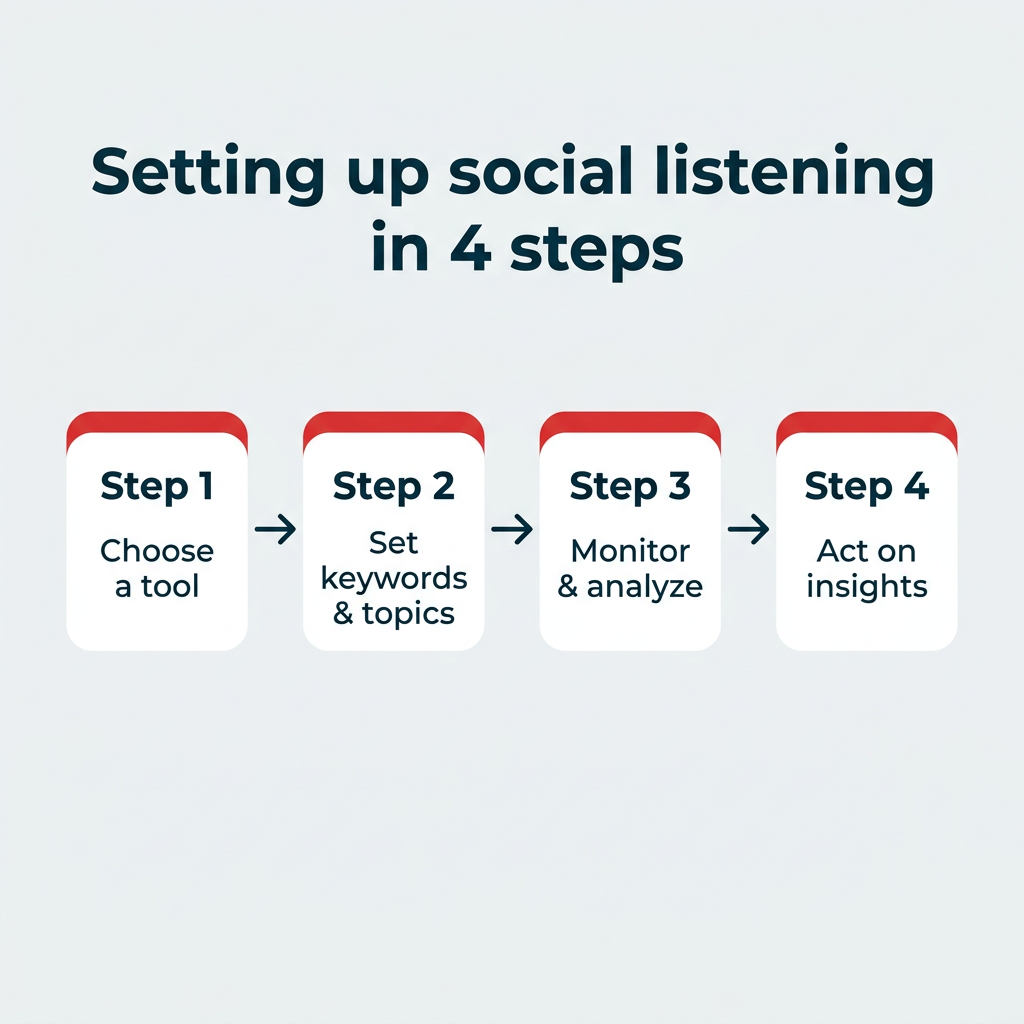
- Tool Selection: Choose a platform (such as Hootsuite Listening) that offers robust sentiment analysis, competitor tracking, and platform-wide integration.
- Keyword Strategy: Define a broad set of trackers, including brand names, product variations, industry buzzwords, and campaign hashtags.
- Data Analysis: Use "Quick Search" capabilities to identify peak conversation times, top influencers, and recurring emotional trends.
- Actionable Execution: Translate insights into concrete tasks. If data shows a demand for a specific feature, push it to product teams. If it shows high praise for a specific user, invite them to an ambassador program.
Measuring Success: Key Performance Indicators
To justify investment to the C-suite, advocacy must be quantified. Metrics to track include:

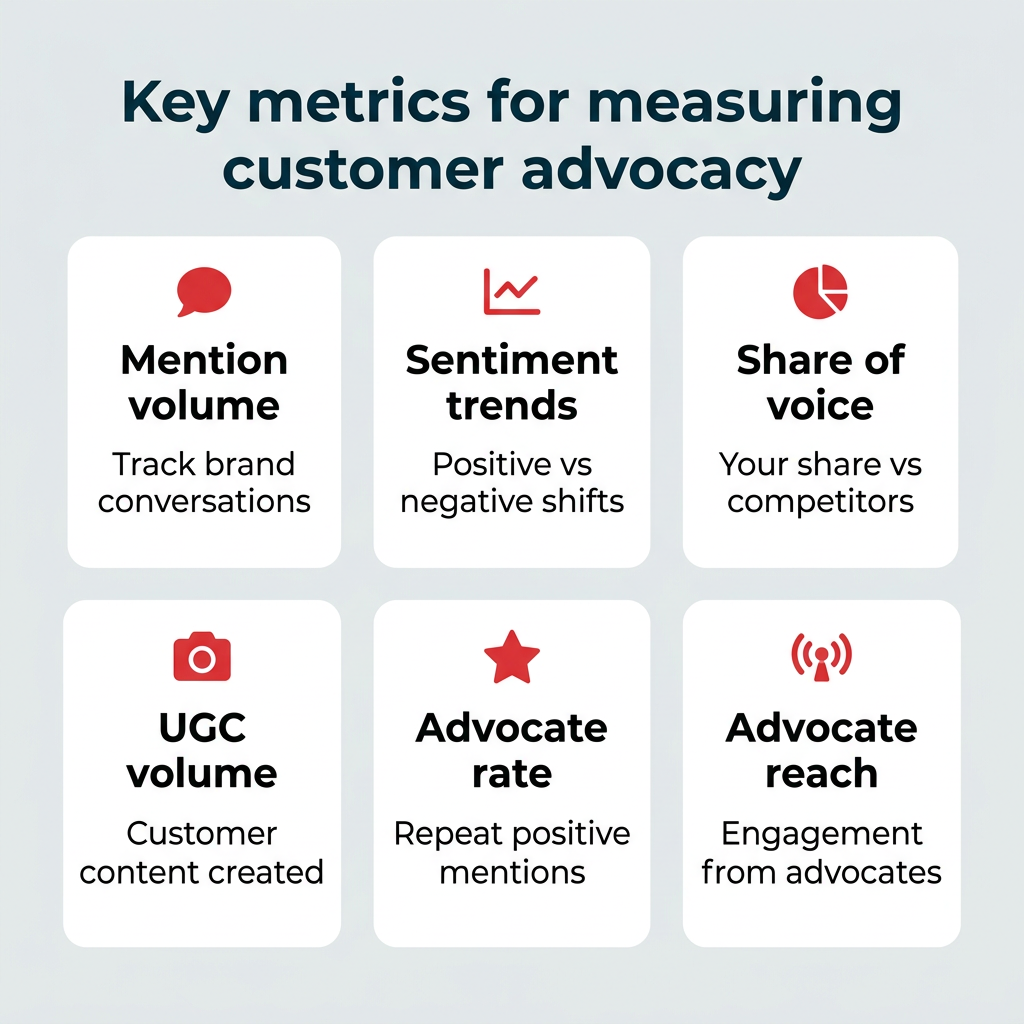
- Share of Voice (SOV): How often your brand is discussed compared to competitors.
- Net Sentiment Score: The ratio of positive to negative conversations over time.
- UGC Volume: The growth of organic mentions created by your customers.
- Advocate Engagement Rate: How often your identified "super-fans" interact with your content.
Case Studies in Action
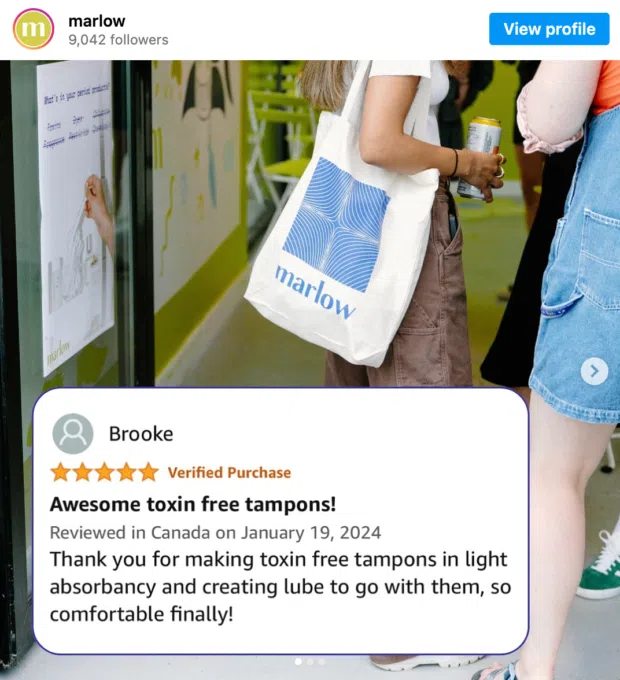
- Marlow: When industry-wide concerns about product safety emerged, the menstrual brand used social listening to pivot the conversation, using 5-star reviews to provide immediate, trust-based reassurance.
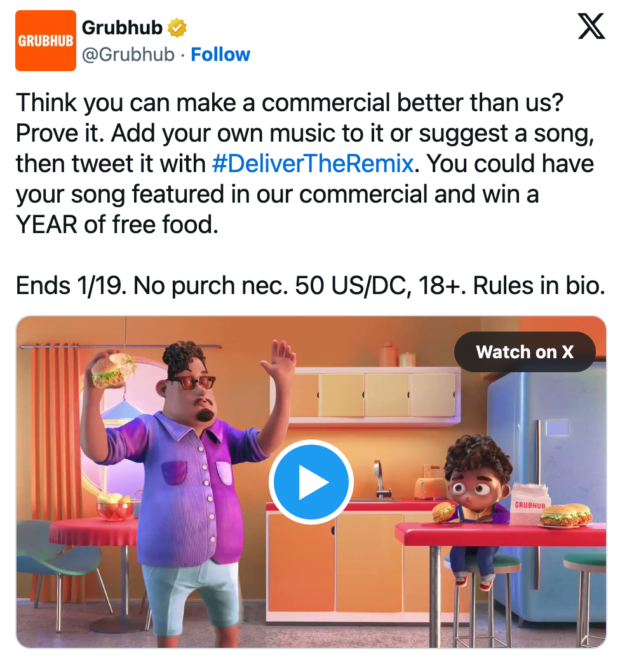
- Grubhub: By monitoring meme culture, the brand identified its own "Delivery Dance" becoming a viral sensation and leaned into it with the #DeliverTheRemix contest, turning a humorous moment into a massive engagement campaign.
- HelloFresh: Through advanced social listening, the meal-kit provider increased its identifiable brand mentions by 400%, ensuring no customer query went unanswered.
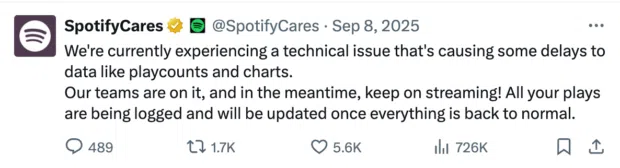
- Spotify: Their "Spotify Cares" strategy demonstrates how dedicated monitoring of both tagged and untagged mentions allows for a seamless, support-first customer experience.
- Cargolux: By monitoring the global conversation surrounding a logistical mission involving marine life, the airline was able to control the narrative, providing timely updates that fostered massive public goodwill.
Implications for the Future
The integration of social listening and customer advocacy is no longer optional—it is a requirement for survival. In 2026, the brands that thrive are those that view their social channels not as a megaphone, but as a meeting room.
By treating every mention, complaint, and share as a data point, companies can move beyond guessing what their customers want. Instead, they can build a resilient, advocacy-driven business model that turns the "social" in social media into the most profitable part of their organization. When you stop broadcasting and start listening, you don’t just build a brand; you build a movement.


 Nana Wu
 Nana
Nana