

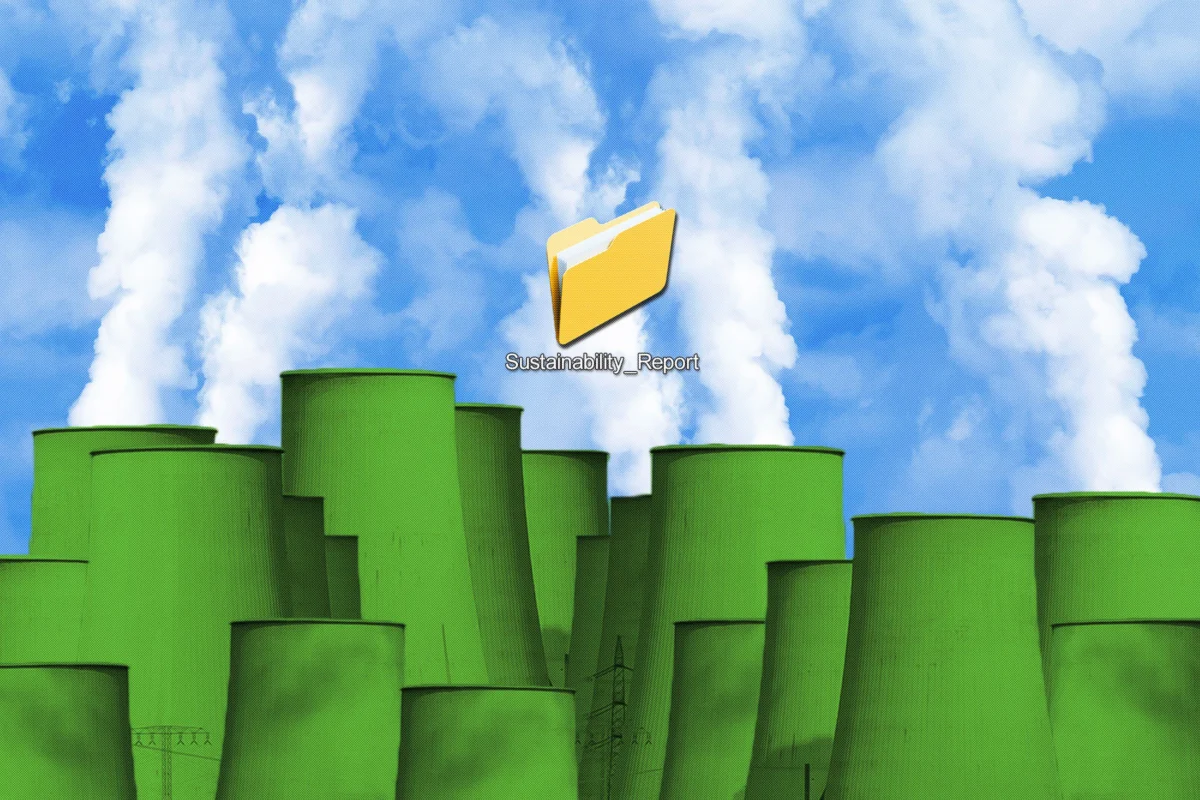
The rapid ascent of generative artificial intelligence has triggered a massive industrial land grab, as tech giants scramble to build the sprawling data centers necessary to train and host increasingly powerful large language models. However, this race for computing dominance has come with a steep environmental price tag. According to a new sustainability report released this Thursday, Microsoft saw its greenhouse gas emissions surge by approximately 25 percent over the past fiscal year—a stark reminder that the “green” transition of the digital economy is proving to be far more carbon-intensive than previously anticipated.
Microsoft’s disclosure arrives on the heels of similar reports from industry peers Google and Amazon, painting a picture of an industry grappling with a significant internal contradiction: how to reconcile aggressive, power-hungry infrastructure expansion with publicly stated, ambitious net-zero climate goals.
The Cost of the Compute Race: A Statistical Breakdown
The fundamental driver of this emissions spike is the massive electricity demand required to power the specialized hardware—specifically high-end AI chips like those produced by NVIDIA—that populate the modern data center.
The Scope 2 Conundrum
In their joint blog post accompanying the report, Microsoft vice chair Brad Smith and chief sustainability officer Melanie Nakagawa explicitly attributed the emissions increase to the “expansion of our datacenter infrastructure.” A critical component of this surge involves Scope 2 emissions, which account for the greenhouse gases generated by the energy Microsoft purchases to keep its global network of servers running. These emissions now account for 13 percent of the company’s total carbon footprint, a figure that is expected to climb as more AI capacity comes online.
Industry-Wide Trends
Microsoft is not alone in this trajectory. The environmental impact of the AI boom is systemic:
- Google: Recently reported an 18 percent increase in annual greenhouse gas emissions compared to 2024, marking the largest single-year jump in the company’s history.
- Amazon: Disclosed a 16 percent increase in its own CO2 footprint, largely driven by the logistical and operational demands of its cloud computing division, AWS.
These figures illustrate a growing disconnect between the industry’s rhetoric regarding sustainability and the physical reality of powering the AI revolution. While companies have invested billions in renewable energy, the sheer velocity of data center deployment is currently outstripping the pace at which green energy can be integrated into the grid.
A Chronological Shift in Sustainability Strategy
To understand how these tech giants arrived at this juncture, one must look at the shifting landscape of corporate carbon accounting and energy procurement over the last 24 months.
2023: The Initial Expansion
As the generative AI boom moved from experimental research to enterprise-grade infrastructure, Microsoft and its peers began an unprecedented build-out of physical hardware. During this period, companies relied heavily on “unbundled renewable energy certificates” (RECs) to offset their emissions on paper. By purchasing these credits, companies could claim they were matching their electricity usage with carbon-free sources, even if the electricity consumed was ultimately sourced from a fossil-fuel-heavy grid.
2024: The Reckoning with Greenwashing
Critics began to challenge the efficacy of unbundled RECs, describing them as "paper transactions" that do not drive the creation of new clean energy. As pressure mounted from environmental advocacy groups and institutional investors, major firms began to re-evaluate their reliance on these instruments.
2025: The Move Toward Physical Power
In the fiscal year ending June 2025, Microsoft made a pivot. The company intentionally moved away from these controversial certificates, which partially explains the sudden, sharp rise in reported emissions. While the move is objectively more transparent—aligning reported figures closer to the actual physical reality of their power consumption—it has left the company’s headline climate data in a precarious position.
The Infrastructure Paradox: Fossil Fuels in the Age of Renewables
Perhaps the most troubling aspect of the current situation is the emergence of fossil-fuel-reliant infrastructure to meet the immediate, high-density power requirements of AI.
The West Texas and West Virginia Developments
Despite Microsoft’s claim that it has matched 100 percent of its electricity consumption with carbon-free sources, its recent real-world infrastructure deals tell a different story. The company has entered into arrangements that effectively tether its future growth to natural gas:
- The Chevron Partnership: Microsoft is partnering with Chevron to build a power plant in West Texas specifically to supply a future data center. Estimates suggest this facility could emit over 11.5 million tons of CO2 equivalent annually—a figure exceeding the total annual emissions of the entire state of Rhode Island.
- The Stargate Campus: In Abilene, Texas, Microsoft has leased facilities that will be supported by an onsite power plant, projected to emit approximately 7.8 million tons of CO2 equivalent per year.
- West Virginia Compute: The company has signed a nonbinding letter of intent for data center capacity in West Virginia, utilizing off-grid gas that could potentially add another 11 million tons of greenhouse gases to the atmosphere.
These projects highlight the tension between the "carbon-negative by 2030" pledge and the immediate need to secure massive, stable power loads that intermittent renewable sources like solar and wind cannot yet reliably provide at the scale required for hyperscale AI.
Professional Perspectives and Industry Defense
The corporate response to these findings has been a mix of acknowledging the challenge and emphasizing long-term systemic change.
In a statement to WIRED, Melanie Nakagawa noted, "Microsoft’s strategy includes exploring a variety of options for mitigating the emissions from its electricity consumption, consistent with our sustainability ambitions." The core of the company’s defense is that they are pivoting toward high-impact investments.
Danny Cullenward, a researcher at the University of Pennsylvania, offers a nuanced perspective. He agrees that the move away from unbundled RECs is a positive development for environmental integrity. "I think it’s highly commendable that Microsoft is moving away from unbundled RECs and prioritizing investments in new clean electricity," Cullenward notes. He argues that while the immediate emissions numbers look worse, they are more accurate, and that long-term power purchase agreements are the only way to genuinely force new clean electricity onto the grid.
The Broader Implications for the Tech Sector
The implications of these reports are far-reaching, affecting not just the companies involved but the global energy transition as a whole.
Straining Local Power Grids
The demand for AI is pushing local electrical grids to their breaking point. Utilities are increasingly forced to choose between delaying the retirement of coal and gas plants to maintain grid stability or risking widespread outages as data centers come online. This creates a "systemic strain" that pits digital progress against local community needs.
The 2030 Ambition
Microsoft remains publicly committed to its goal of becoming "carbon negative" by 2030. However, as Smith and Nakagawa acknowledged, the AI race is "increasing demand for energy, water, land, and materials." Achieving the 2030 goal will require not just incremental efficiency gains, but a fundamental breakthrough in how energy is sourced and managed at the hyperscale level. This may involve increased investments in small modular reactors (SMRs), advanced geothermal, or long-duration battery storage—technologies that are not yet ready for mass deployment.
Transparency vs. Reputation
The decision by Microsoft and Google to report these massive increases suggests that the era of "easy" sustainability reporting is over. As investors and regulators demand more granular data, tech companies are finding that they can no longer hide behind accounting loopholes. This transparency is likely to increase pressure from environmental regulators and could lead to stricter permitting requirements for new data centers, potentially slowing the pace of the AI rollout.
Conclusion: A Critical Crossroads
The current trajectory of the tech sector is one defined by an urgent, almost frantic, attempt to build the hardware foundation for an AI-driven future. While the industry touts its commitment to a sustainable future, the raw data shows that the physical world is struggling to keep pace with the digital one.
The path forward is no longer about simple carbon offsets or marketing-heavy sustainability reports. It is about a complex, expensive, and technically daunting task: decoupling the explosive growth of computing power from the combustion of fossil fuels. Whether Microsoft and its peers can successfully navigate this paradox before their 2030 deadlines is not just a question of corporate strategy—it is a critical test for the global effort to mitigate the worst impacts of climate change.











