

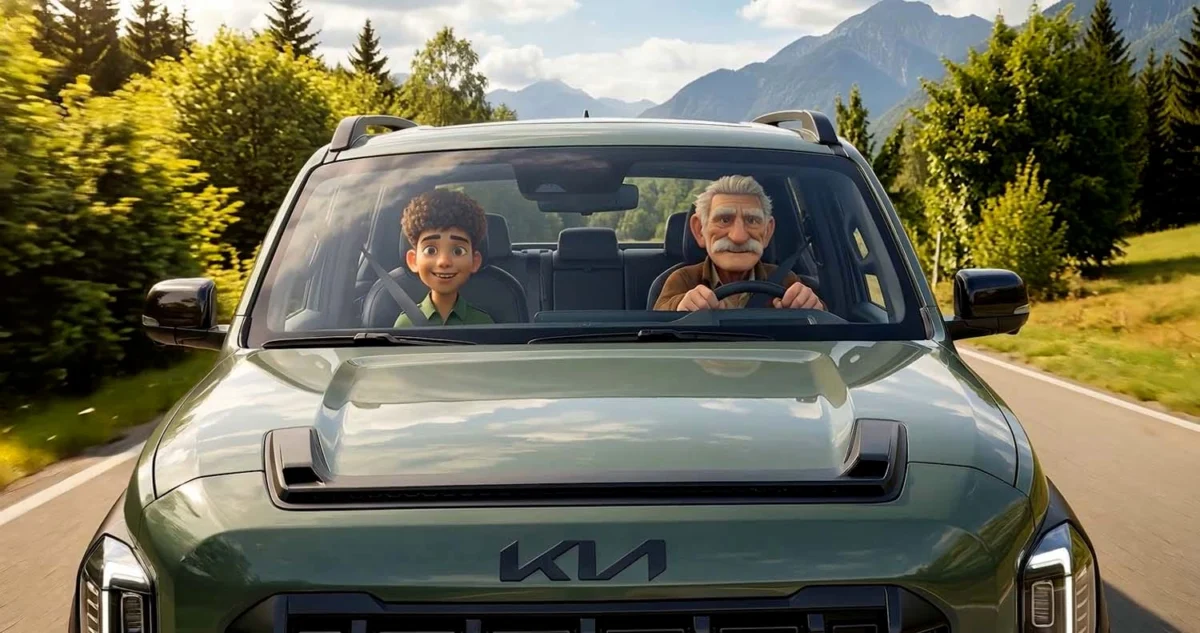
In the burgeoning world of global independent animation, technological accessibility is usually celebrated as a gateway to democratization. However, the recent release of the Honduran feature film Copán: La leyenda has inverted this narrative, transforming from a supposed milestone in national filmmaking into the center of a vitriolic debate over the soul, labor, and ethics of generative artificial intelligence in art.
Directed by Ricardo Morales and produced by Level 7 Studios, the 74-minute fantasy project, which draws heavily from Mayan mythology and the storied history of the Copán ruins, was marketed as a trailblazing venture. Yet, the film’s reliance on generative AI has sparked a firestorm of criticism, with audiences and industry observers alike labeling the finished product as "AI slop"—a term typically reserved for the low-effort, uncanny, and derivative content flooding social media algorithms.
The Anatomy of the Controversy
The core of the backlash lies in the stark disconnect between the studio’s marketing rhetoric and the audience’s reception. Level 7 Studios presented Copán: La leyenda as a solution to a chronic problem: the lack of a robust feature-animation industry in Honduras. By utilizing AI, the filmmakers argued they were bypassing the prohibitive financial and technical barriers that have historically kept Honduran creators from producing feature-length animated works.
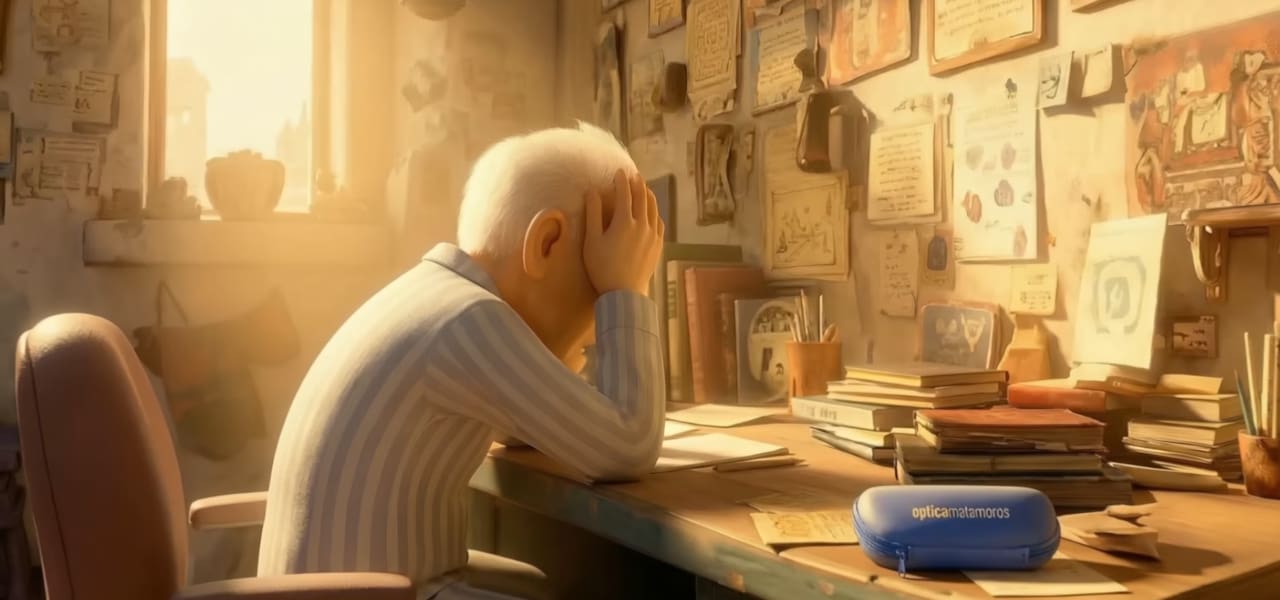
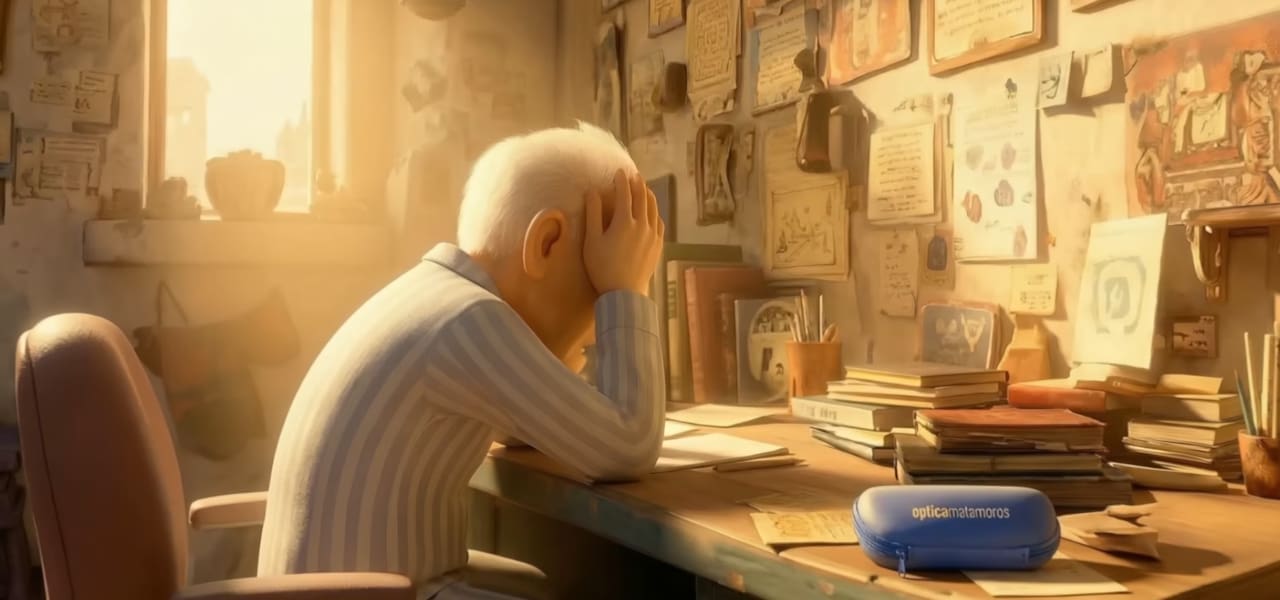
However, once the film reached theaters, the audience reaction was immediate and overwhelmingly hostile. Viewers reported a disjointed visual experience characterized by morphing textures, inconsistent character designs, and the "uncanny valley" aesthetic that plagues many current text-to-video models. Beyond the technical deficiencies, critics pointed to "canned" voice performances and a narrative structure that felt emotionally hollow. Perhaps most egregious to local viewers were the jarring instances of product placement, which, combined with the AI-generated imagery, gave the film the appearance of a glorified, feature-length commercial rather than a labor of love.
Chronology of a Failed Debut
The path to Copán: La leyenda’s disastrous release was paved with years of anticipation and a specific narrative strategy.
- Development Phase (2011–2026): Director Ricardo Morales claims the project spent 15 years in development. During the early stages, the technology to produce such a film did not exist in the region.
- The AI Pivot: As generative AI tools matured, Level 7 Studios integrated them into their pipeline, viewing the technology as a "democratizing force" that would allow a small team to achieve a scale of production previously reserved for major international studios.
- The Promotional Campaign: The film was heavily backed by institutional support, including the Honduran Institute of Tourism, which saw the project as a vehicle for national identity and heritage.
- Release and Backlash: Upon its theatrical debut, the film was met with immediate criticism from local outlets such as Cinemafilia y Críticas. The negative sentiment quickly migrated to social media, where clips of the film went viral for all the wrong reasons—highlighting the "slop" aesthetic that has come to define public distrust of AI in creative fields.
- The School Screening Controversy: The situation reached a boiling point when reports surfaced that several Honduran schools had mandated student attendance at screenings as part of an educational initiative regarding Mayan history. Critics viewed this as an attempt to artificially inflate box office numbers and force-feed a substandard product to a captive audience.
The Financial and Technical "Innovation" Argument
In his defense, Ricardo Morales has maintained a consistent stance: the project was financially impossible without the assistance of AI. In interviews with local press, including La Prensa, Morales argued that the traditional animation pipelines used in Hollywood or even in successful Latin American animation hubs—such as those in Mexico or Brazil—were economically unreachable for a studio in Honduras.
.png)
From a purely fiscal standpoint, Morales’s argument highlights a genuine crisis in regional filmmaking. Without state-sponsored grants or a private equity infrastructure, independent filmmakers in developing nations are often forced to choose between producing nothing or experimenting with "shortcut" technologies. However, the artistic community in Honduras has rejected this binary. Their argument is that the "financial impossibility" of traditional animation is a systemic issue that should be solved through cultural policy and investment in talent, not by replacing the human creative process with automated systems that arguably degrade the final product.
Implications for the Future of Independent Animation
The failure of Copán: La leyenda serves as a cautionary tale for independent filmmakers worldwide. The film has become a touchstone for the "AI vs. Artist" debate, raising several critical questions about the future of the medium:
1. The Value of Craft
The public response indicates that audiences are not as interested in the "technological achievement" of a film as they are in the craft. Viewers instinctively reject content that lacks human intent. The "uncanny" nature of AI-generated movement and the lack of emotional depth in the performances proved to be a dealbreaker for an audience expecting a narrative experience, not a technical demonstration.
2. The Institutional Trap
The involvement of the Honduran Institute of Tourism adds a layer of political complexity. When governments or state-funded bodies endorse art, they risk damaging their credibility if that art is perceived as low-quality or "soulless." By tying national identity to a film that is widely perceived as a tech-demo, the authorities involved have inadvertently fueled resentment among the local artistic community, who feel their heritage was used as a backdrop for an experiment they did not authorize.
3. The Digital Divide
Honduras, like many nations with underdeveloped animation sectors, is at a crossroads. The backlash to Copán suggests that local creators want to see the development of authentic local talent—animators, storyboard artists, and directors—rather than the adoption of tools that threaten to bypass these roles entirely. The fear is that if AI is championed as the "future" of the industry, it will stifle the growth of the very skills required to build a sustainable, human-led creative economy.
Official Responses and Industry Silence
Despite the vocal criticism, communication from the production side has been sparse. When reached for comment, Level 7 Studios did not respond to inquiries regarding the specific percentage of AI usage, the training data used for their models, or the ethical concerns raised by local guilds. This silence has only served to deepen the divide, with critics suggesting that the lack of transparency is symptomatic of a "move fast and break things" mentality that has no place in traditional storytelling.

Conclusion: A Lesson in Cultural Integrity
The case of Copán: La leyenda is a reminder that in the arts, efficiency is not synonymous with quality. While the temptation to use generative AI to circumvent the high costs of animation is understandable in a resource-strapped environment, the result in Honduras proves that the "shortcut" can ultimately lead to a dead end.
For the international animation community, the lesson is clear: audiences are sophisticated enough to distinguish between the labor of human hands and the output of a prompt. If the future of independent cinema is to be democratized, it must be done in a way that respects the artist, the audience, and the cultural subjects being portrayed. Until then, Copán: La leyenda stands as a stark warning of what happens when technology is prioritized over the essential, human element of storytelling.









No comments yet. Be the first to join the conversation!