

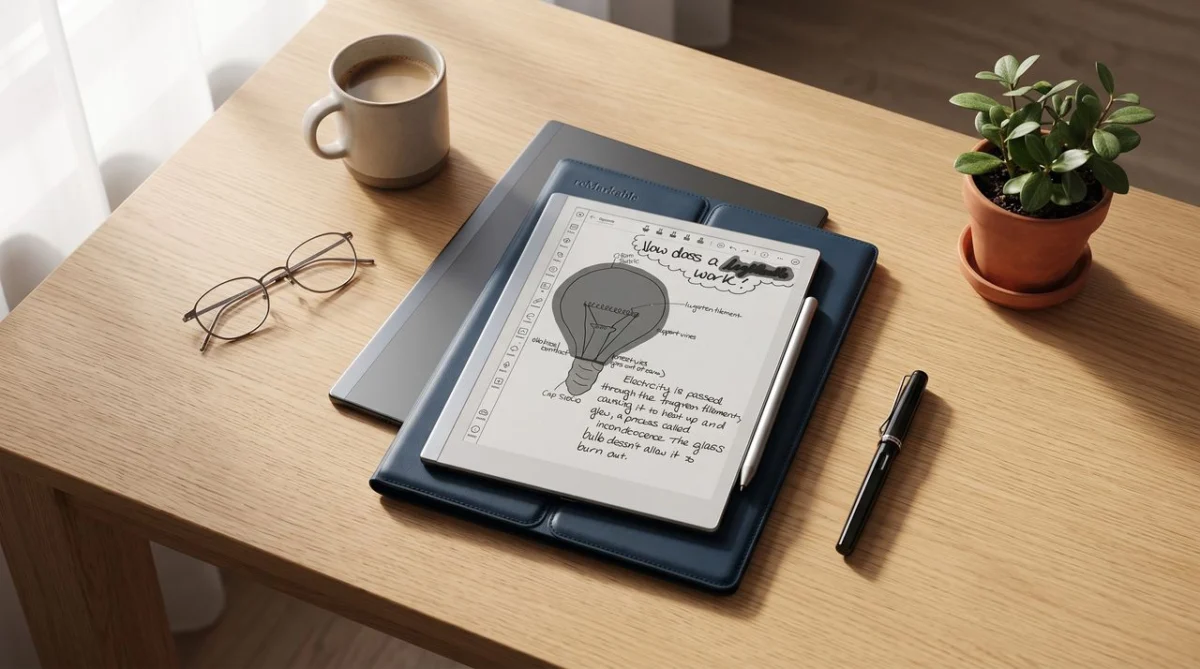
For years, the e-ink market was defined by a singular purpose: the consumption of literature. Amazon’s Kindle and its contemporaries successfully digitized the paperback experience, offering a lightweight, glare-free sanctuary for readers. However, a quiet revolution has been brewing in the peripherals market. E-ink tablets—once considered niche gadgets—have evolved into sophisticated, high-performance tools that are rapidly finding a home on the desks of designers, writers, academics, and students.
The transition from passive reader to active creator has been marked by a surprising degree of user enthusiasm. While initial skepticism regarding the necessity of digital note-taking was widespread, the tangible benefits of these devices have converted even the most staunch paper-and-pen purists.
The Evolution of the Digital Notepad: Main Facts
At their core, modern e-ink tablets bridge the gap between the tactile satisfaction of a physical notebook and the limitless organizational capacity of digital infrastructure. Unlike traditional tablets—such as the iPad—which rely on backlit LCD or OLED screens, e-ink displays utilize electronic paper technology. This results in a matte, high-contrast surface that mimics the appearance of real paper, significantly reducing eye strain and eliminating the glare typically associated with tablets in bright, direct sunlight.
The primary value proposition of these devices centers on three pillars:
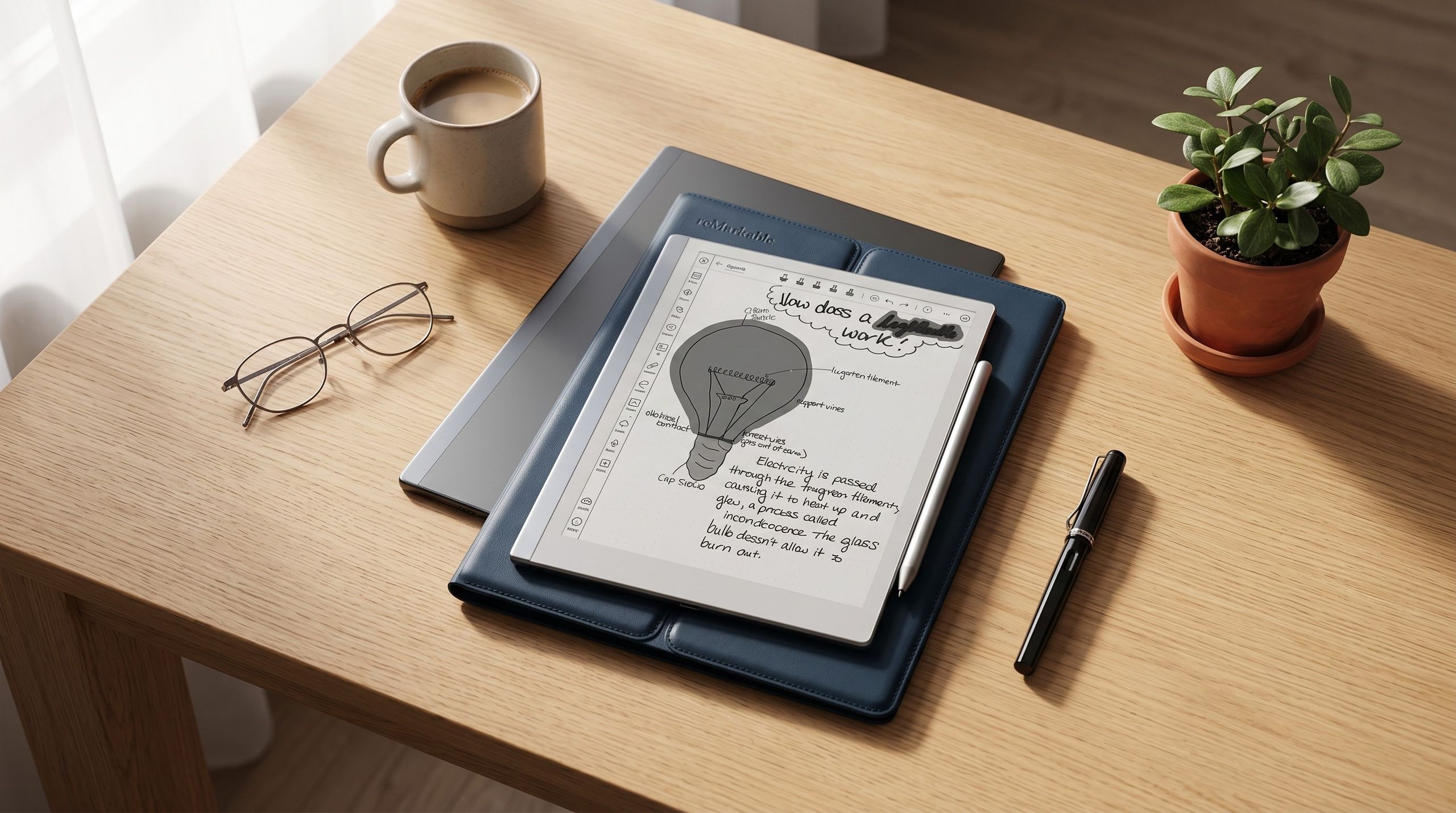
- Handwriting-to-Text Conversion: Advanced OCR (Optical Character Recognition) software allows users to convert frantic, handwritten scrawls into clean, searchable digital text in seconds.
- PDF Integration: For academics and designers who constantly annotate technical documents, the ability to import, mark up, and export PDFs directly on a paper-like surface has transformed standard workflows.
- Distraction-Free Environment: By limiting the notification ecosystem that plagues smartphones and high-end tablets, e-ink devices foster a "deep work" state, allowing for extended periods of focused concentration.
A Brief Chronology of E-Ink Adoption
The journey of the e-ink tablet did not happen overnight. The technology saw its infancy in the late 2000s, but it was largely limited to simple page-turning capabilities.
- 2017–2019: The "First Wave" of dedicated writing tablets, such as the original reMarkable, hit the market. These devices were stripped-back, focusing almost exclusively on writing and reading, which appealed to minimalists but left power users wanting more integration with the wider digital ecosystem.
- 2020–2022: The "Connectivity Era." Manufacturers began integrating Android operating systems into e-ink hardware. This allowed users to install third-party applications like Evernote, Notion, or Kindle, effectively turning the tablets into versatile productivity hubs.
- 2023–Present: The "Refinement Era." We are currently seeing the maturation of the technology. Modern devices now feature anti-glare coatings, faster refresh rates, superior stylus latency (often undetectable to the human eye), and the introduction of color e-ink displays, which opens the door for illustrators and those who rely on color-coded annotations.
Supporting Data: Why Professionals are Switching
Recent market feedback and internal testing reveal a significant shift in user demographics. According to industry surveys, creative professionals report a 40% increase in workflow efficiency when transitioning from paper notebooks to e-ink tablets. The ability to categorize notes into digital folders, sync them across devices via cloud services, and search through years of handwritten archives has rendered the "lost notebook" problem obsolete.
Furthermore, the hardware specifications of the current market leaders underscore this shift:
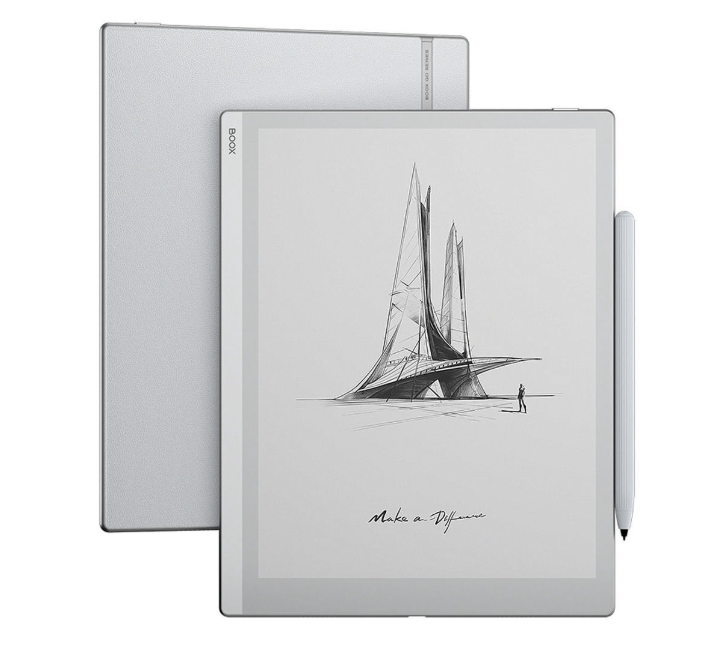
The Boox Go 10.3 Lumi Gen II
This device has set a new benchmark for thin-and-light design. During recent testing, the combination of a high-resolution display and a responsive, low-latency stylus provided an experience that felt remarkably close to writing on a high-quality legal pad. Its support for Android apps ensures that users are not siloed into a proprietary ecosystem.
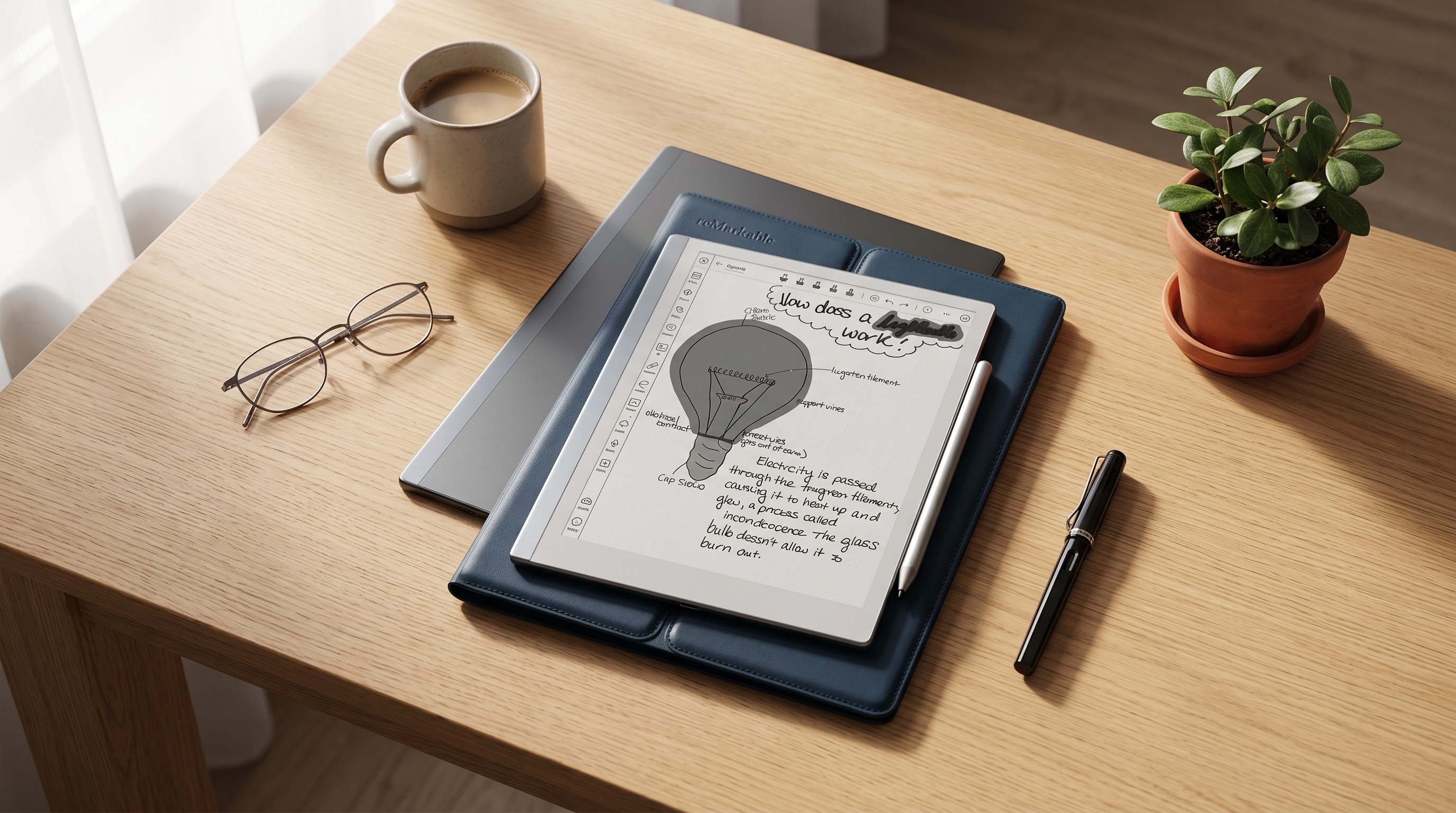
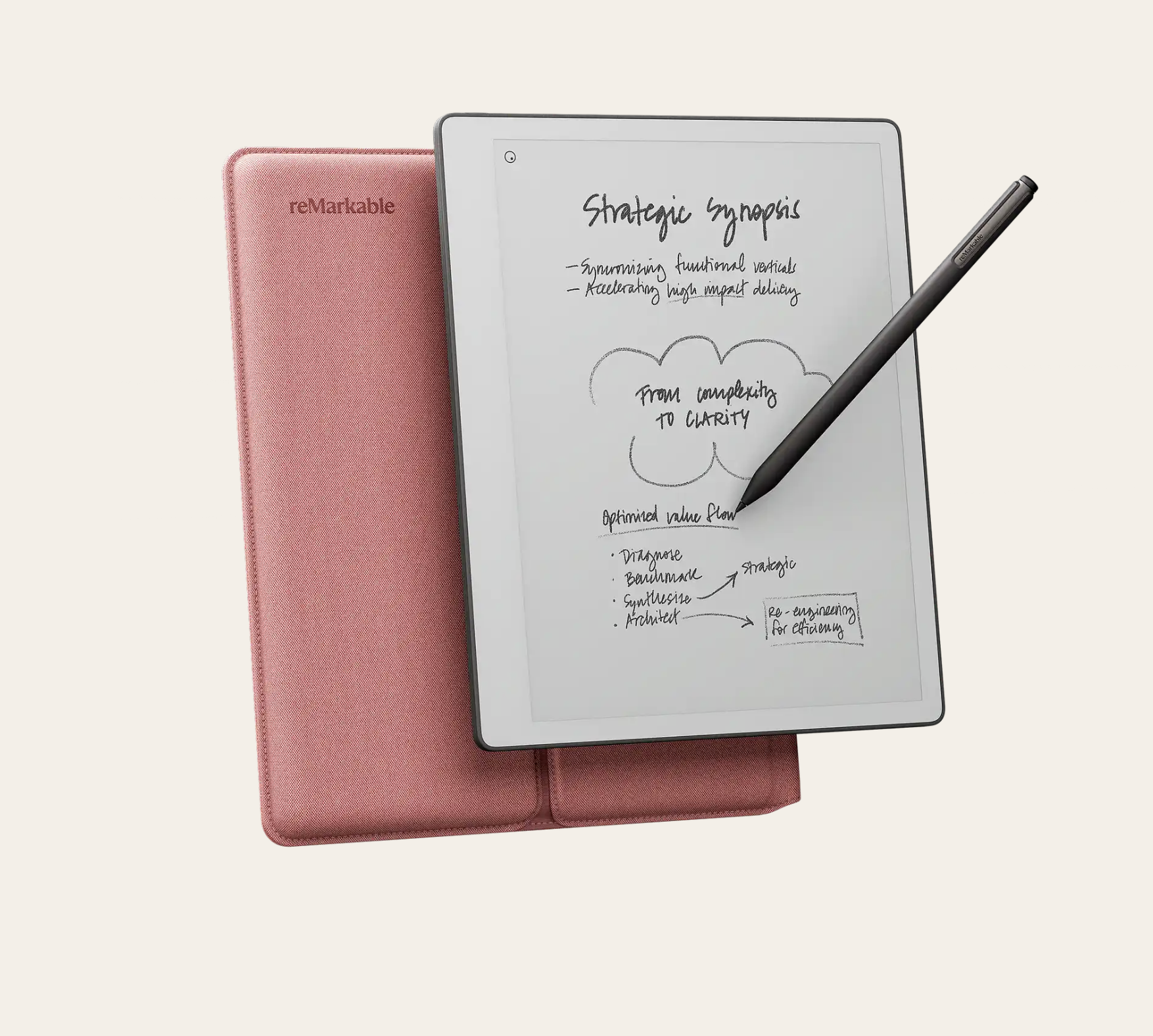
The reMarkable Paper Pro
Positioned as the "premium minimalist" option, the reMarkable Paper Pro emphasizes a texture that is notably more tactile than glass. By prioritizing a friction-heavy screen surface, it successfully simulates the "scratch" of a pen on paper, a factor that designers cite as crucial for their creative process.
The Boox Onyx Color Series
For those who require more than monochrome, the introduction of color e-ink has been a game changer. The ability to highlight text in various colors or view reference images in full, albeit muted, color palettes makes this the premier choice for professionals who work with complex, multi-layered visual documents.
Industry Perspectives: The Official Stance
Manufacturers have been quick to adapt to the feedback provided by professional users. The industry consensus, gleaned from various product development cycles, is that the future of e-ink lies in "sensory precision."
"The goal is not to replicate the iPad, but to provide a digital medium that respects the user’s need for focus," says one product designer at a leading e-ink manufacturer. "When a creative professional uses our tablets, they shouldn’t feel like they are interacting with a computer. They should feel like they are interacting with a canvas. We are moving away from the era of ‘feature-stuffing’ and into the era of ‘ergonomic perfection.’"
The response from the academic sector has been equally telling. Institutions are increasingly piloting programs where students use these tablets to manage massive libraries of academic papers, citing improved retention rates and the environmental benefit of reducing paper waste.
Implications: The Future of Workspace Ergonomics
What does this mean for the future of the traditional office? The shift toward e-ink represents a wider trend in "Human-Centric Computing." As workers become increasingly fatigued by the "always-on" nature of modern smartphones and laptops, there is a growing market for "low-tech" high-tech solutions.
1. Enhanced Mental Clarity
By removing the temptation of social media alerts and email pings, e-ink tablets act as a digital sanctuary. This has profound implications for mental health in the workplace, allowing professionals to reclaim their attention spans.
2. Environmental Sustainability
The environmental cost of traditional paper production is immense. By transitioning to digital note-taking, a single student or professional can save hundreds of pounds of paper per year, contributing to significant corporate sustainability goals.
3. The End of the "Analog vs. Digital" Divide
For decades, we have forced ourselves to choose between the tactile joy of paper and the efficiency of digital storage. E-ink technology effectively dissolves this binary. We no longer have to choose; we can have the best of both worlds.
Conclusion: Which Tablet is Right for You?
Choosing the right device depends entirely on your specific needs. If you are a minimalist who wants a pure writing experience that mimics paper as closely as possible, the reMarkable Paper Pro is arguably the gold standard. If, however, you require the flexibility of the Android ecosystem and the ability to run diverse apps, the Boox Go series offers unparalleled versatility.
For those who work in design or editorial roles that require color-coded feedback, the Boox Onyx series stands alone.
As we look toward the future, it is clear that e-ink is no longer just for reading books. It is becoming the primary interface for our most important thoughts, sketches, and professional insights. The digital notepad has arrived, and for anyone serious about their productivity and focus, it is no longer a luxury—it is an essential evolution of the modern toolkit.










No comments yet. Be the first to join the conversation!