

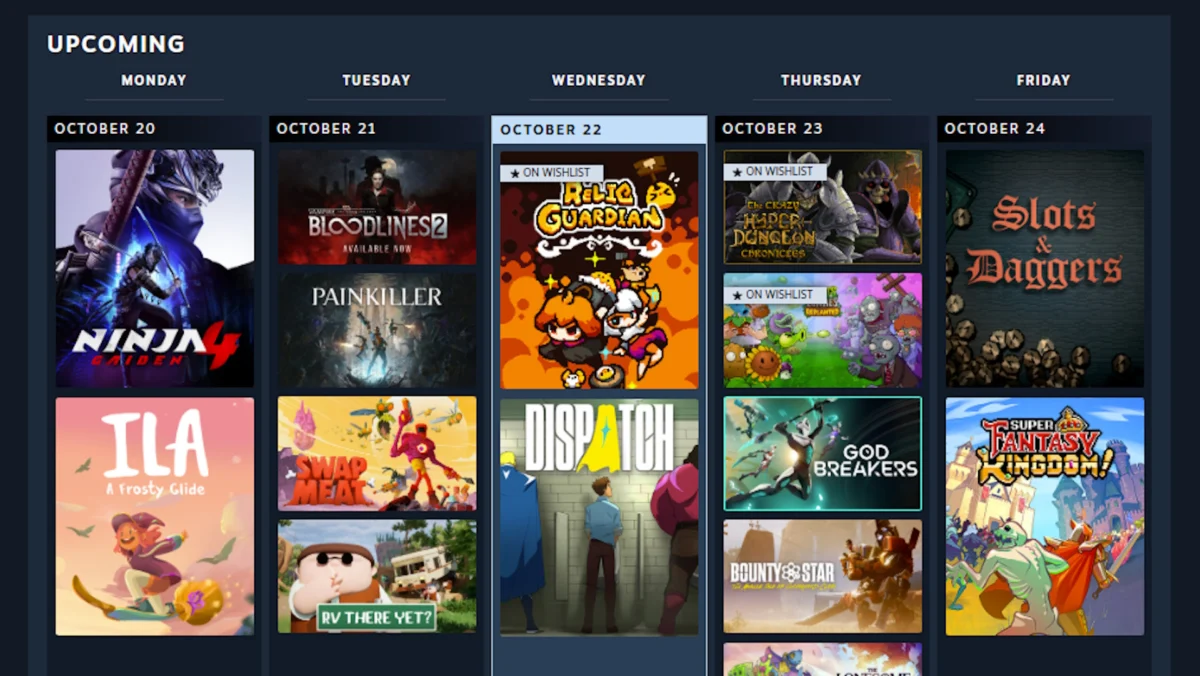
For over two decades, Valve’s Steam storefront has functioned as more than just a distribution platform for PC games; it has evolved into a digital coliseum where the act of purchasing is as significant as the act of playing. While every major platform—from the PlayStation Store to the Nintendo eShop—now employs seasonal sales, Steam remains the undisputed gold standard of digital commerce. It is a system that has fundamentally altered the psychology of the modern gamer, turning the "backlog" from a point of shame into a badge of honor.
At the heart of this phenomenon lies a philosophy articulated by Valve co-founder Gabe Newell over a decade ago. While the gaming landscape has shifted dramatically since his initial observations, the core mechanism—the "Steam Sale" as an entertainment product—remains more potent and relevant today than ever before.
The Architecture of Desire: Why Steam Sales Work
In an era when the industry was still grappling with the transition from physical retail to digital downloads, Newell sought to distinguish Steam not just by its utility, but by its ability to engage users. In a vintage discussion with PC Gamer, Newell analyzed how Valve could compete for visibility against established console giants like the PS3 and Xbox 360. His conclusion was simple yet radical: make the storefront itself an experience.
The brilliance of the Steam Sale lies in its gamification. By rotating discounts, creating "flash" events, and utilizing the "Wishlist" as a psychological anchor, Valve transformed the transactional nature of buying a game into a competitive sport. For many, the thrill of seeing a title on their wishlist drop to a historic low price provides a dopamine hit that rivals the gameplay itself.
A Chronology of the "Steam Effect"
The evolution of Steam’s sales culture can be traced through several distinct eras:
- The Early Utility Era (2003–2007): Following its launch, Steam was primarily a patch management tool for Half-Life 2 and Counter-Strike. Sales were rare and largely functional, designed to drive adoption of the digital client.
- The Golden Age of Discounts (2008–2014): This was the era of the "Steam Sale Meme." During this period, the community solidified the image of Gabe Newell as a benevolent, if slightly sinister, force who demanded tribute from wallets. Deep, tiered discounts became the norm, and the "Summer Sale" became an annual cultural event.
- The Normalization and Backlog Era (2015–2020): As digital libraries ballooned, the novelty of deep discounts began to plateau. Valve shifted focus toward personalized discovery algorithms and curated seasonal events, moving away from "flash sales" to ensure all-day availability for discounted titles.
- The Modern Ecosystem (2021–Present): Today, the Steam store is a sophisticated engine of data. The focus has shifted toward "Wishlist Velocity"—the speed at which users add games to their lists—and the integration of social features that turn purchasing into a public display of taste.
The "Breath of Steam": Data and Indie Success
To understand the mechanics behind this success, one must look at the data-driven approach favored by independent developers and marketers. Steam researcher and consultant Chris Zukowski has famously described the "breath of Steam" as a rhythmic cycle: developers inhale wishlists during promotional periods and exhale revenue during major sales.

This cycle is crucial for indie games. Unlike AAA titles, which have massive marketing budgets, indie games rely on the visibility algorithms of the Steam storefront. When a game is discounted during a seasonal event, it gains increased visibility, leading to a surge in sales. This is not just a revenue bump; it is an acquisition strategy. A game sold at a discount during a sale is a game that adds a player to a developer’s ecosystem, potentially leading to positive reviews, increased engagement, and future success for the developer’s next project.
As Zukowski noted in his analysis, the store provides developers with access to a massive audience of "drunken sailors"—a hyperbolic reference to the impulsive, yet enthusiastic, spending habits of the core PC gaming demographic. Valve takes a 30% cut, but in exchange, it provides the infrastructure to turn an obscure indie title into a sleeper hit overnight.
Official Perspectives: Newell’s Vision
Newell’s own PR strategy has always been to frame the Steam store as a service that benefits both the consumer and the creator. His perspective remains consistent: if the store is entertaining, the revenue follows.
"I think you’ll see us do more of that in the future," Newell stated, referring to the gamification of sales, "because it helps get people excited to try stuff that they haven’t tried before." By creating a "vehicle" for shopping that is inherently fun, Valve ensures that the platform remains the primary destination for PC gamers. This is a stark contrast to other platforms, where the store is often viewed as a static, utilitarian menu. Steam is a destination; the competition is merely a utility.
The Implications: A Library of Imagined Experiences
The most profound implication of Steam’s model is the concept of the "digital shelf." Most Steam users have a library significantly larger than the number of games they have actually finished. This is not a failure of the platform; it is, in fact, its greatest achievement.
When a user adds a game to their wishlist, they are not just marking a price point; they are cataloging a potential version of themselves. They are creating a set of "imagined experiences." Whether it is a sprawling RPG they plan to play during a vacation or a high-difficulty roguelike they intend to master, these games represent future fun. Valve has effectively monetized the human propensity to plan for the future.

This behavior has created a unique cultural phenomenon where "buying the game" and "playing the game" have become decoupled. The sheer volume of choice means that most users only purchase games when they are discounted, leading to a market where full-price sales are the exception rather than the rule.
The Future of the Steam Storefront
As we look toward the future, the integration of hardware like the Steam Deck has only reinforced this cycle. The ability to carry an entire library of "imagined experiences" in one’s pocket has made the purchase of a new game feel more tangible.
However, the industry is changing. With the rise of subscription models and live-service titles that demand thousands of hours of engagement, the "drunken sailor" spending model is evolving. Yet, as long as Steam maintains its identity as a curator of vast, affordable, and accessible content, it will continue to hold a unique place in the hearts (and wallets) of gamers.
The Steam store has done what Netflix and other streaming services have struggled to do: it has turned the backlog into a treasure trove. By fostering a culture where the storefront is a playground, Valve has ensured that even if we never play every game we buy, we will continue to come back, wallet in hand, to see what else we might one day experience.











No comments yet. Be the first to join the conversation!