

By Jamie Lang | May 6, 2026
In the modern digital economy, the dream for independent animators is simple: bypass the traditional studio gatekeepers, build a direct connection with an audience, and monetize that relationship through platforms like YouTube. For Nathan Little, an industry veteran with credits on The Loud House and The Casagrandes, that dream materialized in the form of a 2D-animated feline named Sydney. Yet, as of April 12, 2026, that dream has hit a wall of impenetrable code.
Despite millions of views and a track record of high-quality, hand-rigged animation, Little’s YouTube channel was abruptly demonetized for “inauthentic content.” This designation—a catch-all term within YouTube’s Partner Program—has thrust Little into a Kafkaesque nightmare, highlighting a growing tension between the automated moderation systems of tech giants and the human creators who fuel their platforms.
The Anatomy of an Animation Career
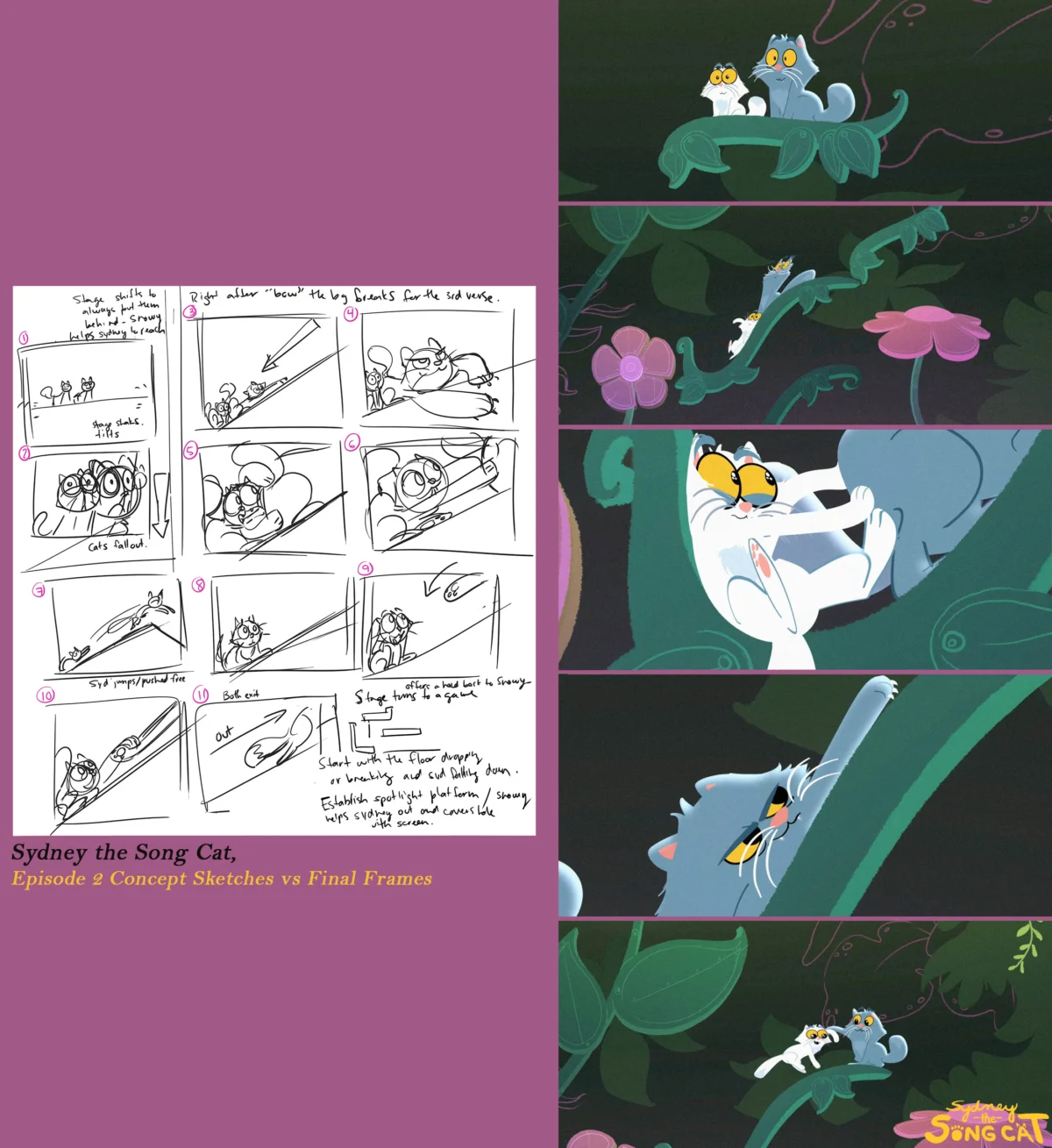
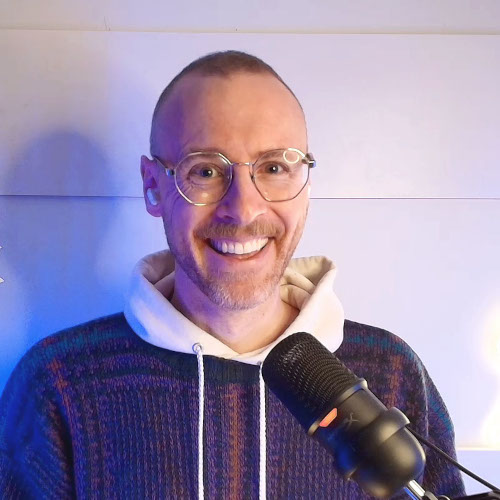
Nathan Little is not a newcomer to the craft. A graduate of Sheridan College’s prestigious animation program, his professional resume includes work on Iggy Arbuckle and Grossology. Since 2022, however, he has operated as a one-man studio from his home in Halifax, balancing his creative output with his responsibilities as a father of three.
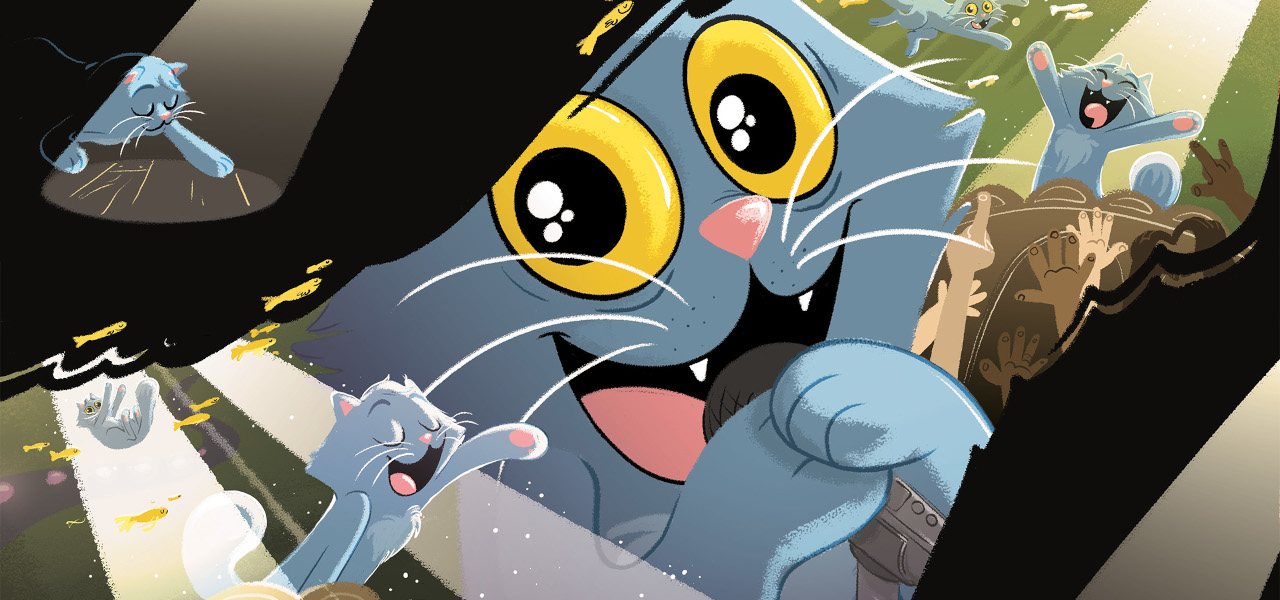
The "Sydney the Song Cat" project was born out of a desire for creative agency. Watching the animation industry shift, Little sought to own his intellectual property rather than merely service someone else’s. He chose a workflow that combined the efficiencies of modern digital rigs with the soul of hand-drawn performance. Using Toon Boom Harmony, he developed a flexible cat rig that allowed him to keep up with the relentless pace of short-form social media content.
The project was a labor of love, designed to satisfy his itch for performance. “I’m an actor on the inside,” Little explains. “I just don’t want to be in front of the camera doing it. It’s rewarding to participate in these trends, but not with my face—with Sydney’s.”
Chronology of a Disconnect
The trouble began on a seemingly ordinary Saturday morning in April. An email arrived from YouTube notifying Little that his channel, which had been a part of the Partner Program for years, had been removed from the platform’s monetization ecosystem. The charge was “inauthentic content.”
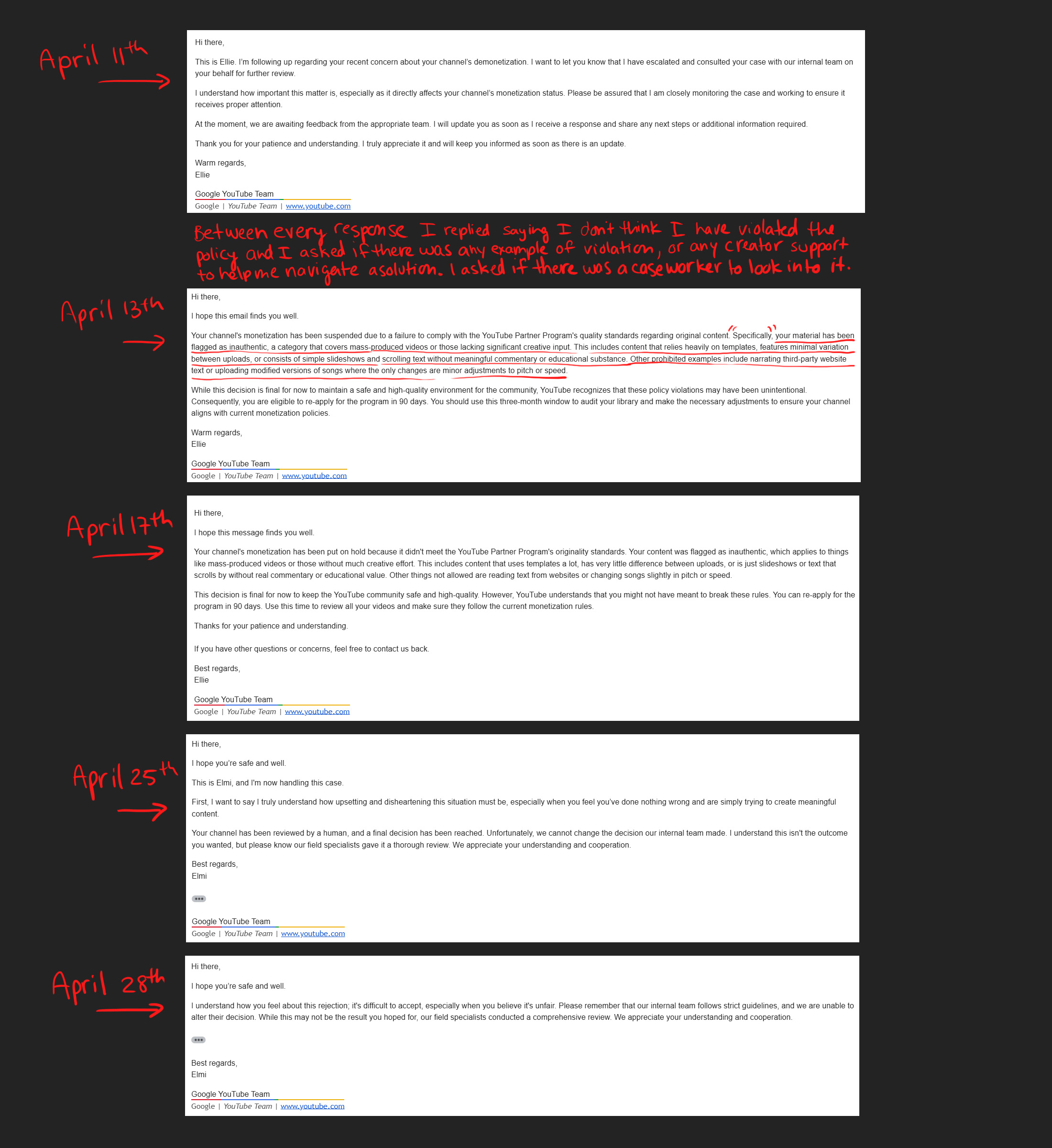
Confused, Little reviewed the site’s policies. Finding no clear violation, he initiated an appeal. What followed was a series of interactions that would prove to be a masterclass in bureaucratic obfuscation:
- Initial Appeal: Little submitted the formal appeal form provided by YouTube.
- The Chatbot Shuffle: Finding no resolution, he contacted creator support. He engaged with a representative—or a sophisticated simulation of one—who promised to escalate the issue.
- The Template Wall: A few days later, a generic email arrived in his junk folder. It contained broad, catch-all phrasing regarding policy violations but cited no specific video or infraction.
- The Circular Response: When Little attempted to engage further, asking for a specific explanation so that he might rectify the issue, the response was a verbatim copy-paste of the original rejection, merely attributed to a different name.
“The language was identical,” Little says. “If it really was a human, it wasn’t genuine customer service.”
The Definition of “Inauthentic”
The irony of the “inauthentic” label is not lost on Little. YouTube’s policy in this category is generally designed to combat "content farms"—channels that mass-produce low-effort slideshows, automated voiceover scrapings, or unauthorized re-uploads of existing music.
Little’s channel is the antithesis of this. He animates every movement by hand, syncs the lip movements to music, and builds his own backgrounds. He acknowledges that he uses music libraries and trends, but he argues that his creative labor is substantial and undeniable.
“I think you could have a full AI channel and they would be okay with that,” Little muses. “That’s not what this is saying.”
He suspects that his high-velocity content, perhaps coupled with the way TikTok-native assets are ingested by YouTube’s automated systems, triggered a false positive. But without a human mediator to explain the nuance, he is left in a state of limbo, told to "fix it" without being told what is broken.
The Broader Implications for Indie Creators
Little’s plight is a microcosm of a larger issue facing independent artists. As platforms become more reliant on machine learning and algorithmic moderation to handle billions of uploads, the "human in the loop" is increasingly marginalized.
Other animators, upon hearing of Little’s situation, have reached out with their own horror stories. Many of these creators have projects, books, or pilot episodes in development that rely on the audience validation they have cultivated on YouTube. When a creator’s livelihood can be severed by an automated flag with no meaningful path to human appeal, the stability of the entire independent animation sector is called into question.
“How do you work with something that’s that unstable,” Little asks, “when you rely on that as part of the proof or validation of your audience?”
Behind the Scenes: The Evidence of Labor
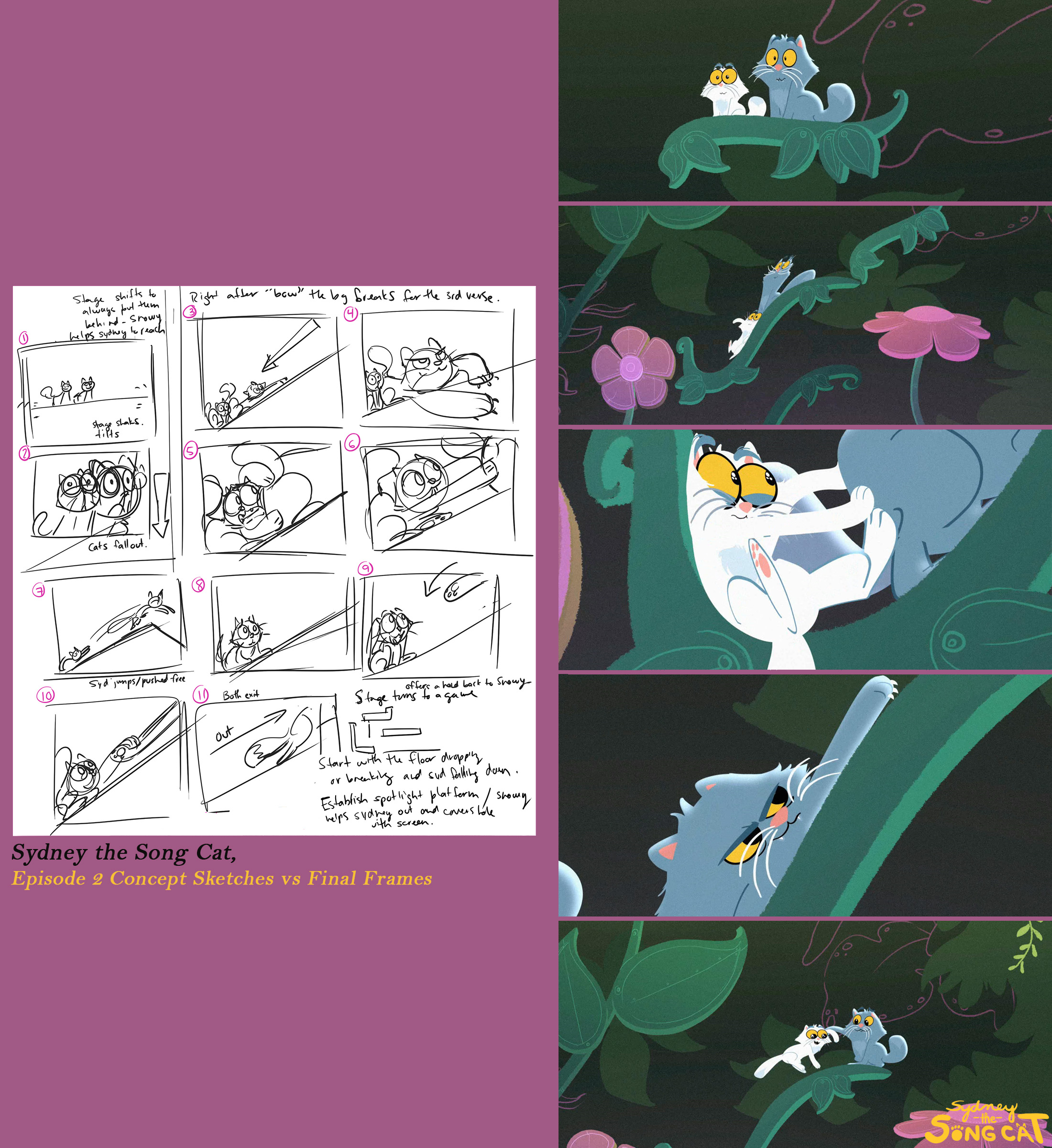
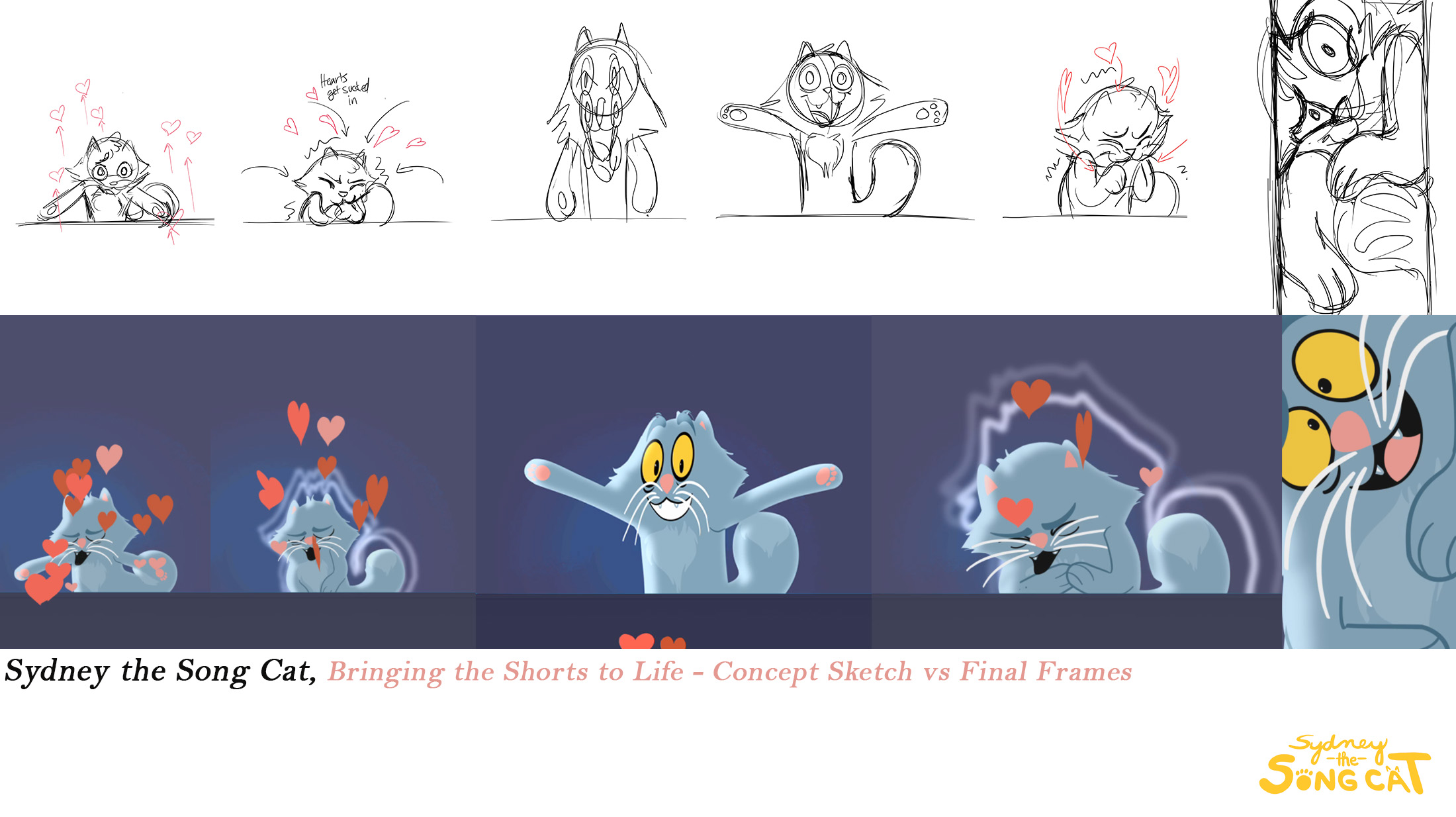
Perhaps the most frustrating aspect of this ordeal is that Little has spent years proving his authenticity. His channel is peppered with "behind-the-scenes" content—process videos, storyboard reveals, and voice acting clips—that explicitly document the human labor required to bring Sydney to life.
He maintains that the reuse of assets, which YouTube’s algorithms may be flagging, is a standard practice in the animation industry. From small independent studios to multi-million dollar giants, asset reuse is a pillar of production.
“There are little bits of animation that I can use as a core beginning point,” he notes, “but every single video I need to adjust to new music, I need to put in lip sync, and many of the videos are fully from scratch.”
Future Prospects and the Path Forward
Despite the demonetization, Little has not stopped working. He continues to post twice a week, and his pilot episodes are finding success on platforms like Patreon, which provide a more direct, albeit smaller, connection to his audience.
He remains hopeful that he will be eligible to reapply for the YouTube Partner Program in July. However, the experience has fundamentally altered his perspective on the platform. He is no longer looking at YouTube as a stable partner, but as an unpredictable, potentially hostile environment.
The case of "Sydney the Song Cat" serves as a warning for the creative community. It highlights the growing divide between the platforms that host creative content and the individuals who produce it. If the giants of the tech world cannot distinguish between a mass-produced, automated scrap-feed and a dedicated, hand-rigged animation project, they risk alienating the very talent that makes their platforms worth visiting.
For now, Little keeps animating. He keeps the cat moving, the music playing, and the work flowing. Whether the algorithm eventually recognizes that humanity remains the open question—and one that thousands of other creators are now watching with bated breath.
The story of Sydney is not just a tale of a cat—it is a story of a creator struggling to maintain his humanity in an increasingly automated world. As the industry watches, the hope is that human-led innovation will be given the grace and nuance it deserves, rather than being discarded by the cold logic of an automated moderator.










No comments yet. Be the first to join the conversation!