

For many, the true measure of a Japanese Role-Playing Game (JRPG) isn’t the moment the final cinematic fades to black or the hero saves the world from its impending doom. It is the moment immediately after, when the player reloads their save file and stares at the world map, asking, "What else is there?"
Superbosses are the ultimate test of this curiosity. They are the hidden, optional, and often borderline-unfair challenges tucked away in the deepest dungeons or buried behind obscure, multi-hour sidequest chains. They exist as a developer’s final "thank you" (or perhaps "good luck") to the most dedicated players. Here are ten of the coolest, most iconic, and most punishing superbosses to ever grace the genre.
10. Culex (Super Mario RPG)
The Final Fantasy Boss Who Took a Wrong Turn
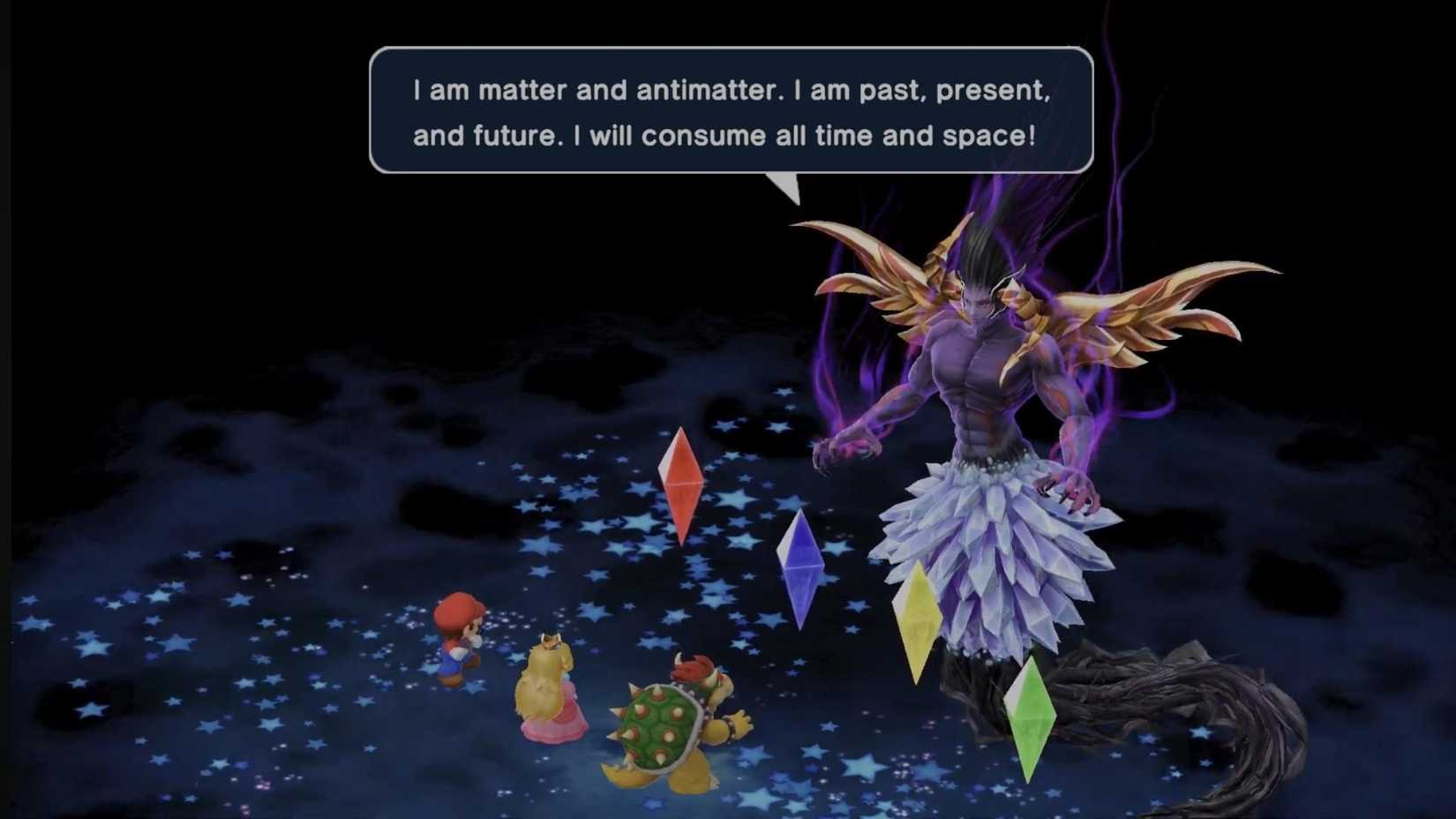
Culex is a fascinating anomaly in gaming history. Appearing behind a mysterious sealed door in Monstro Town, Culex is a being from the "Last Illusion"—a not-so-subtle nod to his origins. While the rest of Super Mario RPG thrives on pre-rendered 3D sprites, Culex is rendered in the distinct, hand-drawn pixel art style of 16-bit Final Fantasy titles.
Supported by four elemental crystals, Culex is a mechanical outlier. His battle theme is a brilliant arrangement of Final Fantasy IV’s boss music, and his difficulty curve is intentionally steeper than the game’s primary antagonist, Smithy. The Nintendo Switch remake further honored this legacy, keeping his 16-bit aesthetic in the base fight while granting him a 3D model in a post-game rematch, proving that even thirty years later, the joke—and the challenge—remains as sharp as ever.

9. Ozma (Final Fantasy IX)
A Formless Test of Preparation
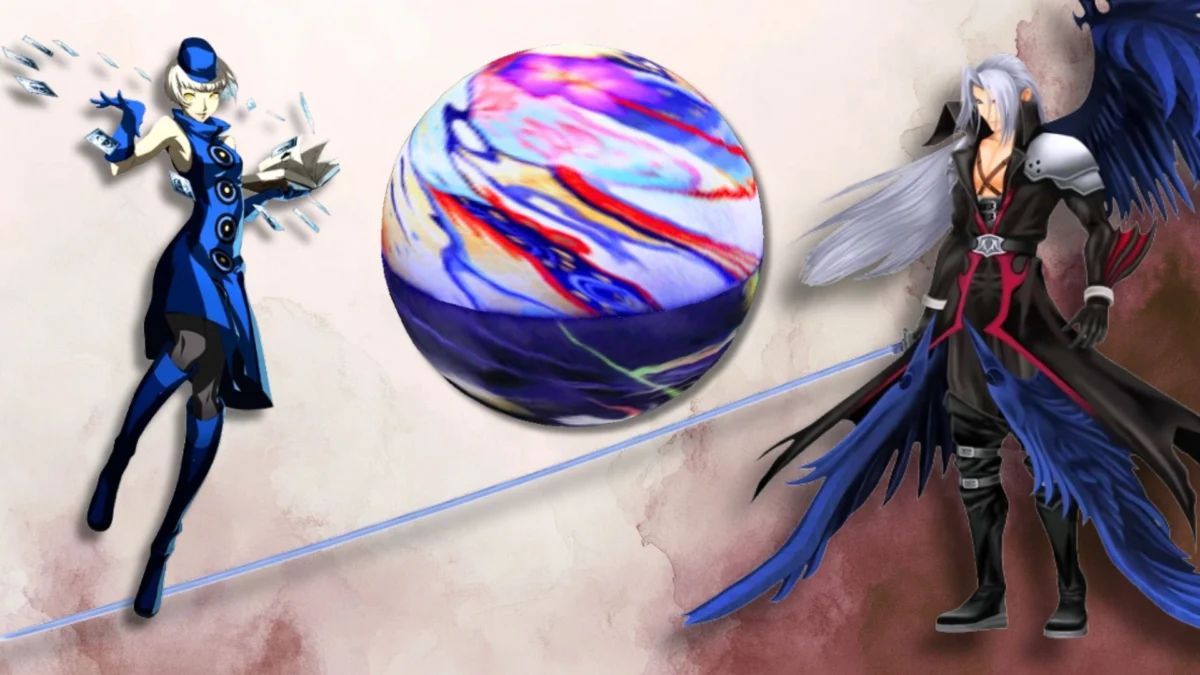
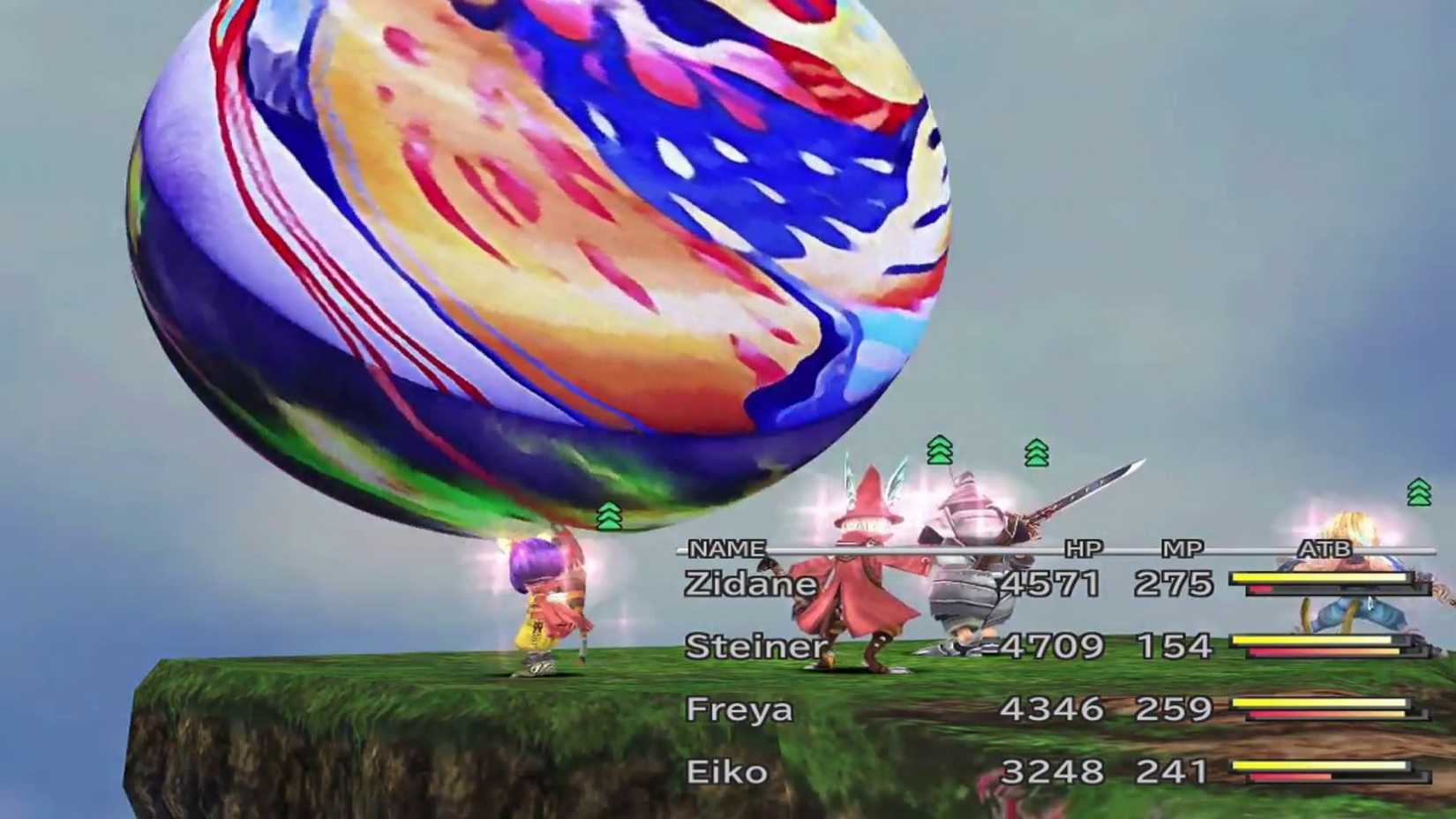
Ozma is a testament to the power of world-reactive design. Lore-wise, Ozma is an ancient, forgotten Eidolon, stripped of its shape and reduced to a shifting, mysterious sphere. What makes this encounter legendary is the "Friendly Monster" sidequest.
Throughout the game, players can choose to interact with a specific chain of non-hostile creatures. Completing this questline changes the fight against Ozma entirely: it renders the entity vulnerable to physical attacks and grants it a weakness to Shadow elements. If a player reaches the superboss Hades—the game’s second-hardest encounter—before tackling Ozma, Hades even offers unique dialogue acknowledging the player’s strength. It is a rare example of a superboss that feels like an organic, living part of the world’s history rather than an arbitrary gate.
8. Sephiroth (Kingdom Hearts)
The "Oh No" Factor
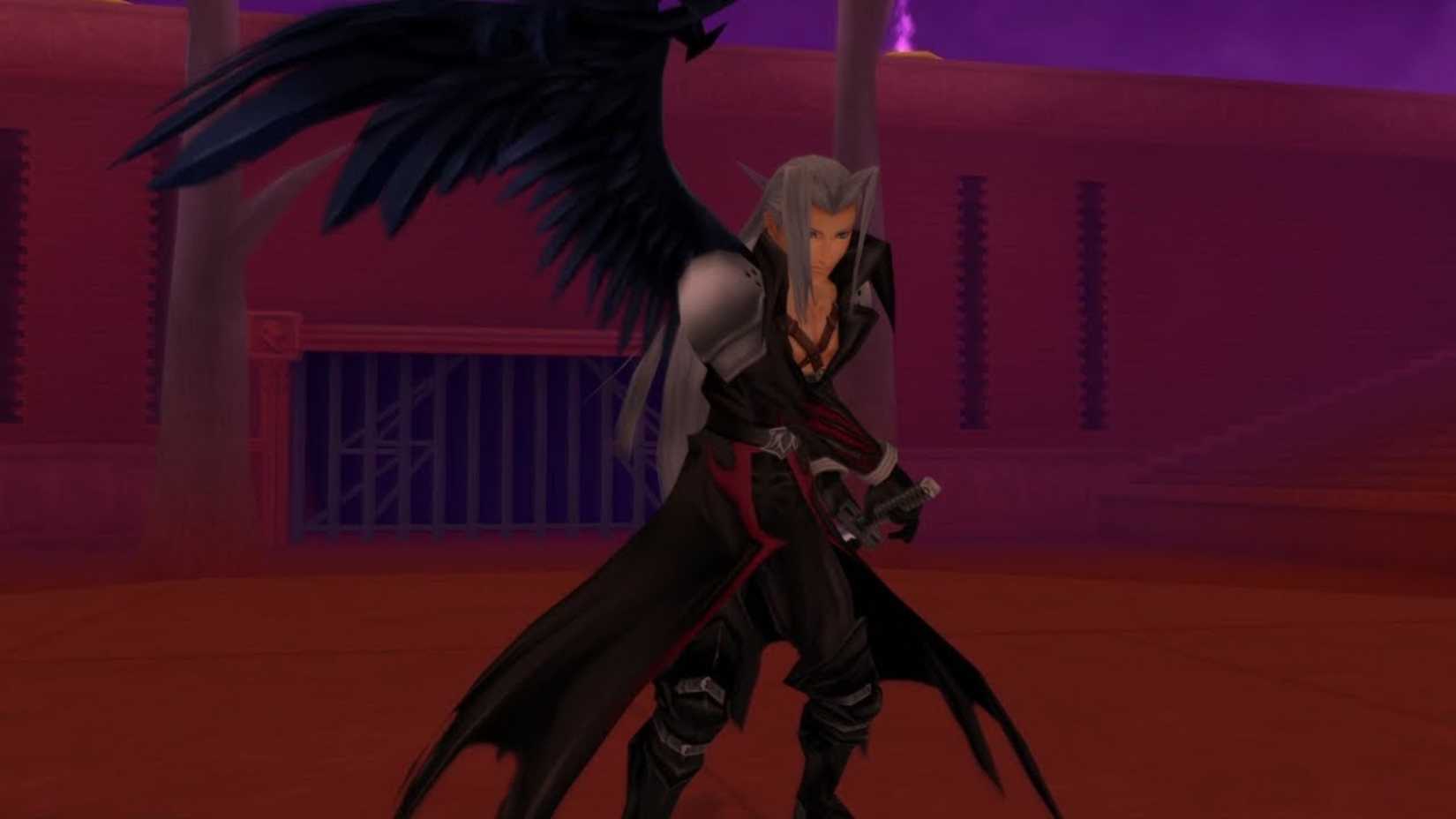
Is Sephiroth the most mechanically complex boss in the Kingdom Hearts series? Debatable. Is he the most iconic? Absolutely. For an entire generation of players, walking into the Olympus Coliseum in the original Kingdom Hearts and seeing a silver-haired man with a sword twice his height was a formative experience.
When the opening notes of "One-Winged Angel" hit, the player immediately understands that they are out of their depth. With his massive reach, teleportation, and invisible health bar, Sephiroth represented a significant spike in difficulty that rewarded frame-perfect reactions and an intimate knowledge of the game’s combat systems. He remains the gold standard for how to introduce a "guest" superboss to a crossover title.
7. Nokturnus (Dragon Quest VI)
The Boss Who Does Your Job for You
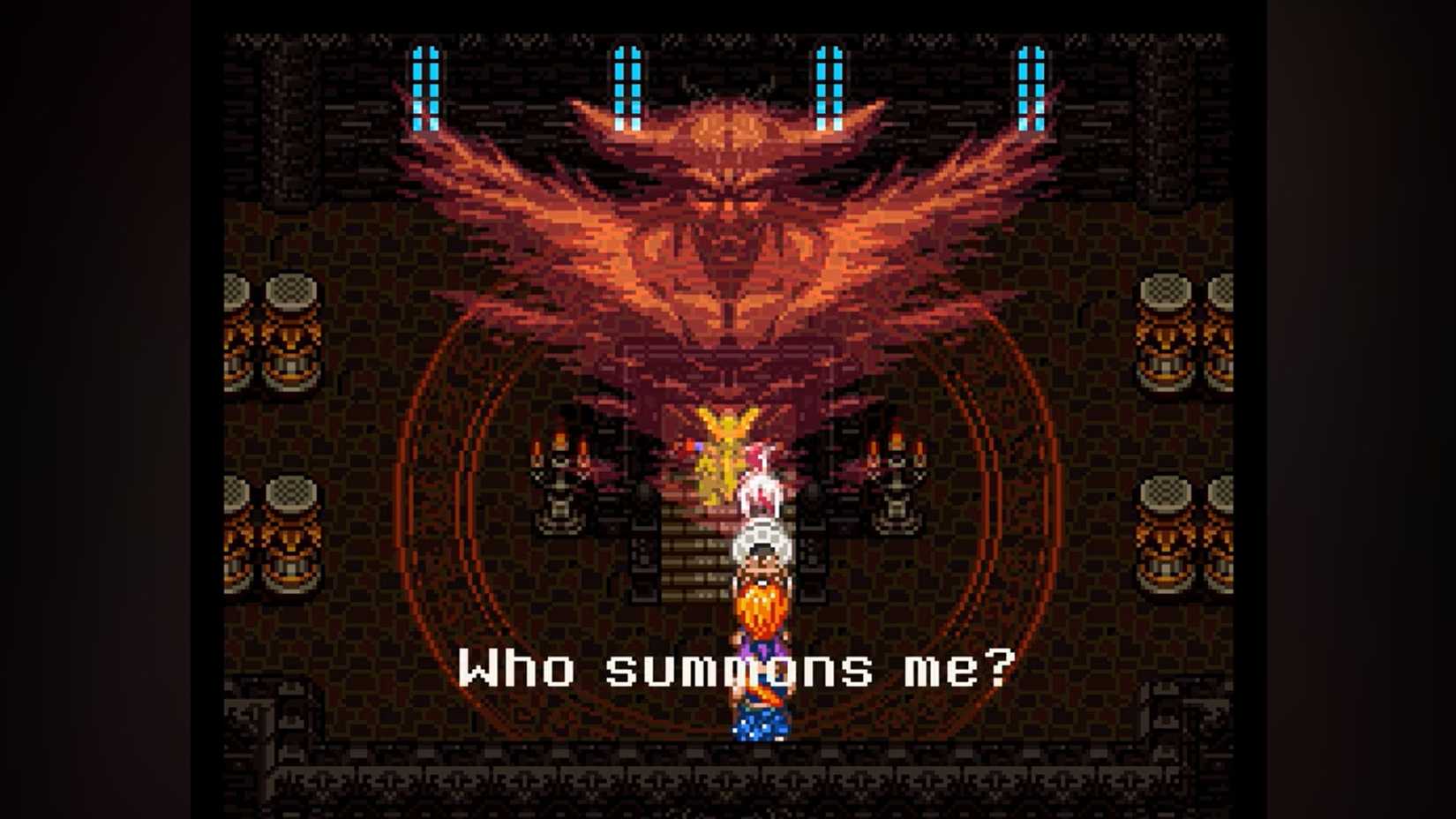
Nokturnus, also known as Mortamor’s ultimate nemesis, carries a terrifying backstory: he is the demon the King of Castle Graceskull unsuccessfully attempted to summon, resulting in the total destruction of his kingdom. Finding his ruins early in the game plants a seed of dread in the player’s mind.
The payoff is an optional ritual that allows you to face him in the post-game. Nokturnus is a stat-check of monumental proportions, possessing more HP than the game’s final boss. However, the true genius lies in the reward for efficiency: if the player defeats him in under twenty turns, he acknowledges their prowess with an alternate ending where he personally executes the game’s final villain in a single blow. It is arguably the most satisfying reward for a superboss encounter in JRPG history.
6. Gabriel Unlimited (Star Ocean: The Second Story R)
Three Forms of Escalating Misery
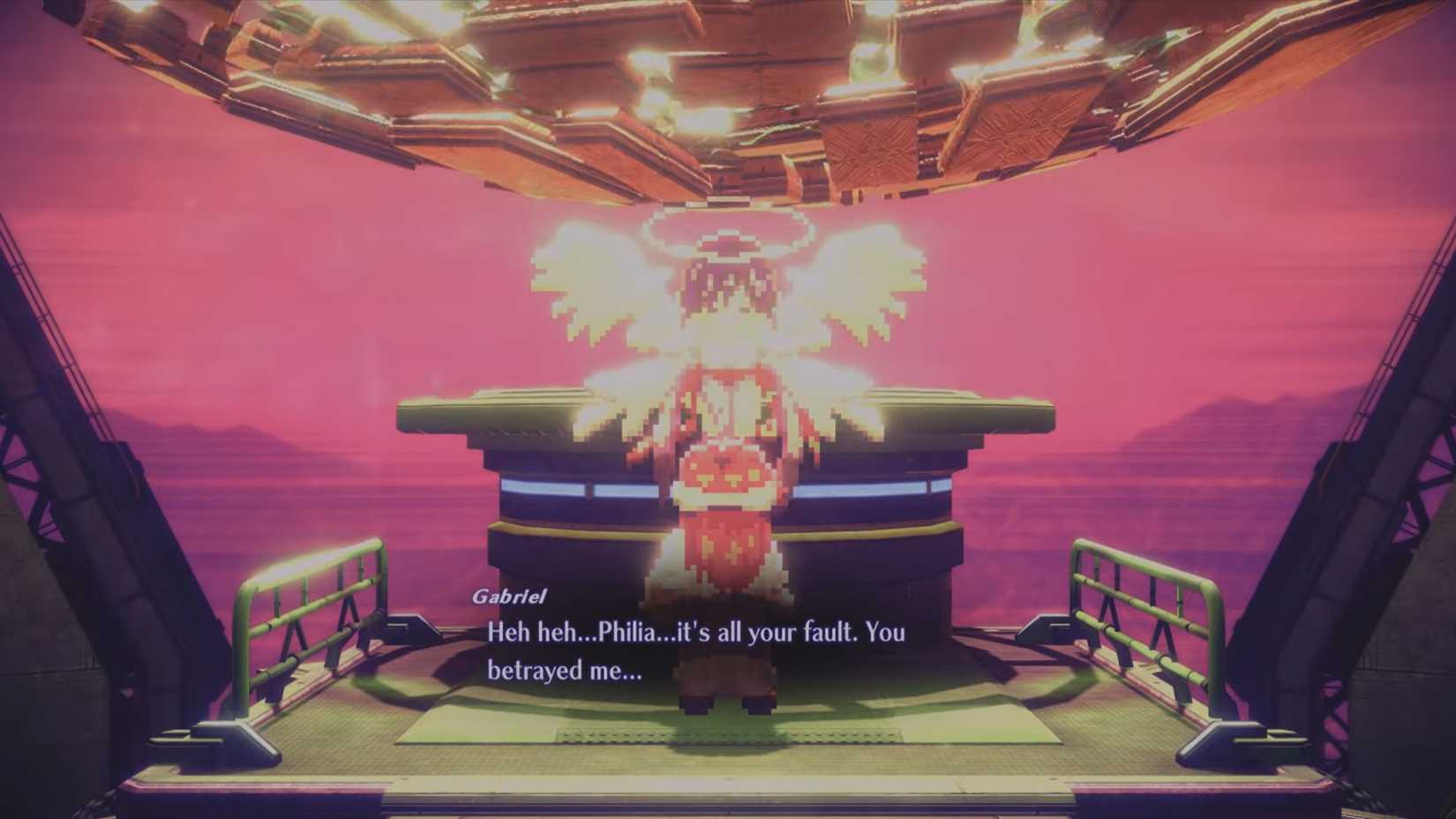
Gabriel is a recurring figure in the Star Ocean series, but his appearance in The Second Story is a masterclass in escalating dread. The fight is split into three phases, each significantly more punishing than the last. The "Unlimited" phase is particularly infamous; Gabriel kills his own ally before the fight begins, announces his intent to erase the universe, and proceeds to move at a speed that trivializes the player’s defensive items.
The recent Second Story R remake added a "Raid Boss" version of Gabriel that forces players to navigate the fight without the safety net of "Bloody Equipment." It is a brutal, high-stakes encounter that transitions from a simple hidden boss into a recruitable asset, marking one of the most rewarding power-leveling arcs in the genre.
5. Warped Savior (Etrian Odyssey IV)
A Dungeon Built for Survival
In the Etrian Odyssey series, the dungeon is often as dangerous as the boss. The Hall of Darkness, leading to the Warped Savior, is a masterclass in environmental design. Players must hunt for color-coded injectors and decipher research notes to synthesize a chemical compound necessary to weaken the boss.
Without this preparation, the Warped Savior is essentially unbeatable. The fight is structured like a multi-phase puzzle, where players must dispel specific defense buffs within strict turn limits. It punishes improvisation and rewards the meticulous, spreadsheet-loving nature of the Etrian Odyssey fanbase. It is pure, calculated mechanical stress, and it is glorious.
4. Demi-Fiend (Shin Megami Tensei: Digital Devil Saga)
The Casual Random Encounter
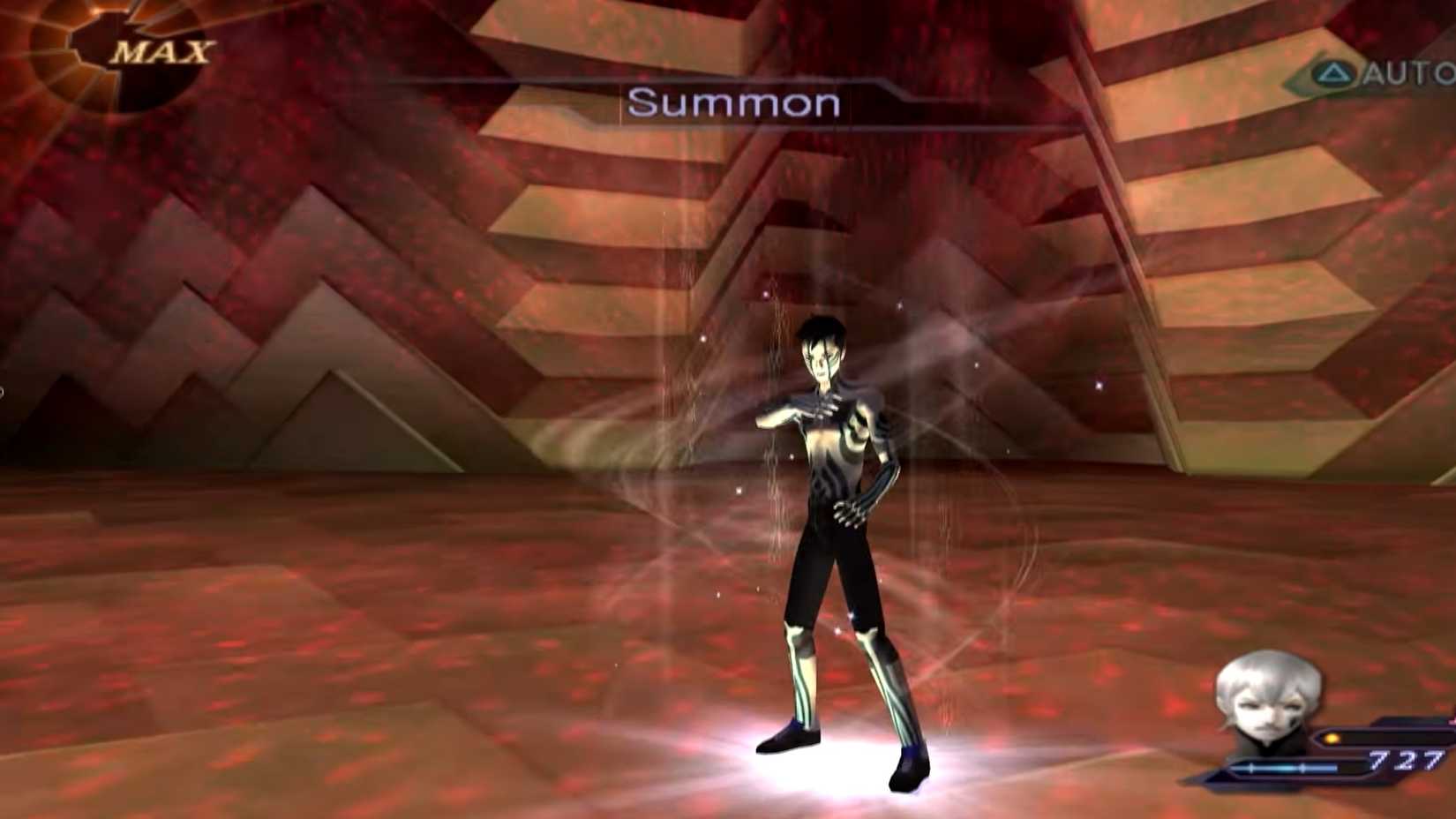
There is a specific kind of arrogance displayed by the Demi-Fiend in Digital Devil Saga. When the player challenges him, the game plays his standard random battle music rather than a specialized boss theme. This is the developers’ way of telling the player that, for the protagonist of Nocturne, this fight is beneath him.
The Demi-Fiend fight is widely considered one of the hardest in the genre. He brings a retinue of demons, including a Pixie that heals him once he drops below a certain health threshold. Any attempt by the player to use elemental immunities is met with "Gaea Rage," an Almighty-type attack that can wipe the entire party in a single turn. It requires level 99 characters, perfect RNG, and a level of strategic planning that borders on masochism.
3. Elizabeth (Persona 3)
A Contractual Obligation
Elizabeth’s superboss fight is not a battle; it is a legal contract. She imposes a strict set of rules: the fight must be finished in fifty turns, the player cannot block or repel attacks, and opening with the "Armageddon" spell results in an instant wipe.
She is scripted to use her most devastating attacks during phase transitions, forcing the player to manage their resources with surgical precision. It is an encounter defined by "coherent absurdity." While it may not feel like a "fair" fight in the traditional sense, the sense of accomplishment derived from overcoming her rigid, unfair ruleset is unmatched.
2. True Vide, the Wicked (Octopath Traveler 2)
The Ultimate Dismantling
Octopath Traveler 2’s superboss is a lesson in player frustration. True Vide begins the fight by reducing all four party members to 1 HP. As the fight progresses, the boss rotates through a multi-phase encounter that involves managing eight separate party members and dealing with adds that reflect physical and magical damage respectively.
In its final phase, True Vide heals for 800,000 HP, enters a berserk state, and takes four actions per turn. It is designed to dismantle every buff and strategy the player has spent the entire game perfecting. It is a boss that makes it clear the developers were having a wonderful time designing a nightmare, and the player’s enjoyment was merely an optional variable.
1. Erde Kaiser Sigma (Xenosaga Episode III)
A Love Letter to the Genre
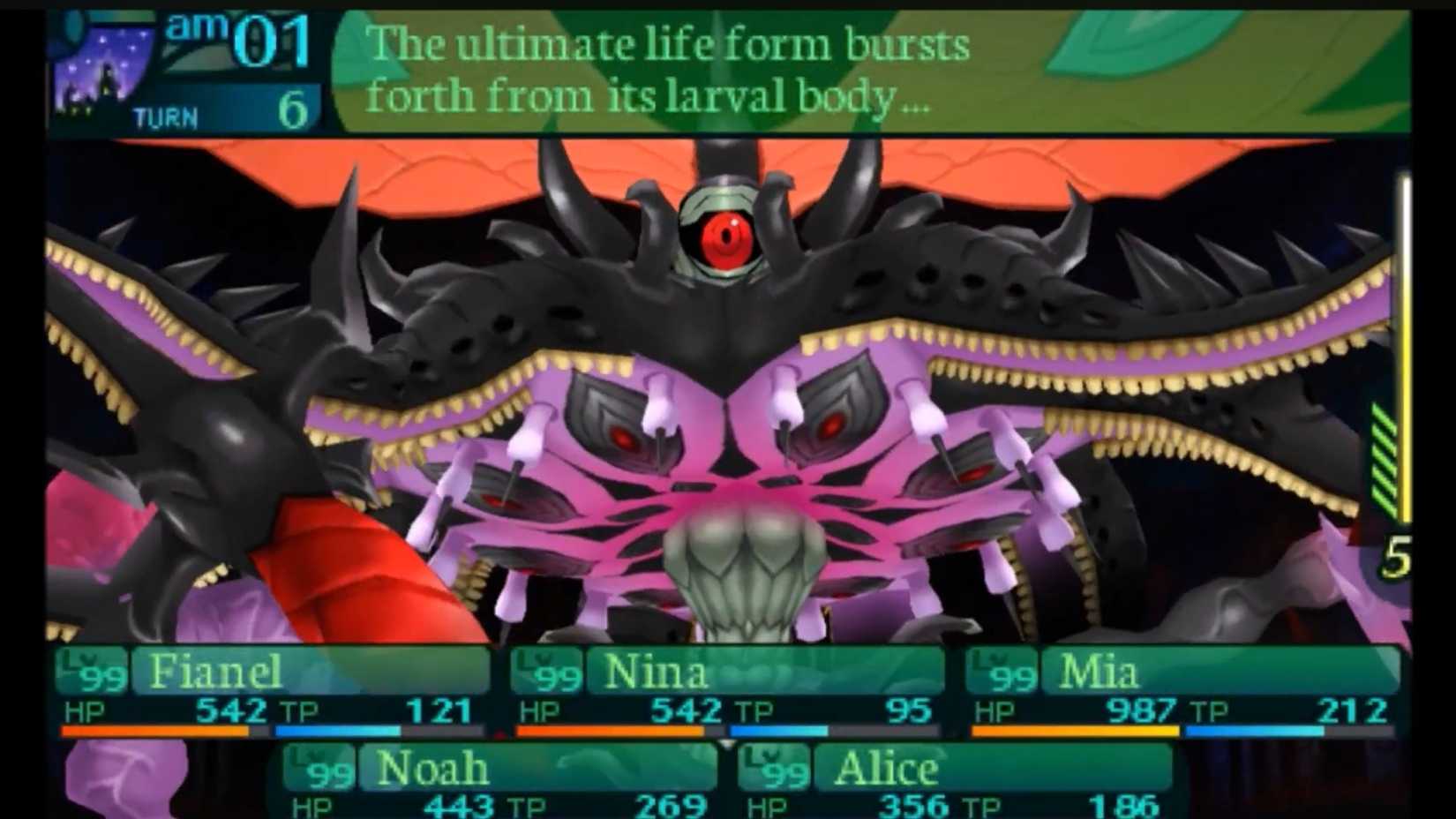
Erde Kaiser Sigma is the ultimate culmination of a sidequest spanning all three Xenosaga games. It serves as a love letter to the history of the genre, deliberately paying homage to the G Elementals from Xenogears and Kaiser Sigma from Mega Man X.
The player can technically challenge him early in the game, though he remains effectively impossible until the final stages. Working out how to manipulate his AI to chip away at his stats is a puzzle in its own right. Defeating him grants the player an exclusive boss theme and a summon that stands as the series’ equivalent to the "Knights of the Round." It is a perfect reward for the player who has remembered every detail, collected every item, and committed to the entirety of the series’ epic narrative.
Implications for the Future of JRPGs
As the JRPG genre continues to evolve with modern accessibility features, the "Superboss" remains a vital anchor to the genre’s roots. These encounters serve as a necessary pressure valve for power-gaming players who wish to push combat systems to their absolute breaking point. While game design trends lean toward more inclusive experiences, the existence of these "unfair" challenges ensures that the spirit of the 90s—where difficulty was a badge of honor—continues to thrive in the modern era. Whether through the mechanical puzzles of Etrian Odyssey or the raw, unfair power of the Shin Megami Tensei series, superbosses will always be the final, most demanding gatekeepers of the JRPG experience.











No comments yet. Be the first to join the conversation!