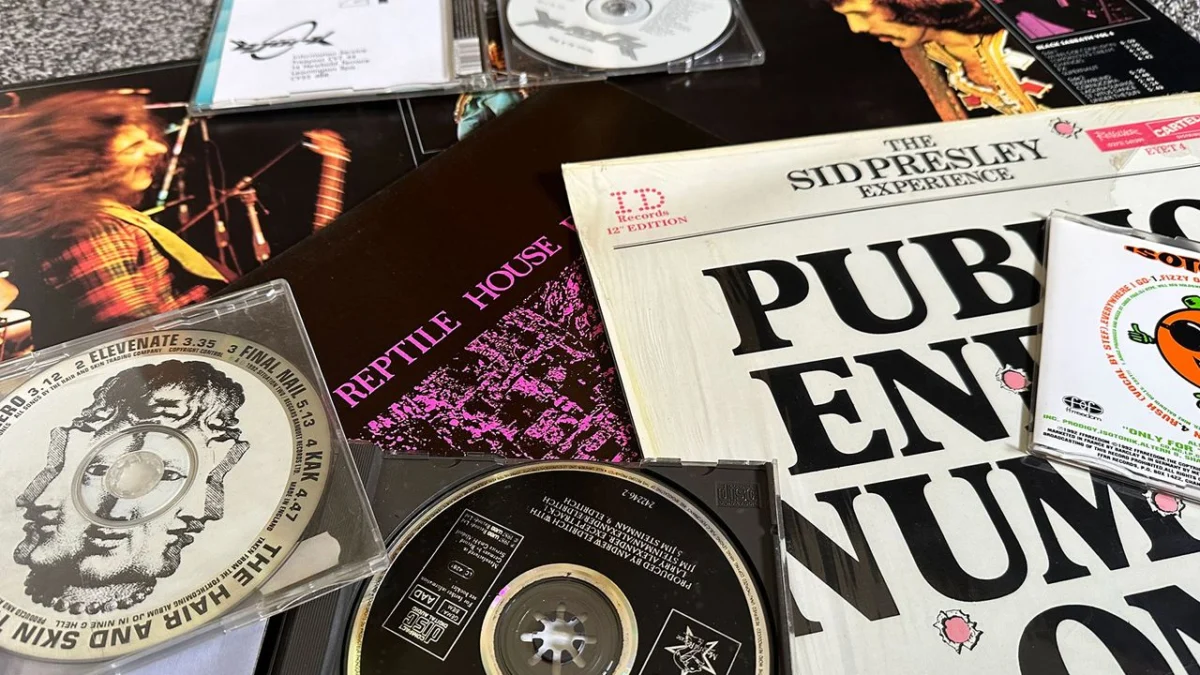
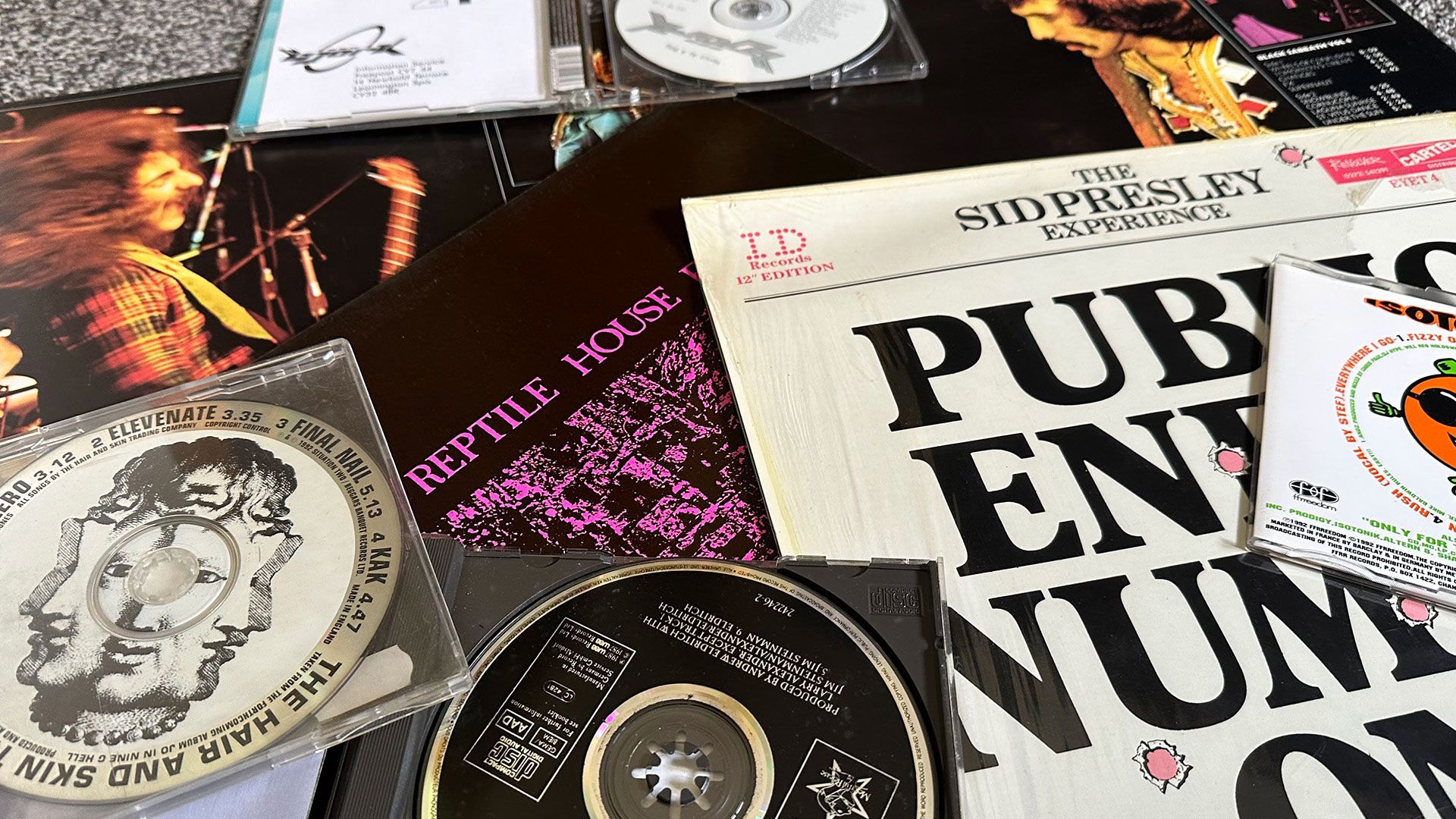
In a landscape dominated by the convenience of cloud-based algorithms and infinite digital libraries, the music industry is witnessing a paradoxical shift. According to the latest mid-year data from the Recording Industry Association of America (RIAA), the U.S. recorded music industry has not only weathered the pressures of modern inflation but has surged forward, posting a robust $6 billion in revenue for the first half of 2026. While streaming services continue to hold the lion’s share of the market, the most compelling story of the year is the meteoric rise of "legacy" physical media, as consumers increasingly reach for the tactile experience of vinyl records and CDs.
The State of the Industry: A Surge in Revenue
The RIAA’s latest report confirms that the recorded music industry is in a period of sustained health. With a total revenue growth of 6.9% year-over-year, the sector is demonstrating that music remains an essential commodity for the American consumer.
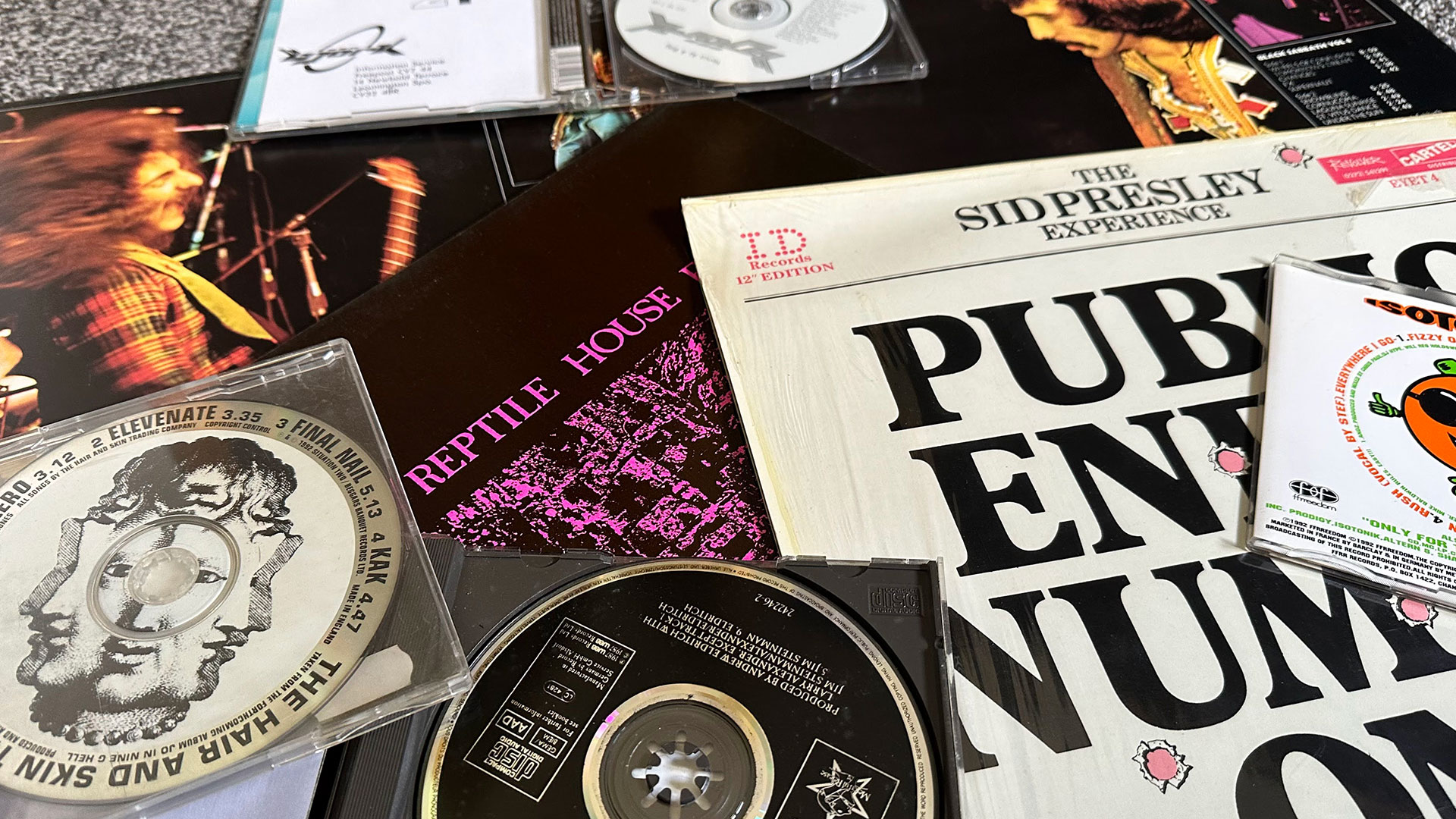
However, the headline-grabbing statistic is the unexpected performance of physical formats. In a world where smartphones are the primary delivery vehicle for audio, physical revenues jumped by an impressive 25.9%. This growth was primarily driven by a 17.7% increase in vinyl record sales and a staggering 58.6% surge in CD sales. This double-digit growth suggests that the "death of physical media"—a narrative pushed by tech pundits for over a decade—has been greatly exaggerated. Instead, a bifurcated market has emerged: one where listeners embrace the ease of Spotify and Apple Music for discovery, but turn to physical media for ownership, curation, and the ritual of active listening.
Chronology of a Resurgence: From Niche to Mainstream
To understand how we arrived at this point, one must look at the shifting attitudes toward digital ownership over the past decade.
- 2010–2015: The Streaming Dominance. During this period, the industry underwent a seismic shift as consumers abandoned iTunes and physical retail in favor of subscription-based models. Convenience became the primary driver of consumption.
- 2016–2020: The Vinyl "Hipster" Phase. Vinyl began its slow climb back into relevance, fueled by indie record stores and a desire for aesthetic, tangible artifacts. During this time, it was often dismissed as a passing trend for collectors.
- 2021–2024: The Pandemic Effect and Supply Chain Woes. COVID-19 lockdowns forced music fans to re-evaluate their home environments. During this time, the "special edition" market exploded, with artists releasing limited-run variants to drive engagement.
- 2025–2026: The "Ownership" Backlash. As streaming services hiked prices, changed user interfaces, and faced scrutiny over licensing agreements, a segment of the audience began to prioritize long-term, non-expiring ownership. The current 2026 data reflects the culmination of this sentiment, as high-profile re-releases and the cultural cachet of physical media reached a new zenith.
Supporting Data: The Digital vs. Physical Split
While the physical sector is growing faster in percentage terms, the RIAA report is careful to highlight that the streaming economy remains the foundation of the industry. Streaming generated $4.9 billion in the first half of 2026, marking a 4.7% increase.
Within the digital category, paid subscriptions accounted for $3.4 billion—a 6.4% growth. Meanwhile, ad-supported, "free" streaming tiers saw a 3.7% increase, totaling $900 million. These numbers illustrate that while the appetite for physical media is ravenous, it is not currently cannibalizing the streaming sector. Rather, the market has expanded to accommodate "hybrid" consumers who pay for the convenience of an unlimited library while simultaneously building a personal archive of their favorite albums on disc or wax.
The Psychology of Ownership: Official Perspectives and Industry Trends
Why are consumers spending their disposable income on media they could access for $12 a month? Industry analysts point to "digital fatigue." As streaming platforms increasingly behave like walled gardens—where music can disappear overnight due to licensing disputes or corporate cost-cutting—the appeal of physical media as a "permanent" good has returned.
The RIAA characterizes this as "continued fan excitement with different ways to experience music across an increasingly varied marketplace." For the modern consumer, a vinyl record is not just a storage medium for audio; it is a piece of art, a collectible, and a tactile connection to the artist. The 58.6% increase in CD sales is particularly telling. After years of being declared obsolete, the CD is benefiting from a "retro-cool" factor among Gen Z, who appreciate its high-fidelity playback and durability compared to the fragility of vinyl.
Implications for the Future: Beyond Music
The trends observed in the music industry do not exist in a vacuum; they are part of a broader cultural pushback against the "service-only" model of the modern internet.
The Video Streaming Backlash
Much like the music industry, the home video market is seeing a similar trend. Consumers, frustrated by the fragmentation of streaming services, the removal of titles from platforms like Max or Disney+, and constant price hikes, are increasingly turning to Blu-rays and 4K UHD discs. The physical home media market is evolving into a sanctuary for cinephiles who want to ensure they can watch their favorite films without being dependent on a platform’s current licensing deal.
The Gaming Controversy
The most aggressive form of this backlash is occurring in the video game industry. High-profile controversies involving companies like Sony—where digital storefronts have occasionally pulled access to "purchased" content—have sparked a "digital ownership" movement. This has led to protests and a renewed demand for physical discs in an era where publishers are increasingly moving toward digital-only distribution.
The message from the consumer is becoming clear: they are willing to pay for convenience, but they are unwilling to surrender the concept of ownership. When a company signals that a user’s library is merely a license that can be revoked, the user’s natural response is to revert to physical media.
The Long-Term Outlook
As we move into the second half of 2026, the music industry finds itself in a surprisingly strong position. By catering to both the high-volume streaming crowd and the high-value physical collector, the industry has created a diversified ecosystem.
The growth in CDs and vinyl is a reminder that technology is not always a straight line of progress. Sometimes, the "latest" tech lacks the emotional weight of the "legacy" tech. For the foreseeable future, labels are likely to continue investing in high-quality remasters, colored vinyl, and limited-edition CD box sets, as these items offer the one thing that a streaming algorithm cannot: a sense of permanence.
Ultimately, the resurgence of physical media is a victory for the "active listener." In an age of passive, background-noise consumption facilitated by smart speakers, the decision to drop a needle on a record or insert a disc into a player represents an intentional act of engagement. As long as artists and labels continue to provide high-quality physical products, there is every reason to believe that this "retro" trend will continue to be a pillar of the music industry’s financial future.
The industry has learned a valuable lesson: while the digital future is inevitable, the physical past still has a massive role to play in the hearts and wallets of the modern consumer. Whether this trend continues to grow at the same pace remains to be seen, but for now, the physical format is no longer just surviving—it is thriving.