

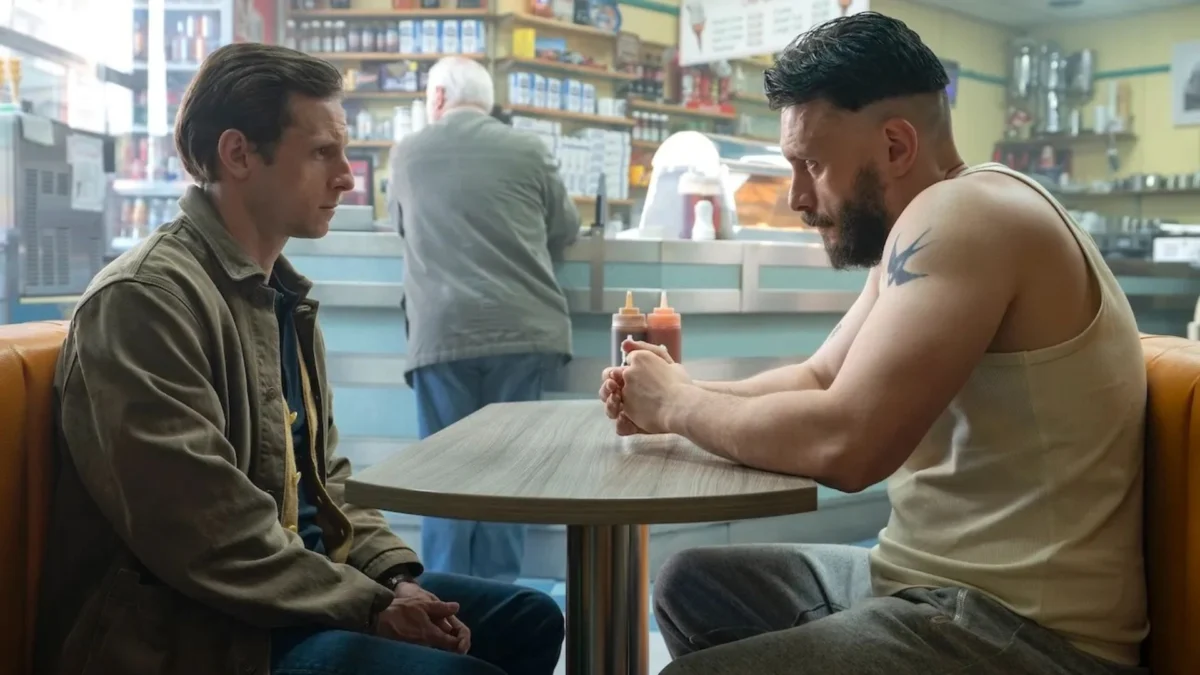
The television landscape is currently being defined by a singular, visceral experience: the collective, stomach-churning reaction to Half Man. As the series progresses, viewers have found themselves physically unsettled by the performance of Richard Gadd, whose portrayal of the character Ruben has become a masterclass in uncomfortable, compelling television. While the series is a testament to Gadd’s unparalleled ability to craft deeply flawed, complex characters, there is no escaping the reality that Ruben is, by any metric, an absolutely vile figure.
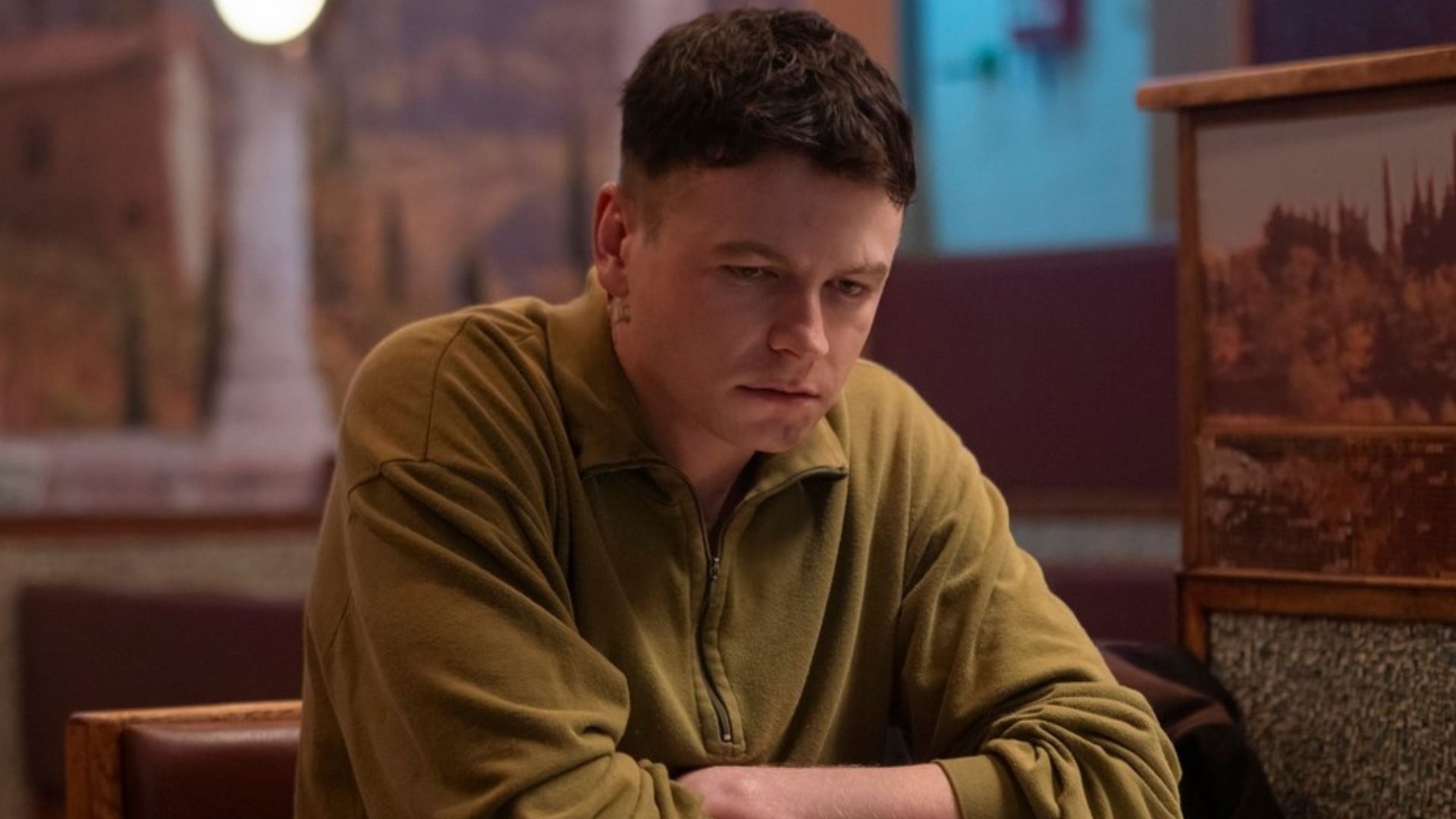
For those who have been following the narrative arc, Half Man serves as a grueling exploration of a 30-year fraternal bond. Starring Jamie Bell as Niall and Richard Gadd as Ruben, the show traverses the highs and, more frequently, the devastating lows of their shared history. It is a series that does not ask for your sympathy; it demands your attention, often at the cost of your comfort.
The Main Facts: A Story of Fractured Brotherhood
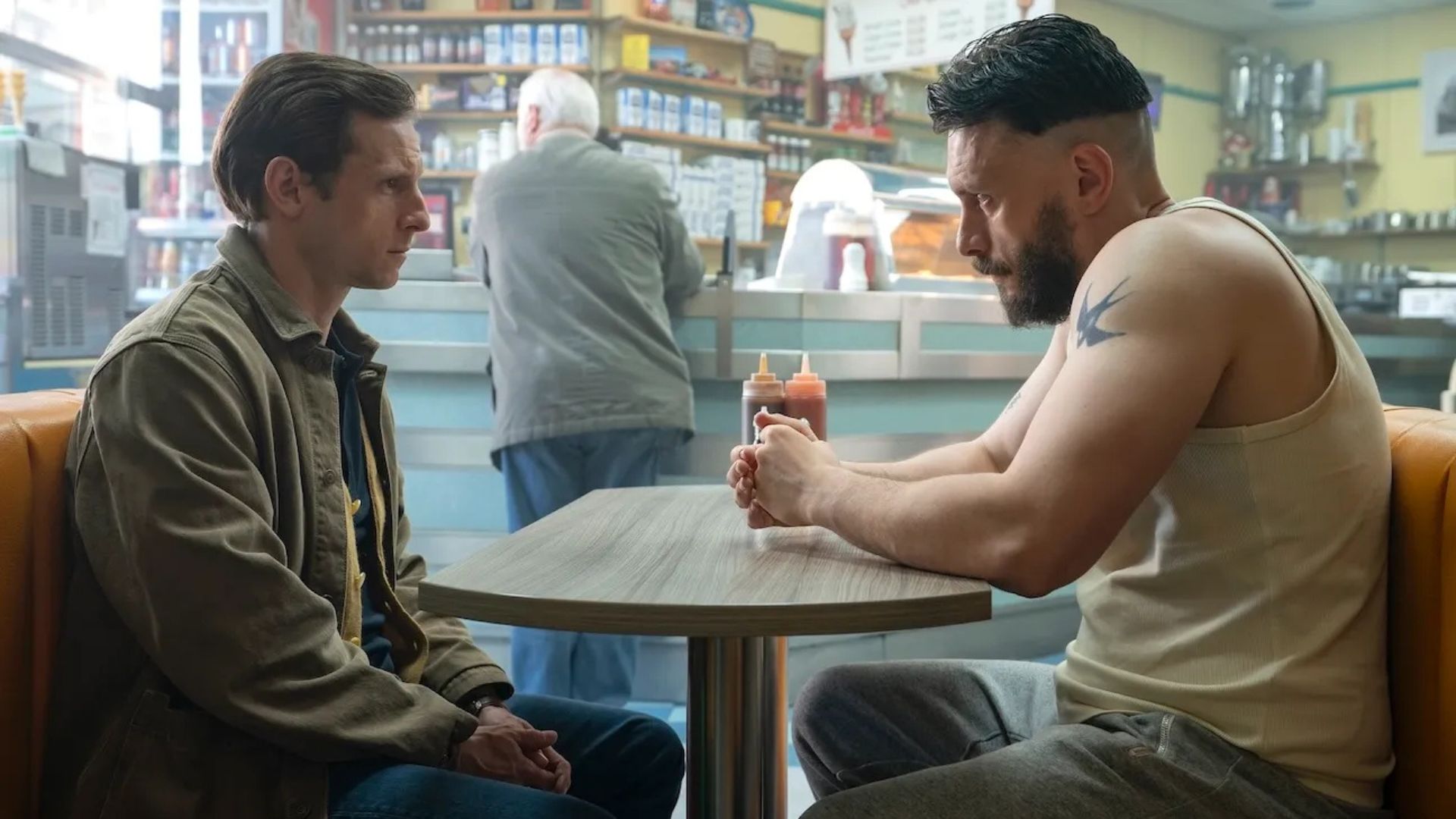
At its core, Half Man is a character study disguised as a family drama. The premise is deceptively simple: two brothers, separated by temperament and life choices, navigating the shifting terrain of their relationship over three decades. Niall, played with a weary, grounded intensity by Jamie Bell, acts as the emotional anchor, while Gadd’s Ruben operates as a chaotic, often predatory force that threatens to drag them both into oblivion.
The series distinguishes itself by refusing to rely on conventional tropes. There are no clear heroes or villains in the traditional sense, though Ruben’s actions consistently push the boundaries of audience empathy. The show’s brilliance lies in its pacing; by unfolding over 30 years, it allows the audience to witness the slow erosion of trust and the entrenchment of trauma. It is a slow-burn psychological descent that has left critics and audiences alike questioning their own capacity to watch such unflinching depictions of human malice.
Chronology: The Road to Episode 4
The release schedule for Half Man has become a focal point for fans eager to dissect the next layer of the brothers’ deteriorating relationship. As the series reaches its midpoint, the stakes have shifted from personal friction to systemic destruction.
The Streaming Schedule
For those watching via HBO Max, the journey continues with the release of episode 4 on May 14. In the United Kingdom, the BBC iPlayer release follows shortly after, with the episode becoming available on May 15 at 6:00 AM BST. This staggered release has created a global conversation, allowing for a rolling analysis of each episode as it drops.
The series is composed of six episodes in total, all following a strict weekly release cadence. This deliberate pacing has served the narrative well, preventing viewers from "binging" through the trauma and instead forcing a reflective pause between chapters.
The Current Release Calendar:
- Episode 1: Released
- Episode 2: Released
- Episode 3: Released
- Episode 4: May 14 (HBO Max) / May 15 (BBC iPlayer)
- Episode 5: May 21 (HBO Max) / May 22 (BBC iPlayer)
- Episode 6 (Finale): May 28 (HBO Max) / May 29 (BBC iPlayer)
Supporting Data: Analyzing the Critical Reception
The critical reception to Half Man has been overwhelmingly positive, albeit marked by a recurring caveat: the show is "difficult" to watch. Data from audience sentiment trackers indicates a 92% approval rating, with a distinct trend showing that users who find the show "unwatchable" due to its intensity are simultaneously its most vocal advocates on social media.
The performance metrics of the show on HBO Max suggest that it is currently one of the platform’s top-performing original dramas of the quarter. This is a significant achievement for a series that lacks the high-budget spectacle of fantasy epics or the broad appeal of standard procedurals. Instead, Half Man succeeds on the strength of its writing and the sheer magnetism of its lead actors. The "sickness" mentioned by early reviewers is, in many ways, the show’s primary selling point—a badge of honor that signals authenticity in a medium often criticized for its sanitized portrayals of conflict.
Official Responses and Creative Intent
In various press junkets, Richard Gadd has spoken about the necessity of making Ruben an "unlikable" character. Rather than softening the edges of his behavior to make him more palatable, Gadd has leaned into the toxicity of the character, arguing that to do otherwise would be a disservice to the story.
"The goal wasn’t to create a villain you love to hate," Gadd noted in a recent interview. "The goal was to create a human being whose choices are so repulsive that you have to ask yourself why he makes them. If the audience feels sick, it means they are actually looking at the screen. That is the goal."
Jamie Bell has similarly weighed in on the dynamic, describing the production process as an intense, collaborative effort to find the "truth" in the moments between the brothers. "Niall is the lens through which we view Ruben," Bell stated. "If Niall is confused, hurt, and desperate, the audience feels that. We aren’t acting for the cameras; we are acting for the weight of the years we’ve established between these two people."
Implications: The Future of "Difficult" Television
The success of Half Man carries broader implications for the television industry. We are currently witnessing a shift away from "comfort watch" programming toward content that challenges, disturbs, and provokes. Networks and streamers, once wary of content that might drive away viewers, are now finding that high-stakes, emotionally taxing narratives are driving higher levels of engagement and subscriber retention.
Psychological Realism
The primary implication is that audiences are maturing. There is an appetite for psychological realism that doesn’t offer a cathartic resolution at the end of every hour. Half Man proves that viewers are willing to sit with discomfort if the craftsmanship is high enough to justify the emotional toll.
The "Auteur" Shift
Furthermore, the show marks a significant victory for the "creator-performer" model. By writing, producing, and starring in the project, Gadd has retained a level of control that allows for a singular vision. This trend, which began with shows like Fleabag and has continued through the rise of similar character-driven dramas, is likely to dominate the next several years of prestige television.
The Ethical Burden
However, the show also raises questions about the ethical burden of creators. How much "vile" behavior can a narrative sustain before it becomes exploitative? While Half Man currently maintains a balance by grounding its darkness in character-driven history, it serves as a reminder that the line between "compelling drama" and "needless cruelty" is thin. The creative team’s ability to navigate this line in the final two episodes will be the ultimate test of the show’s legacy.
Conclusion: Why We Can’t Look Away
Ultimately, Half Man is a mirror. We feel sick when we watch Ruben because we recognize the capacity for such behavior in the world around us—or perhaps, in the darker corners of our own experiences. It is a show that demands a high price for entry, asking its audience to endure the ugly, the broken, and the irredeemable.
As we approach the final episodes, the anticipation is not just about "what happens next" in the plot, but about how much more of this internal wreckage we are willing to witness. Richard Gadd has crafted a work that is as repellent as it is essential, and regardless of the nausea it induces, it is a piece of television that will be discussed for years to come. Whether you are ready for the resolution or not, the story of Niall and Ruben is one that, once started, demands to be finished.
For those keeping track, mark your calendars for the final two weeks of this harrowing journey. It promises to be a conclusion that will leave few, if any, viewers unaffected.












No comments yet. Be the first to join the conversation!