

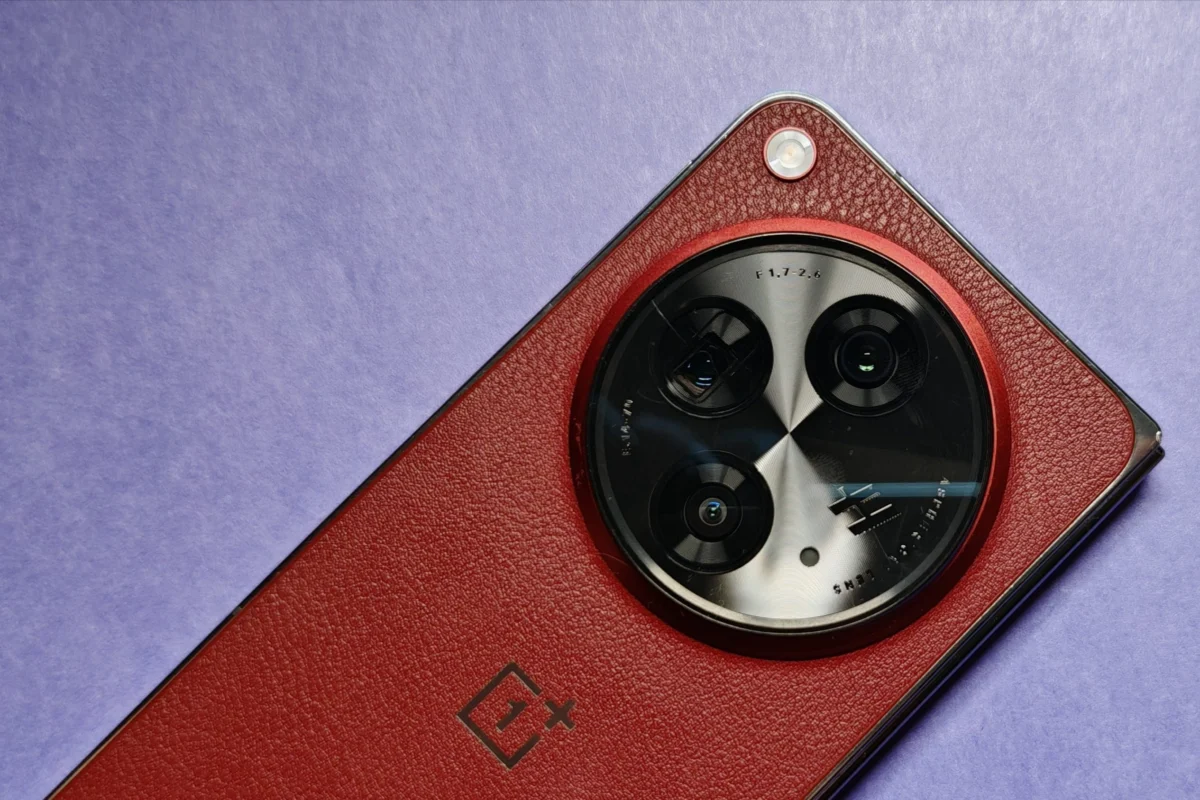
The smartphone landscape, once a playground for disruptive startups and "flagship killer" brands, is witnessing a potential seismic shift. For months, whispers of a strategic retreat by OnePlus from its two most critical Western markets—the United States and Europe—have circulated within industry circles. While the company has repeatedly issued denials, characterizing executive shuffles and retail adjustments as standard business operations, a new report from WinFuture suggests that the rumors may finally be crystallizing into a formal, imminent announcement.
If these reports hold true, this week could mark the end of the OnePlus brand as a global consumer entity in the West, signaling a profound consolidation by its parent company, Oppo.
The Chronology: From Disruptor to Departure
To understand the gravity of a potential exit, one must look at the trajectory of the brand. Launched in 2013, OnePlus carved out a unique niche by offering high-end hardware at aggressive price points, effectively challenging the duopoly held by Samsung and Apple.
- Early 2024: Initial reports surfaced regarding declining retail footprints and internal restructuring, which OnePlus dismissed as "business as usual."
- Mid-2024: Persistent rumors regarding supply chain integration between OnePlus and Oppo grew louder, with critics pointing to the gradual disappearance of distinct OnePlus branding in certain retail channels.
- Late 2024: Evidence of inventory clearing emerged, with European retail partners showing limited stock and no clear roadmap for replenishment of the flagship Nord and numbered series.
- Present Day: Industry insiders now suggest that a formal announcement regarding a total withdrawal from North American and European markets is slated for this week.
According to sources cited by WinFuture, the impending announcement is not merely a marketing pivot but a fundamental dismantling of the company’s Western operations. "What sounds like a lot of marketing hype is nothing less than the withdrawal from key markets and the end of OnePlus as we’ve known it," the report claims.
The Strategic Logic: Why Now?
The smartphone industry is currently undergoing a painful transformation. The era of cheap, high-performance hardware is clashing with the harsh reality of global supply chain economics. Several factors likely contribute to this strategic retreat:
1. The Death of the "Flagship Killer"
The very strategy that propelled OnePlus to fame—undercutting competitors on price while matching them on specs—has become unsustainable. As the cost of premium components (such as high-end OLED displays, advanced camera sensors, and 5G modems) continues to rise, the margins for companies that do not have the massive vertical integration of Apple or the supply-chain dominance of Samsung are shrinking to near-zero.

2. The AI Component Squeeze
The global rush toward Artificial Intelligence has fundamentally altered the semiconductor market. AI-driven demand for HBM (High Bandwidth Memory) and advanced storage modules has sent prices soaring. This has created an inflationary environment where the cost of building a "value-flagship" has spiked, forcing manufacturers to either raise prices—risking their competitive edge—or exit the market entirely.
3. Software Consolidation: The End of OxygenOS
A recurring theme in the rumors is the systematic erosion of the brand’s identity. The transition from the beloved, near-stock Android experience of OxygenOS to the more heavily skinned, Oppo-centric ColorOS was seen by many enthusiasts as the beginning of the end. By sunsetting the unique software identity that kept long-term users loyal, the company has arguably already begun its transition into a secondary sub-brand of Oppo, rendering the existence of a separate "OnePlus" entity redundant in the eyes of corporate leadership.
Implications: What Happens to Existing Users?
For current owners of OnePlus devices, the immediate future is a mix of uncertainty and relative stability. The company has indicated that it intends to honor existing hardware warranties and provide ongoing software support for the remainder of their product lifecycles.
Crucially, the "safety net" in this scenario is the parent company, Oppo. Because Oppo maintains a strong, ongoing presence in the European Union, the technical infrastructure required to support existing devices—such as parts, repair facilities, and software development teams—remains intact. While the brand "OnePlus" may disappear from store shelves, the underlying operational machine is expected to keep the lights on for existing customers. However, the lack of new device launches will inevitably lead to a slow, phased-out obsolescence of the brand’s footprint in Western households.
Official Responses and Corporate Strategy
Despite the gravity of the situation, OnePlus has remained largely guarded. In previous statements, the company stated: "Reports of dismantling are false," insisting that any organizational changes were part of a broader, long-term global strategy to streamline efficiency.
However, the tone of the industry has shifted. The latest reports suggest that internal discussions with the press have begun to clarify that while support will continue, the roadmap for the US and Europe is effectively empty. There are no plans to introduce future iterations of the OnePlus smartphone line in these regions. This suggests that the "official denial" strategy may have been a temporary measure to manage inventory sell-through and mitigate panic among retailers until the transition was ready to be made public.
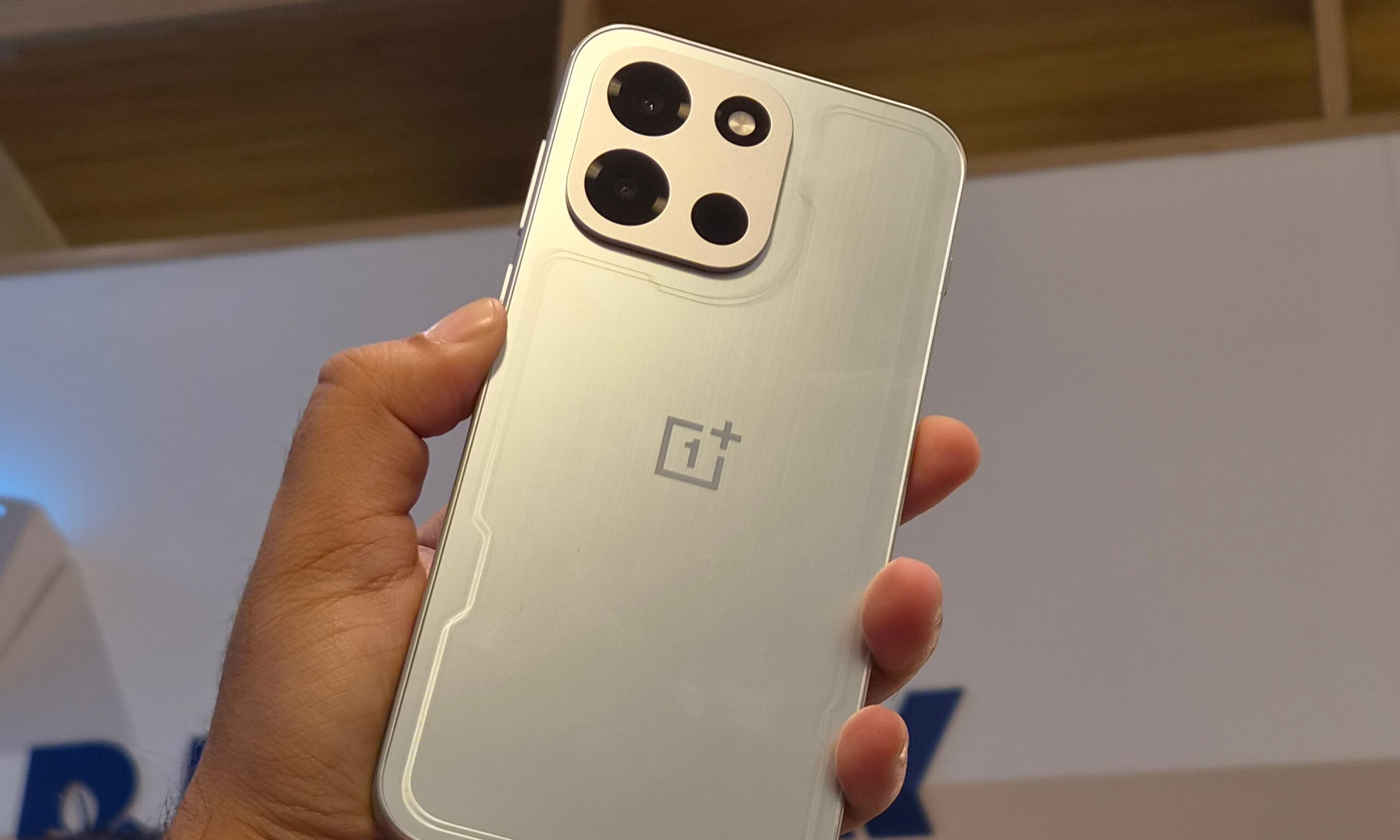
The Broader Context: A Shrinking Market
The potential exit of OnePlus highlights a broader trend: the consolidation of the smartphone market into two dominant global players. Samsung and Apple have successfully leveraged their massive economies of scale to absorb the rising costs of raw materials, effectively insulating themselves from the price hikes that are crushing smaller players.
For the consumer, this is a grim development. The "flagship killer" movement forced major manufacturers to innovate faster and keep pricing competitive. Without this pressure, there is little to stop the industry from shifting toward a model where high-end technology is locked behind increasingly astronomical price tags. If the iPhone 18 Pro is indeed trending toward a $300 price hike, as some analysts suggest, the loss of a value-oriented powerhouse like OnePlus will be felt acutely by the average consumer.
Looking Ahead
If the reports are accurate, we are witnessing the closing of a chapter in tech history. OnePlus was a brand built on community, enthusiast-led software, and a rebellious spirit that disrupted an industry defined by stagnation. Its potential departure is not just about the loss of a product line; it is a symptom of an industry that is becoming increasingly closed, expensive, and hostile to challengers.
As we await the official announcement this week, the tech community remains in a state of cautious observation. Will this be a total exit, or a rebranding effort? Can the "OnePlus" spirit survive within the corporate structure of Oppo, or will it be completely absorbed, losing the very essence that made it a household name for millions of users worldwide?
Regardless of the outcome, the events of this week will likely be studied as a case study in the volatility of the global smartphone market and the extreme difficulty of maintaining a "disruptor" status in an era of supply chain dominance. For now, the future of the company remains in limbo, but all signs point toward a quiet, calculated withdrawal from the Western stage.











