

By Matthew Wilson | Tech & Gaming Correspondent
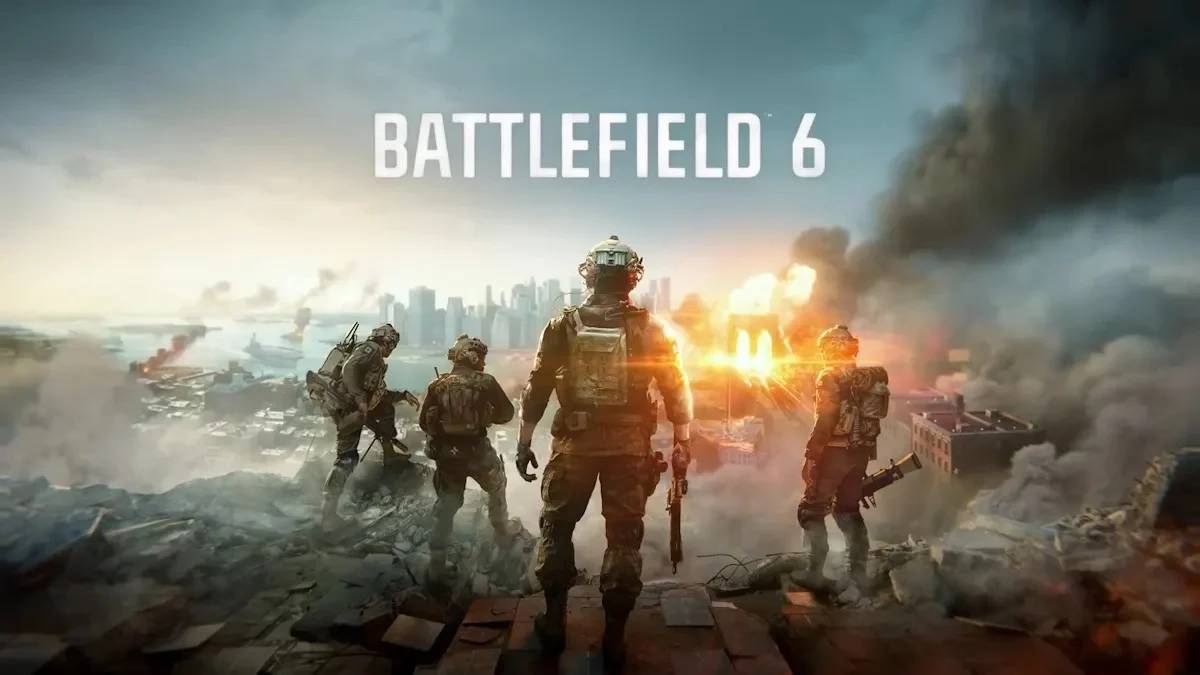
The landscape of Battlefield 6 is shifting significantly today as developer DICE officially rolls out the highly anticipated Season 3 update. Following a period of community feedback regarding map density and the demand for a more structured competitive environment, the studio has delivered a massive content drop. Phase One of this seasonal rollout introduces a landmark map that challenges the scale of the franchise’s history, alongside a long-requested Ranked Play framework designed to elevate the game’s esports profile.
Main Facts: A New Era for Battlefield 6
The Season 3 update acts as a cornerstone for the game’s longevity, addressing two of the most vocal critiques from the player base: the lack of sprawling, large-scale battlegrounds and the absence of a formal, skill-based competitive ecosystem.
The centerpiece of this update is the "Railway to Golmud." Reimagined from the fan-favorite Battlefield 4 map, this version has been overhauled to suit the technical architecture of Battlefield 6. It currently holds the title of the largest map in the franchise’s history, offering a mix of vast, open-terrain tank warfare and tight, objective-heavy combat zones. The iconic moving train remains a central, dynamic threat, forcing players to adapt their positioning as it traverses the map, creating constant shifts in the front line.
Simultaneously, the update marks the inaugural launch of "Ranked Play" within the REDSEC Battle Royale Quads mode. This framework is not merely a playlist; it is a comprehensive competitive system that tracks player performance across a tiered hierarchy, ranging from "Rookie" to the elite "Master" rank.
Chronology of the Season 3 Rollout
The deployment of Season 3 follows a deliberate, phased strategy implemented by DICE to ensure server stability and allow for community digestion of new mechanics.
- Pre-Launch (May 2026): DICE teased the return of legacy maps and hinted at a "competitive overhaul" that would change how high-level players engage with the Battlefield ecosystem.
- Today (Launch Day): Phase One commences. Players gain access to "Railway to Golmud," the Ranked Play framework, and the commencement of the Season 3 Battle Pass.
- The Interim Period: Throughout the coming weeks, developers will monitor matchmaking data from the new Ranked system to adjust point-gain algorithms.
- June 2026 (Phase Two): The second half of the season is scheduled to launch, bringing a total redesign of Battlefield 3’s "Grand Bazaar." This map is expected to contrast the scale of Golmud with intense, urban, close-quarters combat.
Supporting Data and Competitive Mechanics
The introduction of Ranked Play is a sophisticated addition to the Battlefield portfolio. Unlike traditional casual modes, the new competitive framework utilizes a proprietary scoring system to ensure that rank reflects individual contribution rather than just team victory.
The Ranked Framework
Players earn "Ranked Points" (RP) based on a tripartite calculation:
- Confirmed Kills and Assists: Rewarding individual lethality and team support.
- Objective Participation: Tracking the time spent on objectives or the number of captures/defenses.
- Final Placement: A multiplier applied based on the squad’s survival time within the REDSEC Quads match.
The inclusion of a "Master" rank, limited to the top 250 players globally, is clearly designed to foster a professional-grade environment. These top-tier players will receive unique in-game emblems and prestige titles, which serve as a visual shorthand for skill in the pre-match lobby.
The Scale of "Railway to Golmud"
The decision to bring back Golmud is a strategic play by DICE. By increasing the physical map size to record-breaking dimensions, the developers are attempting to solve the "funneling" problem—a common issue in modern shooters where players are forced into predictable choke points. The sheer expanse of Golmud allows for flank-heavy gameplay, encouraging the use of air and ground vehicles that have been underutilized in previous, tighter map designs.
Official Responses and Developer Philosophy
In a recent developer stream, the team at DICE emphasized that Season 3 is about "listening to the heritage of the franchise while pushing technical boundaries."
"We recognize that Battlefield is at its best when the scale is massive, but the tactical choices are granular," noted a lead systems designer. "With the Railway to Golmud, we wanted to prove that we could maintain the chaos of a 128-player environment while ensuring that every individual movement feels impactful. The moving train is the perfect embodiment of this; it is a chaotic, unpredictable variable that forces players to think on their feet."
Regarding the Ranked system, DICE acknowledged the risk of alienating casual players but argued that a healthy competitive scene is necessary for the game’s health. "By isolating Ranked Play to REDSEC Quads for now, we can maintain the purity of the casual experience in other modes while providing a dedicated home for those who want to prove their dominance."
Implications: The Future of the Battlefield Franchise
The implications of this update are far-reaching. By committing to a seasonal model that includes "legacy reimaginings," DICE is essentially banking on the nostalgia and reliability of older titles to sustain interest in Battlefield 6.
A Shift in Meta
The introduction of the "Handheld Jammer" gadget alongside the Season 3 update is a direct counter to the heavy reliance on drone and vehicle-based spotting. By allowing infantry to create localized "dead zones" for enemy reconnaissance, DICE is shifting the meta away from passive information gathering and toward aggressive, high-risk play. This will likely force vehicle operators to be more cautious and encourage squads to coordinate their equipment usage.
The Competitive Battlefield
The move into formal Ranked play suggests that Electronic Arts and DICE are positioning Battlefield to reclaim a stake in the esports market. If the REDSEC Quads ranked model proves successful, it is highly probable that we will see the expansion of Ranked systems into standard Conquest and Breakthrough modes in future seasons.
Community Reception
Early feedback from the community has been largely positive, particularly regarding the size of the new map. However, some long-time fans have expressed concern over the "Battle Royale-ification" of the game’s competitive mode. The debate continues as to whether Battlefield should focus on its classic large-scale military simulation roots or lean further into the high-stakes, small-squad dynamics popularized by the battle royale genre.
Final Thoughts: Should You Return?
As we move into the middle of the 2026 gaming calendar, Battlefield 6 is undergoing a vital transformation. Whether you are a veteran of the Battlefield 3 and 4 eras looking to see how your favorite maps have aged, or a newer player seeking a competitive ladder to climb, Season 3 offers a compelling reason to jump back into the fray.
The blend of classic, high-octane map design and modern, stats-driven competitive play makes this the most significant content update the game has seen since its launch. With Phase Two promising further urban chaos in the Grand Bazaar, the remainder of 2026 looks to be a pivotal year for the franchise.
Will you be jumping back into Battlefield 6 for the new season? The theater of war is open, and the leaderboard is waiting.










No comments yet. Be the first to join the conversation!