

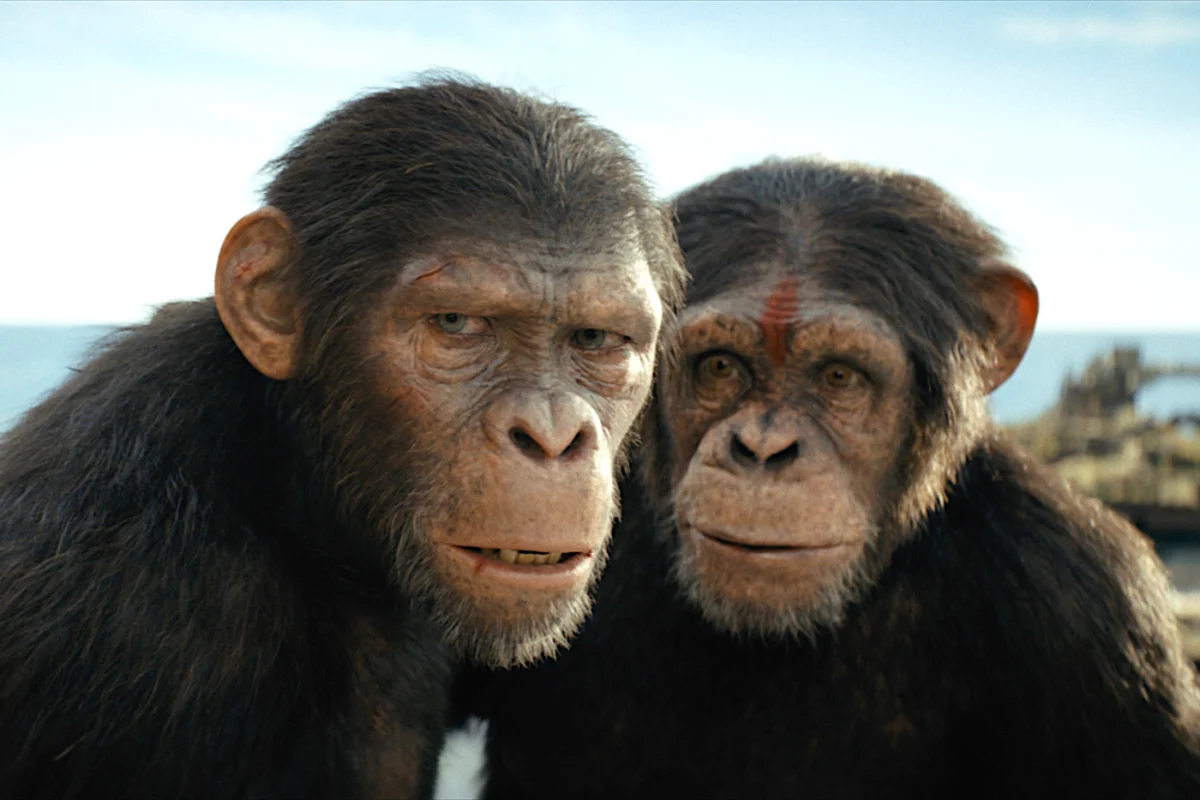
The Planet of the Apes franchise has proven to be as resilient as its titular protagonists. Following the commercial and critical success of 2024’s Kingdom of the Planet of the Apes, which introduced audiences to a world transformed three centuries after the reign of Caesar, 20th Century Studios is officially moving forward with a new installment. In a significant shakeup for the long-running science fiction series, director Matt Shakman—fresh from his work on Marvel’s upcoming Fantastic Four: First Steps—has been selected to helm the project, signaling a high-profile commitment to the franchise’s future.
The Evolution of the Franchise: A Brief Chronology
The Planet of the Apes intellectual property remains one of the most durable assets in cinematic history. Since the debut of the original 1968 film starring Charlton Heston, the series has undergone multiple reinventions. However, its modern era began in 2011 with the release of Rise of the Planet of the Apes. Directed by Rupert Wyatt, this reboot utilized groundbreaking motion-capture technology to ground the spectacle in emotional realism, centering on the rise of the ape leader, Caesar.
The franchise reached a creative apex under director Matt Reeves, who oversaw Dawn of the Planet of the Apes (2014) and War for the Planet of the Apes (2017). These films transformed the series into a sophisticated exploration of war, ethics, and the collapse of human civilization. After a seven-year hiatus, Wes Ball revitalized the property with Kingdom of the Planet of the Apes, which shifted the narrative focus 300 years into the future. By moving away from the immediate aftermath of Caesar’s life, the film opened the door for a new trilogy, establishing a world where ape clans have developed their own complex societies, religions, and conflicts.
The Creative Pivot: Matt Shakman and the "Company Man" Approach
The appointment of Matt Shakman marks a strategic pivot for 20th Century Studios. Shakman is widely regarded as one of Hollywood’s most versatile directors, having masterfully navigated the transition from prestige television—including episodes of Game of Thrones, The Boys, and the critically acclaimed WandaVision—to the high-stakes world of blockbuster superhero cinema.
Joining Shakman is screenwriter Josh Friedman, whose return to the franchise provides a crucial layer of narrative continuity. Friedman’s involvement is significant, as he penned the script for Kingdom of the Planet of the Apes. By retaining a writer who understands the intricate world-building established in the previous installment, the studio appears to be prioritizing a seamless expansion of the current timeline rather than another complete reboot.
Friedman’s profile is often described as that of a "company man" within the 20th Century/Disney ecosystem. Beyond his work on the Apes series, he has been a key collaborator in the Avatar franchise, working closely with producers Amanda Silver and Rick Jaffa. Silver and Jaffa are the architects of the modern Apes resurgence, having developed and written the 2011 Rise reboot. Their transition from writers to producers on this project ensures that the DNA of the franchise—specifically the focus on empathetic, motion-captured ape protagonists—remains at the forefront.
Strategic Implications: Why This Matters for 20th Century Studios
The decision to pair Shakman with Friedman suggests a desire to replicate the formula that made the recent Apes films both profitable and critically lauded. The franchise is, at its core, a "prestige blockbuster"—a film that balances big-budget spectacle with heavy philosophical themes regarding human nature, animal rights, and the cycle of history.
The "Star Trek" Precedent
Shakman’s history with large-scale intellectual properties is extensive. Following his success with WandaVision, he was famously attached to direct a Star Trek film for Paramount. That project faced significant delays and eventually stalled, leaving Shakman available to take on the Fantastic Four project for Marvel Studios. His transition to Apes demonstrates a continued trust from major studios in his ability to manage massive visual effects pipelines while maintaining a coherent character-driven narrative.
The Trilogy Potential
The lingering question is whether the upcoming film will be a direct sequel to Kingdom. Given that Kingdom was marketed as the "potential start of a new trilogy," all signs point toward a direct continuation. If the studio intends to maintain the current trajectory, the new film will likely delve deeper into the burgeoning societies of the various ape clans and the fragile, hidden status of the remaining human population.
The Technical and Artistic Hurdles
The Planet of the Apes series is not merely a test of directorial vision; it is a test of technological endurance. The films rely heavily on Wētā FX (formerly Weta Digital) to bring the apes to life. As the technology continues to advance, the challenge for Shakman will be to maintain the "human" element of the performance capture.
In past entries, the success of the film rested on the shoulders of actors like Andy Serkis. Moving forward, the franchise must find new performers who can convey the same level of nuance and gravity. The narrative challenge, meanwhile, involves keeping the audience engaged in a world where the human characters are increasingly sidelined or marginalized. The "Apes" films are unique in that they force the audience to identify with a species that, in the real world, we often treat as secondary to our own.
Official Responses and Industry Sentiment
While 20th Century Studios has remained tight-lipped regarding specific plot details or casting, the industry reaction has been largely positive. By securing a director with Shakman’s track record, the studio is signaling to investors and fans alike that the Apes franchise remains a flagship pillar of their release slate.
"The Planet of the Apes franchise is in a unique position," says film industry analyst Marcus Thorne. "It doesn’t rely on a single star or a singular ‘gimmick.’ It relies on the consistency of its tone. By keeping Josh Friedman on as a writer and shifting Silver and Jaffa into producing roles, the studio is essentially creating a ‘brain trust’ that protects the series from the kind of creative drift that often plagues long-running franchises."
Looking Ahead: The Road to Production
As of mid-2026, there is no official production timeline. The film is currently in early development, with pre-production likely to follow the completion of Shakman’s work on Fantastic Four.
The implications of this move are clear: the Planet of the Apes is no longer just a movie; it is an enduring cinematic universe. With three centuries of history to draw upon, the writers have a blank canvas. Whether the film chooses to explore the technological collapse of the humans or the internal political struggles of the newly established ape civilizations, it will be operating under the weight of one of the most impressive runs in modern science fiction.
Summary of Future Considerations:
- Narrative Direction: Will the film address the remnants of the human resistance or focus entirely on the internecine conflicts of the ape clans?
- Technological Advancement: How will the next generation of motion capture impact the visual storytelling, particularly in non-human environments?
- The "Fantastic Four" Effect: Will Shakman’s experience with the Fantastic Four influence the visual language or scale of the Apes sequel?
As the industry watches, the expectation is that this new partnership will maintain the high standard of visual and thematic storytelling that audiences have come to expect. While the "monkey movies" might be set in a distant, post-apocalyptic future, the questions they raise about power, morality, and the nature of the "other" remain as relevant as ever to our present world. The apes are indeed back, and they are here to stay.












No comments yet. Be the first to join the conversation!