Sagoh
Sagoh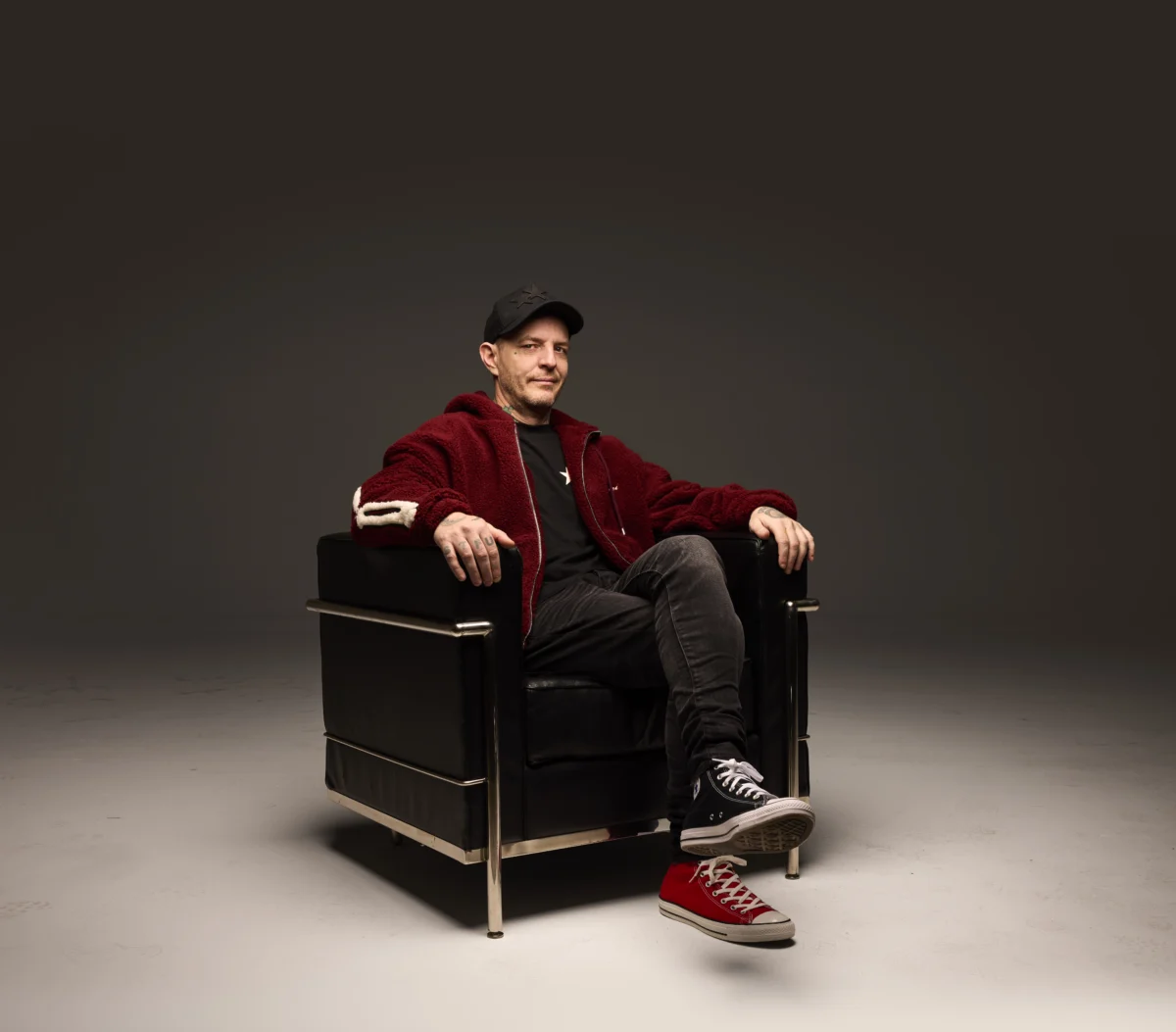
In a move that signals the deepening convergence of high-fidelity electronic music, proprietary technology, and intellectual property (IP) management, Canadian electronic pioneer Deadmau5—legally known as Joel Zimmerman—has officially signed with Independent Artist Group (IAG). The partnership marks a significant transition for the Grammy-nominated producer, who departs CAA to join IAG for comprehensive representation across music, film, television, digital content, gaming, and technology.
This strategic alignment comes at a pivotal moment in Zimmerman’s career, occurring shortly after a landmark $55 million transaction in March 2025, in which he sold his song catalog and the Mau5trap label to Create Music Group. As he pivots toward an era defined by ownership and technical innovation, the IAG deal is expected to serve as the launchpad for his next phase of creative expansion.
Chronology: From Underground Producer to Tech Mogul
To understand the magnitude of Zimmerman’s move to IAG, one must view his career not merely as a discography, but as a long-term experiment in digital infrastructure.
The Early Years (2005–2010)
Emerging from the burgeoning progressive house scene, Joel Zimmerman gained prominence in the mid-2000s by blending intricate sound design with a distinct, anonymous-leaning brand identity. His breakout success coincided with the explosion of the EDM festival circuit, yet Zimmerman famously maintained a skeptical distance from the industry’s status quo, favoring independent release structures and community-building via streaming long before it became a standard industry practice.
The Mau5trap Era (2007–2025)
In 2007, he founded Mau5trap, which became a vital incubator for genre-defying electronic artists, including Skrillex, Rezz, Noisia, Feed Me, and the late i_o. The label functioned not just as a vehicle for his own hits, but as a platform for curating a specific, gritty, and technically proficient sound.
The Pivot to Technology and IP (2015–Present)
As his global touring profile solidified, Zimmerman began shifting his focus toward software and gaming. He pioneered the use of interactive live-performance software, creating platforms like Auto/Pilot—a tool designed for complex real-time sequencing and automation. Simultaneously, he expanded into digital media with Coffee Run, an informal interview series, and founded Oberhasli Games, a gaming venture that underscores his commitment to the intersection of play and performance.
The $55 Million Inflection Point (March 2025)
The most significant financial milestone in his career occurred in March 2025, when Zimmerman sold his song catalog—comprising over 4,000 copyrights and sound recordings—to Create Music Group. This deal was not a retirement; rather, it was a tactical divestment to secure capital for future projects. By forming a joint venture for his future releases, he ensured that while the past was monetized, his future creative output remains under his strategic guidance.
Supporting Data: The Value of the Deadmau5 Brand
Deadmau5 is not merely a musician; he is an enterprise. His career trajectory provides a roadmap for the "artist-as-founder" model that dominates the modern digital landscape.
- Catalog Depth: The sale of 4,000+ songs reflects a vast library that has been heavily streamed and synchronized in film, gaming, and television over the last two decades.
- Technological Integration: His proprietary Auto/Pilot software is a unique asset in the music industry. By controlling the software that powers his live sets, he has reduced his reliance on traditional touring gear, allowing for a higher degree of improvisation and technical reliability.
- Diverse Revenue Streams: Unlike artists who rely solely on touring and royalties, Zimmerman’s income is diversified across software development, gaming, and digital content series. This diversification is precisely what IAG intends to amplify.
Official Responses: Why IAG and Deadmau5 Are a Fit
The signing was framed by IAG’s leadership as a transformative moment for the agency’s mission to represent "culture-shaping" talent.
"Joel Zimmerman is a once-in-a-generation creative force who represents exactly where we believe the entertainment business is going—the intersection of music, technology, content, and ownership," said IAG CEO Jim Osborne and President Kyle Loftus in a joint statement.
The executives emphasized that the partnership is designed to look past traditional booking. "He has been ahead of the curve for his entire career, from the way he approaches live production and streaming to gaming, software, and digital experiences. Music will always be the center of what he does, but the opportunity here goes well beyond music."
For Zimmerman, the decision to leave a major agency like CAA for IAG came down to a need for granular, bespoke management of his non-musical ventures. "IAG’s proven track record of creating exciting crossover content creation and ownership opportunities for musical artists is what attracted me to them," Zimmerman noted. "As my business continues to evolve across touring, music, technology, and new ventures, I’m excited to partner with a team that understands our goals and objectives."
Implications: The Future of the "Artist-Founder"
The transition of Deadmau5 to IAG signals several broader shifts within the music industry:
1. The Decline of the "Music-Only" Agency Model
Agencies are increasingly competing to be "full-service" partners. An artist of Zimmerman’s stature no longer needs just a booking agent; he needs a team that can negotiate software licensing, gaming partnerships, and production deals for digital content. IAG’s mandate to represent him in "all areas" suggests that the agency will act more like a business incubator than a traditional talent booking firm.
2. Ownership as the New Currency
Zimmerman has been a vocal advocate for artist rights throughout his career. His recent catalog sale was a strategic move to regain control over his future business. By aligning with a partner who understands "ownership," he is signaling that his future projects will likely involve him holding significant equity in the platforms and technologies he builds, rather than just acting as a creative consultant for external corporations.
3. The Gaming and Software Pivot
With the continued development of Oberhasli Games and his proprietary software tools, it is likely that fans will see more interactive, real-time performances. The traditional "touring" model—where a DJ stands behind a console—is being replaced by "digital experience" models where the artist is as much a software engineer as they are a musician.
4. Continuity in Management
Despite the agency move, the core of Zimmerman’s business remains stable. He continues to be represented by longtime manager Dean Wilson of Circuit Group/Seven20 and entertainment attorney Dina LaPolt. This continuity suggests that the IAG deal is an addition to his existing operational structure, rather than a top-down overhaul.
Conclusion: What Comes Next?
As Deadmau5 enters this new chapter with IAG, the industry will be watching to see how he scales his existing properties. Will Coffee Run move to a major streaming platform with high-end production? Will Auto/Pilot be licensed to other artists or studios? And most importantly, will his next musical era continue the trend of high-concept, tech-forward electronic music that has defined his identity since 2005?
In an era where the line between creator and consumer is increasingly blurred, Joel Zimmerman’s move to IAG serves as a blueprint for the future. He is no longer just selling songs; he is selling a ecosystem. By leveraging IAG’s global resources, he is poised to transition from an electronic music icon to a diversified media and technology tycoon, ensuring that his influence on the industry will persist long after the last beat of his next set fades.

 Siti Muinah
 Laily UPN