Asro
Asro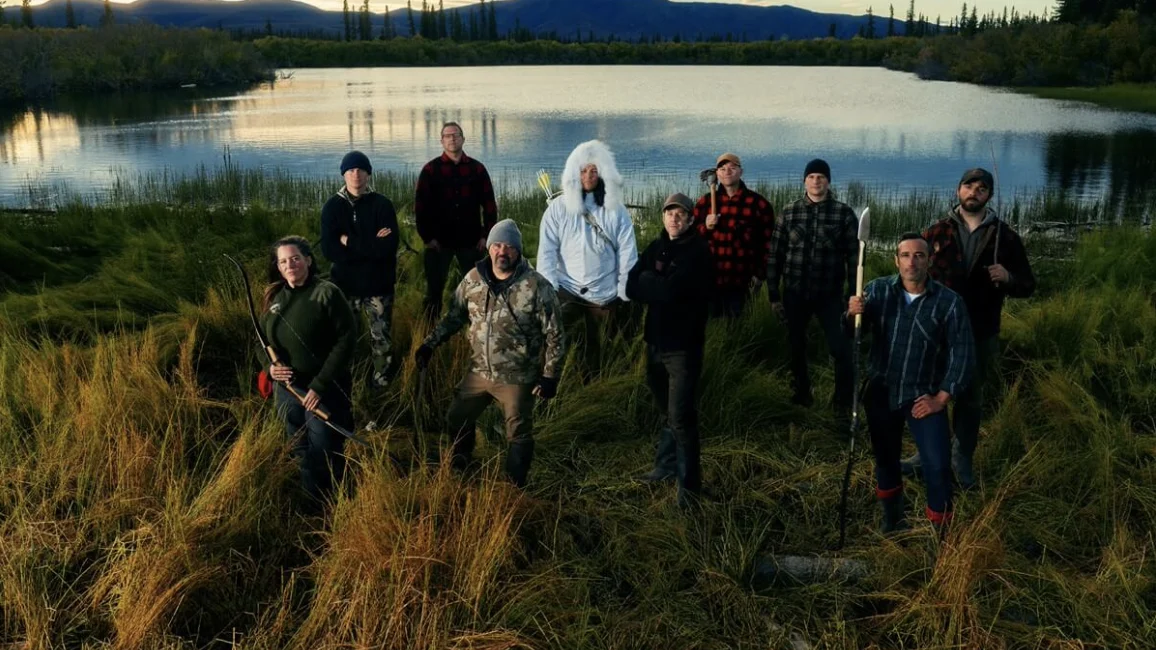
The survival reality genre has long been dominated by a singular premise: one person, a vast wilderness, and the relentless ticking clock of isolation. However, in June 2026, the History Channel is set to shatter the established mold with Alone: World Championship (Season 13). By transforming a test of individual endurance into a global stage for national pride, the production is raising the stakes of an already grueling competition to unprecedented heights.
With a $500,000 grand prize on the line and the honor of seven nations at stake, the 2026 season represents a tectonic shift for the franchise. As ten elite survivalists prepare to face the unforgiving Arctic Circle, the world watches to see if human will can prevail over the raw, untamed power of the Canadian wilderness.
The Core Concept: A Global Battleground
For over a decade, Alone has been lauded as the most authentic survival series on television. Its "no camera crews, no producers, no gimmicks" ethos has created a cult following of viewers who treat the show as a masterclass in bushcraft and psychological fortitude.
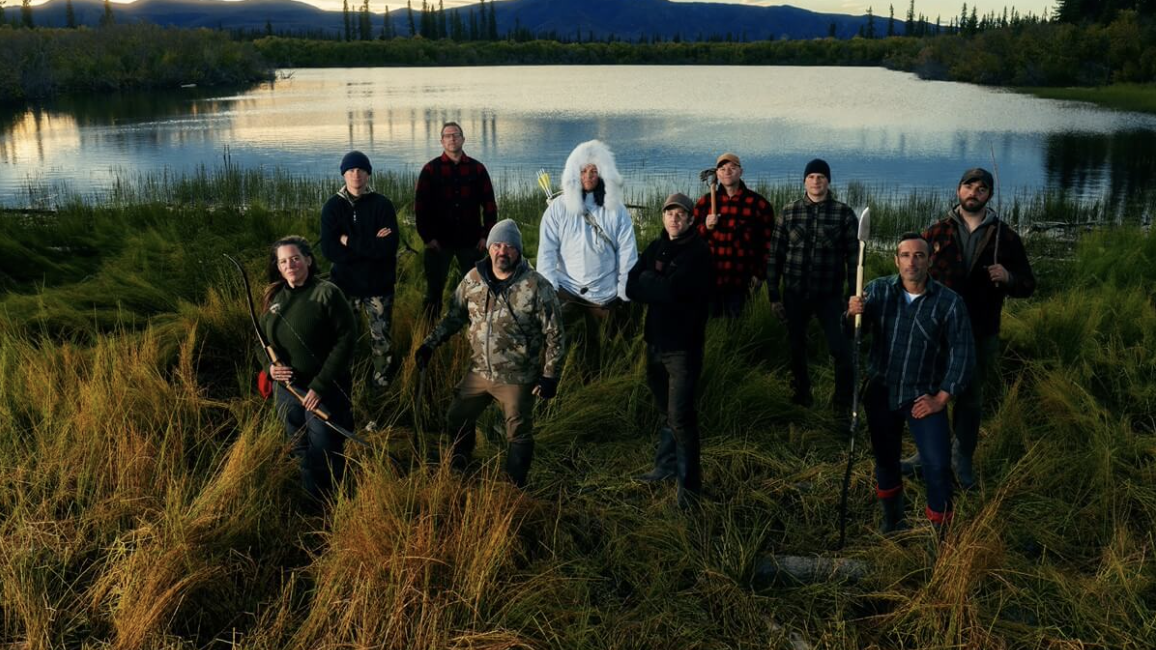
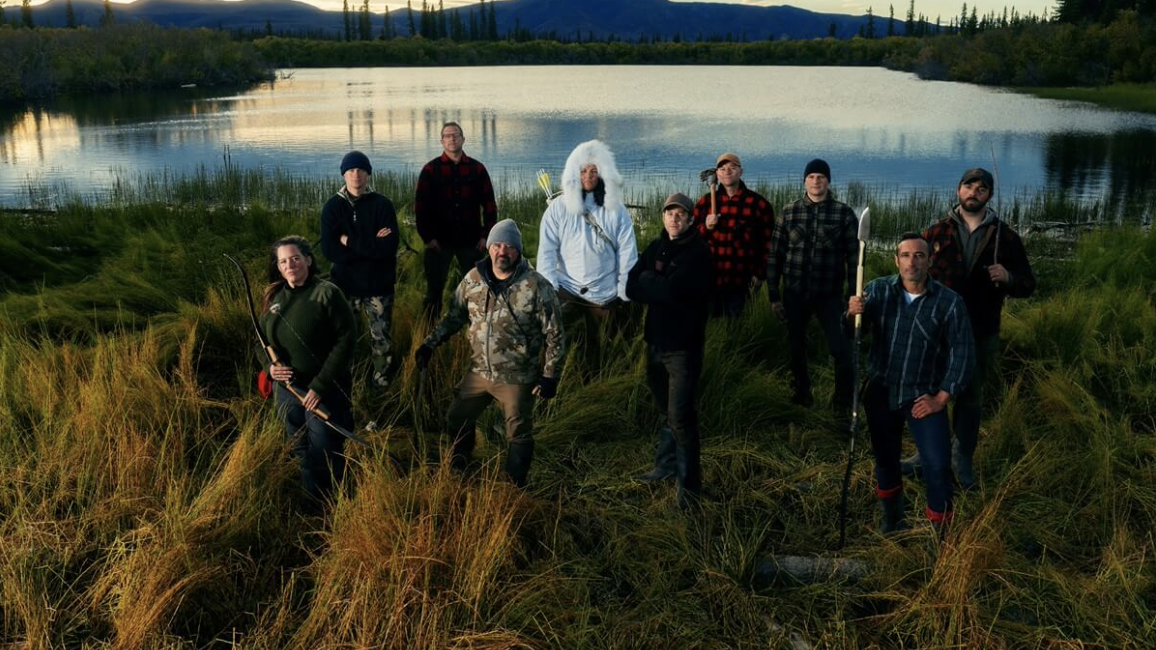
Season 13, however, introduces a dramatic pivot. Rather than a collection of individuals vying for personal victory, the cast is now structured as an international competition. The contenders hail from seven distinct nations: the United States, Canada, Wales, Australia, Slovenia, Portugal, and New Zealand. This rebranding to Alone: World Championship elevates the narrative from a personal struggle to a symbolic clash of international survival philosophies.
The contestants arrive at the Richardson Mountains in Canada’s Northwest Territories, deep within the Arctic Circle. Each is limited to ten survival tools chosen from a strict "Selection List." Their mission is simple yet nearly impossible: survive the elements, the isolation, and the constant threat of apex predators—including wolves, bears, and moose—longer than their competitors.
Chronology and Logistics: The Road to the Arctic
The production timeline for this ambitious season has been meticulously orchestrated to ensure the highest quality of footage and the safety of the participants. The premiere is slated for June 17, 2026, on the History Channel.
The 2026 Episode Schedule:
- Episode 1 ("Worlds Collide: Pt 1"): Wednesday, June 17
- Episode 2 ("Worlds Collide: Pt 2"): Wednesday, June 24
- Episode 3: Wednesday, July 1
- Episode 4: Wednesday, July 8
- Episode 5: Wednesday, July 15
- Episode 6: Wednesday, July 22
- Episode 7: Wednesday, July 29
- Episode 8: Wednesday, August 5
- Episode 9: Wednesday, August 12
- Episode 10: Wednesday, August 19
The rapid release schedule suggests a condensed, high-intensity viewing experience that will keep audiences on edge throughout the summer months.
Supporting Data: The Science of Survival
Survival in the Arctic Circle is not merely a matter of willpower; it is a complex game of calorie management, thermal regulation, and psychological preservation. The inclusion of contestants from diverse geographical backgrounds adds an intriguing layer of data to the season.
Historically, participants from colder climates (such as Canada and Scandinavia) have displayed a tactical advantage in winter-hardy shelter construction and fire-starting efficiency. However, the World Championship format tests these skills under the specific, brutal conditions of the Northwest Territories.

The "Selection List" remains the great equalizer. Each participant chooses 10 items. Common high-value items typically include ferro rods, sleeping bags, axes, and fishing gear. The strategy behind these choices often dictates the survival duration. In previous seasons, the inability to secure consistent protein—usually through hunting or fishing—has been the primary cause for medical evacuation. With the added pressure of representing their countries, the 2026 cohort faces increased temptation to take high-risk, high-reward gambles to secure food, potentially leading to earlier exits than seen in previous seasons.
Official Stances and Production Philosophy
The production team behind Alone has consistently doubled down on the show’s "purist" approach. Despite the introduction of a "World Championship" title, the showrunners emphasize that the core integrity of the experiment remains unchanged.
"No camera crews. No gimmicks," the production statement reads. "ALONE is the ultimate test of human will."

By maintaining this hands-off approach, the producers ensure that the psychological decay associated with isolation remains front and center. The presence of wildlife—particularly the apex predators of the Arctic—serves as a constant, looming threat that forces contestants to remain vigilant 24/7. This level of raw, unscripted peril is what has garnered the show its critical acclaim and distinguished it from the more dramatized, produced survival shows that clutter the cable landscape.
Implications: The Future of Reality Television
The shift toward a "World Championship" format has profound implications for the future of the reality genre.
- Increased Global Engagement: By incorporating contestants from countries like Slovenia and Portugal, the History Channel is effectively expanding its market share and viewer demographic. This internationalization could lead to localized spin-offs in these nations, creating a global Alone ecosystem.
- Psychological Profiling: This season offers a rare glimpse into how different cultures prioritize survival strategies. Sociologists and fans alike will be analyzing whether certain national backgrounds—influenced by their domestic outdoor cultures—produce more successful survivalists in a generic, harsh environment.
- The "Elite" Standard: By branding the show as a "Championship," the series is moving toward an Olympic-style prestige. Future seasons may focus on finding the "best of the best," potentially leading to a more rigorous vetting process for contestants.
How to Watch: A Viewer’s Guide
As the broadcast date approaches, fans are looking for ways to ensure they don’t miss a single moment of the action.

Watching in the United States
For cord-cutters, the History Channel is available through various live TV streaming services. Philo is a standout option, currently offering a 7-day free trial. Other viable alternatives include Sling TV and Hulu + Live TV. It is important to note that popular services like YouTube TV and Fubo do not carry the History Channel, so subscribers should adjust their plans accordingly.
International Access and the Role of VPNs
For fans traveling abroad, geo-blocking can prevent access to home-country streaming services. A Virtual Private Network (VPN) is the industry-standard solution for maintaining access to one’s subscription content while traveling. By connecting to a server in their home country, viewers can bypass these restrictions. NordVPN is frequently cited as the top choice for streaming, noted for its high-speed connections and robust security protocols, which are essential for high-definition streaming.
Viewing in Canada and Australia
In Canada, viewers can access the show via the GlobalTV app or through the STACKTV add-on available via Amazon Prime Video. In Australia, the series is expected to arrive on Stan later in the year, with previous seasons available on SBS OnDemand.

Conclusion
Alone: World Championship represents a new frontier for the Alone franchise. By pitting national identity against the crushing isolation of the Arctic, the series has moved beyond the simple question of "who can survive" to the more complex, nuanced question of "who will prevail when the weight of the world is on their shoulders."
As the participants touch down in the Northwest Territories, they are not just fighting for a $500,000 prize; they are acting as ambassadors for their respective nations in the harshest classroom on Earth. Whether they come from the rugged hills of Wales or the vast plains of the American Midwest, the Canadian winter remains the ultimate judge. With the premiere date of June 17, 2026, quickly approaching, the stage is set for a season that will undoubtedly redefine the boundaries of reality television.


 Ali Ikhwan
 Rifan Muazin