

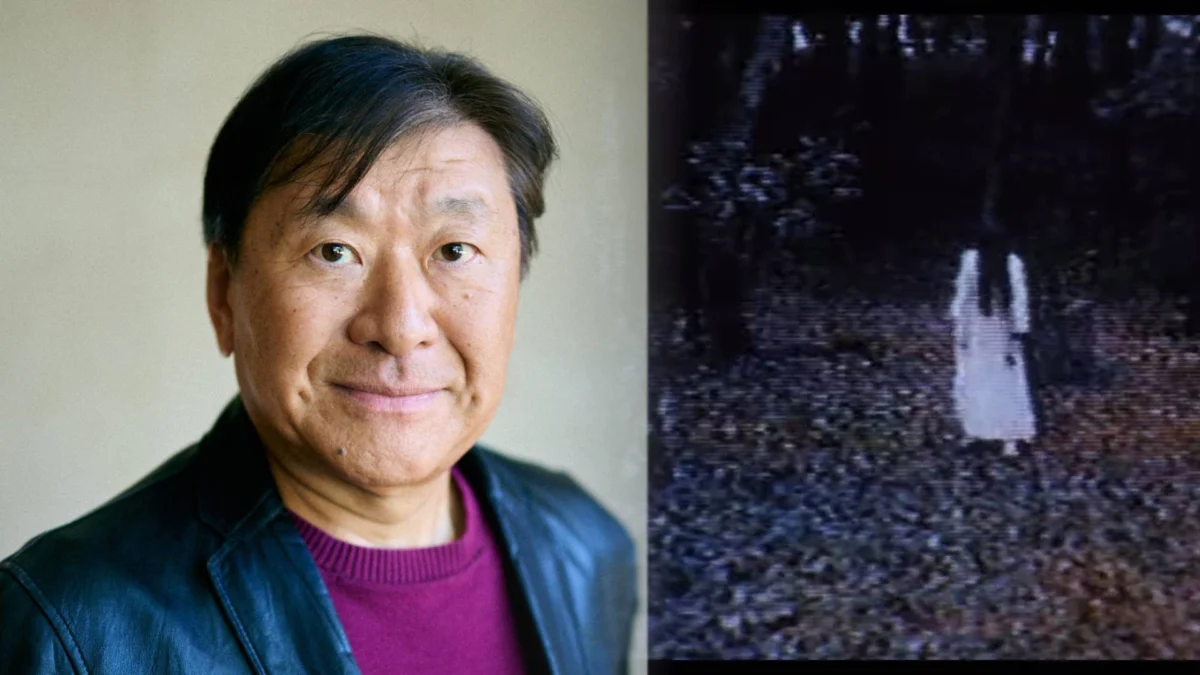
The literary and cinematic world is in mourning following the passing of Koji Suzuki, the visionary Japanese author whose chilling imagination redefined the horror genre for a global audience. Suzuki, aged 68, passed away last week, leaving behind a legacy that transcended the written word to become a permanent fixture in international pop culture. Known globally as the "Stephen King of Japan," Suzuki’s influence helped catapult Japanese horror—or "J-Horror"—from a niche cultural curiosity into a dominant force in world cinema.
Main Facts: A Legacy Built on Fear
Koji Suzuki was not merely a novelist; he was a cultural architect. His most famous creation, the Ring (Ringu) series, introduced the world to Sadako Yamamura, a vengeful onryō (vengeful spirit) whose reach extended from the confines of a cursed videotape to the very heart of the digital age.
While Suzuki began his career in the early 1990s, his breakthrough came with the 1991 publication of Ring. The novel’s premise—a cursed tape that kills the viewer seven days after watching it—tapped into a primordial fear of technology, a theme that remained central to his work throughout his career. Suzuki’s brilliance lay in his ability to blend traditional Japanese folklore, such as the vengeful spirits of classical theater and literature, with modern, cold-blooded science fiction and technological dread.
Beyond Ring, Suzuki was a prolific author. His 1996 short story Floating Water served as the foundation for the atmospheric masterpiece Dark Water, a film that demonstrated his range by focusing on psychological isolation and parental grief as much as supernatural terror. His works have been translated into dozens of languages, and his influence remains palpable in the landscape of modern horror literature, cinema, and interactive media.
Chronology of a Career
Suzuki’s journey to becoming a titan of horror was marked by steady, calculated evolution.
- 1957: Born in Hamamatsu, Shizuoka Prefecture, Japan.
- 1991: Publication of Ring, which quickly gained a cult following in Japan for its subversive take on the investigative thriller.
- 1995: The first film adaptation of Ring is released in Japan, directed by Chisato Fukazawa.
- 1998: Hideo Nakata’s iconic film adaptation of Ring hits Japanese theaters, sparking a massive domestic obsession with the character of Sadako.
- 2002: The film adaptation of Dark Water is released in Japan, directed by Hideo Nakata, further cementing the partnership between Suzuki’s prose and high-caliber cinematic direction.
- 2002: Gore Verbinski’s American remake of The Ring is released, grossing over $249 million worldwide and bringing Japanese horror sensibilities to a mainstream Western audience.
- 2005: The American adaptation of Dark Water, starring Jennifer Connelly, is released.
- 2022: The character of Sadako makes a historic jump into interactive media as a playable "Killer" in the popular survival-horror game Dead by Daylight, introducing her legacy to a new generation of digital gamers.
- 2026: Koji Suzuki passes away, leaving behind a massive body of work that continues to influence contemporary storytelling.
The Cultural Impact of the Ring Phenomenon
The Ring series did more than just sell books; it initiated a sea change in how the West perceived Asian cinema. Before the late 90s, Western horror was largely defined by the "slasher" archetype—masked killers with physical weapons and a focus on gore. Suzuki’s Ring introduced a different philosophy: the horror of the inevitable, the inescapable, and the cursed.
Sadako Yamamura became an international icon of dread. Her visual presentation—a pale, long-haired woman emerging from the static of a television screen—is arguably one of the most recognizable images in horror history. By stripping away the need for physical monsters and replacing them with a pervasive, psychological, and technological curse, Suzuki revolutionized the genre.
This shift paved the way for other seminal J-Horror works, such as Takashi Shimizu’s Ju-on: The Grudge and the film One Missed Call. These films shared the "Suzuki DNA": the idea that a curse is a contagion, something that cannot be fought with a knife or a gun, but only understood, suffered, and eventually, passed on.
Interactive Horror: The Gaming Legacy
In his later years, Suzuki expressed intrigue regarding how his stories transitioned into video games. The integration of Sadako into the asymmetric horror game Dead by Daylight was a testament to the longevity of his work. Unlike films, which are static experiences, video games allow the audience to exist within the horror.

In Dead by Daylight, the developers worked closely to ensure the representation of Sadako remained true to the source material. Her ability to manifest from television screens and her unsettling, jerky movements were directly inspired by the classic Hideo Nakata films that Suzuki had originally penned. This transition proved that the core of Suzuki’s work—the feeling of being hunted by an entity that defies physical laws—is perfectly suited for the interactive medium.
Official Responses and Literary Appraisal
Since the announcement of his passing, authors, filmmakers, and fans from around the world have paid tribute.
"Koji Suzuki understood the quiet, creeping terror that lives in the corners of our modern lives," said a representative from his Japanese publisher. "He didn’t just write horror; he wrote warnings about the world we were building. He will be deeply missed."
Literary critics have noted that Suzuki’s work often possessed a scientific rigor that separated it from the supernatural pulp of his contemporaries. His characters were often journalists, scientists, and researchers—people who tried to use logic to solve the illogical. The frustration of his characters when logic failed against the supernatural was the engine that drove his narratives.
Implications: A Future Without the Master
The death of Koji Suzuki leaves a void in the genre, but his implications for the future of horror are massive. The "Suzuki school" of writing continues to influence new authors who seek to combine high-concept science fiction with traditional ghost stories.
Furthermore, the academic study of his work is expected to grow. His themes regarding the "curse of information"—the idea that knowledge itself can be a dangerous, infectious agent—are arguably more relevant today than they were when he first penned Ring in the early 90s. In an era of viral misinformation and the digital spread of ideas, the metaphor of the cursed tape remains chillingly prescient.
Conclusion: The Static Never Truly Fades
Koji Suzuki’s career was defined by the transition from the physical media of the 20th century to the digital ether of the 21st. From the VHS tapes of the 90s to the cloud-based data of today, his stories evolved alongside the technologies they haunted.
While the author has left us, his works remain a permanent part of the cultural zeitgeist. Whether it is through a new cinematic remake, a video game update, or a reader picking up his novels for the first time, the "static" that Koji Suzuki created will continue to hum in the background of our collective imagination. He taught the world that sometimes, the most terrifying thing isn’t what is under the bed, but what is waiting on the other side of the screen.
This article is part of the Niche Culture column. We remain dedicated to tracking the evolution of horror literature, gaming, and the figures who define the medium. We invite our readers to share their favorite memories of Koji Suzuki’s works in the comments section below.












No comments yet. Be the first to join the conversation!