

By Global News Desk
Updated: May 7, 2026
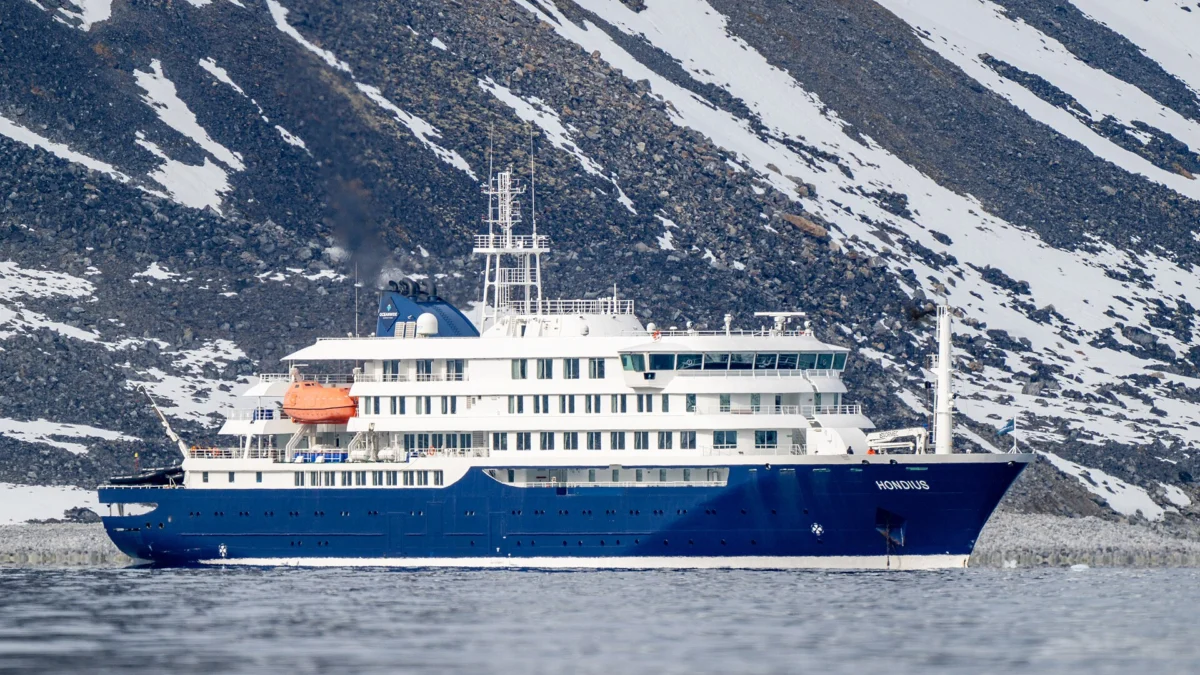
International health authorities and maritime officials are on high alert as a rare and concerning outbreak of hantavirus continues to unfold aboard the Dutch-registered cruise ship MV Hondius. As of Wednesday, the World Health Organization (WHO) has confirmed five cases of the virus linked to the vessel, which has been traversing the Atlantic Ocean. Amidst the developing medical crisis, it has been confirmed that a Japanese national is among the passengers currently on board, prompting the Japanese government to initiate urgent information-gathering efforts to ensure the safety of its citizen.
While officials stress that the risk to the general public remains low, the unusual nature of the transmission—including confirmed instances of human-to-human contact—has triggered a coordinated international response. As the MV Hondius makes its way toward the Canary Islands, the situation presents a complex challenge for diplomatic, maritime, and public health officials alike.
The Chronology of a Maritime Crisis
The voyage began with optimism on April 1, 2026, as the MV Hondius departed from Ushuaia, Argentina—a port city often referred to as the "Gateway to Antarctica." The ship carried more than 140 passengers and crew, embarking on a journey that would soon be marred by tragedy.
Initial Symptoms and Escalation
The first sign of the outbreak emerged just five days into the journey. A 70-year-old passenger began exhibiting symptoms consistent with a severe respiratory illness. Despite onboard medical interventions, the passenger’s condition deteriorated rapidly, leading to his death on April 11.
The situation took a more harrowing turn following the ship’s stop at the remote island of St. Helena on April 24. The deceased man’s 69-year-old wife disembarked the vessel alongside her husband’s remains. Shortly thereafter, she began to show signs of illness. On April 25, she attempted to board a KLM flight from Johannesburg to Amsterdam. However, vigilant airline staff, noting her deteriorating physical state, denied her boarding. She passed away just one day later, on April 26.
The WHO Investigation
Following the woman’s death, laboratory testing confirmed the presence of hantavirus, a pathogen typically associated with rodent exposure. The WHO confirmed her infection on Monday.
The investigation has since expanded to include other casualties aboard the ship. On May 2, a German national died while still at sea. While health authorities have yet to officially link this death or the death of the 70-year-old man to the hantavirus, both cases are under intense scrutiny as part of a wider forensic investigation. By Wednesday, the total count of confirmed hantavirus cases reached five, including three patients who were evacuated from the ship that day for emergency medical treatment. A third individual, who was evacuated alongside those confirmed cases, was noted to have been "closely associated" with the German passenger who died on May 2.
Understanding Hantavirus: Origins and Transmission
Hantavirus is a genus of viruses that typically circulate in rodent populations. The virus derives its name from the Hantan River in South Korea, where the pathogen was first isolated and identified in the late 1970s. Since its discovery, over 20 species of the virus have been identified worldwide.
The Mechanism of Infection
In the vast majority of cases, hantavirus is transmitted to humans through contact with the urine, droppings, or saliva of infected rodents—most commonly rats and mice. Humans typically contract the virus by inhaling aerosolized particles from dried rodent waste in poorly ventilated spaces.
The Anomaly of Human-to-Human Transmission
The outbreak on the MV Hondius is particularly alarming to medical experts because it involves the Andes virus strain. While hantavirus is rarely transmitted from person to person, the Andes strain is a known exception. It is primarily endemic to the Southern Cone of South America, specifically Argentina and Chile.
The 2018 outbreak in Argentina, which resulted in 11 deaths, was a seminal event in understanding the potential for human-to-human transmission of this specific strain. The fact that the MV Hondius began its journey in the region where the Andes virus is endemic suggests a potential initial exposure source, though the precise point of origin remains a subject of ongoing epidemiological study.
Official Responses and Diplomatic Tensions
As the MV Hondius continues its journey toward Spain, the maritime and political ramifications are intensifying. The vessel is currently on track to dock in the Canary Islands by the coming weekend, but the prospect of its arrival has met with significant political resistance.
Local Opposition to Docking
Fernando Clavijo, the regional leader of the Canary Islands, has publicly expressed strong opposition to allowing the ship to dock in his jurisdiction. The fear is that allowing a vessel with an active, contagious outbreak to enter a commercial port could pose a secondary health risk to the island’s population and port workers. This stance highlights the difficulty of managing health crises in an era of global maritime travel, where sovereign territory and public safety concerns often collide.
The WHO’s Stance on Global Risk
In an effort to curb public hysteria, the World Health Organization has issued a measured, calm response. Hans Kluge, the WHO’s regional director for Europe, addressed the media on Monday. "The risk to the wider public remains low," Kluge stated. "There is no need for panic or travel restrictions."
Kluge emphasized that while the situation on the ship is serious, it should not be viewed as a sign of a larger, impending pandemic. He reiterated that hantavirus infections remain "uncommon and usually linked to exposure to infected rodents," distinguishing the shipboard outbreak from more transmissible respiratory pathogens.
Implications for the Cruise Industry and Maritime Safety
The MV Hondius incident serves as a stark reminder of the unique vulnerabilities inherent in the cruise industry. Bringing hundreds of individuals into confined living quarters for extended periods creates a high-risk environment for the spread of infectious diseases.
Increased Scrutiny on Maritime Protocols
Health authorities are expected to review international maritime health regulations in the wake of this outbreak. Key questions remain regarding:
- Pre-boarding screening: Whether passengers departing from high-risk, endemic regions should undergo more rigorous biological testing.
- Onboard isolation capabilities: Whether current cruise ship medical facilities are adequately equipped to handle rare, potentially communicable viral diseases.
- Reporting standards: How quickly and transparently ship operators are required to communicate potential outbreaks to the next port of call.
The Psychological and Economic Impact
Beyond the immediate medical crisis, the cruise line faces significant economic uncertainty. Beyond the potential legal ramifications, the psychological toll on the remaining passengers—many of whom are currently in quarantine or under medical observation—is immense. As the world watches, the maritime industry will likely face pressure to implement more stringent, standardized health protocols to ensure that such an event does not repeat itself.
Conclusion
As of May 7, 2026, the MV Hondius remains a vessel of concern. While the medical teams on board and in the countries expecting the ship’s arrival are working to contain the spread, the situation remains fluid. For the passengers, including the Japanese national whose condition is currently being monitored, the journey has become an ordeal of uncertainty.
The international community awaits further guidance from the WHO and the health authorities of the Canary Islands regarding the ship’s status. For now, the outbreak serves as a critical case study in the intersection of international travel, zoonotic diseases, and the limits of modern public health infrastructure. The priority remains the containment of the Andes strain and the safe treatment of those affected, as the global health community strives to balance the need for caution with the necessity of avoiding unnecessary panic.











No comments yet. Be the first to join the conversation!