

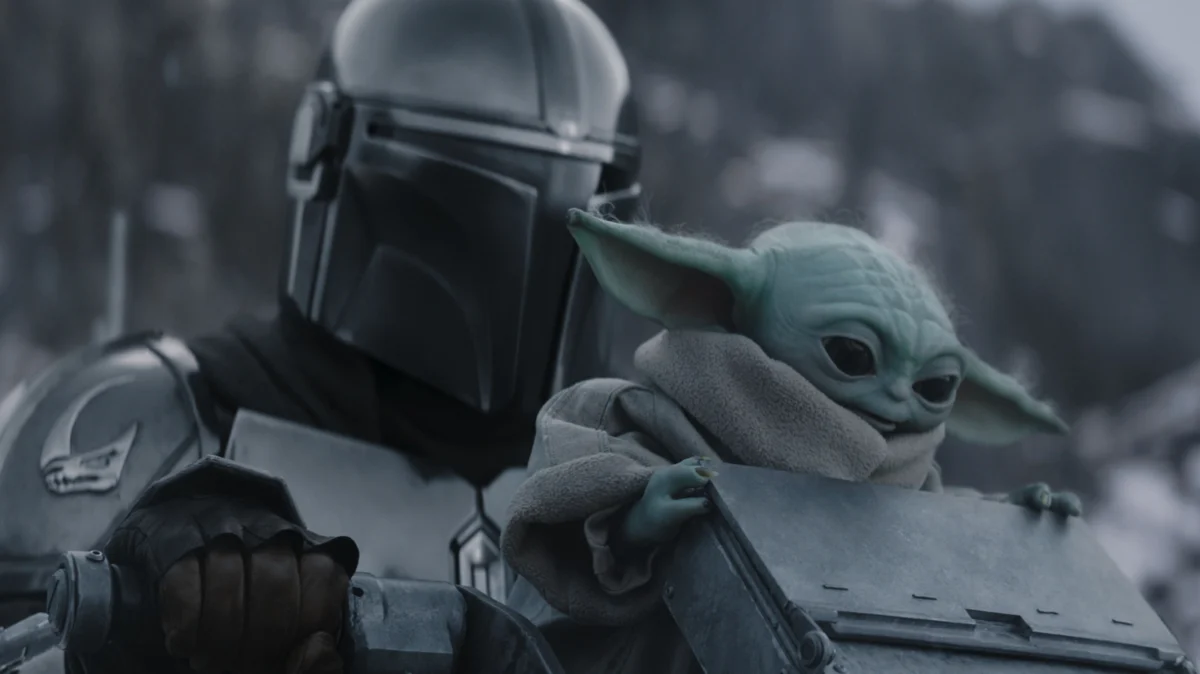
After a cinematic hiatus that has stretched for nearly seven years, the Star Wars franchise is preparing for a landmark return to the silver screen. Since the polarizing release of The Rise of Skywalker in 2019, the galaxy far, far away has thrived primarily within the streaming confines of Disney+. However, the upcoming feature film, The Mandalorian and Grogu, is set to bridge the gap between television success and theatrical spectacle. With Jon Favreau—the visionary behind the flagship series—at the helm, fans are eager to see how this transition will handle the weight of expectation. Crucially, the production serves as a testament to the enduring creative partnership between Favreau and Lucasfilm’s Chief Creative Officer, Dave Filoni.
The Foundation: A Dynamic Duo’s Evolution
To understand the significance of the upcoming film, one must look at the trajectory of the Star Wars universe under the stewardship of Favreau and Filoni. While Jon Favreau is credited with the inception of the live-action Mandalorian series, his reliance on Dave Filoni has been the cornerstone of the show’s authenticity.
Filoni, who rose to prominence through his masterminding of the animated landscape with The Clone Wars and Rebels, has evolved from an animation specialist to the primary creative architect of the entire franchise. Following recent leadership shifts at Lucasfilm, Filoni has assumed the role of Chief Creative Officer, a position that places him at the nexus of all ongoing Star Wars narratives. His involvement in The Mandalorian and Grogu is not merely ceremonial; it is foundational.
In a recent interview with GamesRadar, Favreau clarified the extent of Filoni’s contributions. Despite the film being designed as a more standalone experience compared to the serialized nature of the Disney+ shows, Filoni remained "closely in step" with every creative decision. "He was one of the producers, one of the writers on this," Favreau noted. Perhaps most intriguingly, Filoni took on the role of director for the second unit, specifically overseeing the "puppet unit"—a detail that highlights the technical dedication to the practical effects that define the Mandalorian aesthetic.
Chronology of the Mando-Verse
The path to The Mandalorian and Grogu has been anything but linear. The development of the film is intrinsically tied to the scrapped plans for a fourth season of the hit series. Originally, The Mandalorian Season 4 was conceived as a high-stakes narrative focused on the return of Grand Admiral Thrawn and the tightening grip of the Imperial Remnant.
The Pivot from Season 4 to Feature Film
The decision to pivot from a television season to a feature-length film represents a massive shift in Lucasfilm’s distribution strategy. Favreau has acknowledged that while he had a script ready for a fourth season, the cinematic scope of the story demanded a larger canvas.
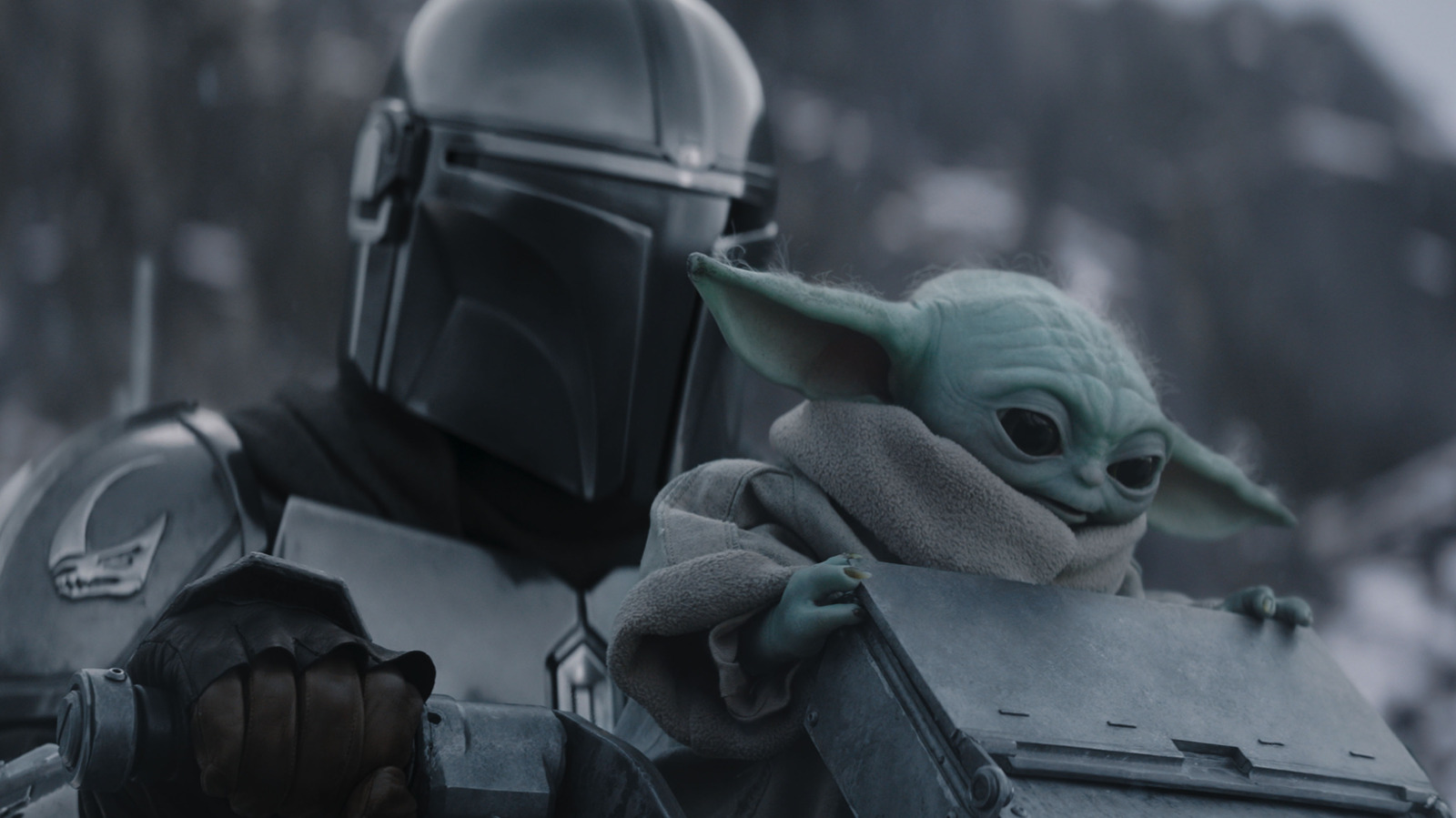
This transition has had a cascading effect on other projects. The Ahsoka series, which serves as a spiritual successor to the Filoni-led animated shows, is currently preparing for its second season. Because the creative team—specifically Filoni—had to balance the development of the Mandalorian movie with the writing of Ahsoka Season 2, the two projects have become inextricably linked, both narratively and logistically.
The Timeline of Release
- May 2019: The Rise of Skywalker concludes the Skywalker Saga, leaving the future of Star Wars on the big screen in doubt.
- November 2019: The Mandalorian debuts on Disney+, proving that the franchise can flourish on television.
- 2023–2024: Internal discussions at Lucasfilm lead to the decision to transition the Mandalorian storyline into a feature film format.
- May 22, 2026: Scheduled theatrical release for The Mandalorian and Grogu.
- Early 2027: Anticipated release for Ahsoka Season 2.
Supporting Data: The Creative Hierarchy at Lucasfilm
The modern iteration of Lucasfilm is characterized by a "two-headed" management structure. While Lynwen Brennan, the former President and General Manager, handles the complex business, legal, and operational logistics, Dave Filoni serves as the creative compass.
This structure is a direct response to the criticism regarding the lack of a cohesive "master plan" during the production of the Sequel Trilogy. By empowering Filoni to oversee the creative trajectory, Disney is signaling a return to a more curated, singular vision. For The Mandalorian and Grogu, this meant Filoni was not just a consultant; he was in the trenches.
The film’s reliance on the "puppet unit" directed by Filoni is significant. It underscores the brand’s identity: The Mandalorian is famous for its tactile, grounded approach to science fiction. By having a creative head like Filoni manage the nuances of the puppetry and creature work, the film ensures that the transition from a 4K living room screen to an IMAX theater will not lose the intimacy that fans have come to love.
Official Responses and Creative Vision
Jon Favreau’s commentary on the film’s status provides a rare window into the collaboration process. When asked about how the movie impacts the larger Star Wars timeline, Favreau deferred to Filoni’s expertise.
"You’d have to ask Dave Filoni how [the story influenced Ahsoka], because he’s been very closely in step with what we’re doing," Favreau stated. This acknowledgment is vital; it confirms that Filoni acts as the bridge between the various silos of the Star Wars universe. Even as the franchise attempts to branch out into different eras—such as the upcoming James Mangold "Dawn of the Jedi" project or Sharmeen Obaid-Chinoy’s Rey-centric film—Filoni’s influence remains the steadying hand.
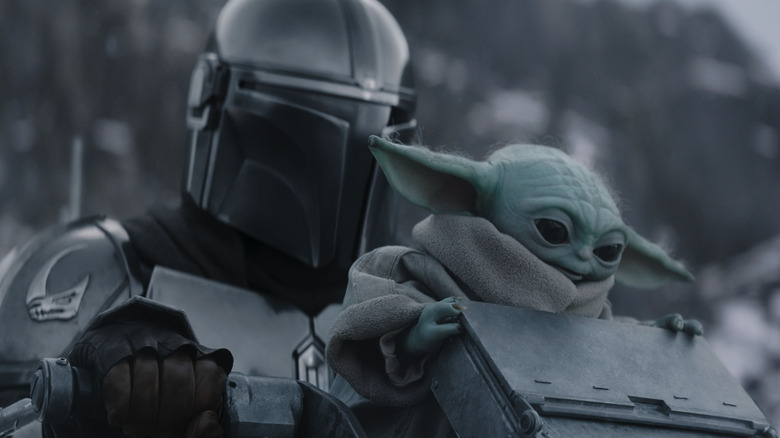
The film itself is set several years after the fall of the Empire. The narrative will see Din Djarin, played by Pedro Pascal, and his charge, Grogu, working in tandem with the New Republic to maintain order across a fractured galaxy. The inclusion of Hollywood icon Sigourney Weaver adds a layer of prestige and gravitas, suggesting that Lucasfilm is aiming to treat this as a tentpole event that transcends the niche appeal of the series.
Implications for the Future of Star Wars
The implications of The Mandalorian and Grogu go far beyond the box office revenue. This film acts as a litmus test for the viability of "television-to-film" transitions within the Star Wars intellectual property.
A New Era of Storytelling
For years, the Star Wars fandom has been divided over the direction of the franchise. The success of the Mandalorian universe is largely attributed to its commitment to character-driven storytelling over spectacle-heavy plot points. By bringing this specific brand of storytelling to the cinema, Lucasfilm is testing whether audiences are willing to pay for stories that feel like an extension of their weekly viewing habits.
Filoni’s Changing Scope
As Filoni takes on more executive responsibility, his ability to remain "hands-on" will inevitably be challenged. While he was instrumental in the physical production of this film, it is unlikely that he can maintain this level of granular involvement in every future Star Wars project. The industry is watching closely to see if Filoni can transition from an "auteur" who directs and writes to an "executive" who guides and enables others.
The "Mando-Verse" Legacy
The decision to put Filoni’s previous plan for a "crossover" live-action movie on the back burner in favor of this specific Mandalorian film is a strategic maneuver. It suggests that Lucasfilm is prioritizing proven winners—Din Djarin and Grogu—over riskier, more expansive ensemble pieces.
Ultimately, The Mandalorian and Grogu is a synthesis of everything that has worked for Star Wars since 2019. It combines Favreau’s knack for classic, Western-inspired adventure with Filoni’s deep knowledge of lore and character arc. As we look toward May 22, 2026, the question is not whether the movie will be a success, but whether it can redefine the Star Wars movie for a generation that was raised on streaming. With the most trusted names in the business working in lockstep, the odds are in their favor.









No comments yet. Be the first to join the conversation!