The "Soulslike" genre has transcended its origins as a mere sub-category of Action RPGs to become a pillar of modern gaming. Born from the cryptic, unforgiving brilliance of FromSoftware’s Dark Souls, the genre is now defined by a distinct lexicon of design: colossal bosses with sprawling health bars, intricate environmental storytelling, the "corpse-run" mechanic, and the rhythmic, high-stakes dance of stamina management.
While today’s players enjoy a golden age of Soulslikes, we often overlook the titles that braved the initial frontier. These games did not just replicate a formula; they expanded it, experimented with its limits, and laid the groundwork for the industry giants we see today. Below, we examine nine titles that were instrumental in shaping the genre’s identity.

1. The Genesis: Defining the Soulslike Framework
At its core, the Soulslike experience is a masterclass in tension. It requires a delicate balance between player agency and overwhelming challenge. The defining characteristics remain consistent across the best titles:
- Imposing Bosses: Encounters that act as skill checks, demanding mastery of timing and pattern recognition.
- The Checkpoint System: The "bonfire" equivalent, where risk-management meets resource replenishment.
- Currency Scarcity: A persistent fear of loss, where "Souls," "Runes," or "Geodes" act as both experience points and the price of failure.
Before the mainstream explosion of Elden Ring, several pivotal releases throughout the 2010s and early 2020s refined these mechanics, proving that the "Souls" DNA could be adapted into diverse settings—from gothic horror to intergalactic space-faring.
2. Chronological Evolution of the Genre
Lords of the Fallen (2014): The First Challenger
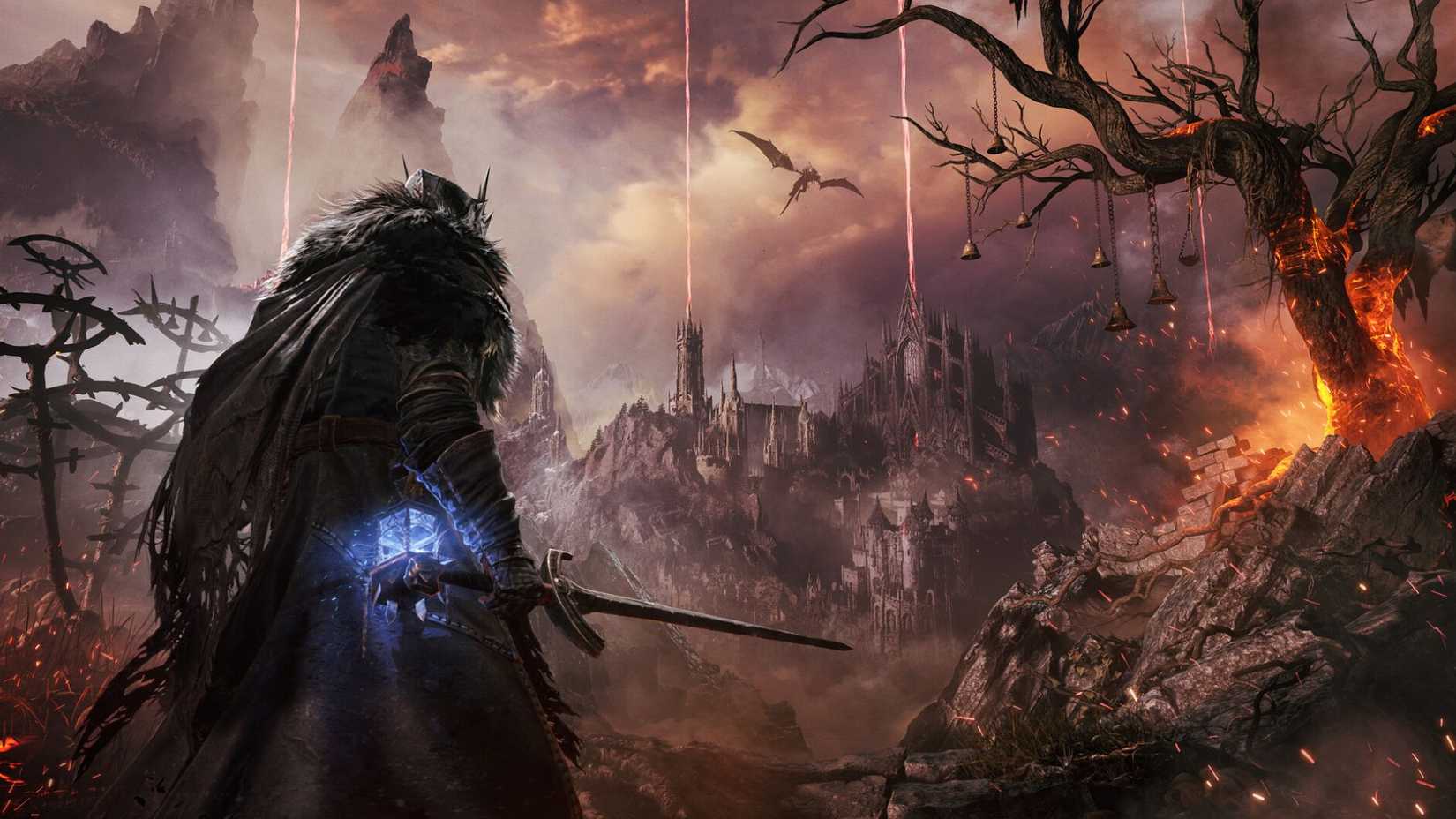
It is common for history to be rewritten by its successors. While the 2023 reboot of Lords of the Fallen is widely considered a superior, more polished experience, the 2014 original deserves its place in the history books. It was one of the first major attempts to capture the Dark Souls magic outside of FromSoftware. Its clunkier mechanics and slower combat tempo were a learning ground for the industry. It taught developers that while "difficulty" is a key ingredient, the feel of the combat—the "weight" of the swing—is what truly defines a satisfying experience.
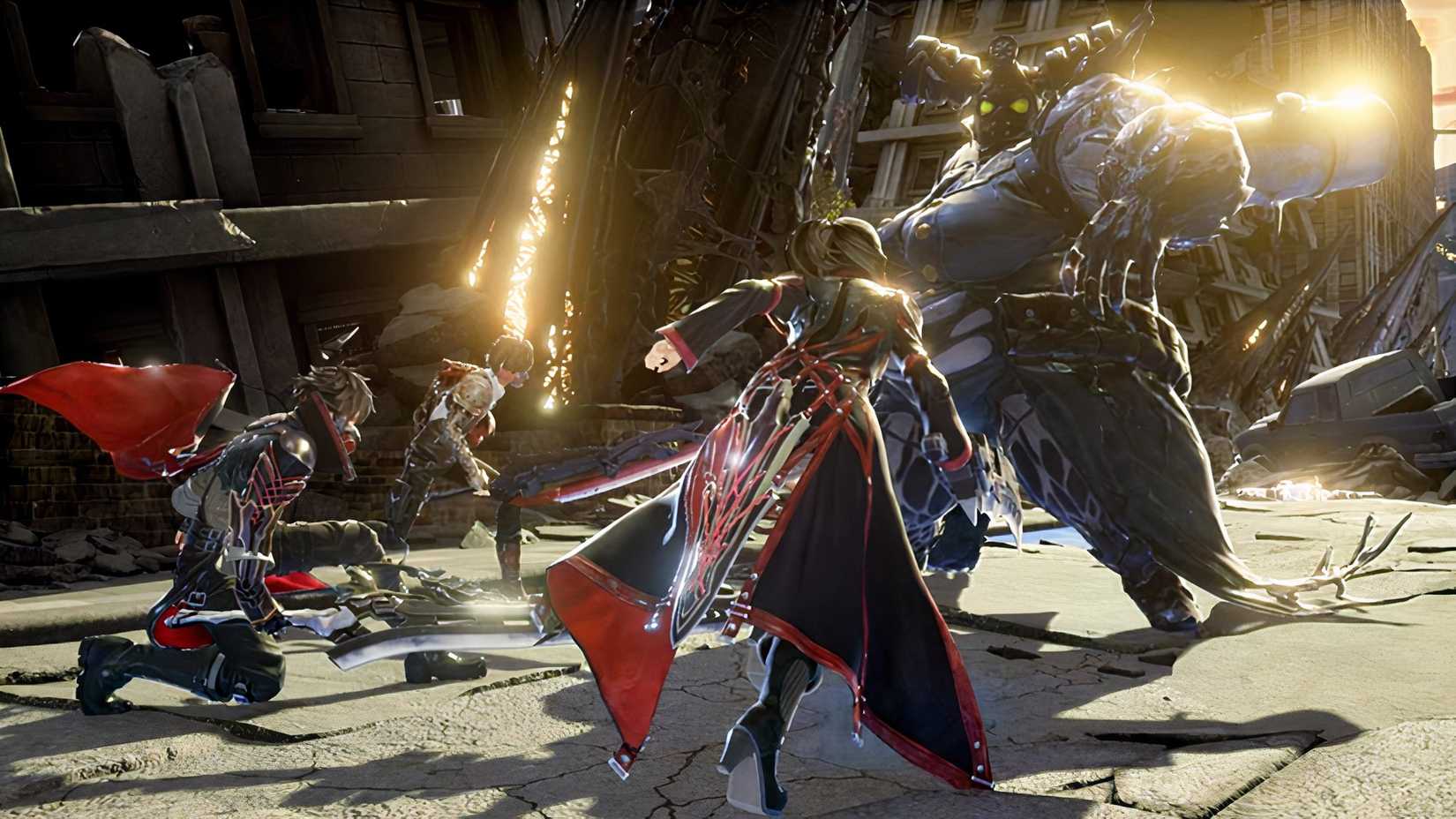
Code Vein (2019): Anime-Infused Complexity
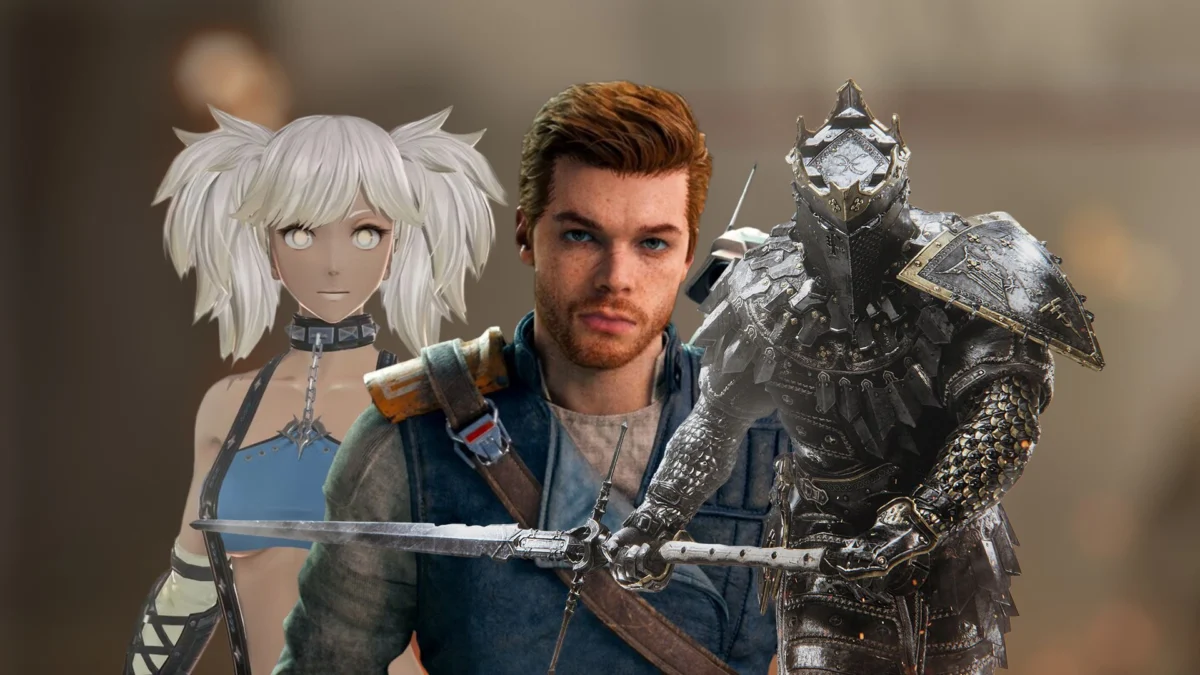
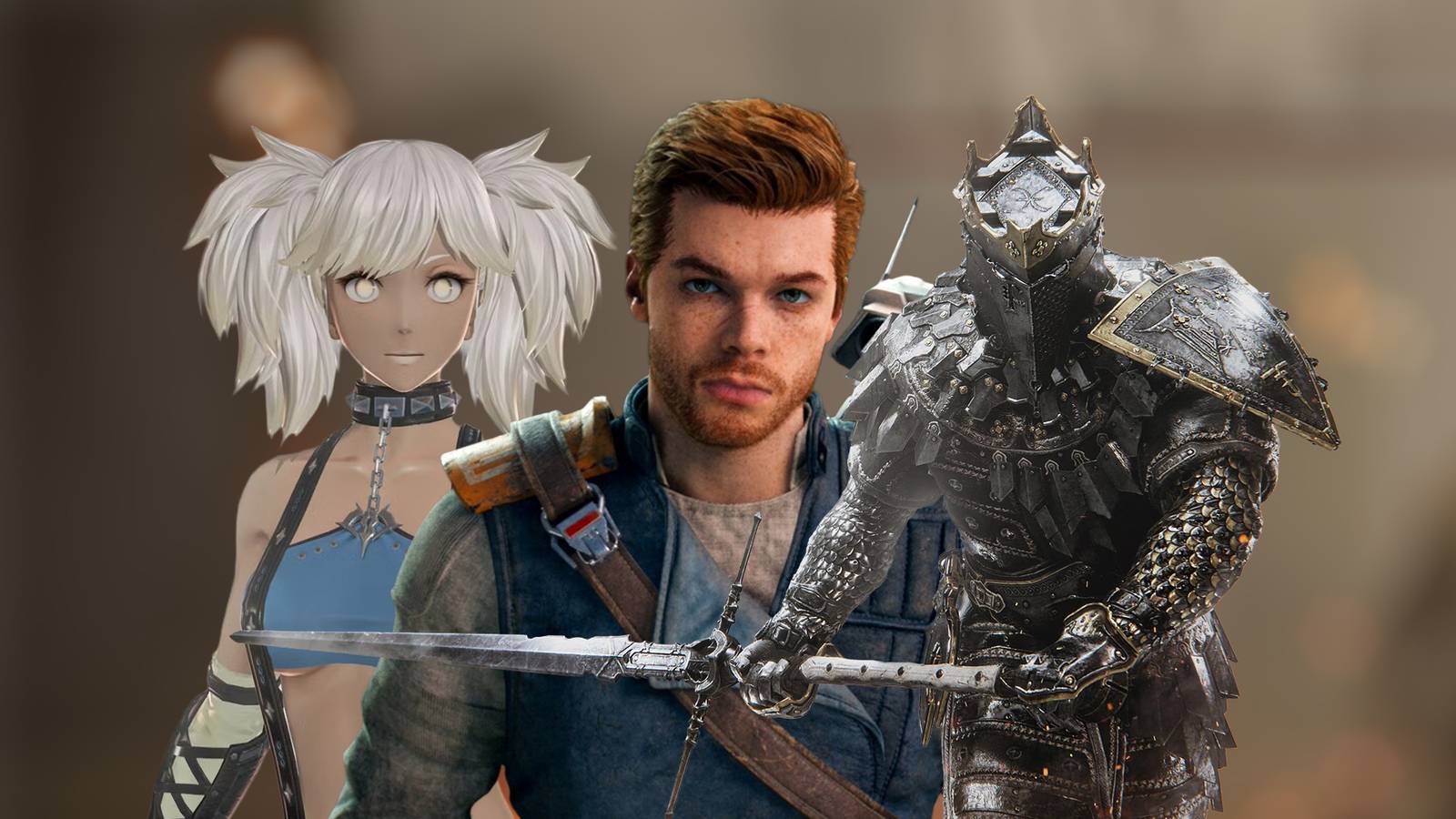
Code Vein arrived with a bold proposition: what if the methodical, gloomy nature of a Soulslike was injected with the high-octane aesthetic and narrative tropes of an anime? By introducing a robust class system and a post-apocalyptic narrative, it proved that the genre could support deep, customizable character progression without losing its core identity. Its contribution to the "foundations" of the genre lies in its approach to companion mechanics and its ability to attract a demographic that might have otherwise been intimidated by the sheer wall of difficulty presented by Dark Souls.
Mortal Shell (2020): The Art of the "Shell"
Mortal Shell took a radical approach to the standard character build. Instead of traditional classes, it introduced the concept of "Shells"—corpses of fallen warriors that the player inhabits. This mechanic allowed for a unique layer of strategy, forcing players to adapt to different playstyles on the fly. Its success demonstrated that indie developers could iterate on the Soulslike formula with tighter, more focused scope, leading to the highly anticipated development of its sequel.
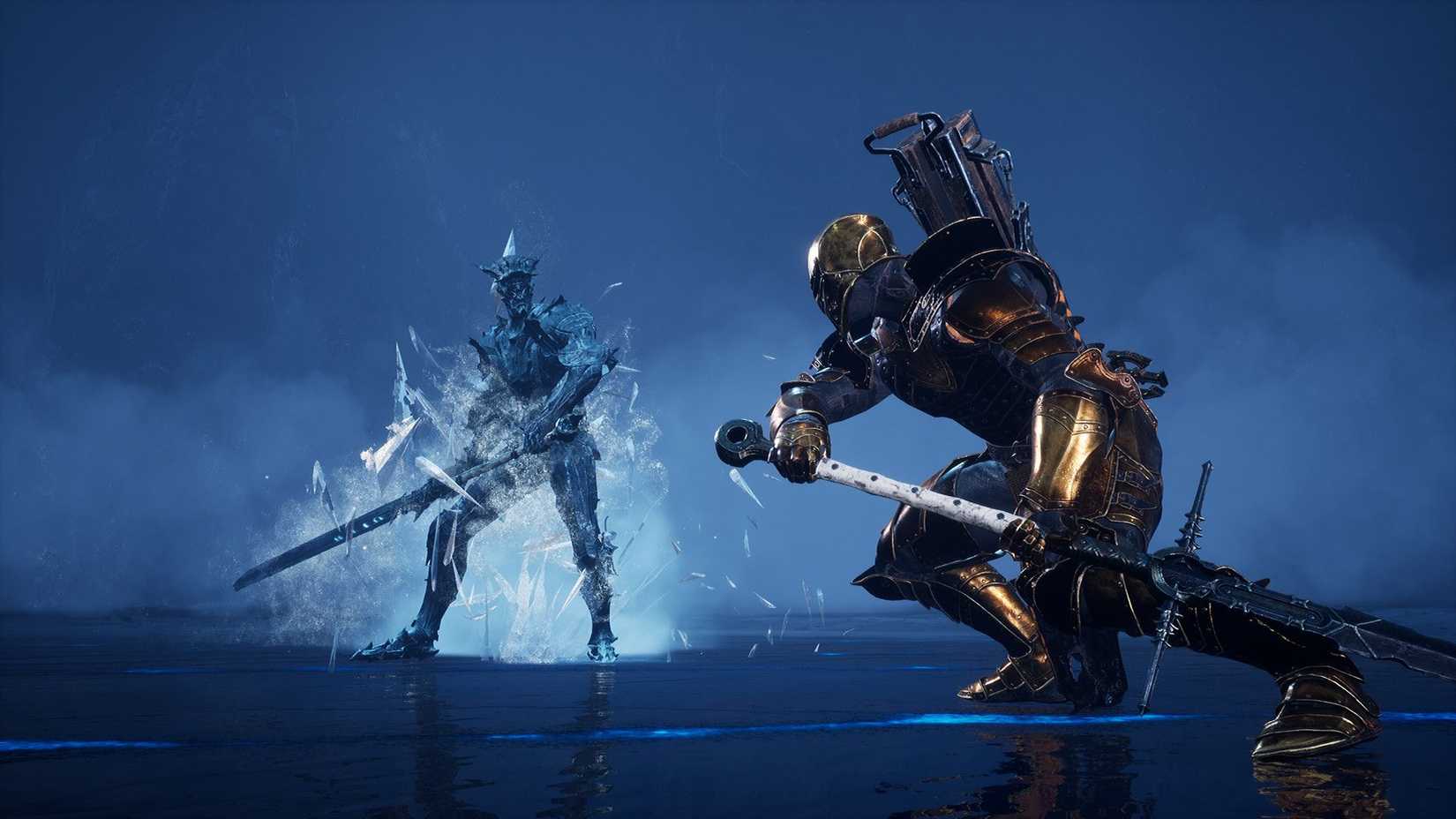
Star Wars Jedi: Fallen Order (2019): Bringing the Genre to the Masses
Perhaps the most significant commercial turning point for the genre was EA and Respawn Entertainment’s Star Wars Jedi: Fallen Order. By integrating Soulslike combat into the Star Wars IP, the genre became accessible to a global audience. It blended platforming, exploration, and lightsaber combat with the familiar rhythm of parrying and resting at meditation points. It proved that the "Soulslike" DNA was a versatile toolset that could elevate licensed properties to new heights of gameplay depth.
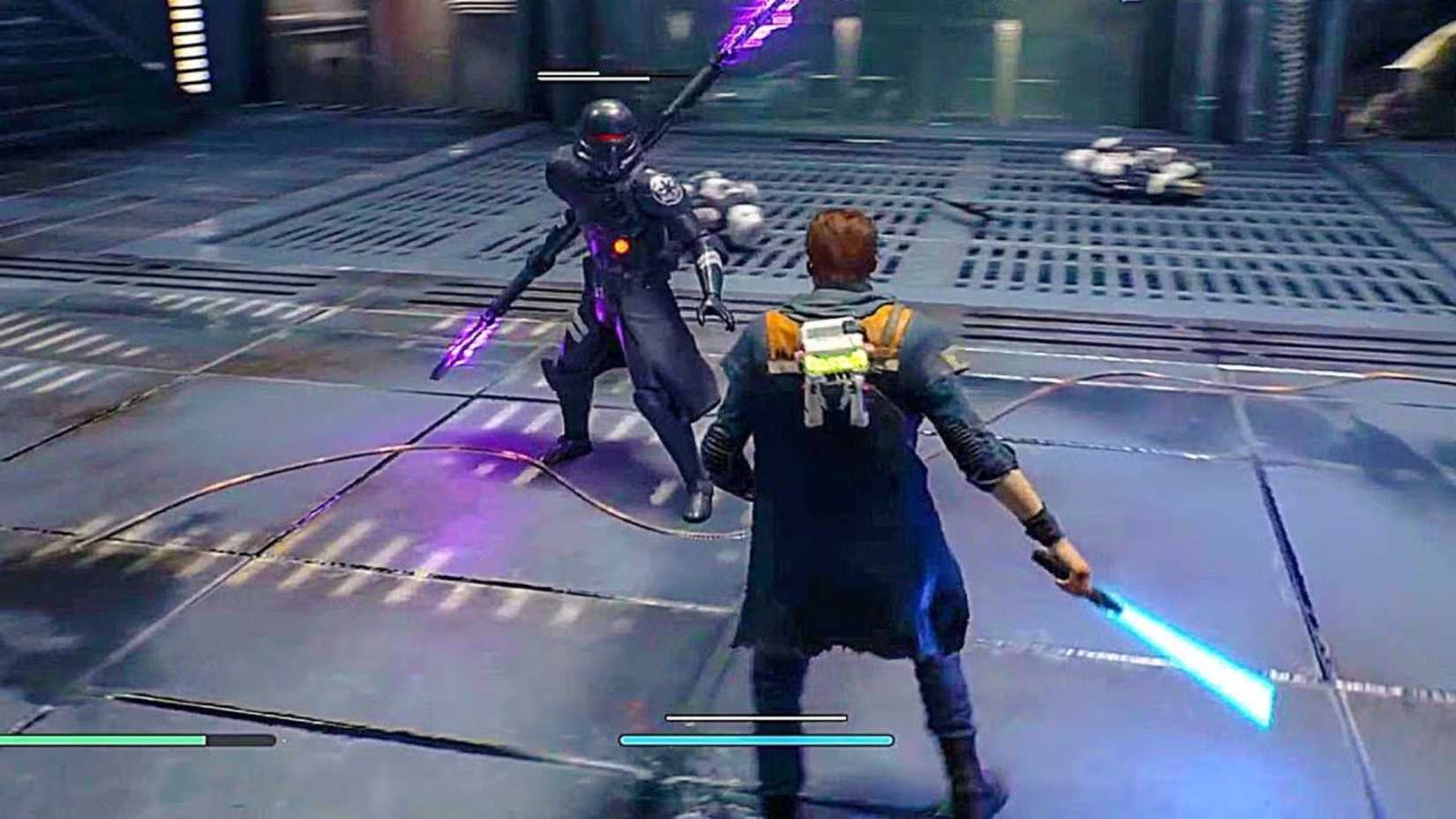
Lies of P (2023): The Master of Parrying
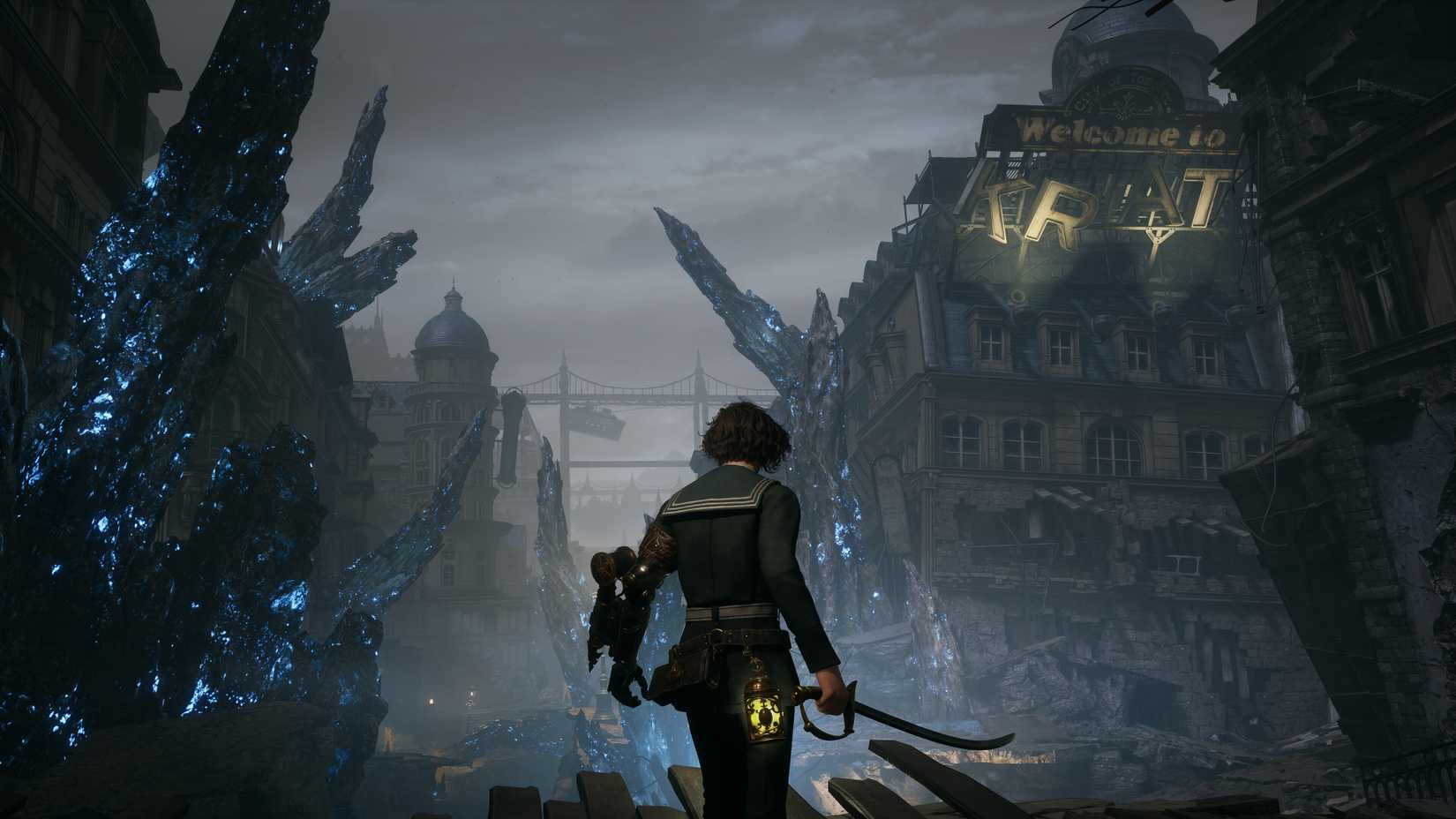
If Sekiro is the gold standard for parry-focused combat, Lies of P is its most dedicated disciple. Drawing inspiration from the Pinocchio fable, the game is a masterclass in atmosphere and mechanical precision. It successfully combined the gothic horror of Bloodborne with a parrying system that demands absolute, frame-perfect timing. It is a testament to the fact that developers are no longer just "copying" the formula; they are refining it into something sharper and more demanding.
3. The 2D Revolution: Salt and Sanctuary & Hollow Knight
The genre is not tethered to 3D. The transition to 2D proved that the "feeling" of a Soulslike is independent of the Z-axis.
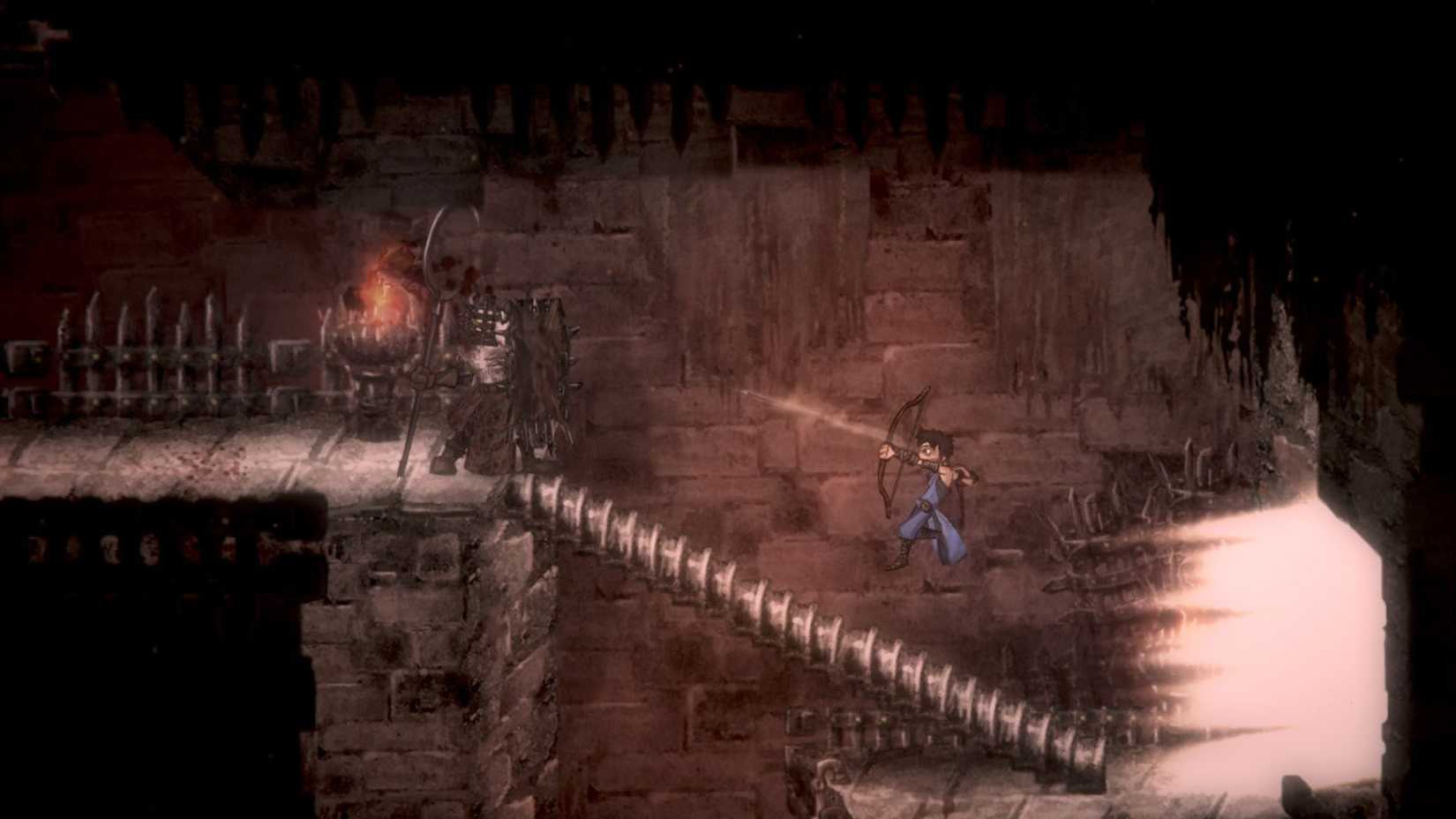
- Salt and Sanctuary (2016): Often described as "2D Dark Souls," this title brought the interconnected world design and oppressive atmosphere of the genre to a side-scrolling perspective. Its sprawling skill tree and challenging dual-boss encounters proved that the tension of a Souls game thrives even in a 2D space.
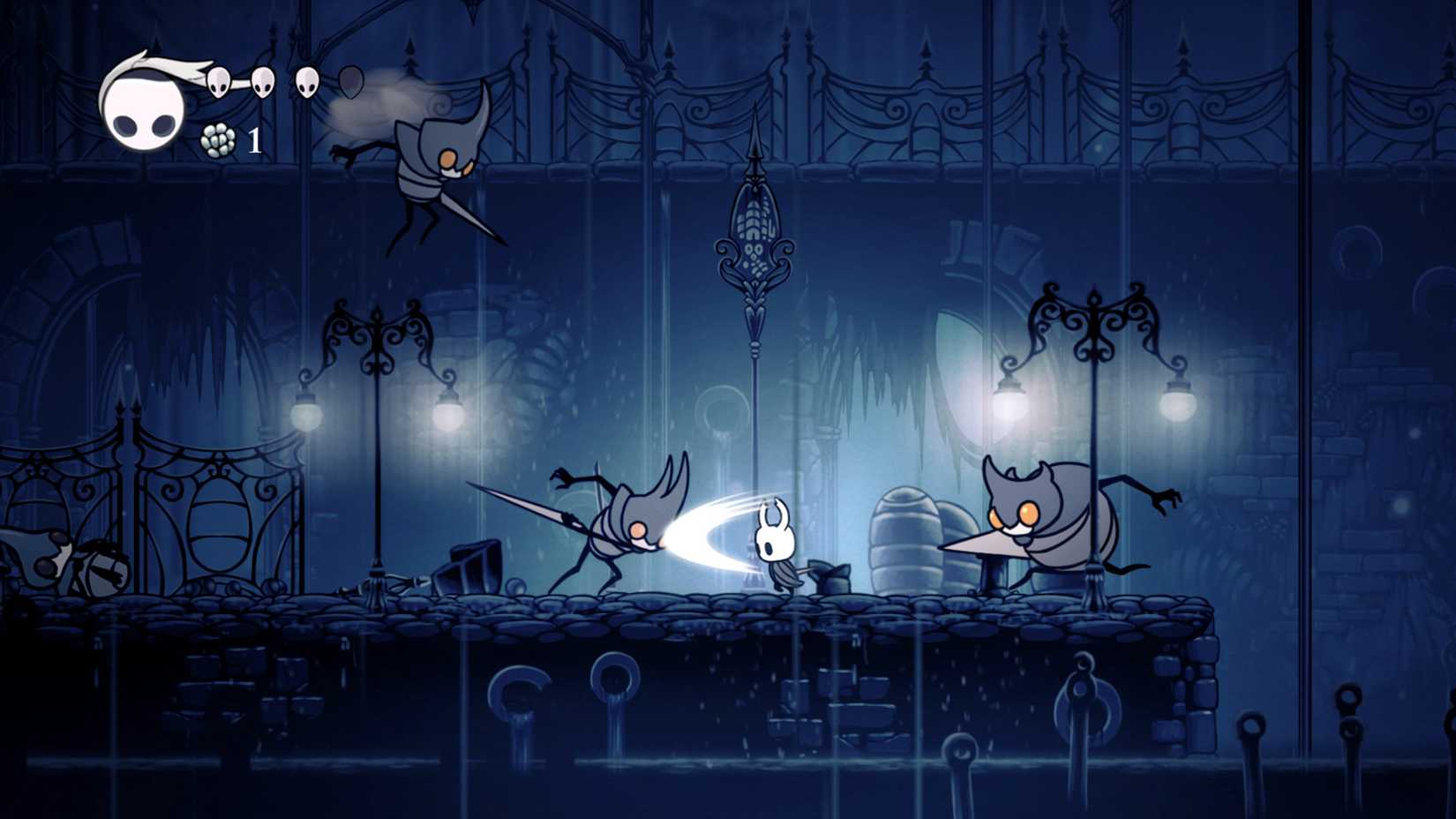
- Hollow Knight (2017): While technically a Metroidvania, Hollow Knight owes much of its combat and world-building philosophy to the Soulslike genre. Its boss design is legendary for being punishingly difficult yet fundamentally fair. The way it tells its story through the environment, rather than explicit exposition, remains a benchmark for the industry.
4. Nioh: The Samurai Standard
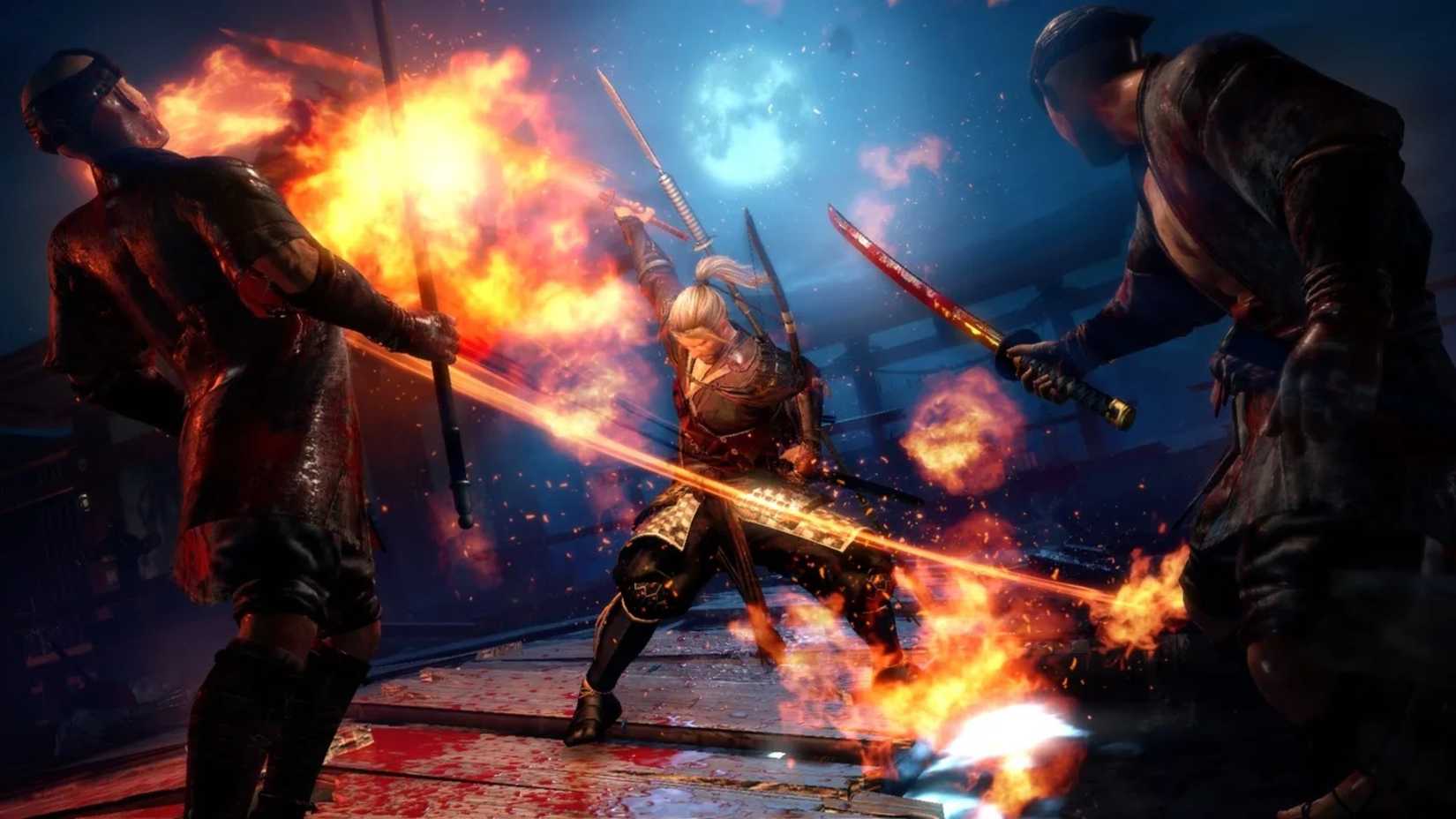
Team Ninja’s Nioh (2017) brought a level of mechanical depth that many other Soulslikes lacked. With its stance-switching combat, loot-driven progression, and fast-paced action, it pushed the boundaries of how much complexity a player could handle. By setting the game in a historical, supernatural version of 1600s Japan, it established a unique cultural footprint, proving that the genre could thrive on historical fiction just as effectively as dark fantasy.
5. The Peak: Sekiro: Shadows Die Twice
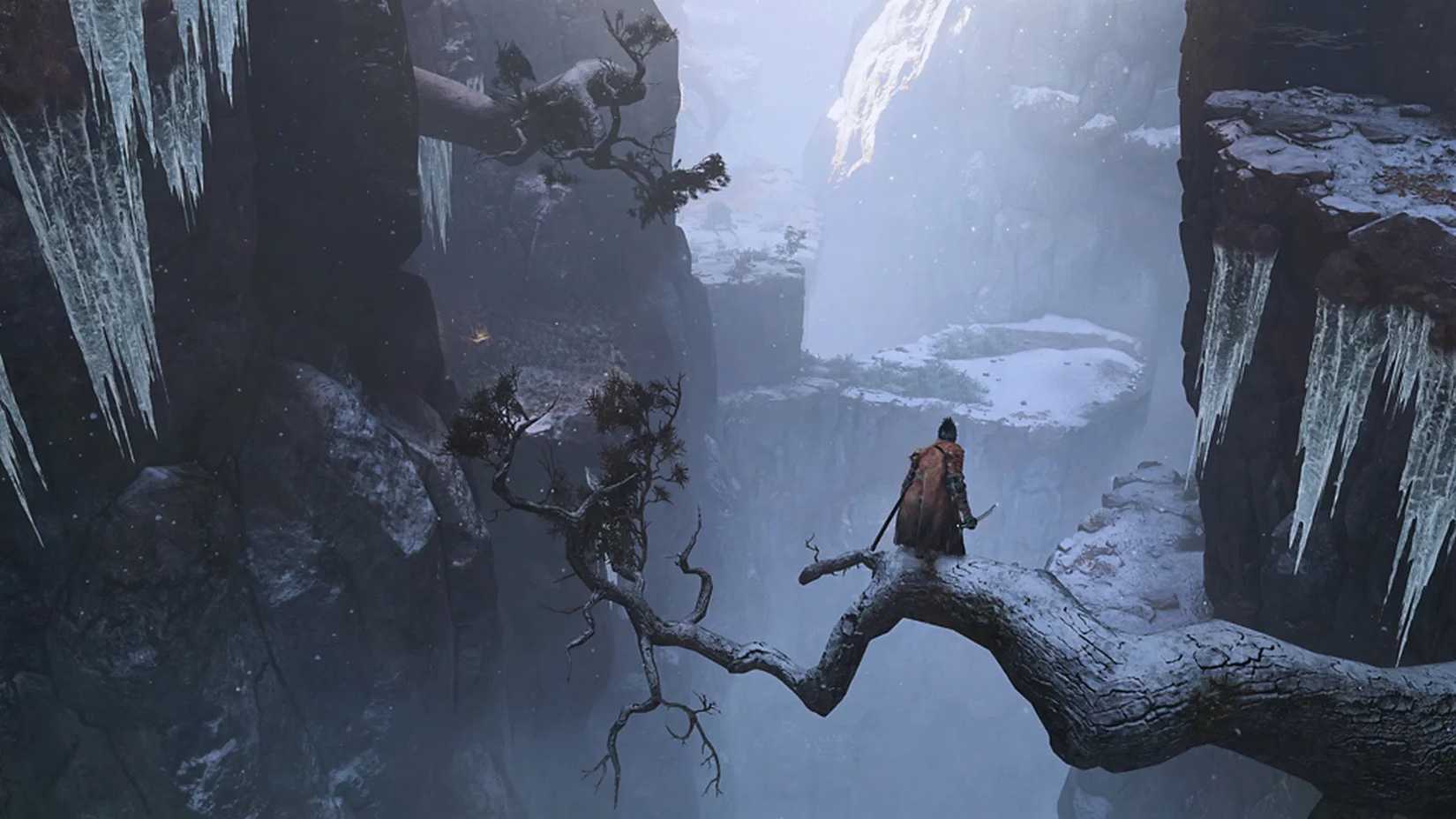
When discussing the evolution of the genre, one must eventually bow to the master. Sekiro: Shadows Die Twice (2019) remains the most distinct departure from the Dark Souls formula while maintaining the same spirit. By removing the traditional "stamina" bar and replacing it with "posture," FromSoftware changed the core objective of combat from avoiding damage to confronting it. It is widely considered to have the most fluid combat in the genre, setting a bar that continues to challenge even the most seasoned developers.
6. Implications for the Future of the Genre
The legacy of these nine titles is clear: the Soulslike genre is no longer a niche. It is a language. Developers are now comfortable mixing and matching elements—parrying, exploration, loot, narrative ambiguity—to create entirely new experiences.
The implications for the industry are profound. We are seeing a shift away from "difficulty for the sake of difficulty" toward "meaningful challenge." The most successful modern Soulslikes are those that reward the player’s patience and curiosity rather than simply punishing their mistakes. As we look toward the future, the lessons learned from these titles—from the flawed ambition of the original Lords of the Fallen to the polished perfection of Sekiro—ensure that the genre will continue to push the boundaries of what is possible in interactive entertainment.
The genre has moved beyond being a "clone" of Dark Souls and has matured into a robust, diverse, and vital part of the gaming ecosystem. Whether it is through the haunting, bug-filled corridors of Hallownest or the rain-slicked streets of Krat, the spirit of the Soulslike—the triumph over insurmountable odds—continues to captivate millions.