


The human mind is the final, most terrifying frontier in cinema. Whether through the lens of internal trauma, gaslighting, or the slow erosion of moral certainty, psychological thrillers have cemented their place as the most intellectually demanding and emotionally taxing subgenre in modern film. As we traverse the landscape of the 21st century, these narratives have evolved from simple "whodunits" into complex, multi-layered dissections of the human condition.
The following ten films, spanning from 2006 to 2026, represent the pinnacle of the genre. They are stories that force audiences to question the integrity of their own perceptions, turning the act of watching a movie into a high-stakes psychological game.

The Evolution of the Mind Game: A Chronology of Suspense
The psychological thriller thrives on the tension between the protagonist’s internal reality and the external world. While traditional thrillers rely on physical pacing, these films prioritize the "mental heist," the "gaslighting trap," and the "social dissection." From the surrealist body horror of the ballet stage to the high-concept architecture of dreamscapes, these films have redefined how we view the genre.
10. Don’t Worry Darling (2022)
Olivia Wilde’s Don’t Worry Darling serves as a polished, 1950s-drenched nightmare that uses the "Victory Project" as a vessel for examining modern patriarchal control. Florence Pugh delivers a career-defining performance as Alice, a housewife who begins to sense that her utopian desert life is a fabricated cage. By juxtaposing a Stepford Wives-esque aesthetic with the chilling realization of domestic entrapment, Wilde crafts a story that explores the fragility of autonomy in the face of institutionalized misogyny.

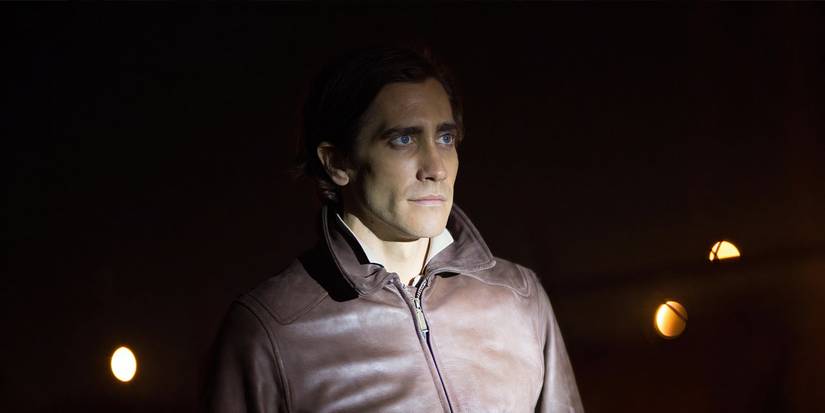
9. Nightcrawler (2014)
Dan Gilroy’s Nightcrawler is a cold, neon-soaked neo-noir that introduces us to one of cinema’s most fascinating sociopaths: Louis Bloom (Jake Gyllenhaal). As a freelance crime journalist in Los Angeles, Bloom discovers that success is measured in blood. The film is a disturbing study of ambition, suggesting that our collective consumption of tragedy creates the very monsters we fear. It remains a chilling commentary on the morality of the media and the amoral pursuit of "the shot."
8. Midsommar (2019)
Ari Aster’s Midsommar subverted the horror genre by shifting the terror from the shadows of night to the blinding, relentless glare of the Swedish summer sun. Following Dani (Florence Pugh) as she processes profound grief amidst a cult’s rituals, the film operates as a visceral metaphor for the dissolution of a toxic relationship. It is a slow-burning masterpiece that explores how emotional manipulation can drive an individual to seek belonging in the most harrowing of places.
7. Parasite (2019)
Bong Joon Ho’s Academy Award-winning Parasite is a masterclass in tonal shifts. By infiltrating the lives of a wealthy family, the impoverished Kims initiate a game of social class warfare that ends in tragedy. The film is meticulously blocked; every frame of the architecture serves as a metaphor for the vertical social ladder. It is a psychological thriller not just because of the twists, but because of how it forces the audience to confront their own complicity in systemic inequality.
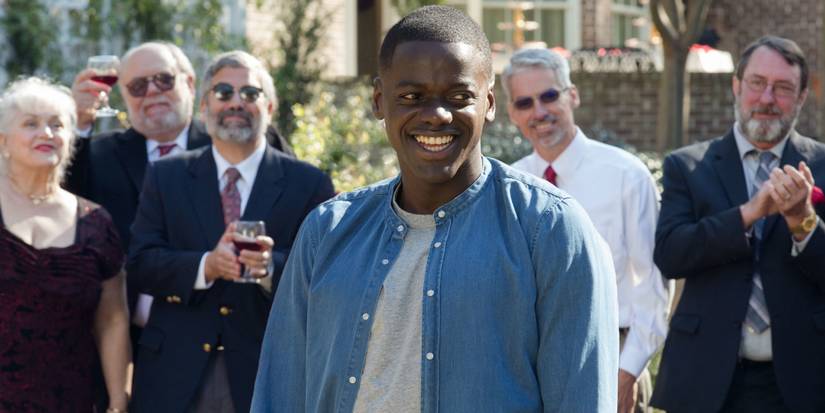
6. Get Out (2017)
Jordan Peele’s Get Out did more than just break box office records; it introduced the "social thriller" as a dominant cultural force. By using hypnosis and the "sunken place" as metaphors for racial exploitation, Peele created a narrative that is as uncomfortable as it is essential. The film’s brilliance lies in its ability to take a mundane social interaction—a weekend trip to meet the parents—and transform it into a terrifying conspiracy of body and soul.
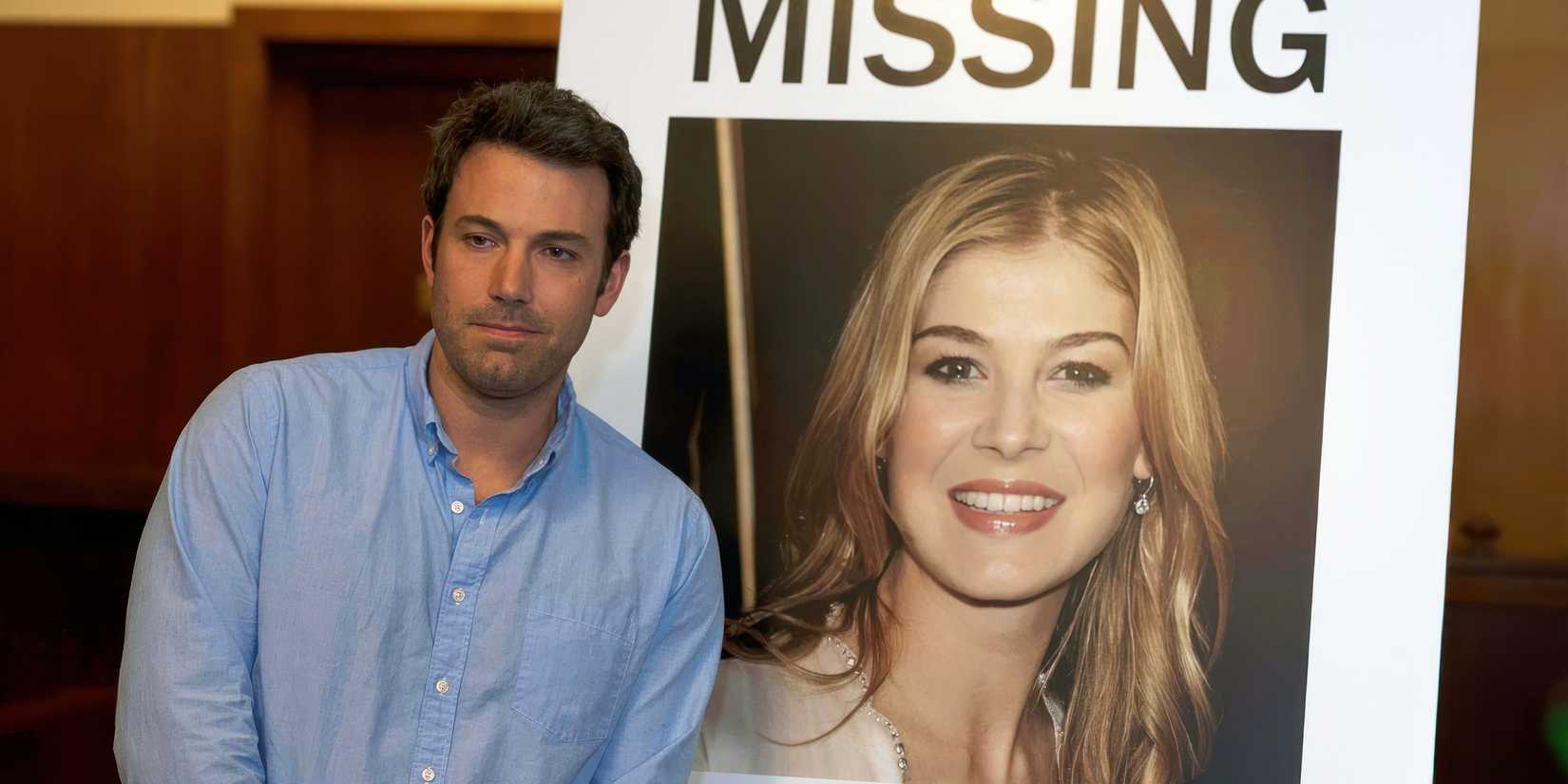
5. Gone Girl (2014)
David Fincher is a titan of the thriller genre, and Gone Girl stands as his most cynical work. The story of Amy and Nick Dunne is a scathing look at the performative nature of marriage and the power of media narratives. Through an unreliable narrator, the film traps the audience in a cycle of suspicion, proving that the most dangerous psychological traps are often those we set for ourselves in the name of love.
4. Saltburn (2023)
Emerald Fennell’s Saltburn is a decadent, grotesque exploration of desire and obsession. Barry Keoghan’s portrayal of Oliver Quick is a triumph of antihero characterization—a man so desperate for acceptance that he becomes a predator of the aristocracy. The film’s mid-2000s setting and lush cinematography hide a rot that permeates every scene, making it one of the most provocative pieces of social satire in recent years.

3. The Invisible Man (2020)
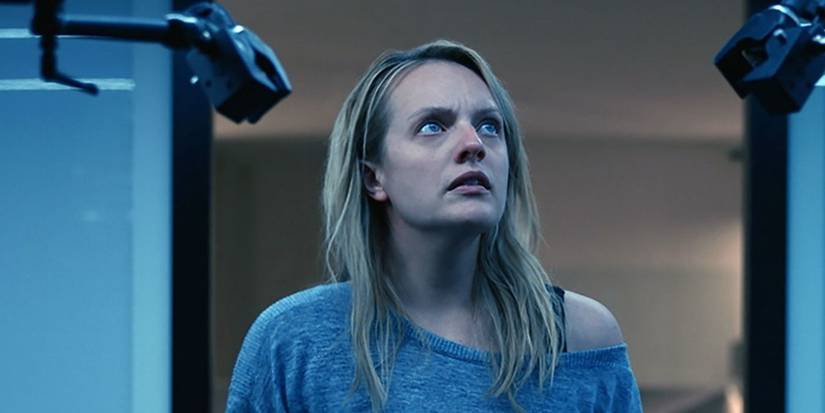
Leigh Whannell’s modernization of the H.G. Wells classic is a harrowing allegory for domestic abuse. By focusing on the psychological aftermath of an escape from a toxic partner, the film turns the "invisible" into the "inescapable." Elisabeth Moss provides a raw, agonizing performance, anchoring a sci-fi premise in the very real, very grounded fear of being gaslit by someone the world refuses to believe is a monster.
2. Black Swan (2010)
Darren Aronofsky’s Black Swan is the definitive film about the cost of perfectionism. Natalie Portman’s transformation into the swan queen is a haunting descent into madness. By blending body horror with the high-pressure world of professional ballet, the film examines how the relentless drive for validation can fracture a personality until the line between the self and the art vanishes entirely.
1. Inception (2010)
Christopher Nolan’s Inception remains the gold standard for the high-concept psychological thriller. By turning the subconscious into a physical battlefield, Nolan explores the nature of grief and memory. Whether the spinning top falls or continues to rotate is almost irrelevant compared to the film’s core question: if you are happy in a dream, does reality even matter? It is a film that demands repeat viewings, a labyrinthine journey into the architect of the human mind.
Supporting Data and Thematic Analysis
The common thread linking these ten films is the deliberate manipulation of the viewer’s perspective. According to recent cinematic analysis, psychological thrillers that prioritize "unreliable narration" tend to generate higher audience retention rates, as viewers are incentivized to re-watch scenes to catch subtle clues they missed the first time.
| Film | Primary Theme | Psychological Element |
|---|---|---|
| Inception | Memory/Grief | Subconscious architecture |
| Black Swan | Perfectionism | Fractured identity |
| The Invisible Man | Abuse/Gaslighting | Paranoia |
| Saltburn | Obsession/Class | Sociopathic manipulation |
| Gone Girl | Marriage/Media | Unreliable narrator |
These films are not merely entertainment; they are case studies in human psychology. They utilize "empty space" in cinematography to evoke anxiety and "tonal dissonance" in their scores to signal the breakdown of reality.
Official Responses and Cultural Impact
Critics and scholars have noted that these films serve as mirrors to their respective eras. Get Out and Parasite were lauded for their sharp political commentary, sparking global conversations on race and class that transcended the cinema. Conversely, films like Black Swan and Inception were celebrated for their technical audacity, proving that "cerebral" cinema could also be a massive commercial success.

The lasting legacy of these projects is seen in the way modern audiences now approach thrillers. There is an expectation for complexity; the days of the simple "hero vs. villain" dynamic have been replaced by a desire to understand the motivations of the "anti-villain."
Implications for the Future of Cinema
The trajectory of the psychological thriller suggests a future where the boundary between the viewer and the screen becomes increasingly blurred. As technology allows for more immersive storytelling—such as the complex dream-layers in Inception or the visceral, real-time gaslighting in The Invisible Man—filmmakers are finding new ways to trigger the "fight or flight" response without relying on traditional jump scares.
The implication is clear: the audience of the future does not want to be told a story; they want to experience a breakdown of reality alongside the protagonist. As we look toward the next twenty years, the genre will likely continue to evolve, finding new ways to probe the darkest, most unreachable corners of the human psyche. We remain fascinated by these mind games because, in the end, we all recognize the shadow of madness lurking just beneath the surface of our own lives.










No comments yet. Be the first to join the conversation!