Ali Ikhwan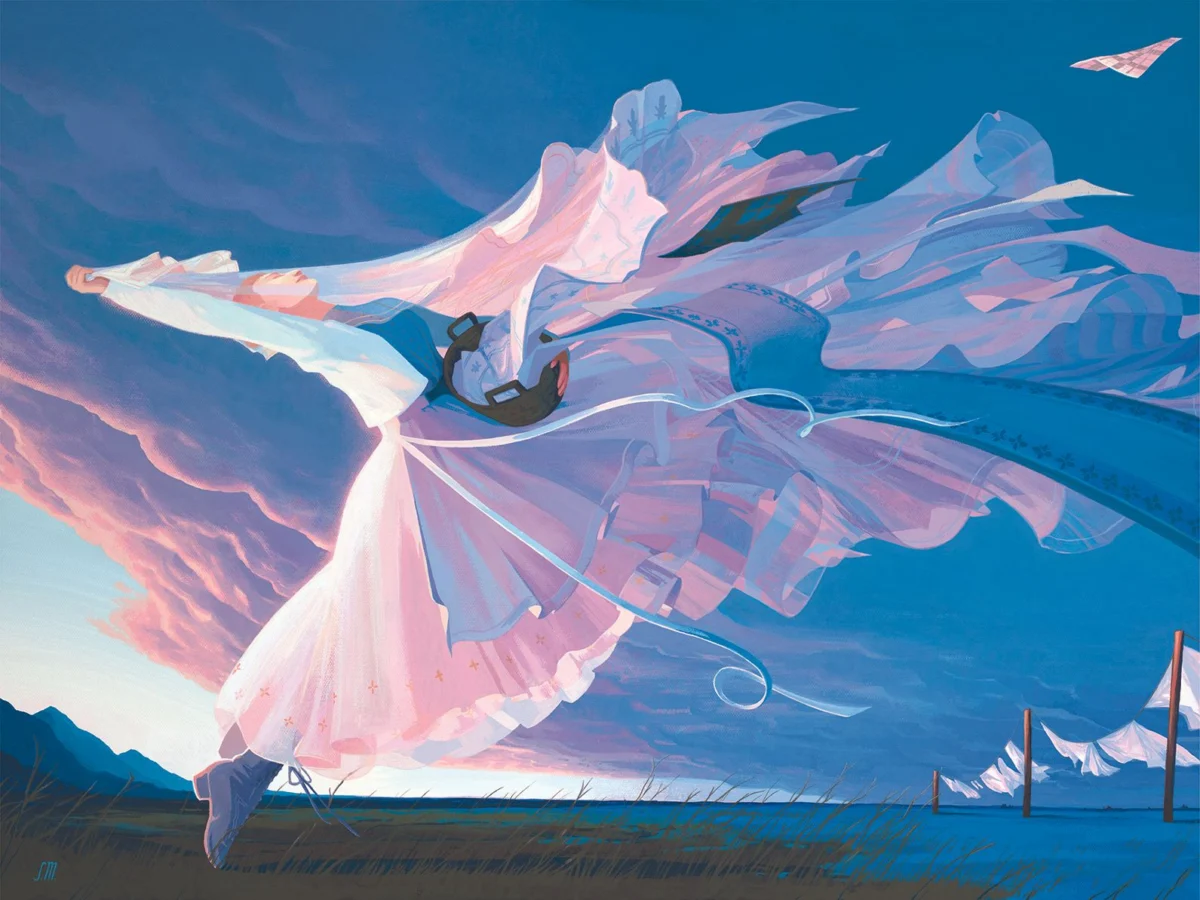
Every artist’s journey is punctuated by moments of profound clarity—singular instances where disparate ideas, techniques, and frustrations suddenly coalesce into a breakthrough. These epiphanies often serve as the bridge between a struggling practitioner and a master of their craft. While the path to artistic maturity is inherently personal, there is a recurring pattern in how creators overcome stagnation. By analyzing the experiences of accomplished professionals, we can map the anatomy of these breakthroughs and understand how to intentionally foster them in our own work.
The Genesis of Style: Finding the Process that Clicks
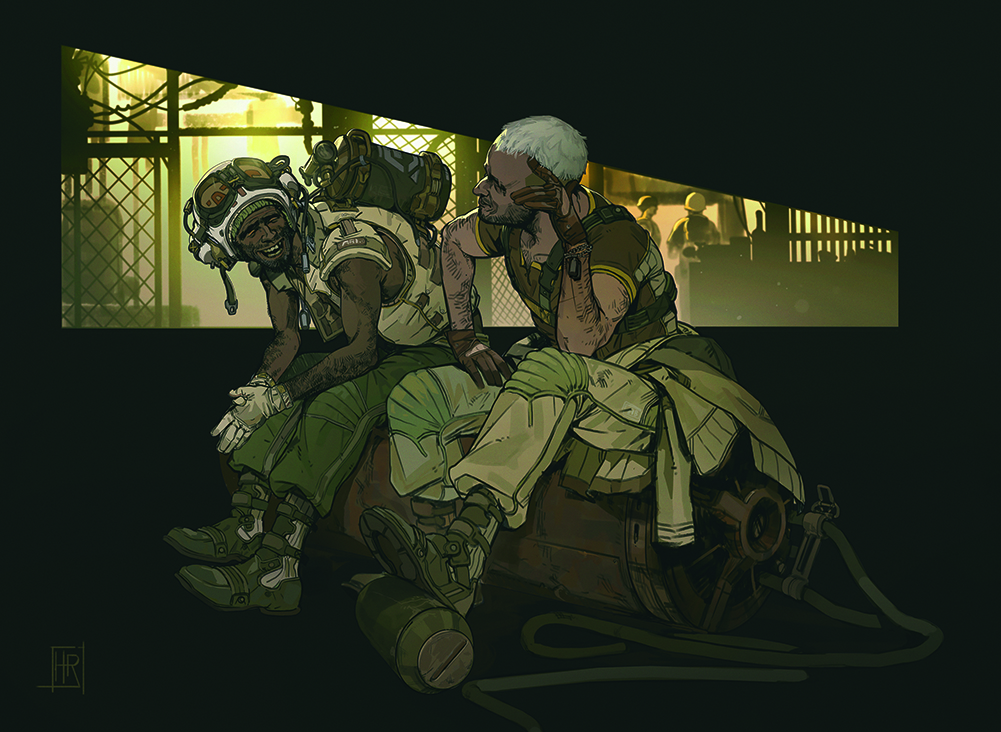
For character designer Hugo Richard, the search for a sustainable artistic process spanned years of trial and error. Like many, he struggled to find a workflow that balanced technical precision with emotional resonance. The turning point arrived when he observed a peer utilizing a specific, highly structured workflow: starting with incredibly detailed line work, followed by flat color blocking.
“One day, I noticed an artist making a super-rendered piece starting from incredibly detailed line work and flat colors,” Richard recalls. For him, this was the missing piece of the puzzle. “With flat colors, I learned how to control mood through saturation and temperature.”
This methodology allowed Richard to treat color as a psychological tool rather than merely a decorative finish. His friend and mentor further encouraged him to lean into the structural power of his line work. By studying the classic techniques of 19th-century artist Charles Bargue, Richard learned to manipulate line weight to suggest volume and mass—a technique that rendered heavy shading unnecessary.
This foundation was further solidified by Andrew Loomis’s seminal 1950s text, Drawing the Head and Hands. “At the time, I had a basic understanding of building structure, but I didn’t realize I could build a face in geometric forms,” Richard explains. This transition from intuitive, messy sketching to a disciplined, geometric approach provided him with the confidence to manipulate light and shadow with mathematical precision.
The Power of Hybridization: Beyond Media Purism
The dogma of "sticking to one medium" has long been a source of anxiety for developing artists. However, illustrator Serena Malyon found that her true creative voice emerged the moment she abandoned the idea of being a "watercolour purist."
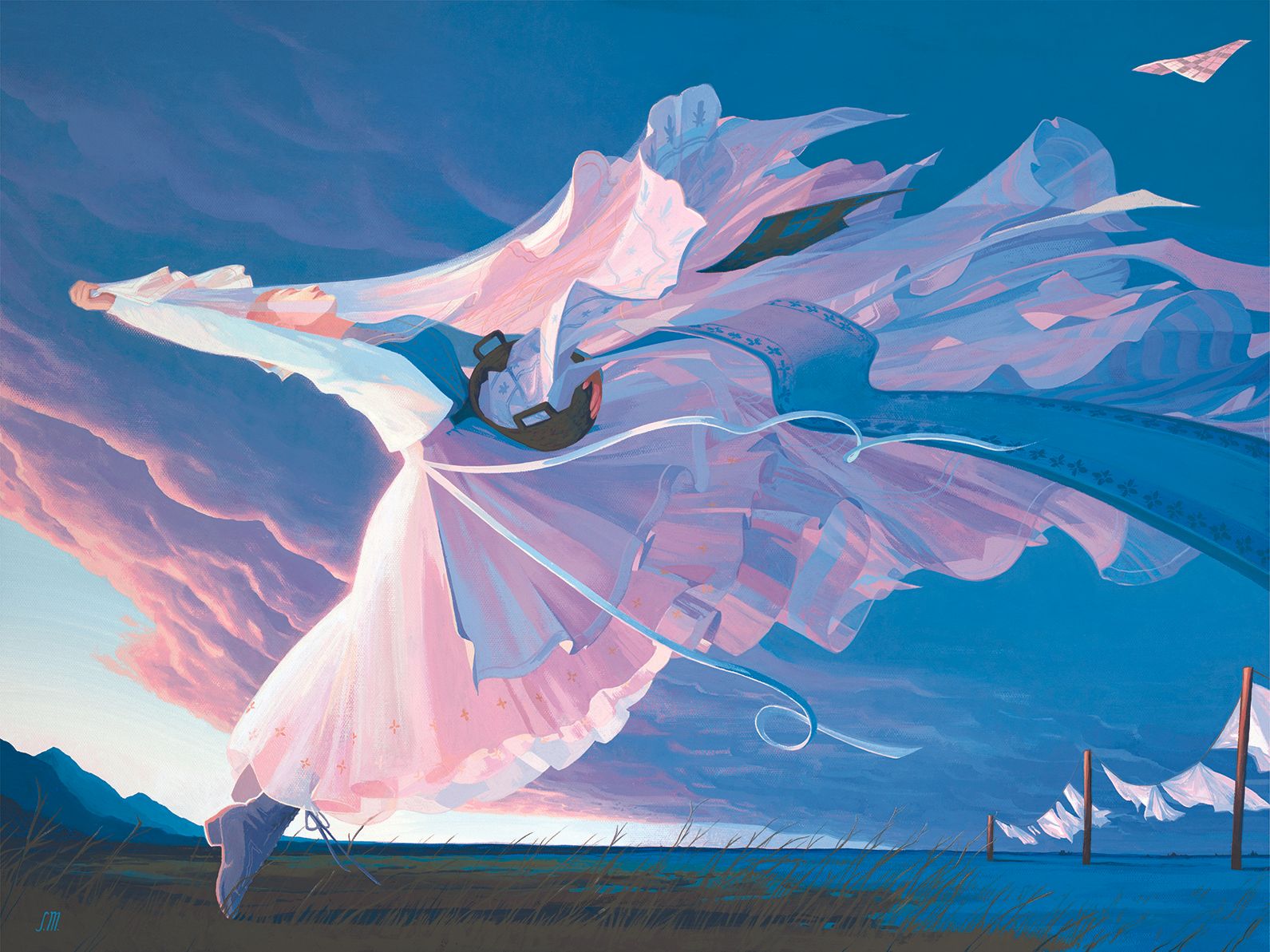
“When I realized that I didn’t have to be a purist, and that I could combine different mediums to create the look I wanted, I started making some really weird and unique artwork,” Malyon notes. Her workflow now reflects a pragmatic, hybrid approach: she uses watercolour for its fluidity in establishing a base, then pivots to acryla gouache or digital painting to refine edges, correct errors, and push the contrast. This liberation from the constraints of a single medium allowed Malyon to treat her canvas as a laboratory for experimentation, resulting in a signature style that feels both organic and polished.
Optimizing Workflow: The Thumbnail Strategy
In the high-pressure world of visual development and art direction, speed and clarity are paramount. Caroline Vos, an art director with over 25 years of experience in film and animation, discovered a revolutionary efficiency technique through a simple suggestion from creative director Bobby Chiu.
Chiu suggested using the "Navigator" tool in Photoshop as a miniature thumbnail viewer to test the readability of a composition at a glance. Vos took this concept and expanded it, creating dozens of tiny thumbnails on a single canvas before committing to a final design.
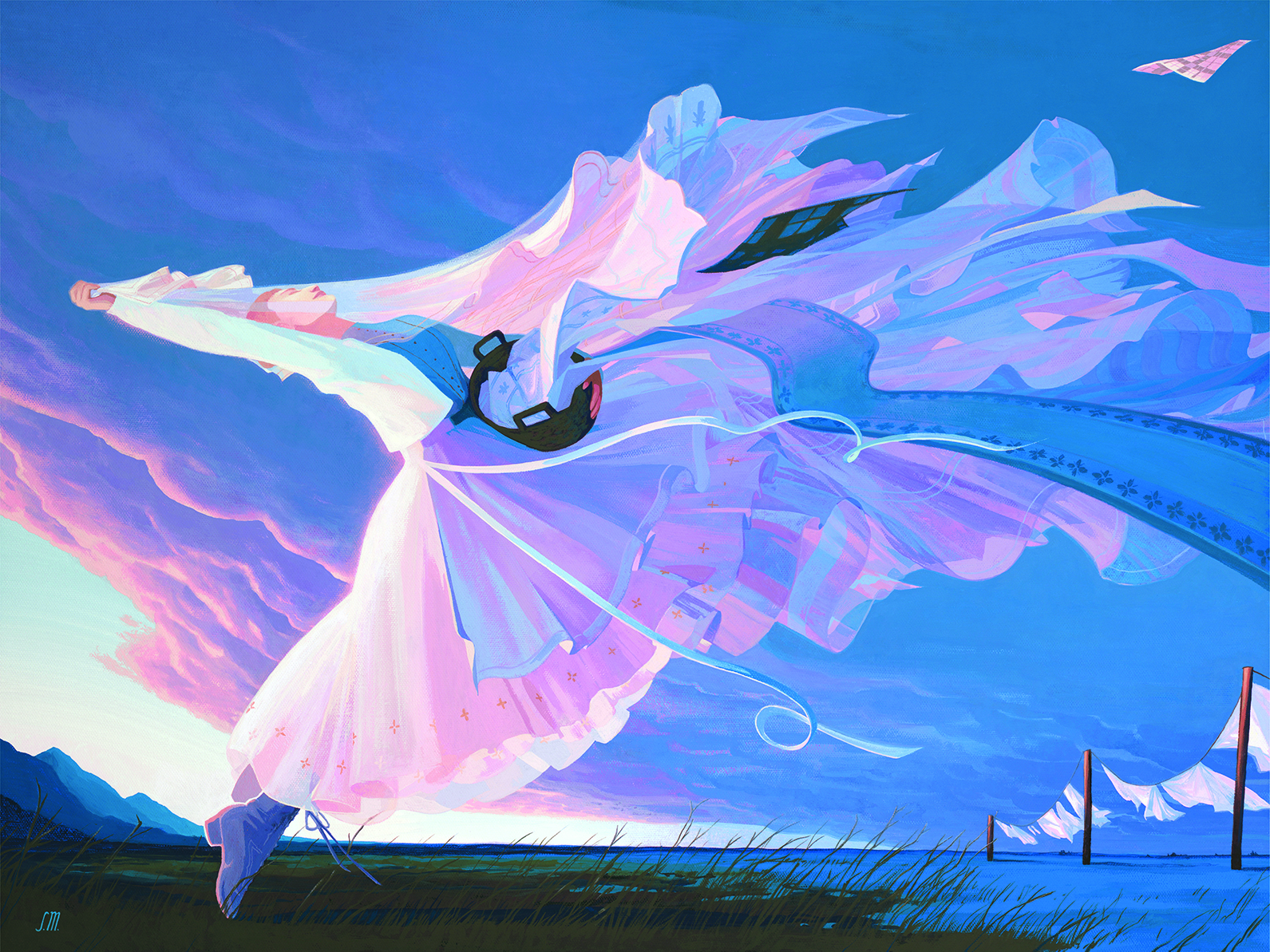
“It was a massive game-changer for working fast,” Vos explains. “It prevents me from getting bogged down in details and allows me to flesh out compositions that actually work. The beauty of it is that you can resolve big issues at a tiny scale and then increase the selected thumbnail, knowing that the bones of the artwork are already in place.”
Complementing this digital efficiency, Vos maintains a physical artist’s colour wheel on her desk. By relying on established complementary schemes rather than "winging it," she avoids the common pitfall of color fatigue, ensuring her final pieces maintain structural and chromatic harmony.
The Psychological Shift: Redefining Failure and Authenticity
Artistic growth is rarely just about technical mastery; it is deeply rooted in the artist’s mindset. Gokcen Yuksek, an oil painter and digital sculptor, experienced a major shift during a routine life drawing class. She realized that she had been forcing herself to adopt a style that felt alien to her, under the misconception that "improvement" required struggle.
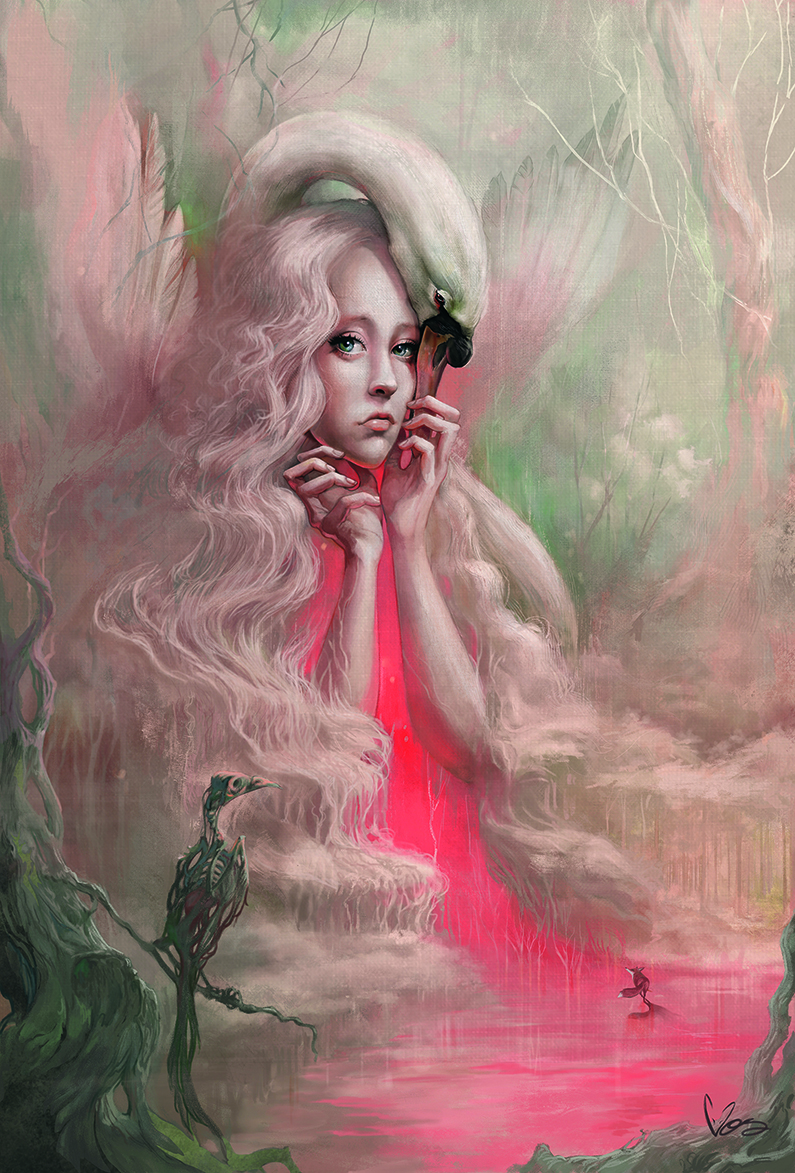
“It made me understand the difference between challenging myself to improve and forcing myself into a style that wasn’t really mine,” Yuksek says. “Once I started painting in a way that felt authentic, improving became much easier.”
This realization led to a complete overhaul of her process. She shifted from painting fine details on a blank canvas to a layered, patient approach involving underpainting and glazing. “I stopped worrying about the speed and the final result and started playing with transparency and effects,” she says. “I started having more fun.”
The Cycle of Discomfort: Sustained Growth
Hardy Fowler, a veteran concept artist, highlights the danger of "creative complacency." After noticing that his art remained stagnant during periods of professional success, he realized that comfort is the enemy of evolution.
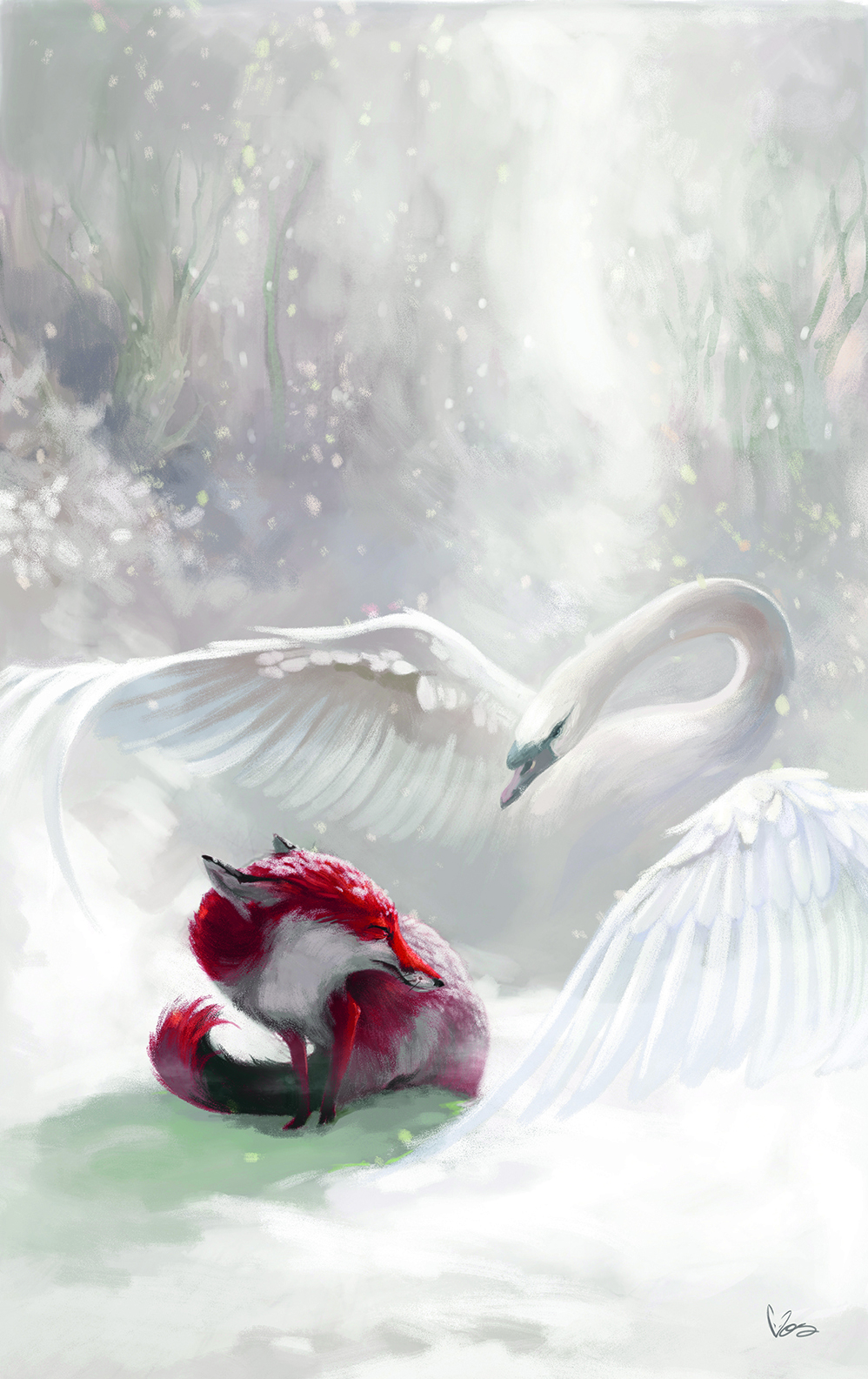
“When something starts to feel like it’s working, there is a tendency to take our foot off the gas,” Fowler warns. “I have learned to fight that instinct. I try to add a new technique, a new workflow, or a new brush palette to my work at least once a year. It’s uncomfortable and difficult, but I always end up learning something new.”
For Fowler, the "before and after" of a new technique is the primary metric of his success. His career is segmented by these intentional, forced shifts, proving that the most successful artists are those who never truly feel "finished" with their education.
Lessons from the Stage: The Theater of Composition
Fine artist Hope Doe found her breakthrough not in an art studio, but in a college theater production. Observing the way stage designers used lighting to guide the audience’s eye—using foreground cutouts and secondary backgrounds to create depth—she had a lightbulb moment.
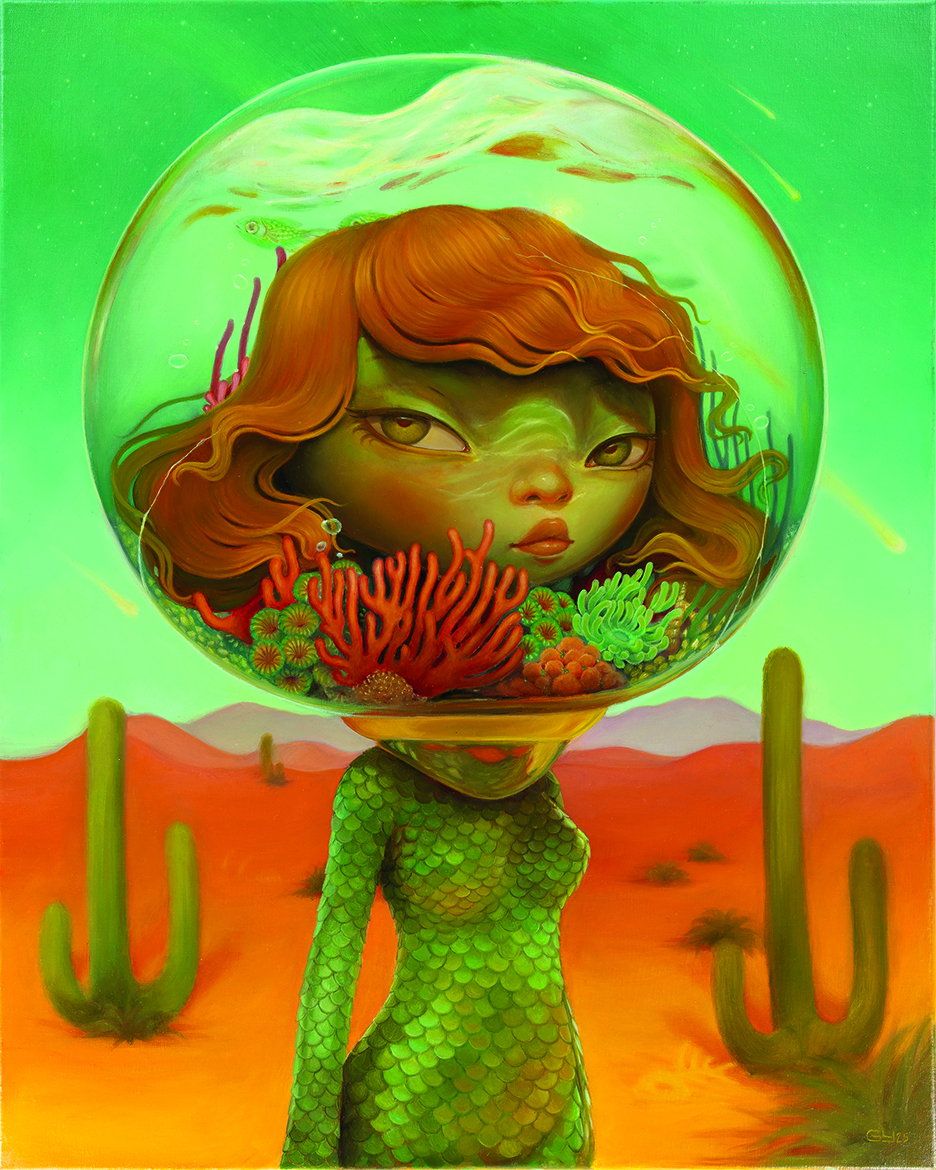
“I didn’t know just how important it was to organize values to make a detailed mess readable,” she explains. By treating her paintings like a theatrical set—lighting the action, darkening the background, and framing the foreground—she was able to lead the viewer’s eye with deliberate intent. This cinematic approach to value organization transformed her flat illustrations into immersive, readable narratives.
Dismantling Self-Imposed Limitations: The Case of Sucharita Suri
Perhaps the most significant barrier to artistic growth is the "self-imposed limitation." Sucharita Suri, a Mumbai-based watercolorist, spent years believing she was incapable of painting animals, a belief formed after a single bad experience early in her career.
“Don’t mistake a current limitation for a permanent one,” Suri advises. “The moment I stopped defining myself by what I couldn’t do and started focusing on what I was willing to learn, my creative world expanded.”
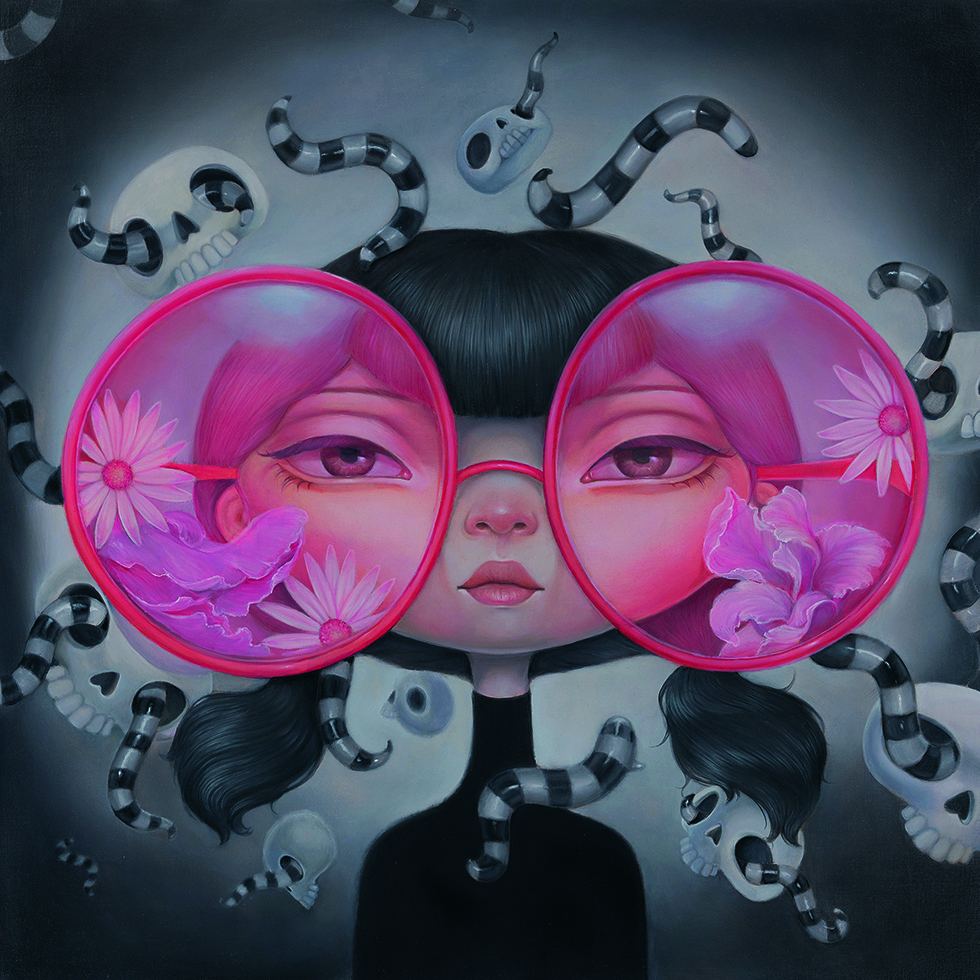
Suri’s breakthrough came when she approached her "weaknesses" with curiosity rather than judgment. She realized that she had conflated "unfamiliarity" with "inability." By returning to watercolour—a medium she had previously dismissed—with a mindset of patience, she found that her previous failures were simply a lack of experience. Today, her whimsical animals are her most celebrated works, proving that the greatest breakthroughs often lie on the other side of the discomfort we spend our careers trying to avoid.
Implications for the Future of Artistic Practice
These case studies reveal a common thread: the most transformative moments in an artist’s career are rarely accidental. They are the result of conscious inquiry, the courage to challenge established assumptions, and the humility to adopt new workflows even when existing ones are "good enough."
Whether it is through the geometric analysis of classical masters, the integration of digital and traditional media, or the strategic use of thumbnail composition, the path forward is defined by a willingness to iterate. As these artists demonstrate, the technical hurdles we face are often shadows cast by our own internal limitations. By shifting our perspective, we don’t just improve our art—we redefine our potential.
For any artist looking to break through their current plateau, the lesson is clear: seek the discomfort. Your next breakthrough is likely hidden within the very technique or subject matter you have been avoiding.


 Layla Zulfa
 Lina Hope