Laily UPN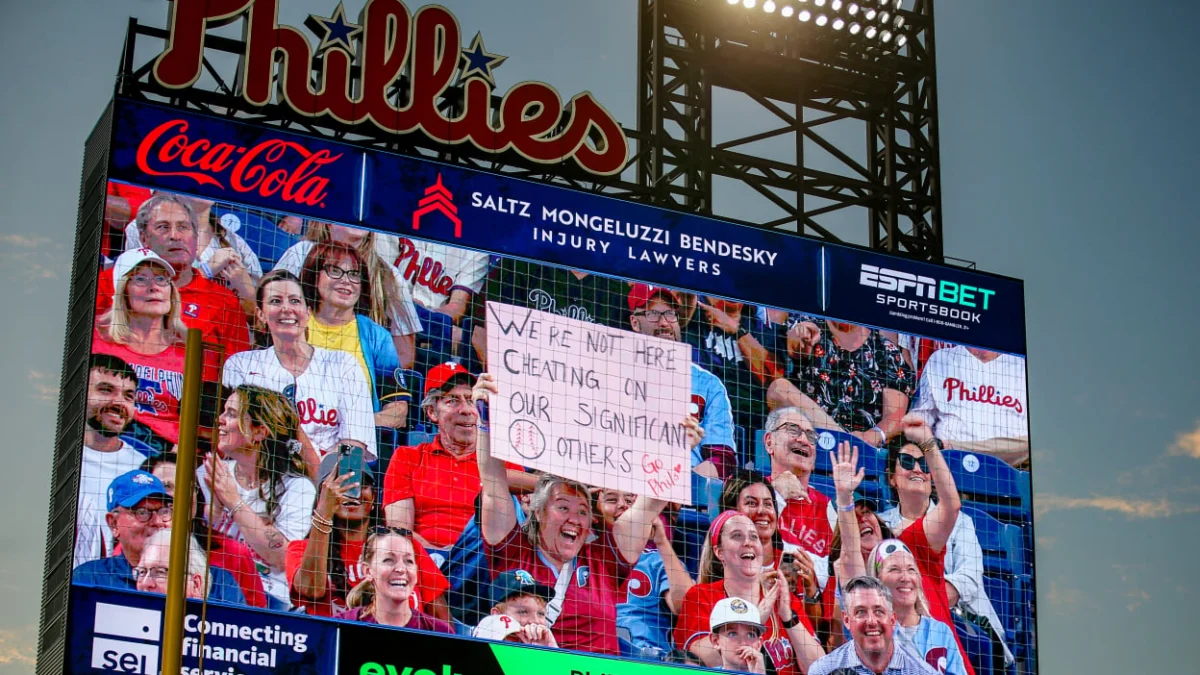
In the digital age, the boundary between public life and private experience has become increasingly porous. A casual afternoon stroll through New York’s Central Park, a place historically regarded as an urban sanctuary for privacy, has become the latest battleground in an escalating war over surveillance, consent, and the ethics of the creator economy.
On July 23, 2026, TikTok creator Jay Guapô, an influencer commanding an audience of 3.5 million followers, uploaded a video that would quickly spiral into a nationwide controversy. The footage captured two individuals engaged in an intimate embrace near the intersection of Central Park West and West 63rd Street. Within hours, the clip—which included the creator chiding the pair to "get a room"—had amassed over 2 million views, triggering a digital investigation that would ultimately out the subjects, dismantle their anonymity, and reignite a fierce debate regarding the morality of filming strangers for social media clout.
The Chronology of an Internet Scandal
The trajectory of the "Central Park Kiss" mirrors a disturbing trend in viral media, where human interest quickly shifts into invasive digital doxxing.
- July 23, 2026: Jay Guapô posts the video on TikTok. The creator is seen approaching the couple, who appear caught off-guard by the camera. The video’s framing and commentary suggest a narrative of impropriety, specifically hinting at infidelity.
- July 24, 2026: The video gains traction on X (formerly Twitter) and TikTok. The internet’s "amateur sleuths" begin a deep-dive analysis of the subjects’ attire, body language, and location.
- July 25, 2026: Major outlets, including the New York Post, report that the individuals in the video are Nathaniel Cullerton, 45, and Kelsey Borenzweig, 29, both employees at the high-profile law firm Wachtell, Lipton, Rosen & Katz. Cullerton is identified as a partner in the litigation department, while Borenzweig is an associate.
- July 26–27, 2026: Speculation reaches a fever pitch. Despite the lack of confirmation regarding the nature of their relationship or any alleged affair, the court of public opinion moves to judgment. The narrative—that a senior partner and an associate were caught in a public tryst—becomes the dominant discourse.
The Precedent: The "Coldplay Effect"
This incident is not an isolated phenomenon but rather a spiritual successor to the "Coldplay Kiss-Cam" scandal of July 2025. In that instance, footage of Astronomer CEO Andy Byron and Chief People Officer Kristin Cabot embracing at a concert went viral, leading to both executives’ resignations and subsequent personal fallout, including a divorce for Cabot.
The parallels are striking. In both cases, the subjects were captured in moments of perceived moral transgression, leading to a swift, decentralized trial. The "Coldplay Effect" demonstrated that in the era of high-definition smartphone cameras and global social media reach, private moments in public spaces—or semi-private moments in crowded venues—are no longer shielded from the consequences of mass exposure. The speed at which these individuals were identified underscores the efficacy of digital surveillance tools and the weaponization of personal information in the name of "accountability."
Ethical Implications: The Right to Privacy in the Age of "Content"
The core of the backlash against the Central Park video centers on a fundamental question: Do we have a reasonable expectation of privacy when we step outside our front doors?

Historically, the legal answer in the United States has leaned toward "no." Under the "expectation of privacy" doctrine, activities conducted in public view generally lack legal protection. However, the moral consensus is shifting rapidly. As technology—from smartphone cameras to discrete Meta smart glasses—makes recording more ubiquitous, the public is beginning to demand a standard of etiquette that the law has yet to catch up with.
Critics of the video have labeled the practice "creepy," comparing it to a real-life, involuntary episode of Cheaters. The argument is that the "attention economy"—a system that rewards creators for capturing conflict, scandal, or simply "cringe" moments—creates a perverse incentive to treat every stranger as a potential prop.
"We are living in a surveillance state," one commenter noted on the viral thread. "Forget about the government; your neighbor is already doing it."
Supporting Data: The Rise of the "Surveillance Economy"
The rise of "pickup" artists, pranksters, and social media influencers who rely on hidden or surreptitious filming has reached a saturation point. In early 2026, multiple reports surfaced regarding men using smart glasses to film women in public without their consent. The goal is often to capture a "reaction" or to produce content for monetization.
This shift has forced social media platforms to reassess their policies. Instagram head Adam Mosseri recently signaled a move toward banning videos that depict the harassment of strangers. "We don’t want people to be surreptitiously taking videos of other people and harassing them and then posting them on our platform," Mosseri stated in a mid-July Instagram Story. This move saw the deactivation of several high-profile accounts, some with over a million followers, that specialized in recording unsuspecting people in public settings.
However, the Central Park video exists in a gray area. It does not involve the overt harassment seen in "pickup artist" videos, but it highlights the chilling effect of constant recording. When anyone can be recorded and judged by millions, the incentive to engage with the public—or even to express intimacy—is diminished.

Official Responses and Corporate Silence
As of this writing, Wachtell, Lipton, Rosen & Katz has remained silent regarding the private lives of its employees. The firm’s lack of comment is standard for high-level legal organizations, which prioritize reputation management and the separation of personal conduct from professional capacity.
Similarly, Nathaniel Cullerton and Kelsey Borenzweig have maintained a total media blackout. Their silence has served as a vacuum for further speculation, allowing the internet to project its own narratives onto the situation. For the subjects, the damage is already done; the "viral" nature of the clip ensures that a search of their names will be forever linked to the incident, a digital scar that is nearly impossible to erase in the age of algorithmic permanence.
The Future: Toward a New Digital Norm
The Central Park incident is a diagnostic of a society grappling with the democratization of surveillance. We have moved past the point where the paparazzi were the only ones with cameras; now, every citizen is a journalist, a critic, and a judge.
The implications are profound. If we continue to normalize the recording and "doxxing" of strangers for the sake of viral entertainment, we risk creating a culture of constant paranoia. The loss of anonymity is a significant price to pay for the amusement of a global audience.
As the debate continues, it is likely that we will see more calls for legislative action. Privacy advocates are pushing for stricter laws regarding the dissemination of non-consensual recordings, particularly when those recordings are used to damage reputations or facilitate doxxing. Whether or not such laws are enacted, the "Central Park Lawyers" case serves as a stark reminder: in the digital panopticon, the most dangerous place to be is simply "out in public."
For now, the video remains a testament to the volatility of our online interactions. It is a cautionary tale for the creator, the subject, and the spectator alike—a snapshot of a moment that has forever altered the lives of those involved, proving once again that in the age of the smartphone, the private sphere is shrinking, and the public eye is increasingly unforgiving.

 Nana
Nana
 Jia Lissa