

Introduction: A New Chapter for Mexican Animation
On June 12, the landscape of global streaming animation will shift slightly toward the hauntingly beautiful, as the hand-crafted stop-motion feature I Am Frankelda makes its highly anticipated debut on Netflix. Born from the imaginative minds of sibling filmmakers Arturo and Roy Ambriz, the film represents more than just a new entry in the streaming giant’s library; it is a watershed moment for Mexican independent animation.
A spin-off of the celebrated HBO Max LatAm series Frankelda’s Book of Spooks, the feature film expands upon the gothic, Victorian-inspired aesthetic that defined its episodic predecessor. With its impending global release, I Am Frankelda brings the unique sensibilities of Mexico City-based studio Cinema Fantasma to a worldwide audience, solidifying the brothers’ reputation as masters of contemporary stop-motion storytelling.
The Genesis of a Gothic Narrative
The film is set against the atmospheric backdrop of 19th-century Mexico, a period piece that blends historical texture with surrealist fantasy. The plot centers on Frankelda, a gifted writer who finds her dark, imaginative fiction suppressed by the rigid social norms of her time.
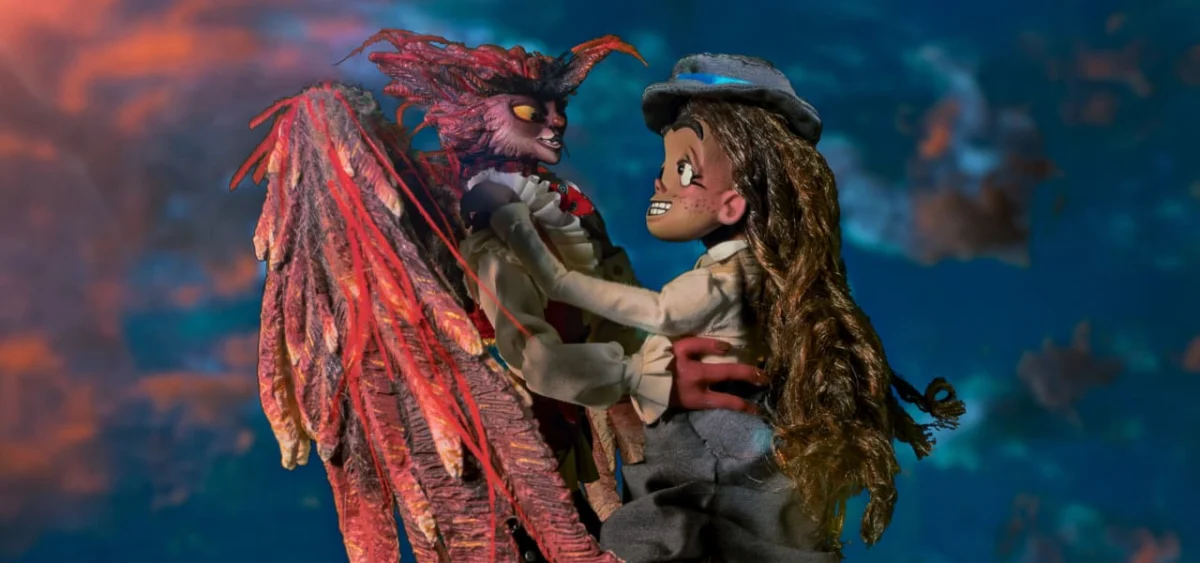
The narrative kicks into high gear when Frankelda is drawn into the labyrinthine depths of her own subconscious. Here, the boundaries between the creator and her creations dissolve. She encounters the monsters and figures birthed from her own ink—most notably Herneval, a cursed prince trapped in a liminal space between dreams and nightmares. Together, they embark on a quest to confront forces that threaten to consume both the fragile reality of 19th-century Mexico and the vibrant, dangerous fictional worlds Frankelda has painstakingly constructed.
Chronology: From Concept to Global Screen
The journey of I Am Frankelda is one of organic evolution and artistic persistence.
- The Foundational Years: Arturo and Roy Ambriz began their careers in the Mexican animation circuit with a focus on blending local folklore with international horror traditions. Their studio, Cinema Fantasma, was established with the goal of preserving the "human touch" in an increasingly digital industry.
- The HBO Max Pilot: The success of Frankelda’s Book of Spooks served as the proving ground for the aesthetic. The series received critical acclaim for its intricate puppetry and moody lighting, which caught the attention of regional audiences and industry critics alike.
- Feature Development: Building on the momentum of the series, the Ambriz brothers expanded the scope of the project, focusing on a more cinematic, high-stakes narrative that could hold its own as a standalone feature.
- The Festival Circuit: Before its streaming debut, the film made waves on the international festival circuit. Its recognition as an Annie Award nominee cemented its status as a critical darling, proving that the Ambriz brothers’ vision resonated far beyond domestic borders.
- The Global Launch: With the Netflix acquisition, the project is poised for its widest reach to date, bringing a distinctively Latin American gothic perspective to the global stage on June 12.
Production Design: A Masterclass in Craft
At the heart of I Am Frankelda is a commitment to tactile, artisanal production values. The film’s visual language is the result of a massive collaborative effort between the Ambriz brothers and a top-tier creative team.
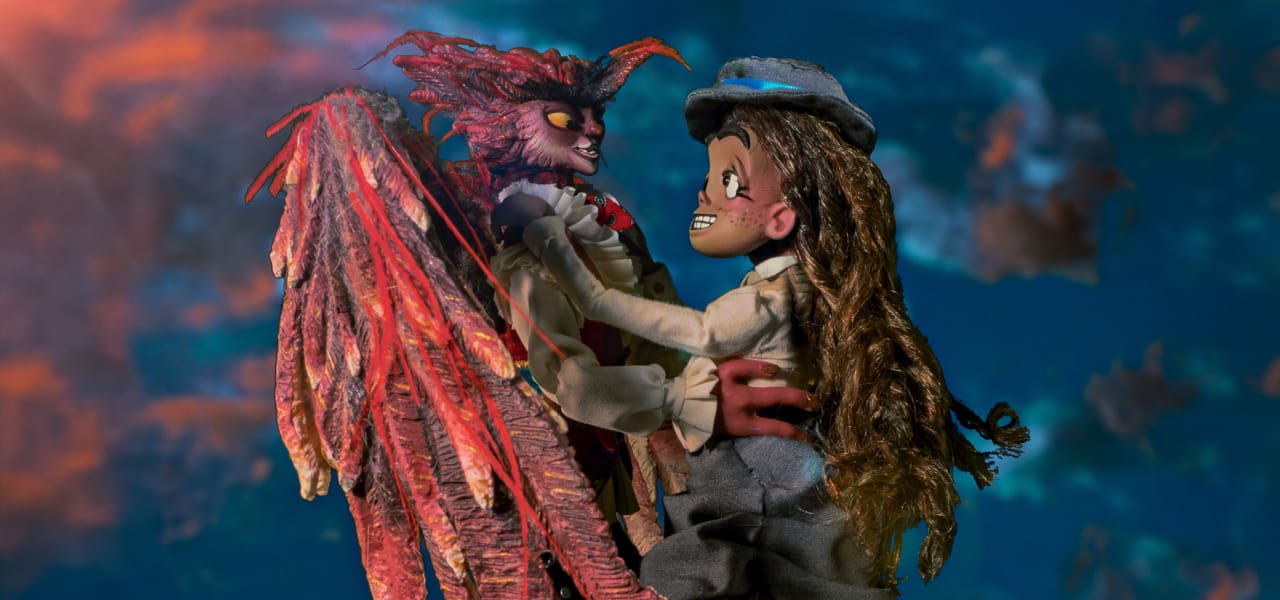
The production design was led by Ana Coronilla and Disney veteran Bruce Zick. Together, they navigated the challenges of translating 19th-century aesthetics into a stop-motion medium. Every prop, set piece, and puppet was designed to evoke a sense of "hand-made" history—a stark contrast to the slick, CGI-heavy aesthetics often found in contemporary features. The original score, composed by Kevin Smithers, serves as the auditory anchor, layering tension and melancholy over the stop-motion visuals. The voice cast, featuring Mireya Mendoza, Arturo Mercado Jr., and Luis Leonardo Suarez, adds a layer of depth that grounds the fantastical elements in raw human emotion.
Official Statements: The Philosophy of the Ambriz Brothers
In a rare and deeply personal joint statement, the directors provided insight into the philosophical underpinnings of their work. They view I Am Frankelda not merely as entertainment, but as a reflection on the nature of creativity itself.
"As brothers, we grew up inventing worlds together, drawing, playing, imagining," the directors stated. "Over time, we understood that fictional characters were not only companions but guides. Sometimes they felt closer than the people around us. They provided us courage, wisdom, and solace. We believe fiction is not an escape from reality but a way of understanding it."
They further elaborated on the core dynamic of the film: the relationship between Frankelda and her creation, Herneval. "We are drawn to the mystery of ideas. We do not know if we invent them or if they find us. We only know that when they arrive, they ask to be brought into the world. This film is a dream for us. It holds everything we have loved since childhood: monsters, drama, music, color, intensity, culture, and worldbuilding."
For the Ambriz brothers, the protagonist serves as a proxy for the artist’s struggle. "Frankelda is about a creator who insists on being heard, even when everything around her says no."
Implications: A Shift in Global Animation
The release of I Am Frankelda on Netflix carries significant implications for the animation industry.
.png)
1. The Rise of "Regional" Gothic
For decades, global animation was dominated by the aesthetic standards of American and Japanese studios. However, the success of projects like I Am Frankelda signals a growing appetite for regional narratives that utilize universal themes—like the struggle for creative identity—wrapped in local cultural motifs. By infusing their gothic horror with the spirit of Mexican folklore, the Ambriz brothers have created a "glocalized" product that feels both deeply specific and globally accessible.
2. The Resilience of Stop-Motion
In an era dominated by generative AI and high-end 3D rendering, the continued viability of stop-motion is a testament to the audience’s enduring desire for tangible, "imperfect" art. I Am Frankelda proves that there is still a massive, high-value market for projects that prioritize physical craftsmanship. It invites viewers to appreciate the labor behind every frame—the slight movements of puppets, the texture of fabric, and the flicker of light.
3. The Power of Intellectual Property Expansion
The trajectory of this project—moving from a popular series to a feature film—highlights the evolving strategies of streaming platforms. By leveraging existing fanbases from episodic content to drive interest in feature-length projects, studios like Netflix are successfully de-risking original films. This model allows for more experimental, niche, or "darker" content to receive the budgets usually reserved for safe, family-friendly blockbusters.
Conclusion: A Must-Watch for the Imaginative
As the June 12 premiere approaches, the buzz surrounding I Am Frankelda is palpable. Whether it is the striking visuals teased in the new international trailer or the emotional gravity of the directors’ vision, the film stands as a triumph of independent spirit.
For fans of animation, the film is a reminder that the most compelling stories are often those that explore the intersection of the real and the imagined. As Frankelda battles the forces that seek to silence her, she invites the audience to do the same—to embrace the monsters of their own creation and find the beauty in the dark. With its release, Cinema Fantasma has not only brought a Mexican story to the world; they have invited the world into the complex, beautiful, and haunting reality of the creative mind.









No comments yet. Be the first to join the conversation!