

The cinematic experience—the flicker of light on a screen, the immersive sound design, and the suspension of disbelief—is an art form. However, the mechanism that brings that art to life is a brutal, high-stakes industrial engine. To the average moviegoer, a film is a product that simply "appears" in theaters or on a streaming app. In reality, every blockbuster or indie breakout is the result of a labyrinthine network of global financing, aggressive marketing, complex distribution contracts, and cold, hard audience data.
As we move deeper into the streaming era, the fundamentals of how movies are funded, sold, and promoted have undergone a radical shift. Understanding the business of Hollywood requires looking past the red carpet and into the boardrooms where the fate of multi-million dollar projects is decided.

I. The Economic Fundamentals: How Movies Survive
The film business is arguably the most speculative industry in existence. Unlike a tech company that can pivot its software, a film studio commits hundreds of millions of dollars to a finished product before it ever touches a customer’s eyes.
The Marketing Paradox
One of the most counterintuitive aspects of the industry is that the cost to market a film often matches the cost to produce it. For a $200 million blockbuster, a studio will frequently spend an equal amount on global advertising, trailers, press tours, and digital social media campaigns. This "P&A" (Prints and Advertising) budget is essential; without it, even the most expensive production would fail to capture the "mindshare" required for a successful opening weekend.

The Opening Weekend Benchmark
Despite the rise of on-demand viewing, the opening weekend remains the "North Star" for industry performance. Studios monitor these first 72 hours with obsessive intensity. A strong opening signals to exhibitors that the film has "legs," preventing it from being pulled from screens early. It dictates media narratives, stock prices, and the morale of the creative team.
The Myth of Solo Financing
The "major studio" moniker is often a misnomer. Modern tentpole films are rarely financed by a single entity. Through co-production deals, studios share the financial burden with investment firms, international distributors, and sometimes even the talent themselves. By spreading the risk, studios can greenlight more projects, ensuring that one massive failure does not lead to a total corporate collapse.

II. A Chronology of a Project’s Lifecycle
To understand the business, one must look at the timeline of a film from conception to the "long tail" of home entertainment.
- Development & Tax Incentives: Long before a camera rolls, producers scout locations based on tax credits. Governments in regions like Georgia, the UK, and Canada offer aggressive financial rebates. Where a film is shot is rarely an artistic choice; it is a ledger-sheet calculation.
- Production & The Completion Bond: To ensure a film is actually finished, producers purchase a "completion bond." This insurance policy guarantees that if a director goes over budget or a set is destroyed, the film will be completed regardless of the catastrophe.
- The Test Screening Pivot: Once a rough cut is finished, the film enters the "test screening" phase. Audiences are shown the film in controlled environments, and their reactions are analyzed to the second. Studios use this data to force re-edits, cut scenes, or even change the ending to maximize commercial appeal.
- The Theatrical Window: Once the film premieres, it enters a "window"—the period of exclusive theatrical access. While these windows were once months-long, they have shrunk drastically, with some films arriving on streaming services just weeks after their debut.
III. Supporting Data: The Global Shift
The geography of cinema has shifted. For decades, the US domestic market was the primary engine of profitability. Today, that has changed.
The International Imperative
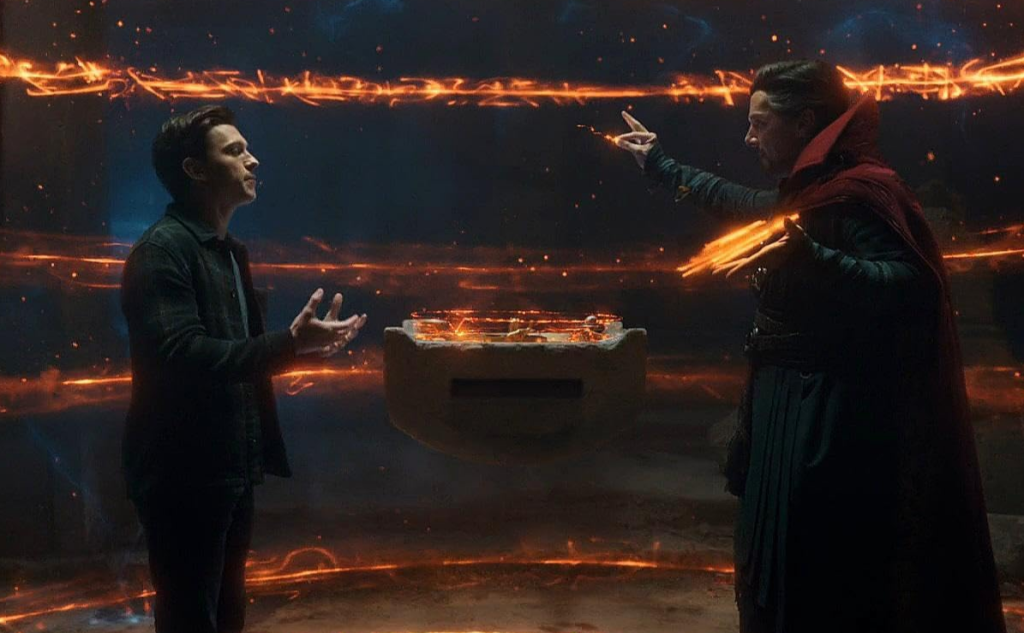
For many modern franchises, the domestic box office is merely the "opening act." International markets now frequently account for 60% to 70% of a film’s total revenue. This shift has fundamentally changed how stories are told: movies are increasingly designed with "global appeal" in mind, prioritizing visual storytelling that transcends language barriers and casting talent with international recognition.
Outsourcing the Magic
The "blockbuster" look is a product of a globalized supply chain. Visual effects (VFX) work is rarely done in-house. Studios outsource these tasks to dozens of specialized firms across the globe, from New Zealand to India. This allows for 24-hour production cycles, where artists hand off work as the sun sets in one time zone and rises in another.
IV. Official Responses and Industry Tensions
The rapid digitization of film has led to significant friction between labor unions and the major studios.
The Residuals Crisis
At the heart of the recent labor disputes (such as the historic 2023 WGA and SAG-AFTRA strikes) lies the issue of "residuals." Historically, actors and writers were paid a percentage of the revenue generated when a film was rebroadcast or licensed. Streaming platforms, however, often obscure their viewership numbers and categorize content differently, leading to a breakdown in how creators are compensated. The industry is currently in a state of flux, attempting to build a new compensation framework that reflects a subscription-based, rather than a transaction-based, economy.

V. Strategic Implications: Why Movies Fail or Succeed
Profitability is a fickle metric. A film can gross $400 million globally and still be considered a "flop" if the production and marketing costs, coupled with the percentage taken by theater chains, exceed the revenue.
The Science of Release Dates
The calendar is a battlefield. Studios spend months—sometimes years—selecting a release date. They analyze the "competitive landscape," avoiding films with similar target demographics. A move by one week can be the difference between a record-breaking opening and being buried by a competitor.
Product Placement as Capital
When you see a hero drinking a specific brand of soda or driving a particular car, you are looking at a "brand partnership." These are not just artistic choices; they are vital revenue streams. Companies pay millions for this exposure, providing the production with cash or logistical support, which helps mitigate the high risks of independent or mid-budget filmmaking.
The Festival Marketplace
Film festivals such as Cannes, Sundance, and Toronto have transformed into high-stakes stock exchanges. These events are where smaller films find their homes. A bidding war at a festival can turn an obscure indie project into a global distribution event, proving that even in the age of algorithms, the "human" discovery of art still drives the industry.

Conclusion: The Business Behind the Lens
The modern movie business is a tension between the creative dreamers and the financial pragmatists. Every time an audience walks into a theater, they are participating in a highly engineered commercial process.
The industry is currently navigating its most significant transformation since the arrival of television. As theatrical windows continue to blur and streaming platforms consolidate their power, the metrics of success will continue to evolve. Yet, the core truth remains: the movie business is a risk-mitigation game. Whether it is through tax credits, completion bonds, or global distribution, the goal remains the same—to protect the investment while hoping to capture the hearts of the global audience. The next time you watch the credits roll, consider the thousands of artists, investors, and analysts who ensured that the screen stayed lit.










