
 Muslim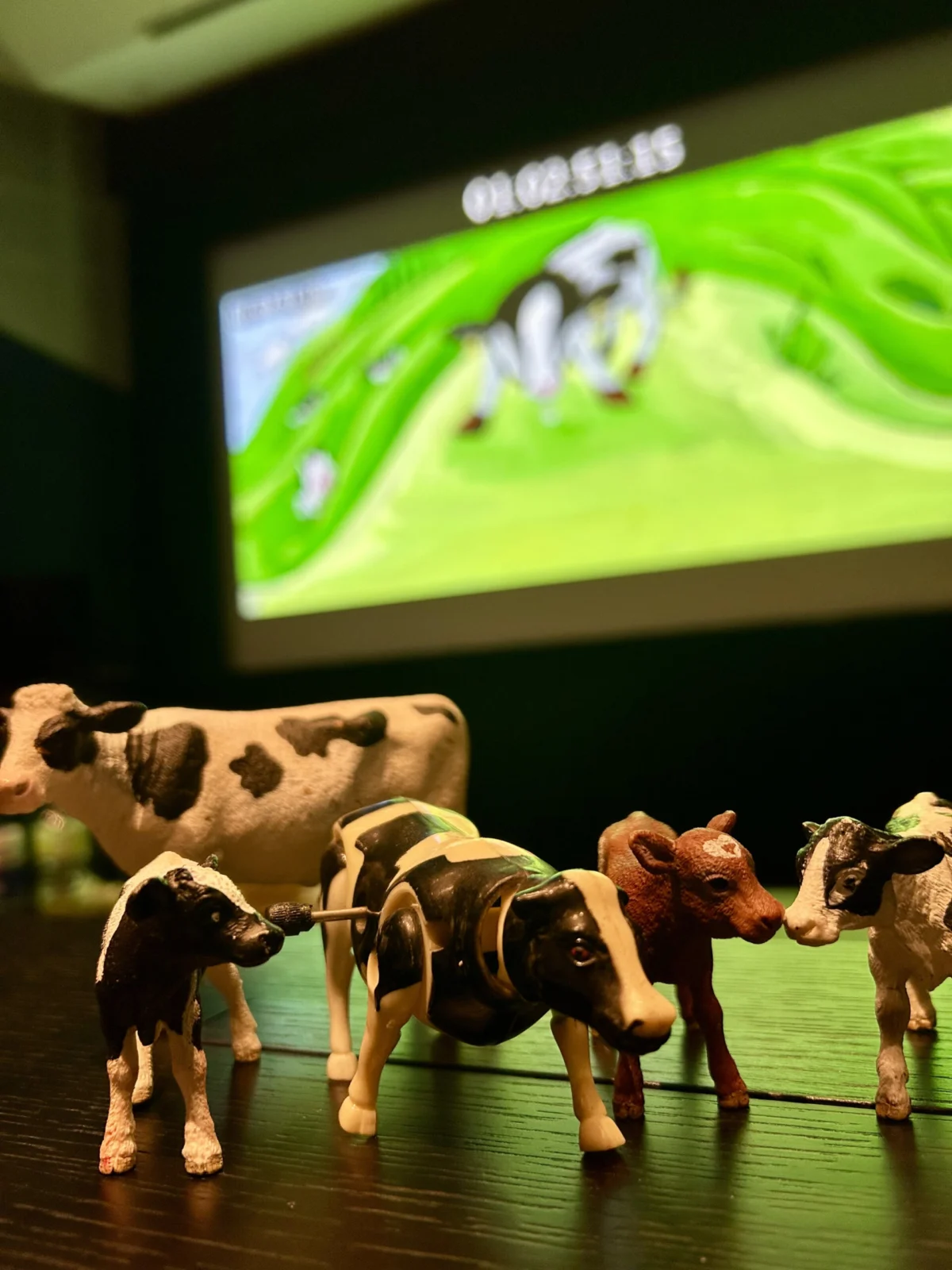
By Jamie Lang | May 12, 2026
In the landscape of contemporary independent animation, few voices possess the raw, unsettling clarity of Japanese filmmaker Honami Yano. With her breakthrough short A Bite of Bone, Yano established a signature style defined by the intersection of tactile decay and ethereal memory. She has never been one to shy away from the “unsettling edges” of the human condition. Now, as her latest project, Eri, prepares for its highly anticipated debut at the Cannes Directors’ Fortnight, it is clear that Yano has traded the metaphorical for the visceral, delivering a film that is as structurally daring as it is emotionally devastating.
The Premise: A Surrealist Lens on Systemic Reality
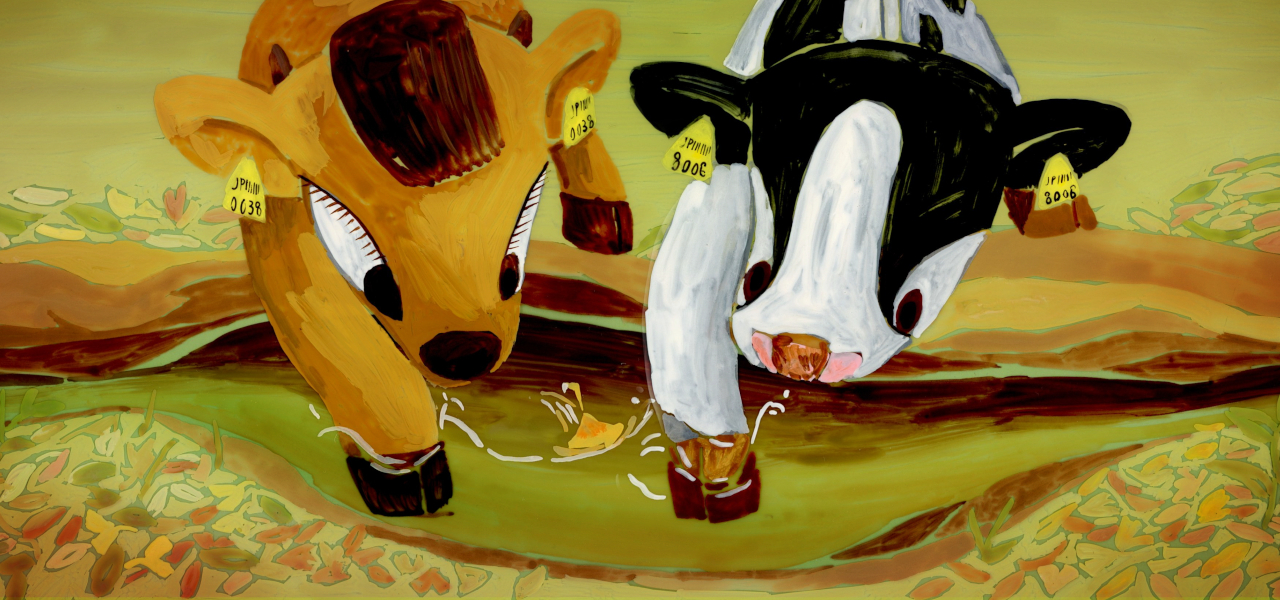
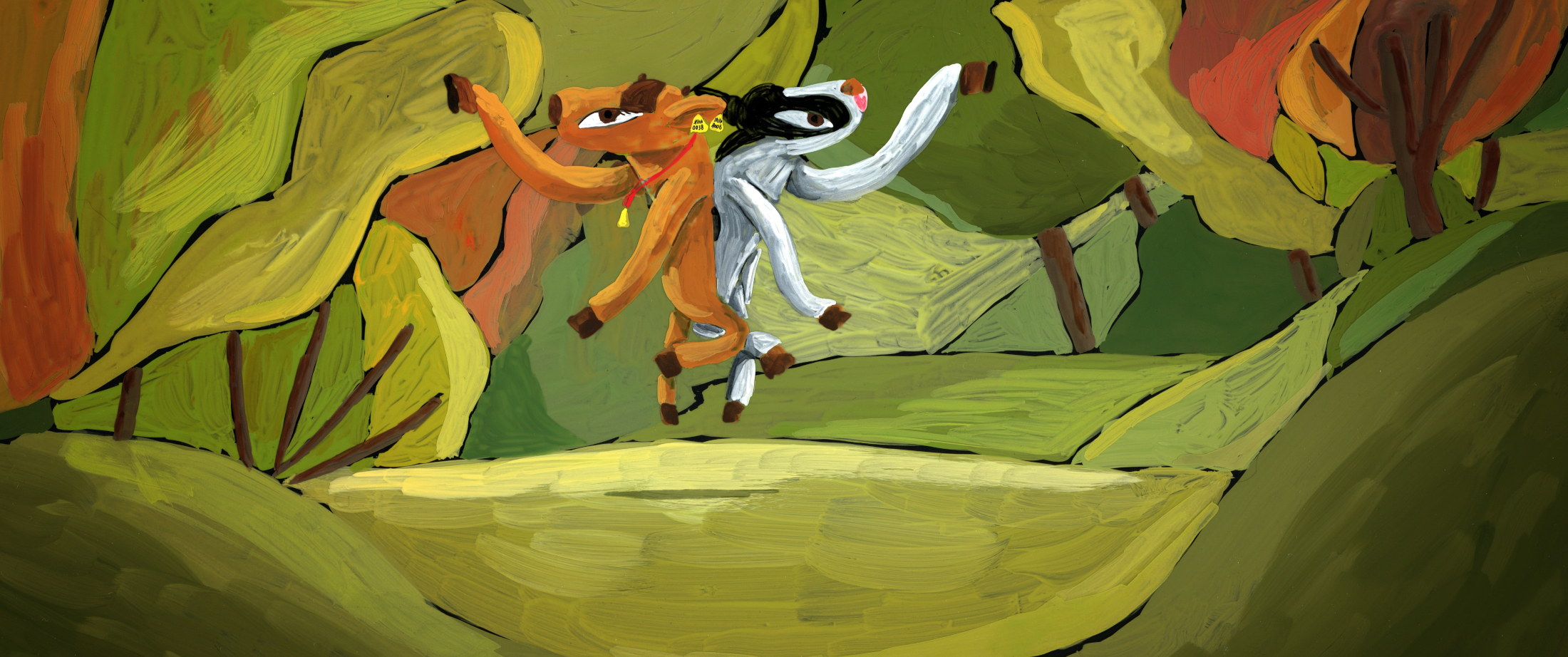
Eri is a 12-minute short film that, at first glance, presents a premise of startling surrealism: it tells the story of a Holstein cow who falls deeply, hopelessly in love with another cow named Sawa. In the film’s universe, dairy cows are permitted to exist only under the strict condition that they bear calves. Within this rigid, industrialized framework, Yano maps a queer love story that transcends the species barrier, transforming the source material—Kasumi Asakura’s novel Who Else Is There?—into something profound.
By shifting the narrative from human protagonists to bovines, Yano does more than subvert genre tropes; she excavates the urgency of love under duress. “When I began thinking about how to bring Kasumi Asakura’s words to life in animation, I had a feeling that keeping the characters human would somehow close the work in, limit what it could become,” Yano tells Cartoon Brew.
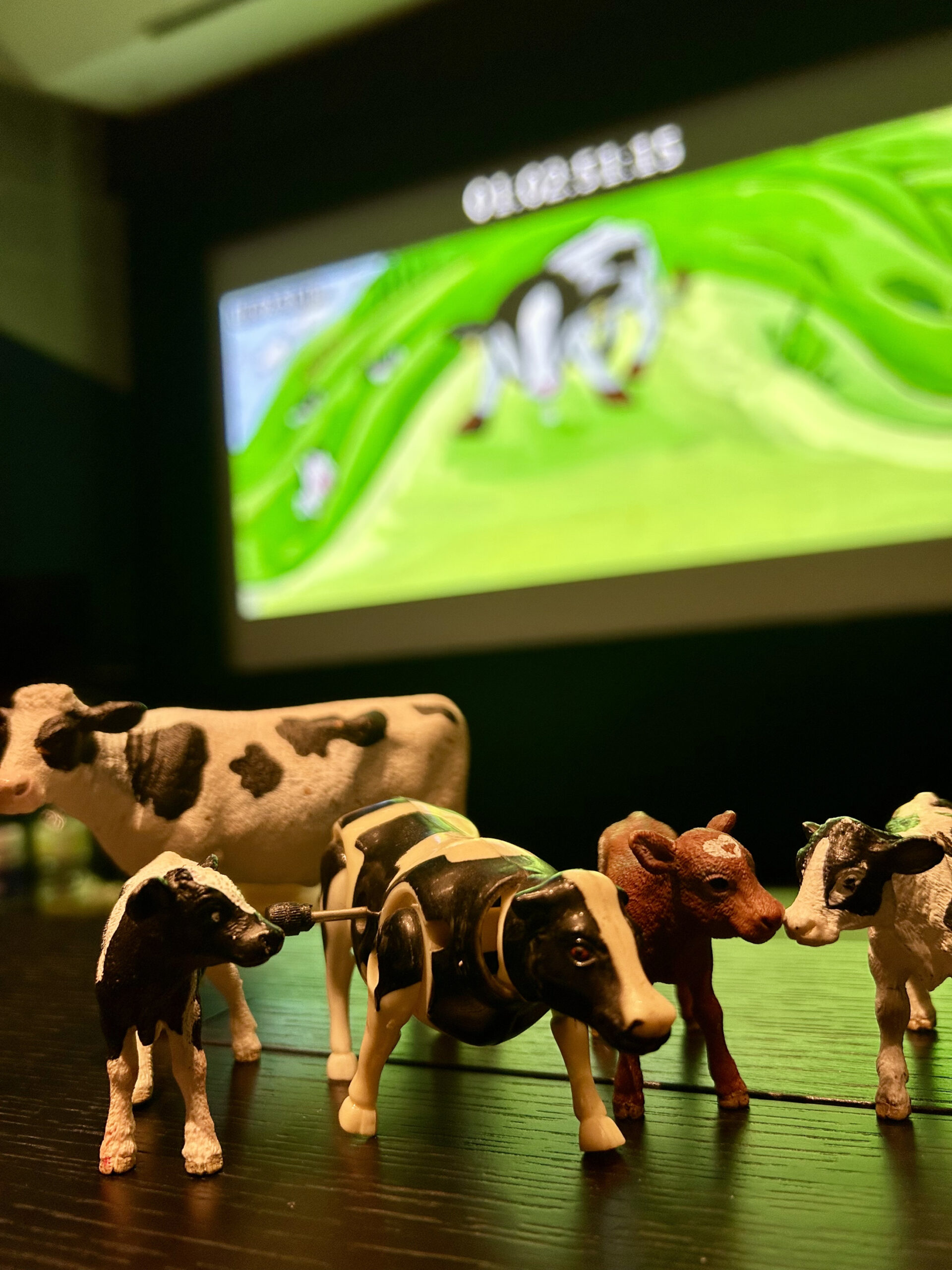
The conceptual leap was born from a deep, analytical investigation of the source text. In Asakura’s novel, the tension between the protagonists is rooted in their skin color—a dialogue on visibility, difference, and self-consciousness. Yano found that the binary of “black and white” naturally drew her toward the dairy farm. “Light skin and dark skin. White and black. That thought led me to a farm. And when I met the cows there, I knew, these were the ones I wanted to draw.”
A Chronology of Creation: From Dream to Cel
The production of Eri was a multi-year odyssey, defined by an evolution from traditional paper-based animation to a bespoke, sculptural technique. Yano’s creative journey began with rigorous field research at rural Japanese dairy farms, where she spent months sketching and observing the movements and social dynamics of the herds.
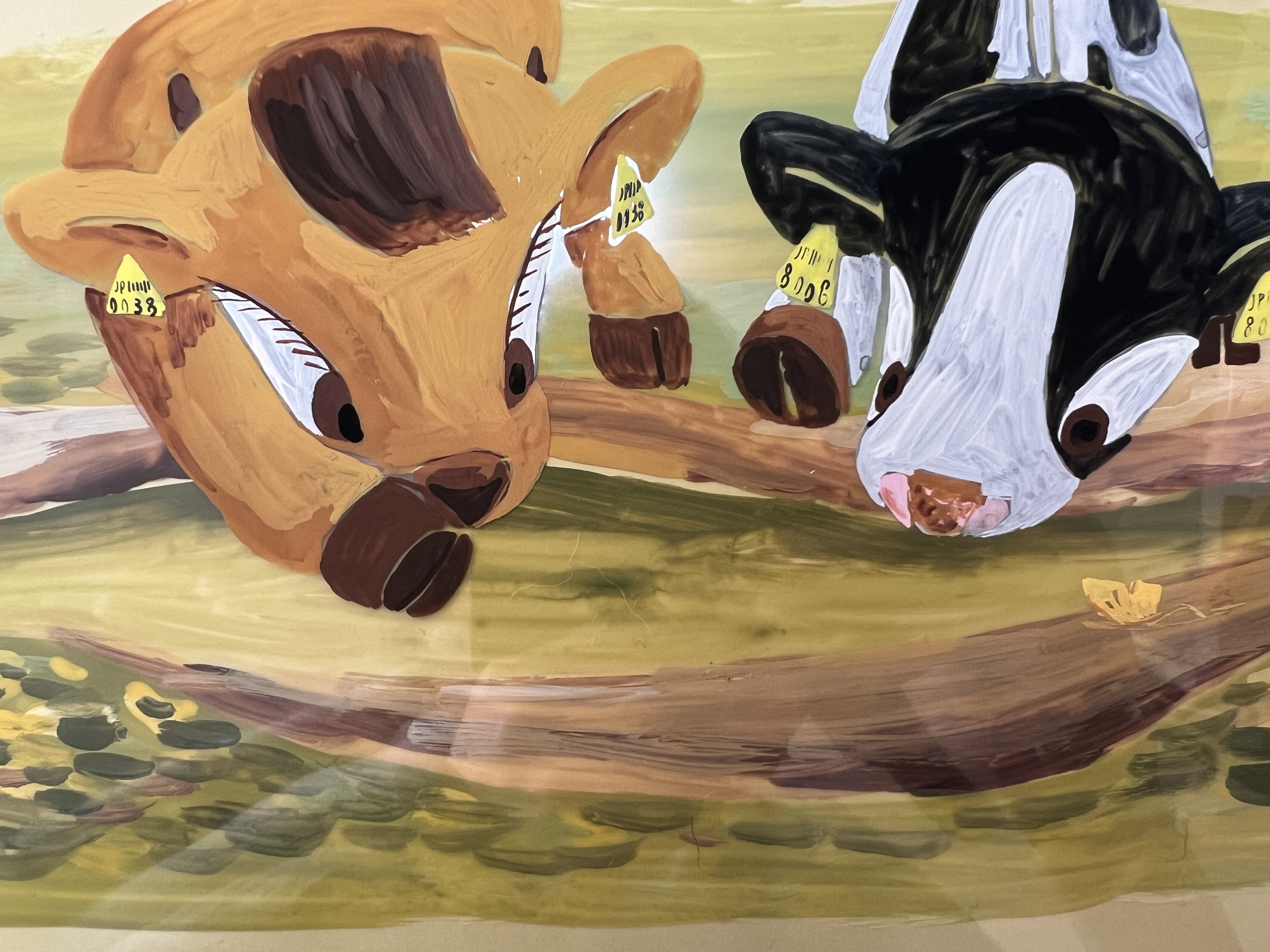
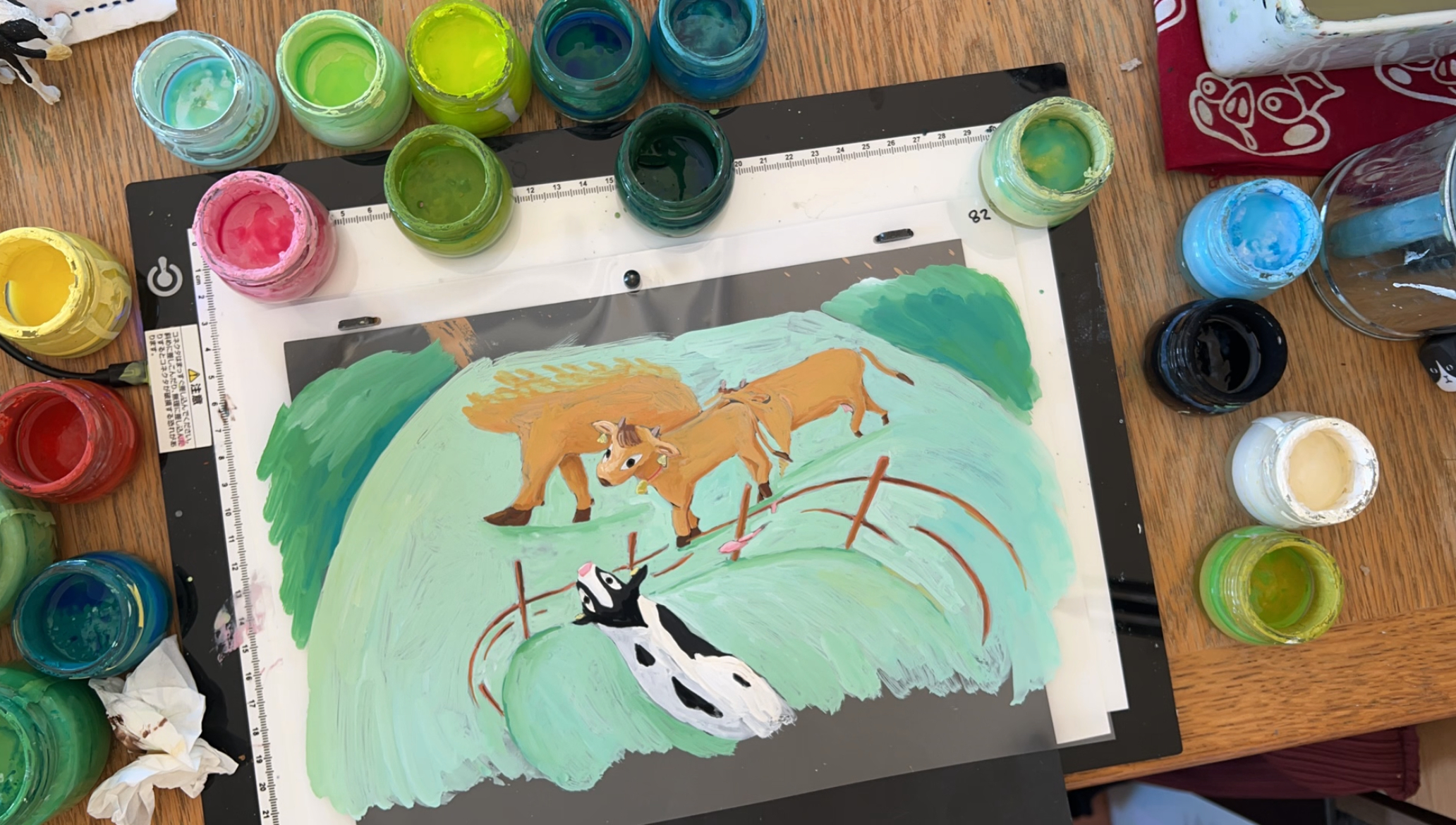
Early in the process, Yano struggled to capture the desired texture. “I started working on animation paper, but after around two hundred paintings, something still wasn’t right,” she recalls. The breakthrough arrived in the form of a subconscious revelation. A dream of painting on transparent layers—where the physical shadow of the character would fall onto the background beneath—provided the necessary visual language.
This led to the decision to hand-paint every frame with acrylics directly onto transparent cels. The result is a film that feels physically present, with visible brushstrokes and thick, layered paint that creates a sense of instability and life. The production is a high-profile France-Japan co-production, bringing together Miyu Productions and Tokyo’s Au Praxinoscope, with the legendary Oscar-nominated animator Koji Yamamura serving as the supervising producer. This collaboration underscores the film’s status as a serious contender in the current international awards circuit.
Supporting Data: The Physics of Vision and Sound
The technical precision of Eri is not merely aesthetic; it is rooted in biological observation. Yano’s choice to film in the wide, panoramic CinemaScope aspect ratio was a deliberate effort to mimic the 330-degree field of vision inherent to a cow. By expanding the frame, Yano invites the audience into the bovine experience of the expansive mountain pastures, grounding the surreal narrative in a tangible, physical reality.
The soundscape, developed by Yano and sound designer Masumi Takino, follows this same commitment to authenticity. Rather than utilizing pre-recorded stock audio, the team spent weeks on-site at various Japanese farms. They recorded the specific, rhythmic breathing of cows, the hum of electric fences, and the haunting, near-silent ambient atmosphere of the high-altitude mountains.
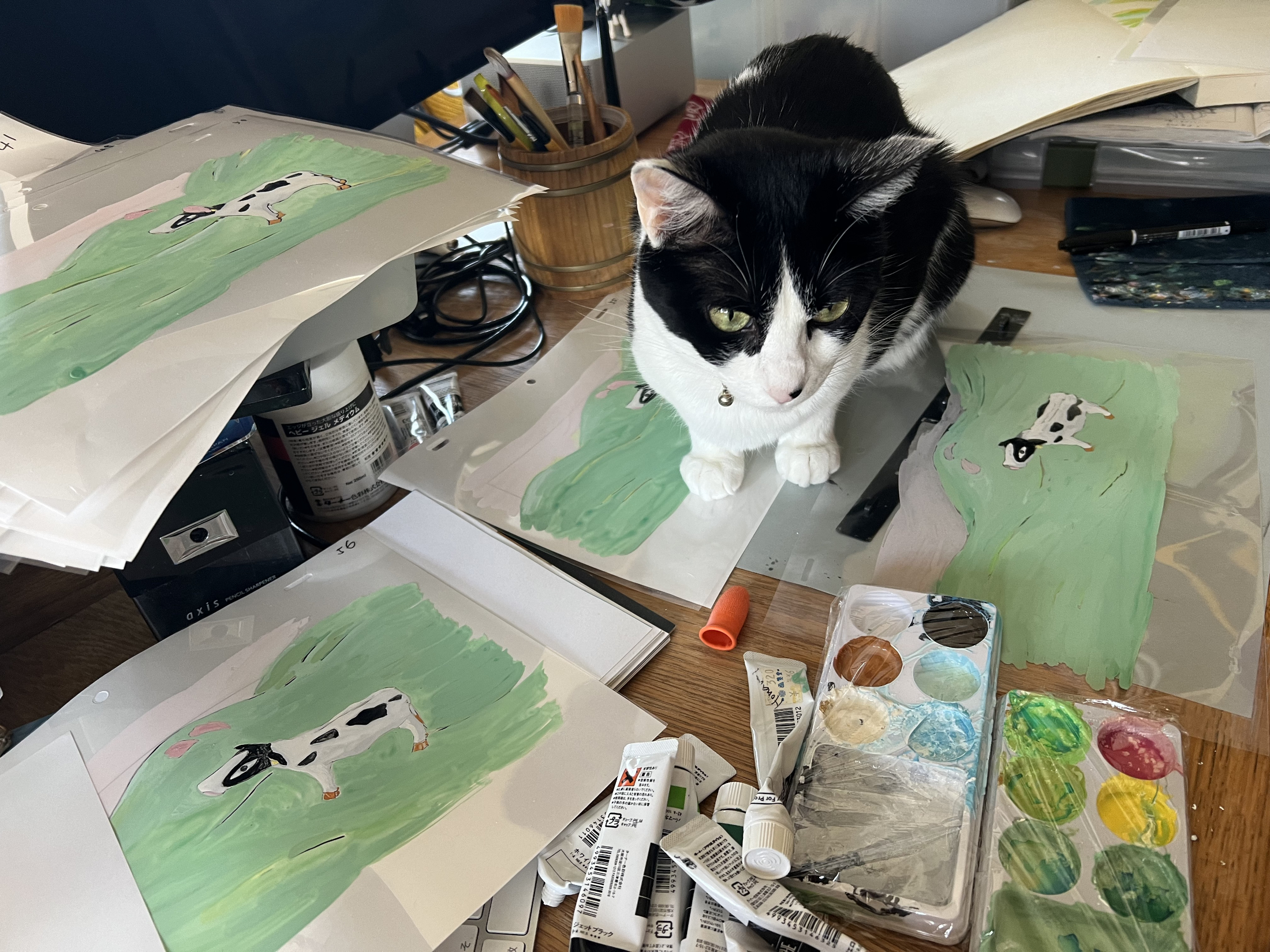
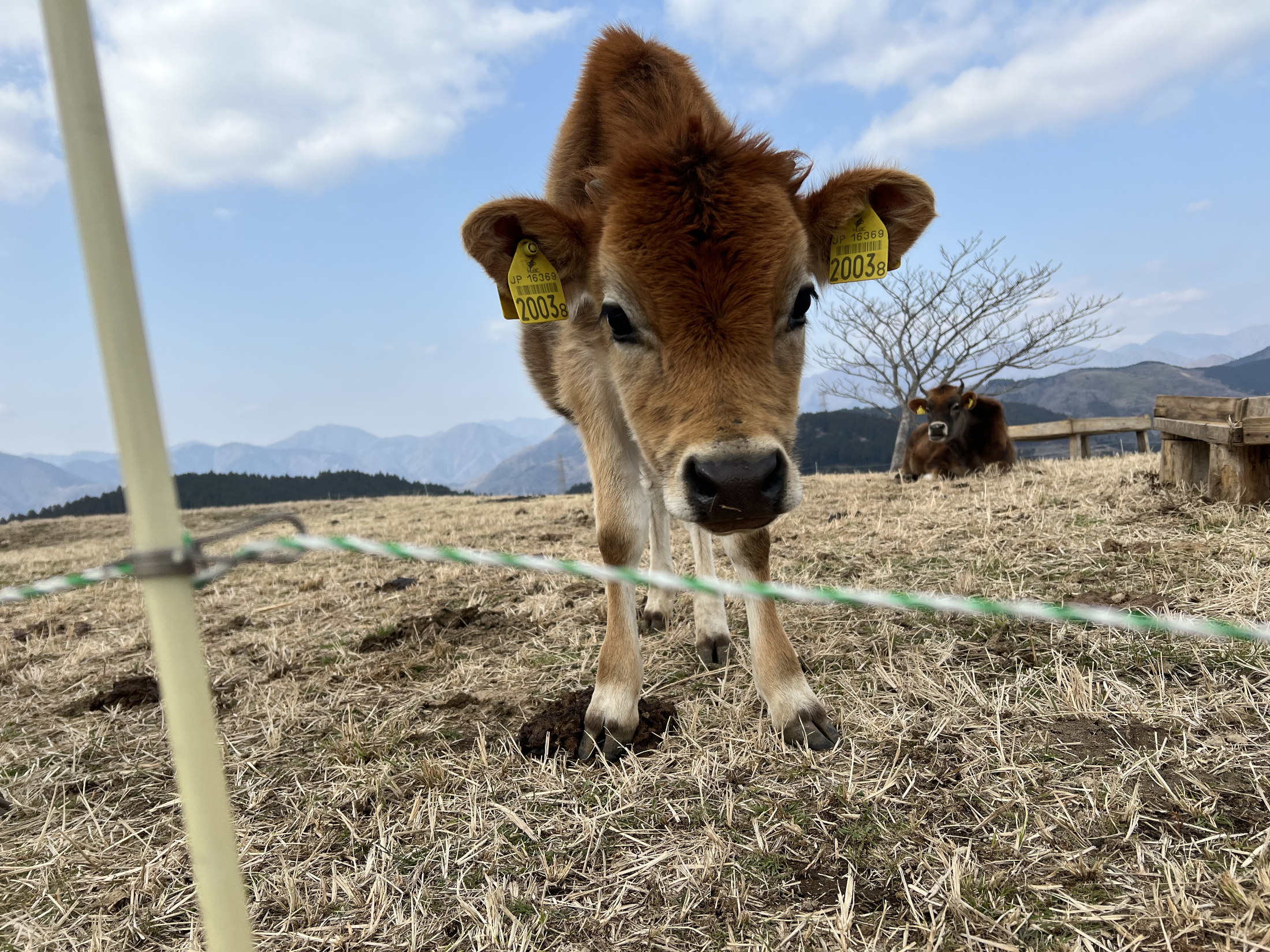
In one poignant anecdote, Yano recounts the team’s interaction with a young calf wearing a small scarf. “Masumi turned her microphone toward a small calf… and carefully recorded the sounds of her breathing, her ruminating,” Yano says. “We called her our actress.” The score, composed by the Montreal-based Judith Gruber-Stitzer, further elevates the film, providing a sonic bridge between the domesticity of the farm and the grand, emotional stakes of the narrative.
Official Perspectives: The Ethics of Representation
Throughout the production, Yano grappled with the moral weight of her subject matter. She was acutely aware of the potential for “aestheticizing suffering” by placing a queer love story within the context of a dairy industry that views these animals as commodities. However, her time in the field shifted her perspective from external observer to empathetic witness.
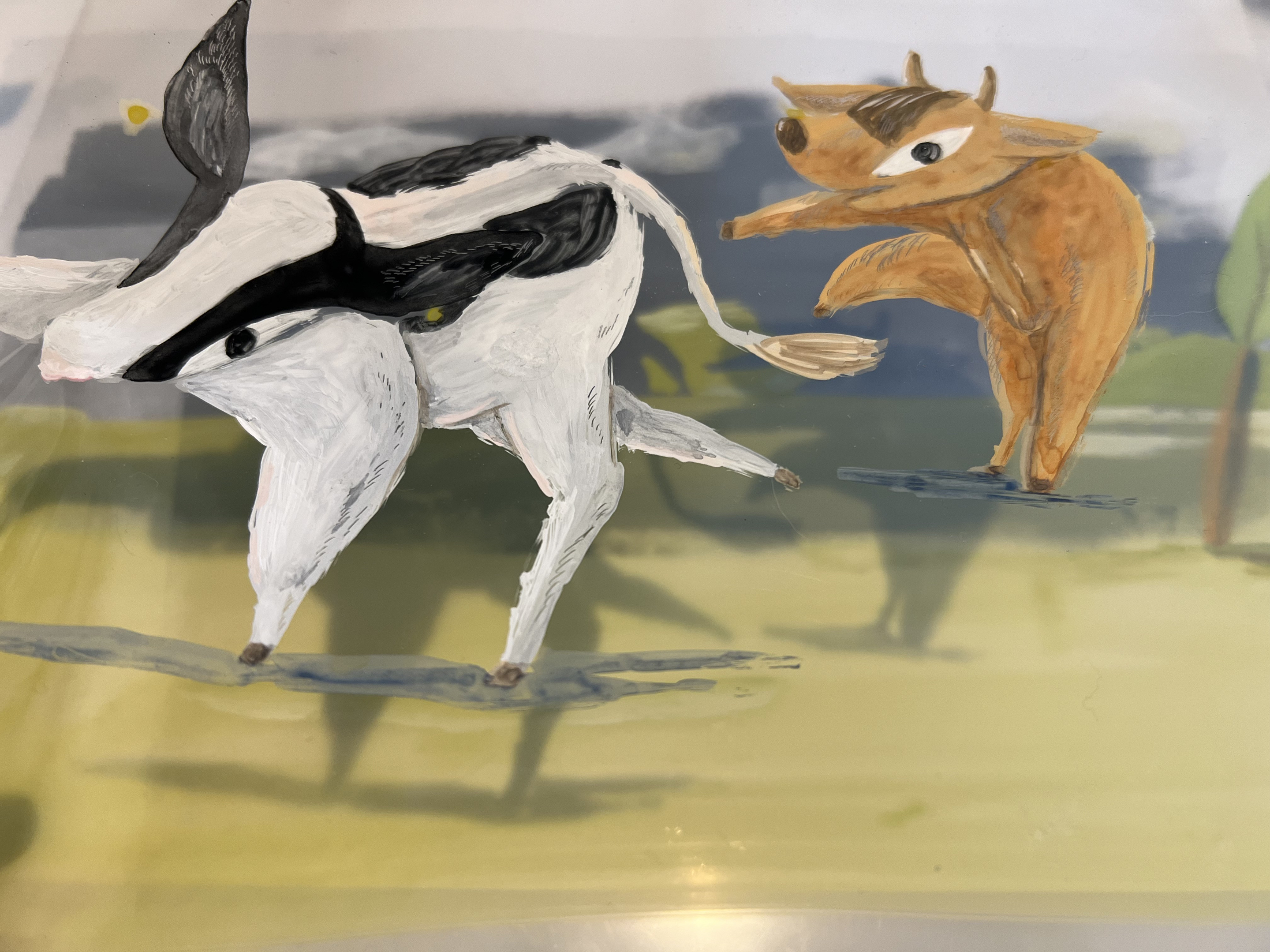
“A dairy farm is, at its foundation, a world of females,” Yano observes. “The cows exist to produce milk, and to produce milk, they must give birth. From the time they are just over a year old, reproduction begins to define their existence.”
The realization that her protagonists—and their real-world counterparts—were living within a system that demanded their constant utility made their moments of autonomy even more vital. Yano recalls a specific moment with a mother cow that clarified the film’s thematic direction. “She let out a low sound, moo, and her calf immediately moved behind her. It was as if she were saying: a strange one has come, stay close to me.” This act of protection, of “will” within a system of control, became the core of Eri’s characterization.
Implications: The Legacy of ‘Eri’
The implications of Eri extend far beyond its twelve-minute runtime. By centering a narrative on those who exist within a system but are not defined by it, Yano challenges the audience to confront the nature of love in marginalized spaces.
“What happens when someone who is not permitted to exist loves another person anyway?” Yano asks. The film refuses to provide a neat resolution to this inquiry. Instead, it invites the viewer to linger in the discomfort and beauty of that question.
As Eri prepares to meet its international audience at Cannes, it stands as a testament to the power of independent animation to bridge the gap between human experience and the natural world. It is a work of profound empathy, a masterclass in painterly technique, and a definitive statement from a filmmaker who has successfully carved out a space entirely her own. Through the eyes of Eri, we are forced to look at our own world—at the systems we inhabit and the loves we protect—with a new, piercing sense of clarity.
In the final assessment, Eri is not just a film about cows, or even a film about queer love; it is a film about the indomitable architecture of longing. It confirms that Honami Yano is not just keeping pace with the avant-garde of modern animation—she is leading it into uncharted, deeply human territory.


 Dwi Wanna
 Lina Irawan




