

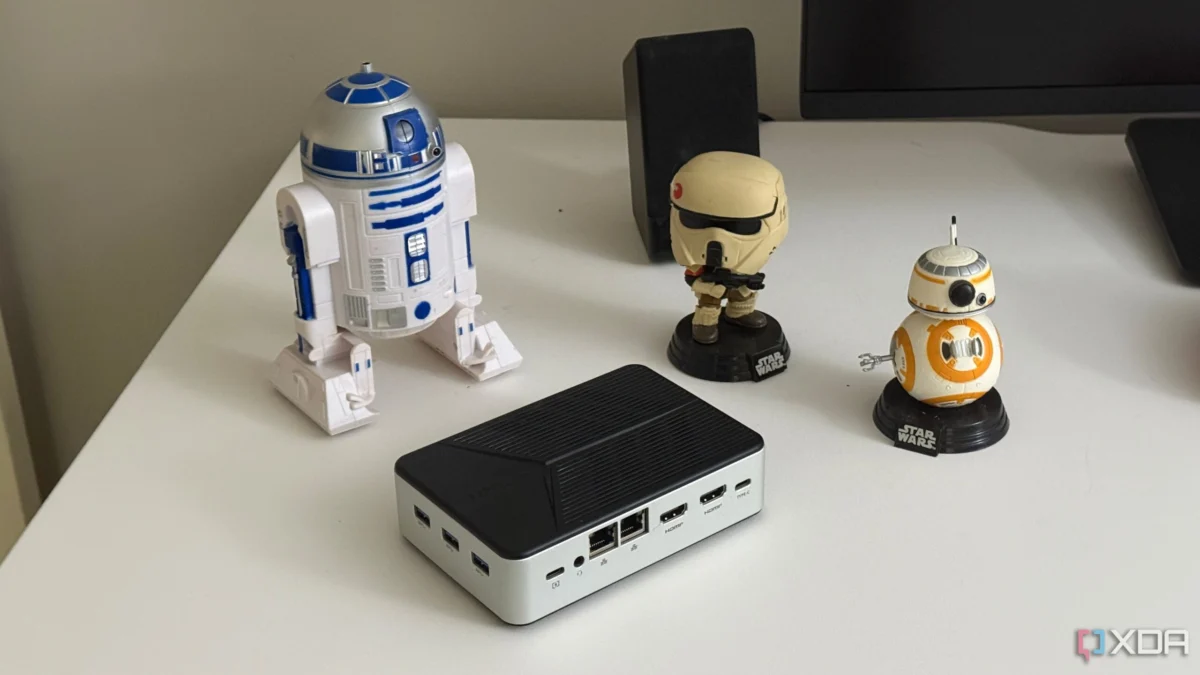
In the world of home lab enthusiasts, there is a pervasive, almost siren-like call to expansion. It begins with a single Raspberry Pi or an aging laptop repurposed as a media server, and quickly spirals into a sprawling ecosystem of mini PCs, rack-mounted servers, network-attached storage (NAS) units, and an endless array of Docker containers. For many, the "next box" represents the promise of a complete, professional-grade infrastructure. However, as veteran IT consultant and writer Jeff Butts notes, there comes a tipping point where adding hardware ceases to be progress and begins to function as a form of technical avoidance.
The allure of new hardware is undeniable. A new node offers the immediate satisfaction of deployment—the "new hardware smell," the thrill of configuring a fresh hypervisor, and the ego boost of seeing a more complex dashboard. But beneath the surface, every piece of hardware added to a home lab is a potential point of failure, a consumer of power, and, most critically, a new dependency that must be managed, updated, and secured.
The Chronology of Complexity: How Labs Become Fragile
The trajectory of most home labs follows a predictable, if often unintentional, path toward complexity.
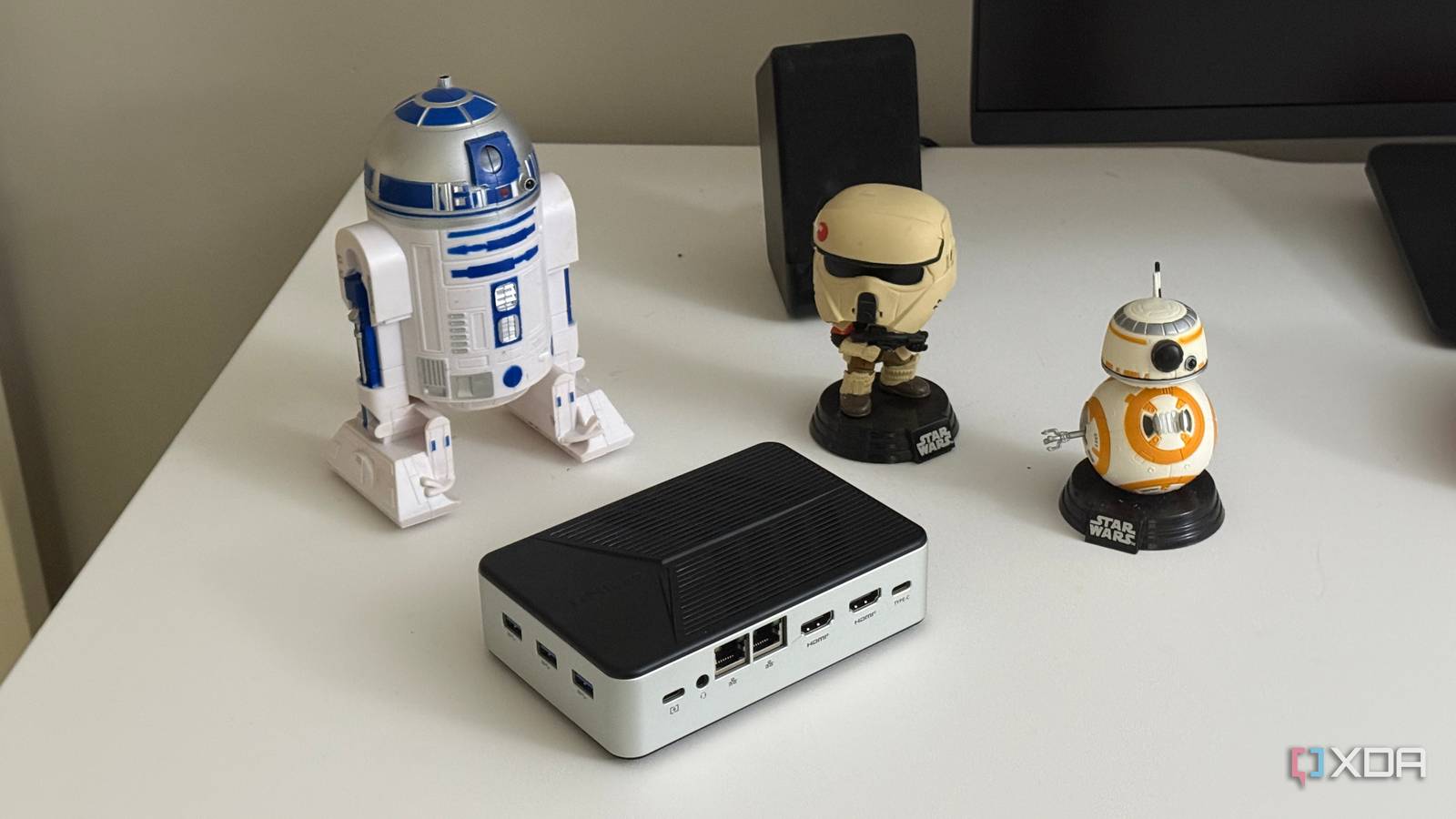
- The Foundation: The lab starts with a singular, clear purpose—perhaps a local media server or an ad-blocker like Pi-hole. At this stage, the system is lean, understandable, and highly reliable.
- The Convenience Phase: As the user becomes comfortable, they introduce convenience layers. A dashboard is added to monitor system health; a reverse proxy is implemented to handle local URLs; a centralized logging system is installed to track errors. Each of these additions is, in isolation, a logical improvement.
- The Interdependency Trap: Here, the architecture begins to suffer from "hidden coupling." The dashboard relies on DNS, the DNS relies on the container host, and the container host relies on a specific storage mount. Troubleshooting a simple outage suddenly requires the user to trace a path through half a dozen services.
- The Maintenance Burden: Eventually, the sheer number of moving parts reaches a critical mass. The time spent performing security patches, managing software updates, and troubleshooting "weird" intermittent bugs begins to eclipse the time spent actually using the services. The lab is no longer a tool; it is a full-time hobbyist’s chore.
Supporting Data: The Hidden Costs of Proliferation
When analyzing the health of a home lab, it is helpful to look beyond the "uptime" metric. Instead, experienced sysadmins often point to "Mean Time to Recovery" (MTTR) and "Cognitive Load" as the true indicators of a successful setup.
- Failure Surface Area: Research into distributed systems consistently demonstrates that as the number of nodes increases, the probability of at least one node being in a failed state approaches 100%. In a home environment, where the administrator is often the only support staff, this translates to an unsustainable maintenance schedule.
- Energy and Heat: While often overlooked, the cumulative power draw of a multi-node lab is significant. A rack of five mini PCs, a switch, and a NAS can easily pull 150–200W constantly. Over a year, this equates to significant utility costs and thermal output that requires active cooling, further increasing the risk of mechanical failure (fan degradation, dust buildup).
- Configuration Drift: In complex, decentralized environments, it is common for configurations to deviate across devices. A container updated on Node A might rely on a library version that isn’t present on Node B, leading to "works on my machine" syndromes within your own network.
Official Perspectives: The Philosophy of Consolidation
While hardware vendors and tech influencers frequently encourage the purchase of new gear, the professional IT community—particularly those in Site Reliability Engineering (SRE)—advocates for a "less is more" approach. The consensus is that simplicity is the ultimate sophistication in infrastructure.
"A service that doesn’t exist cannot fail, need updates, or lose its configuration," says Butts. This philosophy of "negative engineering"—removing parts to increase reliability—is a cornerstone of modern cloud architecture. By migrating disparate services, such as a DNS sinkhole, a Grafana instance, and a media server, onto a single, high-reliability Proxmox node, the user doesn’t just save space; they create a single "source of truth" for their infrastructure.

The Role of Virtualization
Modern hypervisors like Proxmox have changed the game for the home lab enthusiast. By using virtualization, one can achieve the logical separation of services (e.g., keeping your firewall environment distinct from your experimental containers) without the physical overhead of separate power supplies, network cables, and motherboards. This allows for the benefits of isolation—where a crash in one VM doesn’t take down the host—while maintaining the operational simplicity of a single physical unit.
The Implications: Shifting the Focus from Hardware to Utility
The move toward a consolidated, simplified lab has profound implications for the user’s experience.
1. The Restoration of Mental Bandwidth
When a system is simple, it is "knowable." When you know where every service lives and how they depend on one another, you no longer feel a sense of dread when a power outage occurs. You know how to bring the system back online because the map in your head matches the reality of the rack.
2. Prioritizing Experiments vs. Infrastructure
There is a fundamental difference between "infrastructure" and "tinkering." A core infrastructure, such as your home network routing or your primary storage, should be treated with the discipline of a production environment: stable, backed up, and minimal. Experiments, conversely, should be disposable. By keeping the core simple, the user creates a "safe sandbox" where they can break things without jeopardizing the services their family or household relies upon.
3. Redefining the "Upgrade"
We must reframe the concept of an "upgrade." Too often, an upgrade is defined as adding something new. In a mature home lab, an upgrade should frequently be defined as removing something. Retiring an old container that is rarely used, merging two underutilized VMs, or replacing a complex, manual configuration with an automated script are all "upgrades" that make the system more robust.
Conclusion: Toward a Quieter Lab
A truly powerful home lab does not need to look like a server farm. In fact, the most impressive labs are often the ones that run quietly in the corner, requiring almost no attention while consistently delivering the services they were built to provide.
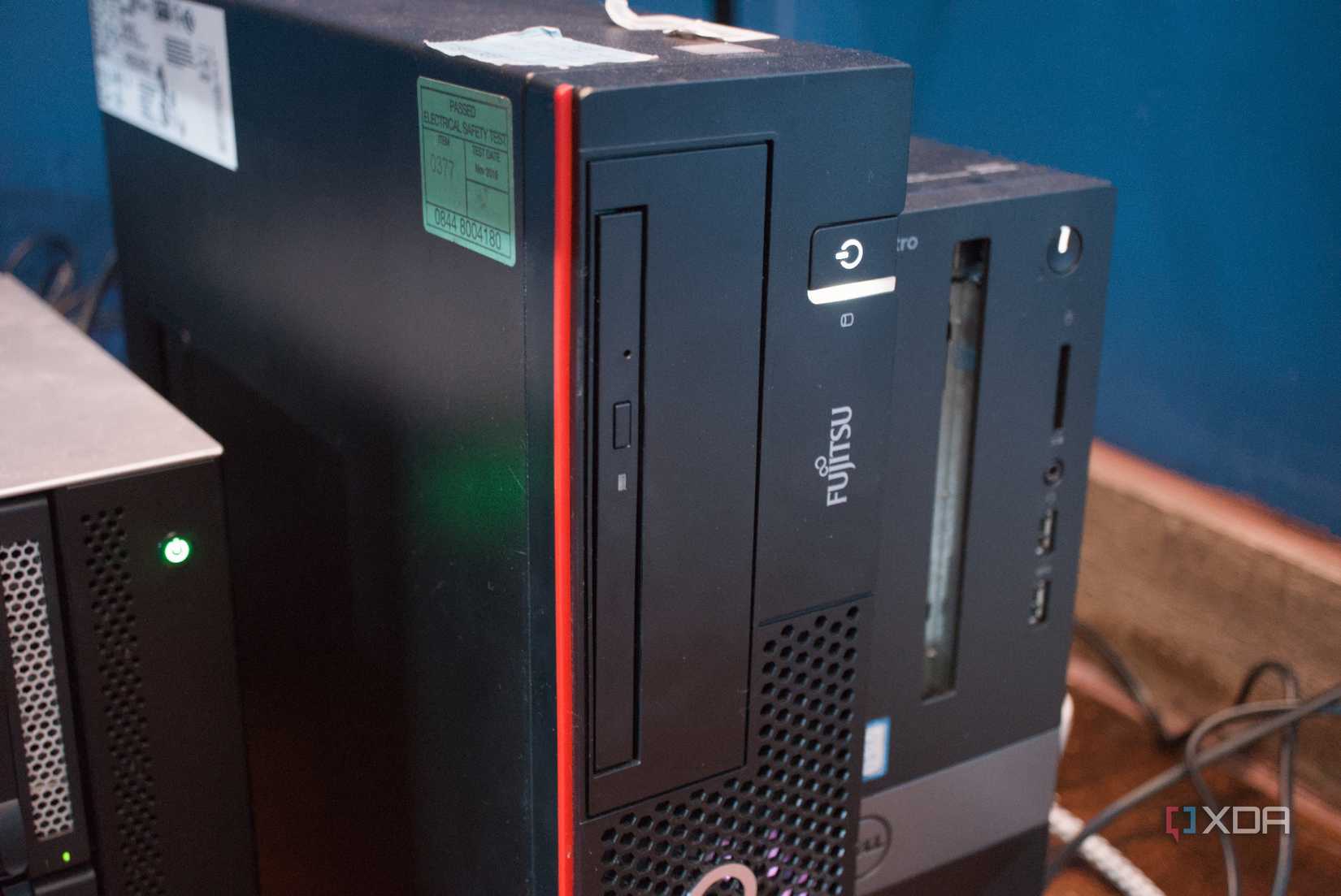
For those currently feeling the "lab fatigue" of managing too many devices, the path forward is not to buy another node or to add a new rack shelf. The path forward is to audit your dependencies, consolidate your services, and ruthlessly prune the "experimental" projects that have overstayed their welcome. By reducing the number of moving parts, you aren’t making your lab less capable; you are making it more dependable. You are transitioning from a collector of hardware to an architect of reliable systems. Ultimately, a quieter, simpler lab is a better lab—one that serves you, rather than one you must serve.











