

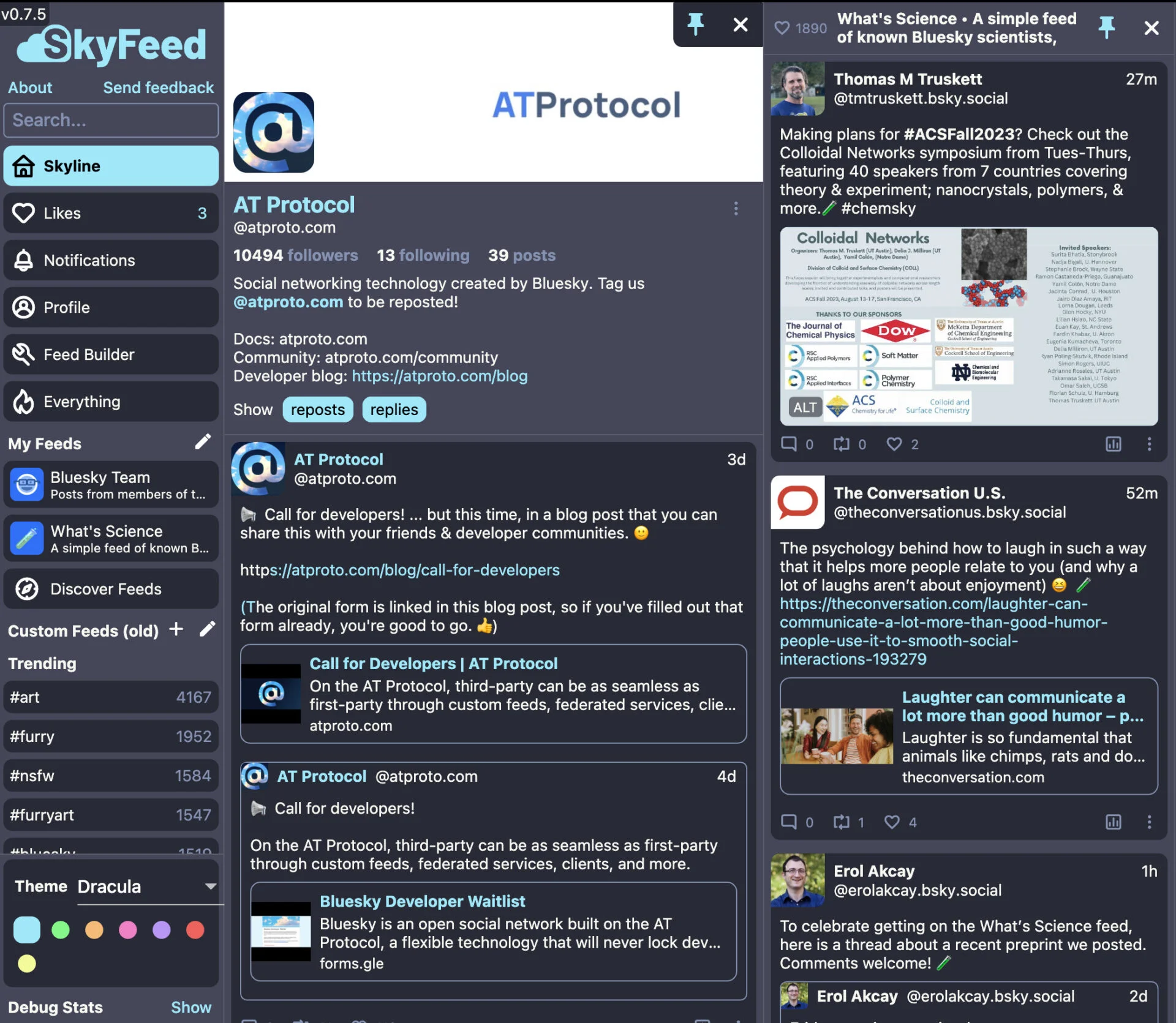
In the current social media landscape, most brand managers operate under the "Broadcast Model." On platforms like LinkedIn, X (formerly Twitter), or Instagram, the playbook is standardized: you cultivate a follower base, maintain a consistent posting cadence, and optimize for a centralized algorithm that rewards engagement with reach.
However, for brands attempting to translate this strategy to Bluesky, the result is frequently silence. While a brand might publish high-quality content weekly, they often remain invisible. The reason is simple: Bluesky does not function as a monolithic, algorithm-driven megaphone. It is a decentralized ecosystem built on the Authenticated Transfer (AT) Protocol. On this platform, followers are merely one small piece of the distribution puzzle. Real visibility is driven by community-led discovery mechanisms: Custom Feeds and Starter Packs.
The Shift from Follower-Centric to Feed-Centric Discovery
To understand why brands fail on Bluesky, one must first understand the fundamental shift from a "platform-owned" experience to a "user-defined" experience.
The Core Mechanics of the AT Protocol
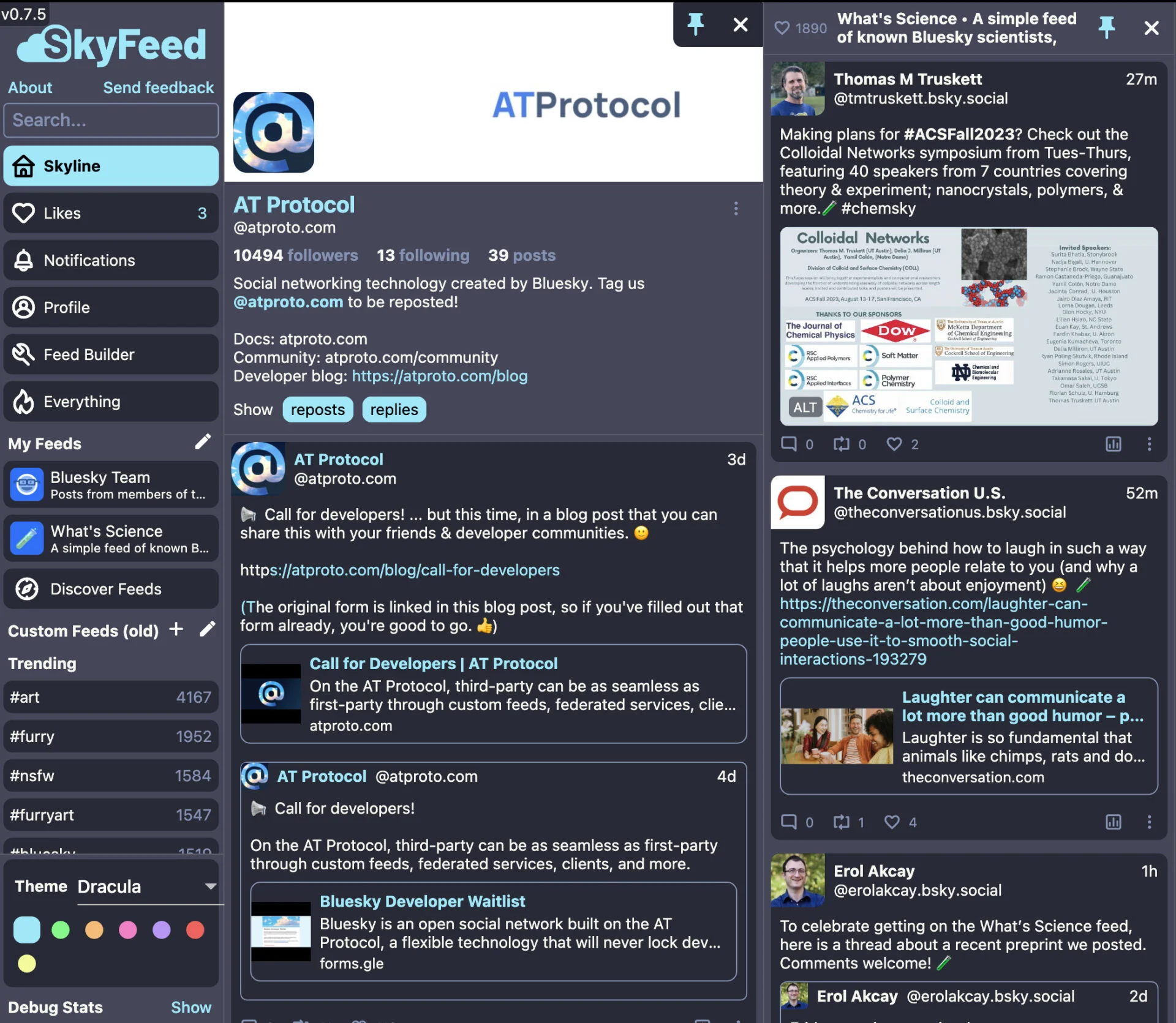
Bluesky operates on the AT Protocol, an open-standard architecture that decouples content storage from content discovery. Unlike X or Facebook, where the platform’s proprietary algorithm dictates what a user sees, Bluesky allows for a separation of concerns. The servers that store your posts are distinct from the feed generators that display them.
This means there is no singular "algorithm" for a brand to "crack." Instead, there are thousands of distinct, independently operated feeds, each governed by its own unique logic—whether that be keyword filtering, hashtag density, or specific engagement thresholds. If your content does not align with the specific rules of the feeds your audience consumes, your posts will essentially vanish into the ether, regardless of your follower count.
Custom Feeds vs. The Timeline
A critical point of confusion for many social media managers is the distinction between a "Following" tab, a "List," and a "Custom Feed."
- The Default Timeline (Discover): This is Bluesky’s curated view, which is largely outside of a brand’s direct control.
- The Twitter/X List: This is a private, manual curation tool that serves the reader but does nothing for the brand’s organic discovery.
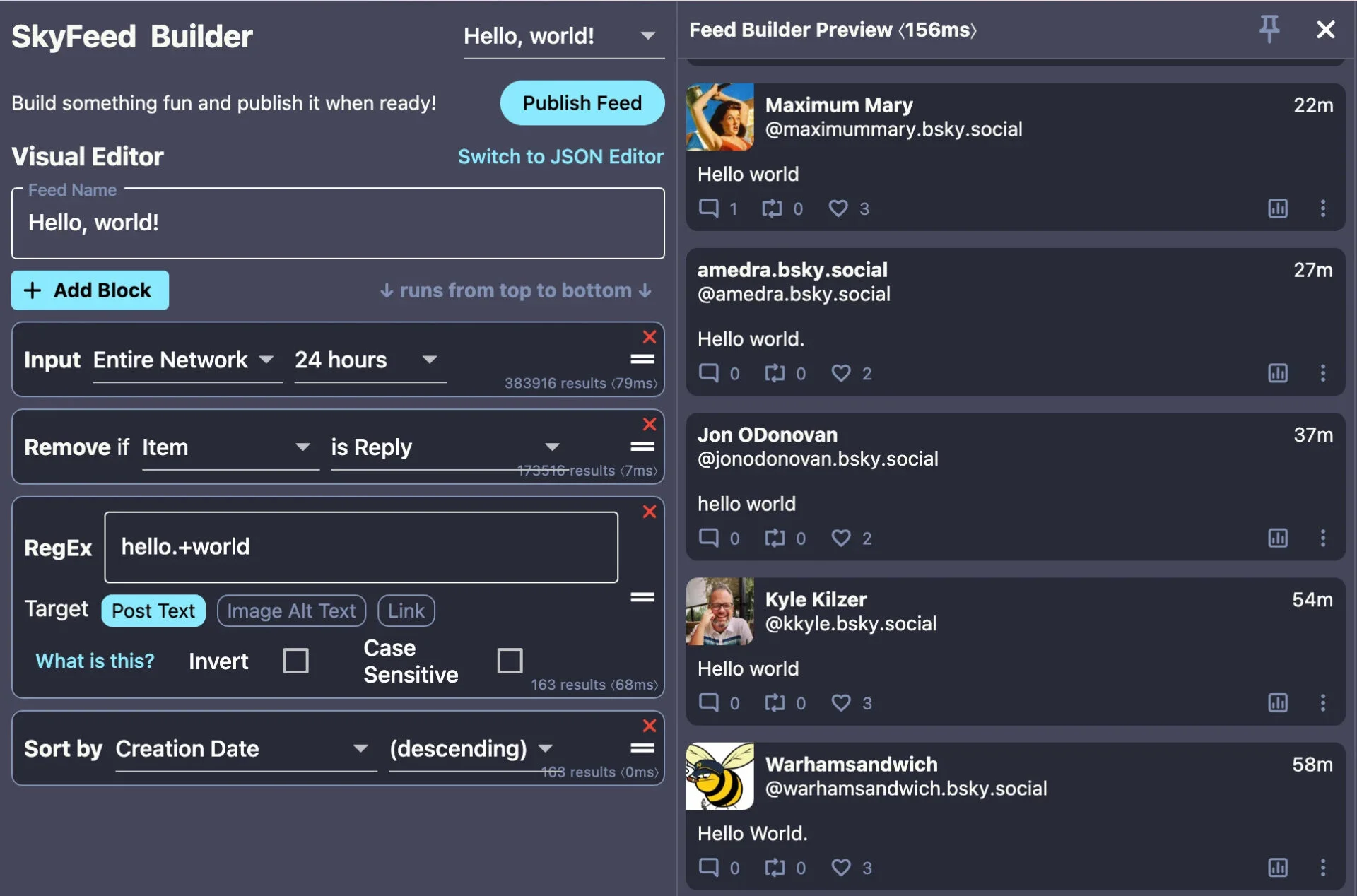
- The Custom Feed: This is a public, topic-specific stream that anyone can subscribe to. It is the primary discovery engine of the network.
A Custom Feed acts as a public-facing channel. When a user follows a feed dedicated to "B2B Marketing" or "Nature Photography," they are opting into a stream of content defined by specific rules. If your post contains the keywords or hashtags that the feed’s generator is programmed to capture, you earn a spot in that stream.
The Power of Starter Packs: A Data-Driven Onboarding Engine
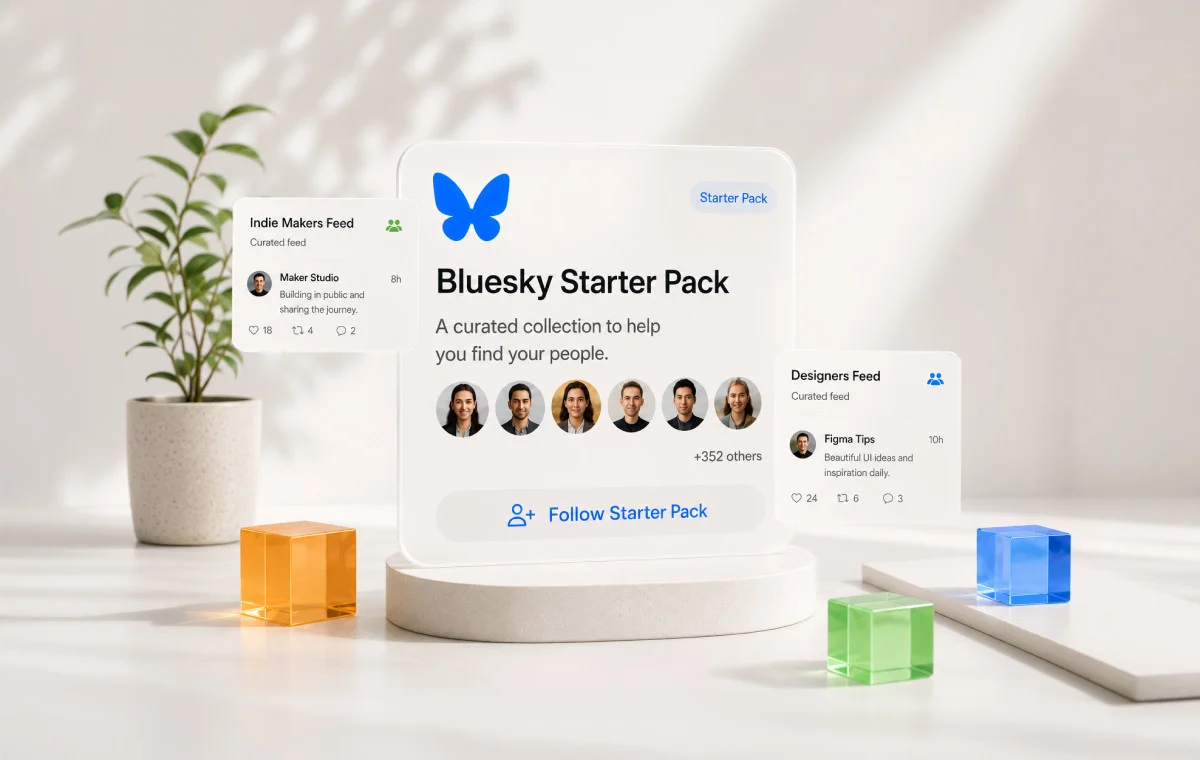
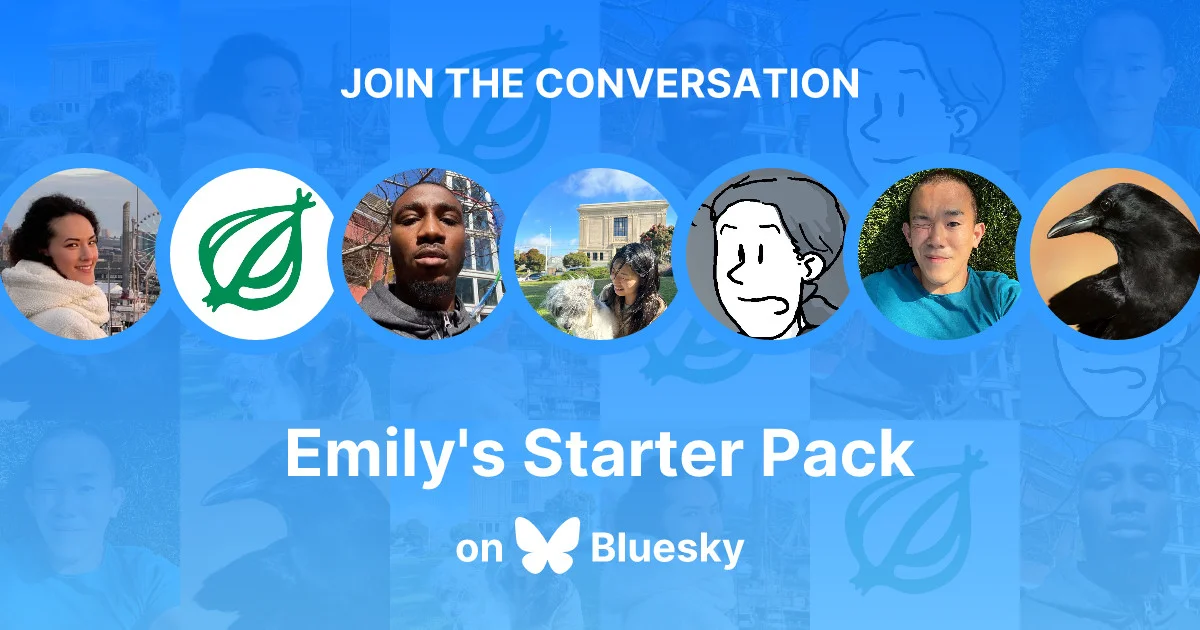
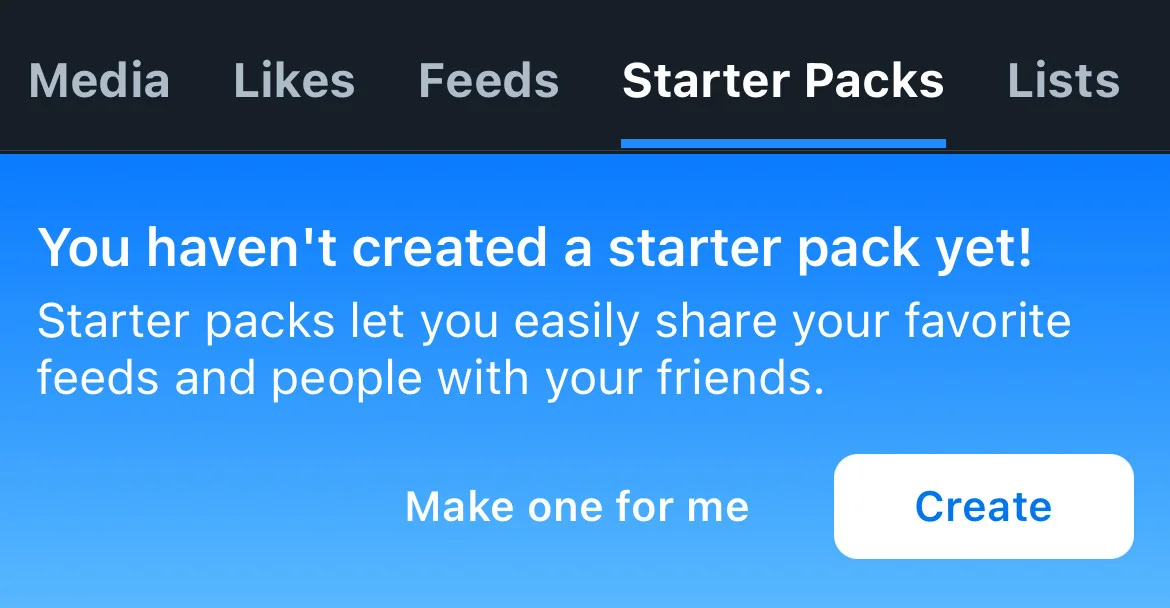
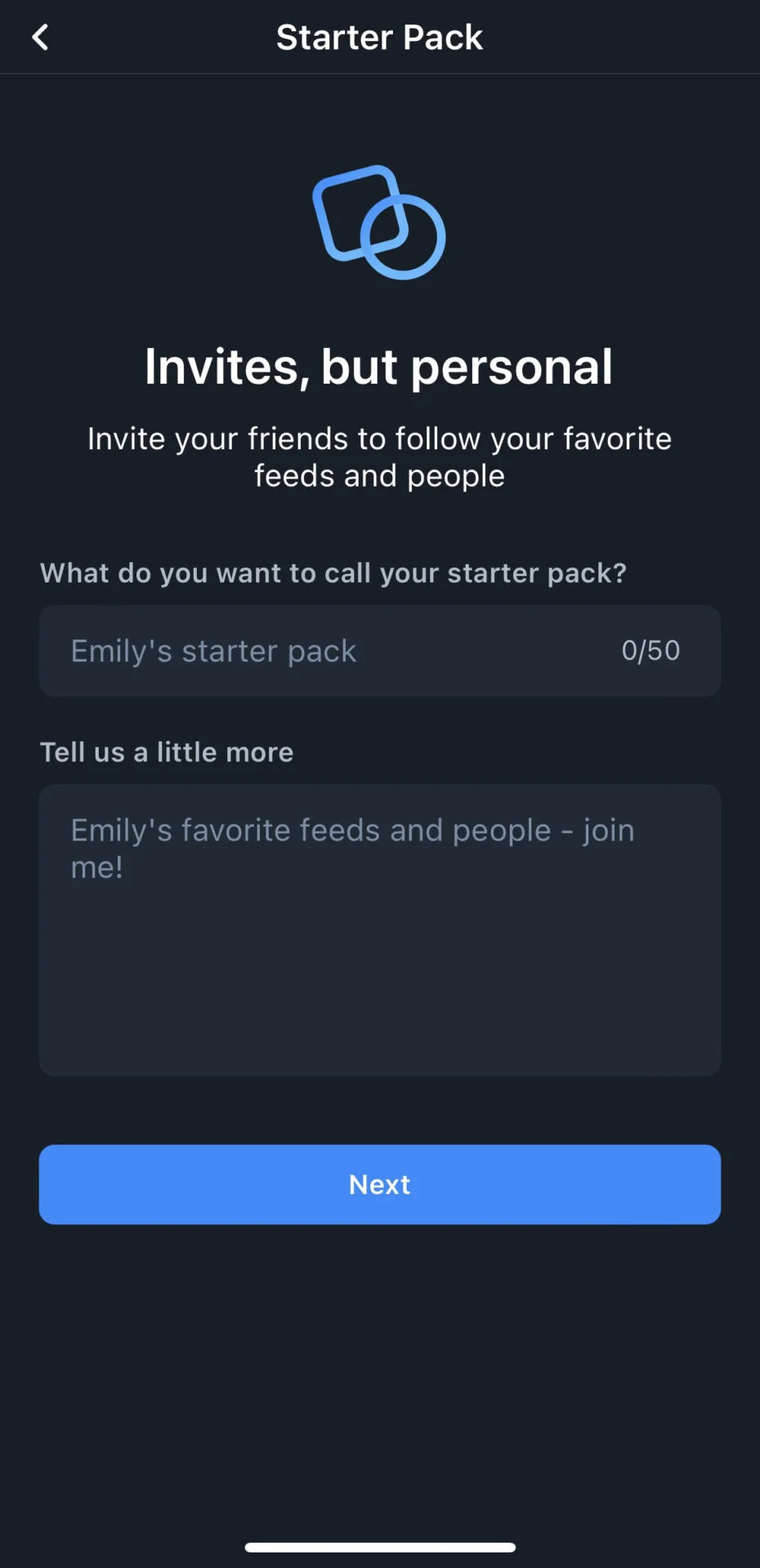
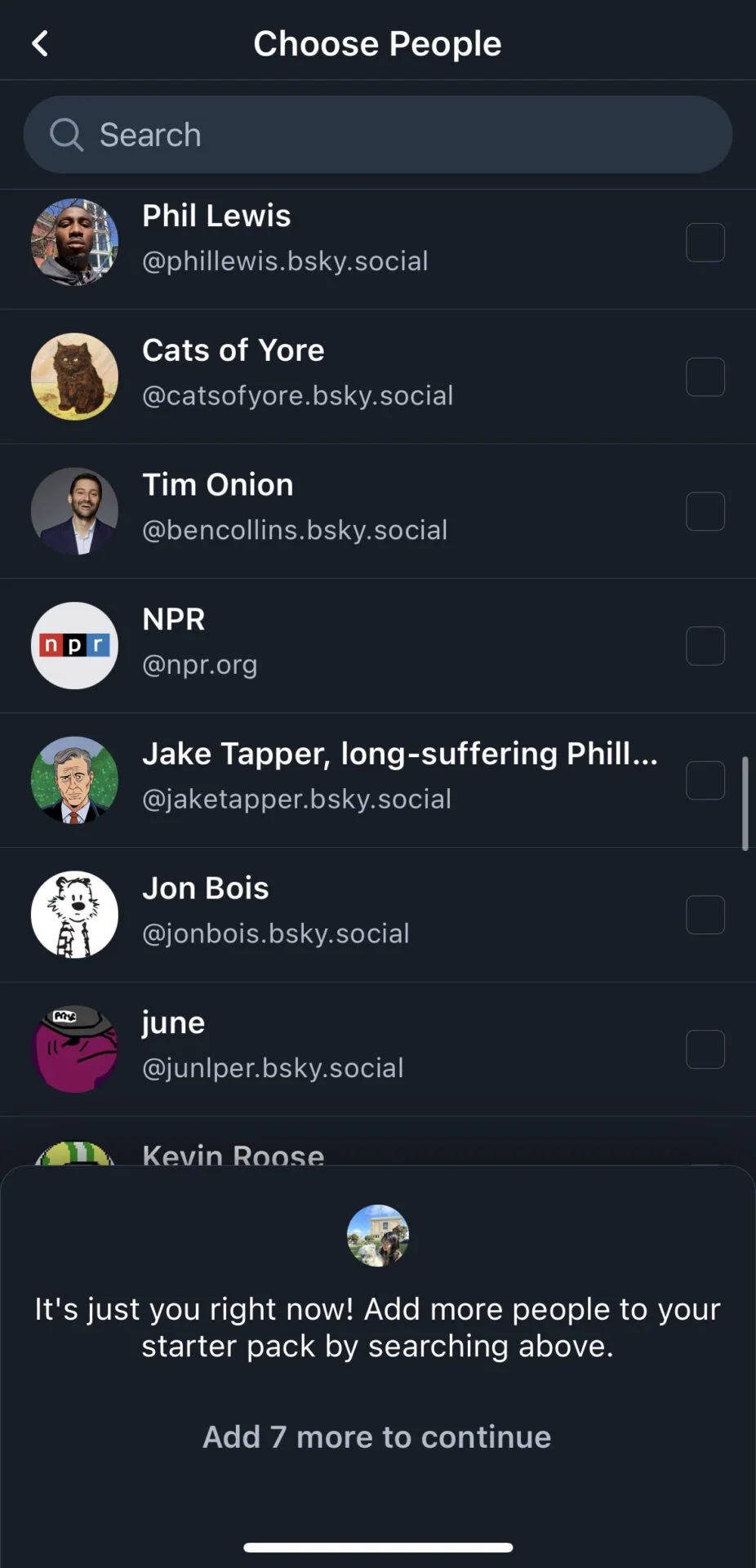
While custom feeds act as the "retention engine," Starter Packs serve as the "front door." A Starter Pack is a curated list of up to 150 accounts and three custom feeds.
Supporting Data and Research
The impact of this feature is not merely anecdotal. A landmark 2025 study conducted by researchers at Lancaster University, TU Darmstadt, and City St George’s, University of London, analyzed 25 million users and over 335,000 Starter Packs. The findings were staggering:
- Starter Packs accounted for 19.95% of all follow relationships on the entire network.
- During peak migration waves, these packs were responsible for up to 43% of all new follows.
- Despite being used by only 6.25% of the platform’s user base, the feature acted as a primary catalyst for network growth, which has since surpassed 40 million users.
The data confirms that users who are included in high-quality Starter Packs gain significantly more followers and engagement than similar accounts that are excluded. This is because Starter Packs solve the "empty room" problem for new users, providing them with an immediate, high-quality curated experience upon joining.
Chronology: The Evolution of the "Invisible Brand" Problem
The frustration brands face on Bluesky is not a sudden phenomenon but a result of a misaligned transition period:
- Early Adoption Phase (2023–2024): Brands treated Bluesky like a mirror image of Twitter. They posted sporadically and focused on building follower counts. As the network grew, the "Following" tab became too noisy, and the "Discover" feed became less effective for niche brands.
- The Rise of Independent Infrastructure (Early 2025): The release of more accessible feed-generator tools allowed niche communities to self-organize. Brands that ignored these developments began to see their engagement numbers plummet, even as the platform’s overall user base skyrocketed.
- The Optimization Era (Mid-2026 to Present): We have entered a phase where "Distribution Engineering" is required. Brands are now forced to build Starter Packs, engage with third-party feed creators, and treat their copy as metadata for feed-generator algorithms.
Implications for Strategic Content Planning
The implications for a brand’s social media strategy are profound. To succeed on Bluesky, marketing teams must adopt a two-tiered approach.
Tier 1: The Onboarding Funnel (Starter Packs)
Brands should not use Starter Packs as a glorified "staff directory." Instead, they should function as a value-add for the community. A brand should create a pack titled "Top Voices in [Niche]" or "Essential Resources for [Industry]." By including their own account alongside other industry thought leaders and relevant custom feeds, the brand establishes itself as a curator. This provides a "front door" that encourages new users to follow the brand as part of a larger, useful list.
Tier 2: The Retention Engine (Custom Feeds)
Once a user has been brought in via a Starter Pack, they need a reason to stay. This is where active participation in Custom Feeds becomes vital.
- Strategic Keyword Placement: Since generators use keyword or hashtag filtering, brands must be intentional about their copy. If a popular "Architecture" feed monitors for specific hashtags, those tags must appear naturally in your post.
- Consistency through Scheduling: Community platforms are unforgiving. A "silent" brand is often assumed to have left the platform. Using scheduling tools to ensure a steady cadence of content ensures that your brand remains in the active streams of your target audience.
Addressing the "Shouting into the Void" Syndrome
Why does posting on Bluesky often feel like shouting into a void? The issue is rarely the quality of the creative; it is almost always a failure of the distribution model. Brands fall into three common traps:
- Metric Misalignment: Measuring success by follower growth rather than engagement rates within relevant feeds.
- Static Onboarding: Creating a Starter Pack once and never updating it. A pack with stale, inactive accounts will lose its utility and, consequently, its reach.
- The "Manual Tax": Posting by hand leads to inconsistency. When a brand treats Bluesky as an afterthought, the community notices. The lack of a steady heartbeat kills the potential for building long-term trust.
Official Responses and the Future of Decentralization
Bluesky’s leadership has consistently maintained that the future of social media lies in choice. By allowing for independent, community-run infrastructure—such as the Blacksky project—the platform is effectively decentralizing power.
While this creates an environment where no single company can shut down a community, it places the burden of discovery entirely on the user and the brand. There is no "global search engine" that will magically promote your content. You must promote your own feeds, pin them into your Starter Packs, and ensure that your brand is visible in the specific "homes" that your audience has built for themselves.
Conclusion: Building a Sustainable Workflow
To navigate the Bluesky landscape, brands must stop viewing the platform as a broadcast channel and start viewing it as a community-governed network. The path to growth is a repeatable system:
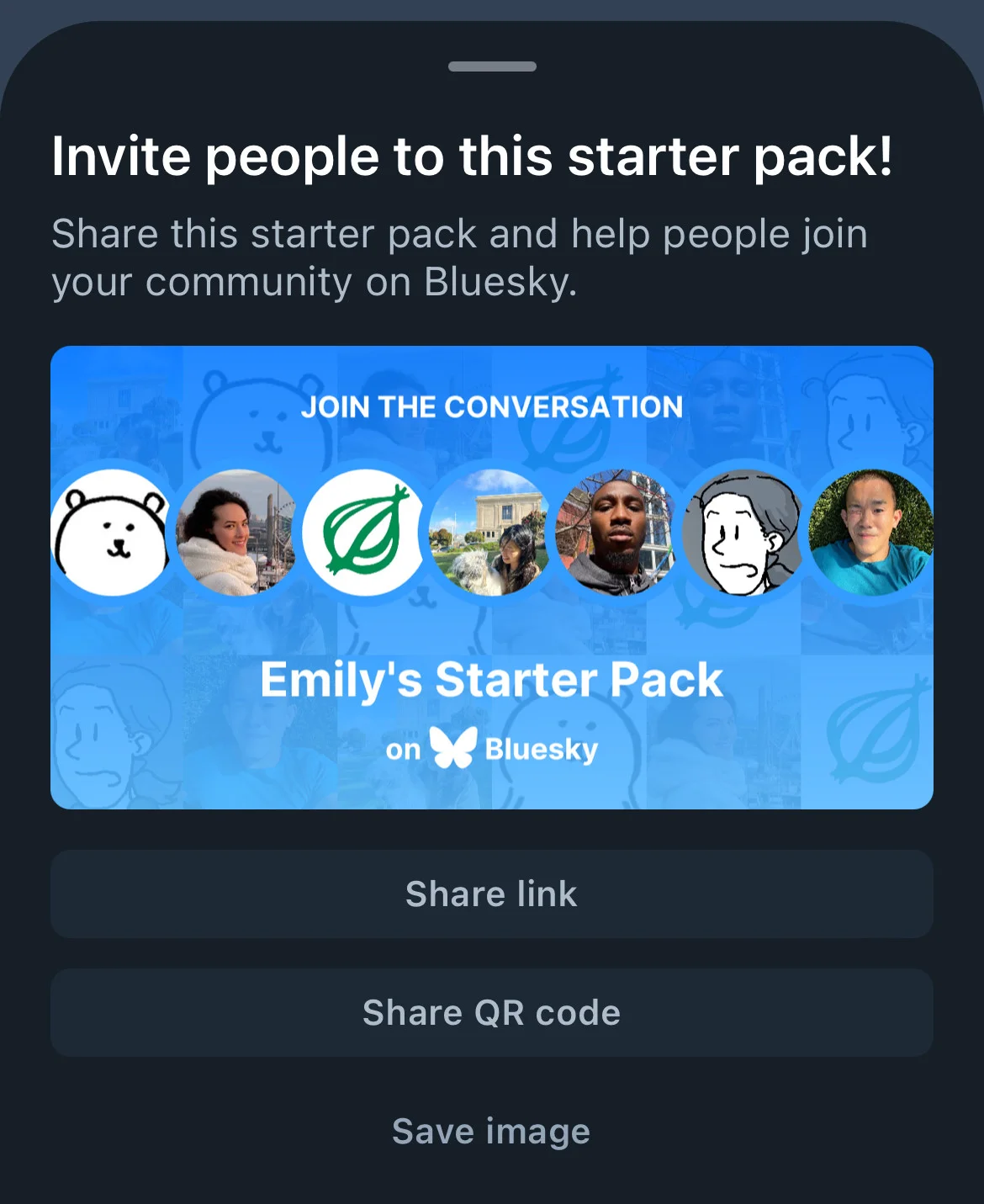
- Create a highly relevant Starter Pack that acts as an industry resource.
- Optimize your content copy to ensure it lands in the specific Custom Feeds where your audience resides.
- Maintain a consistent, scheduled cadence to ensure your brand remains a fixture in the feeds you have targeted.
Because native analytics for feed-subscriber counts and Starter Pack attribution are currently limited, brands should focus on proxy metrics. Track your week-over-week follower growth rate, analyze reply sentiment, and monitor engagement rates per post.
Ultimately, success on Bluesky is not about how loud you shout, but how effectively you place yourself in the streams where your audience is already listening. By integrating your Bluesky efforts into a centralized content calendar—ensuring your presence is automatic and consistent—you can transform from an invisible entity into a foundational pillar of your specific community.











