

Two hundred kilometers north of Sapporo, along the rugged, windswept coastline of the Japan Sea, lies the unassuming fishing town of Haboro. While it may appear to be a sleepy, salt-sprayed outpost of Hokkaido, Haboro serves as the terrestrial gateway to one of the most significant, yet undersung, wildlife spectacles in the Northern Hemisphere.
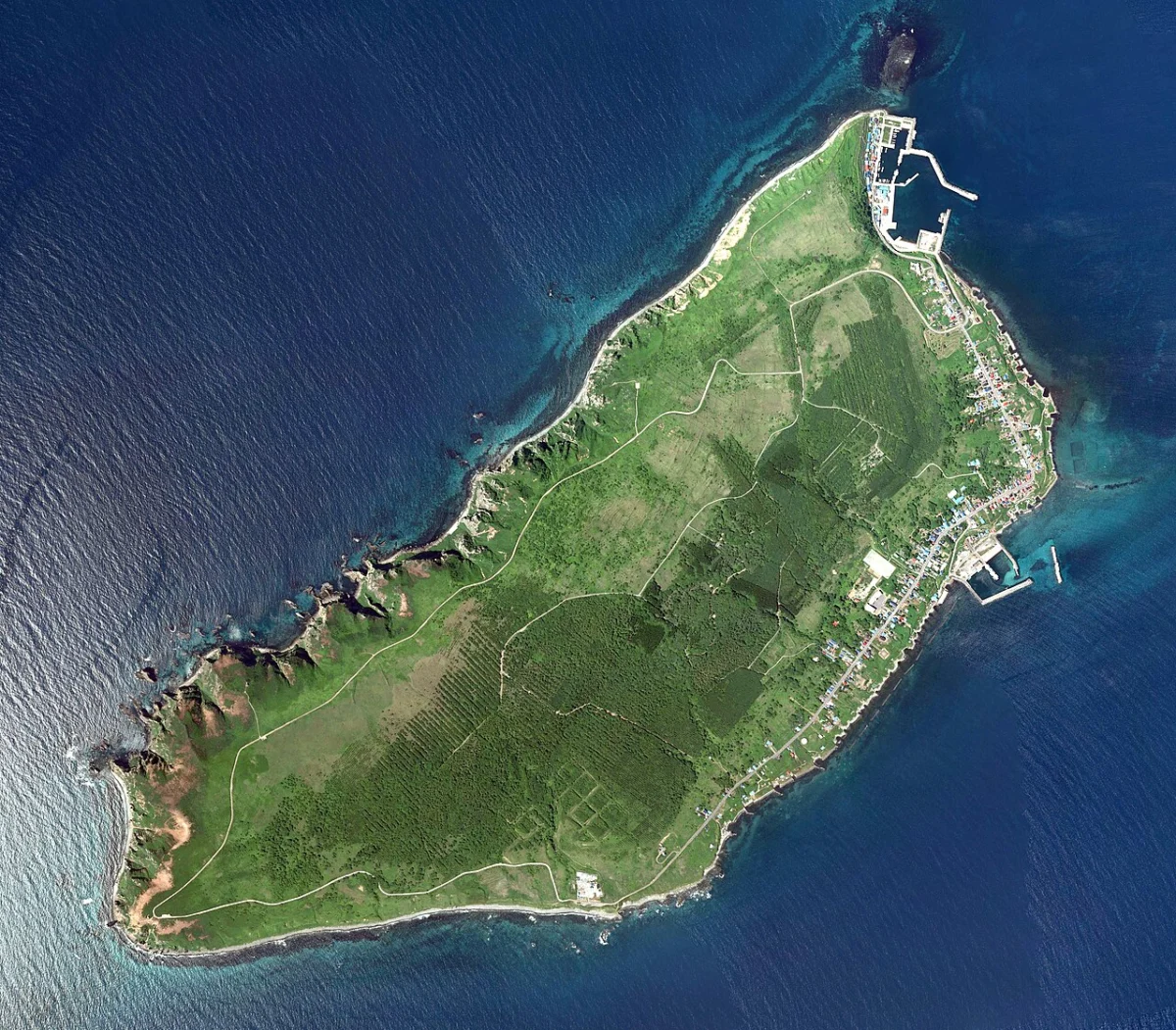
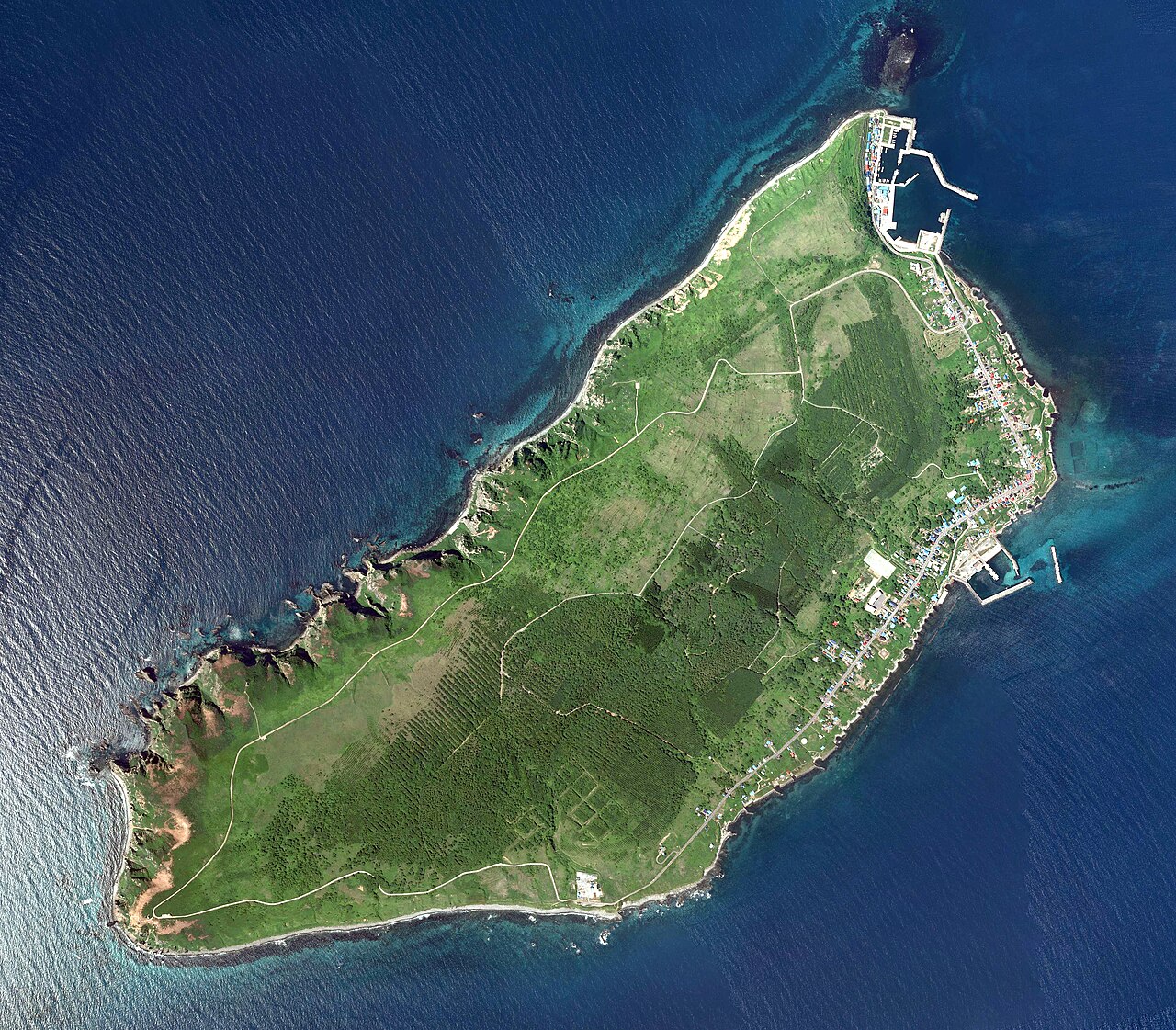
Twenty kilometers offshore, where the cold, nutrient-rich waters of the Tsushima Current collide with the continental shelf, rise two islands: Teuri and Yagishiri. Together, they form the heart of the largest concentrated seabird breeding colony in Japan. For the uninitiated, these islands are mere specks on a map. For ornithologists and intrepid travelers, they represent a vital, living archive of North Pacific biodiversity.
Main Facts: The Sanctuary in the Sea
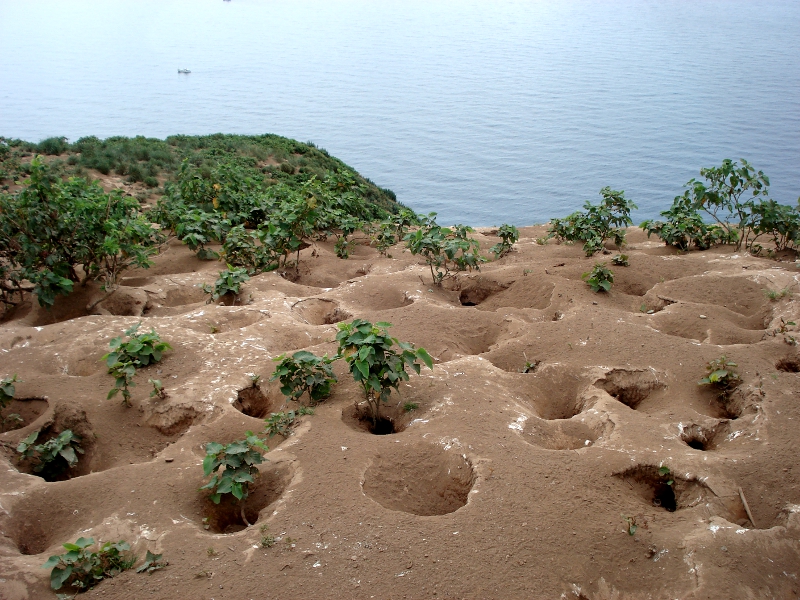
The islands of Teuri and Yagishiri are not merely scenic; they are ecological powerhouses. Teuri, in particular, is a geological and biological fortress. Its basalt cliffs, shaped by eons of volcanic activity and erosion, provide the perfect nesting infrastructure for roughly 800,000 rhinoceros auklets (Cerorhinca monocerata).
These birds, along with eight other species—including the common murre, pelagic cormorant, spectacled guillemot, and black-tailed gull—transform the island into a cacophonous, bustling nursery every spring.
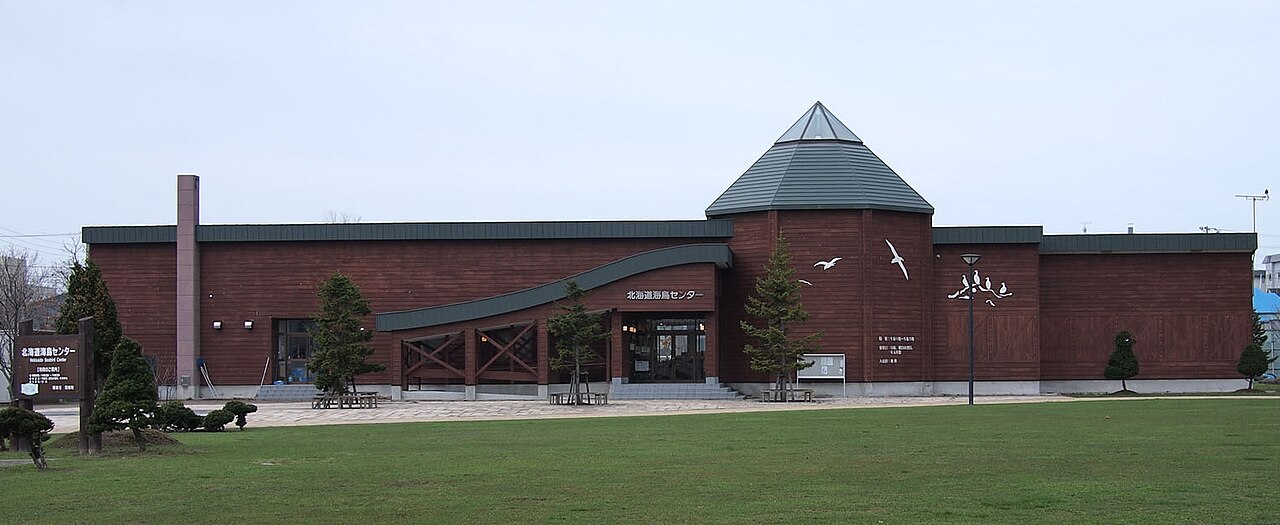
To manage and interpret this natural treasure, the Hokkaido Seabird Center was established in Haboro in 1997. As both a Ministry of the Environment research facility and a public education hub, it serves as the administrative brain of the conservation efforts. The center bridges the gap between the complex, often invisible lives of these seabirds and the public, functioning as a primary research station for tracking population health and migration patterns.
Chronology: A History of Survival and Stewardship
The history of the Teuri-Yagishiri colony is one of resilience. The relationship between the local fishing fleet and the bird population has not always been harmonious.
- 1970s–1980s: A period of ecological crisis. Traditional Japanese longline fishing practices inadvertently led to high bycatch rates, causing a catastrophic decline in local populations of tufted puffins. By the early 21st century, the puffin had essentially vanished as a breeding species on Teuri.
- 1997: The Hokkaido Seabird Center opens. This marks a paradigm shift, as the government begins formalizing monitoring programs and public education to pivot the town’s identity toward conservation-led tourism.
- 2010: The last confirmed breeding pair of tufted puffins is recorded. This somber milestone solidified the center’s commitment to protecting the remaining species, particularly the rhinoceros auklet.
- Present Day: The center has evolved into a collaborative model, working directly with local fishermen to refine fishing gear and practices to minimize bycatch, effectively turning the local industry from a threat into a stakeholder in the birds’ survival.
Supporting Data: Why the Colony Matters
The sheer scale of the rhinoceros auklet colony is difficult to comprehend until witnessed. During the breeding window—typically from mid-April through August—the island is a high-speed transit hub.
The auklets spend their daylight hours foraging in the productive waters offshore. At dusk, the "dusk return" occurs: a 30- to 45-minute window where thousands of birds return to their burrows in synchronized, high-speed flight. For the visitor, this is a chaotic, mesmerizing display of aerial mastery.
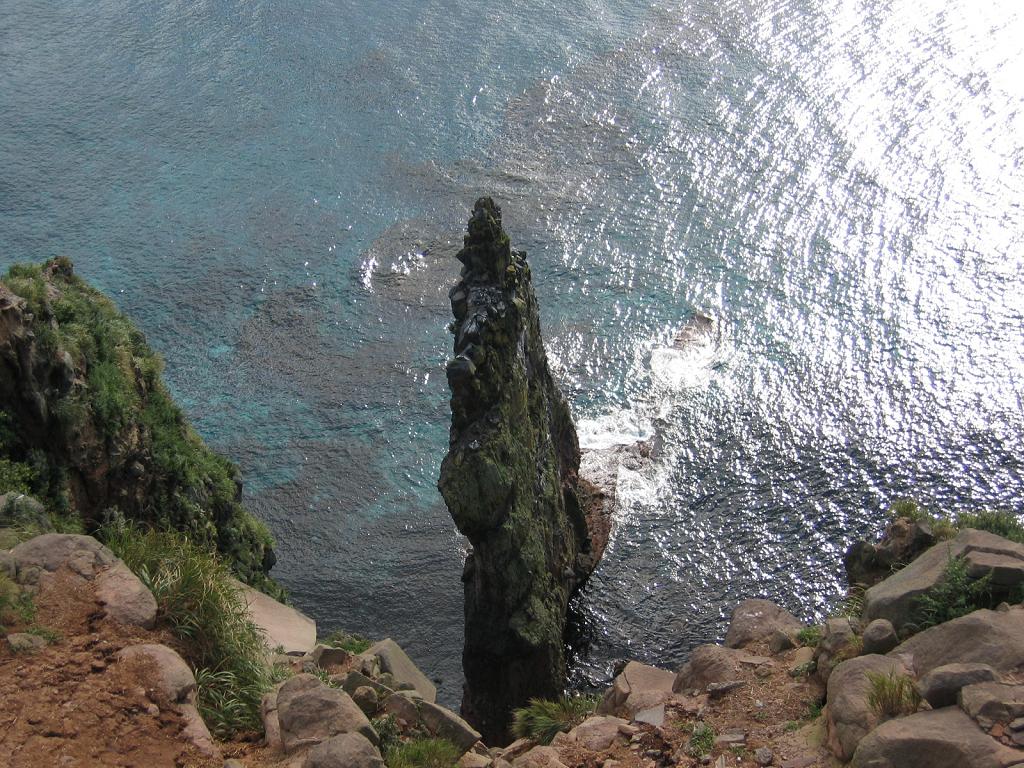
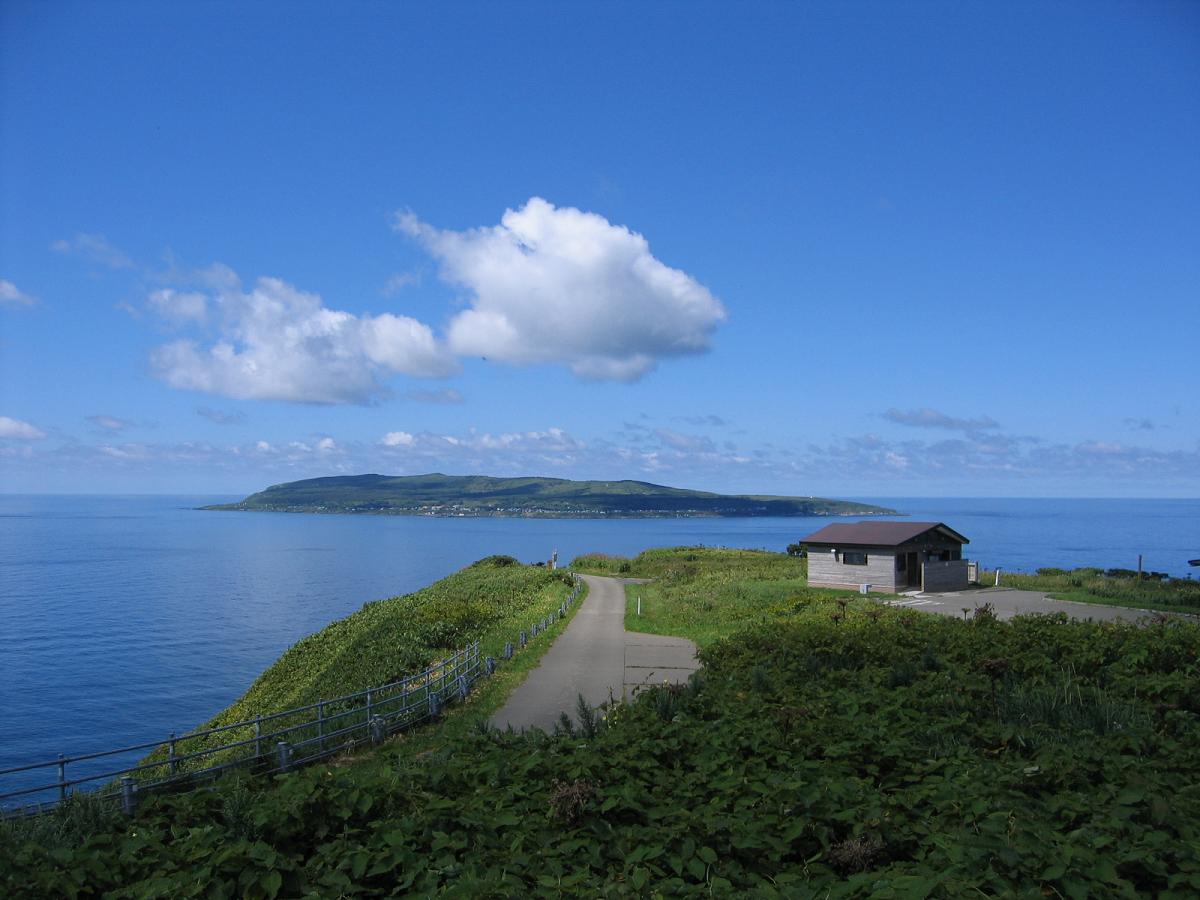
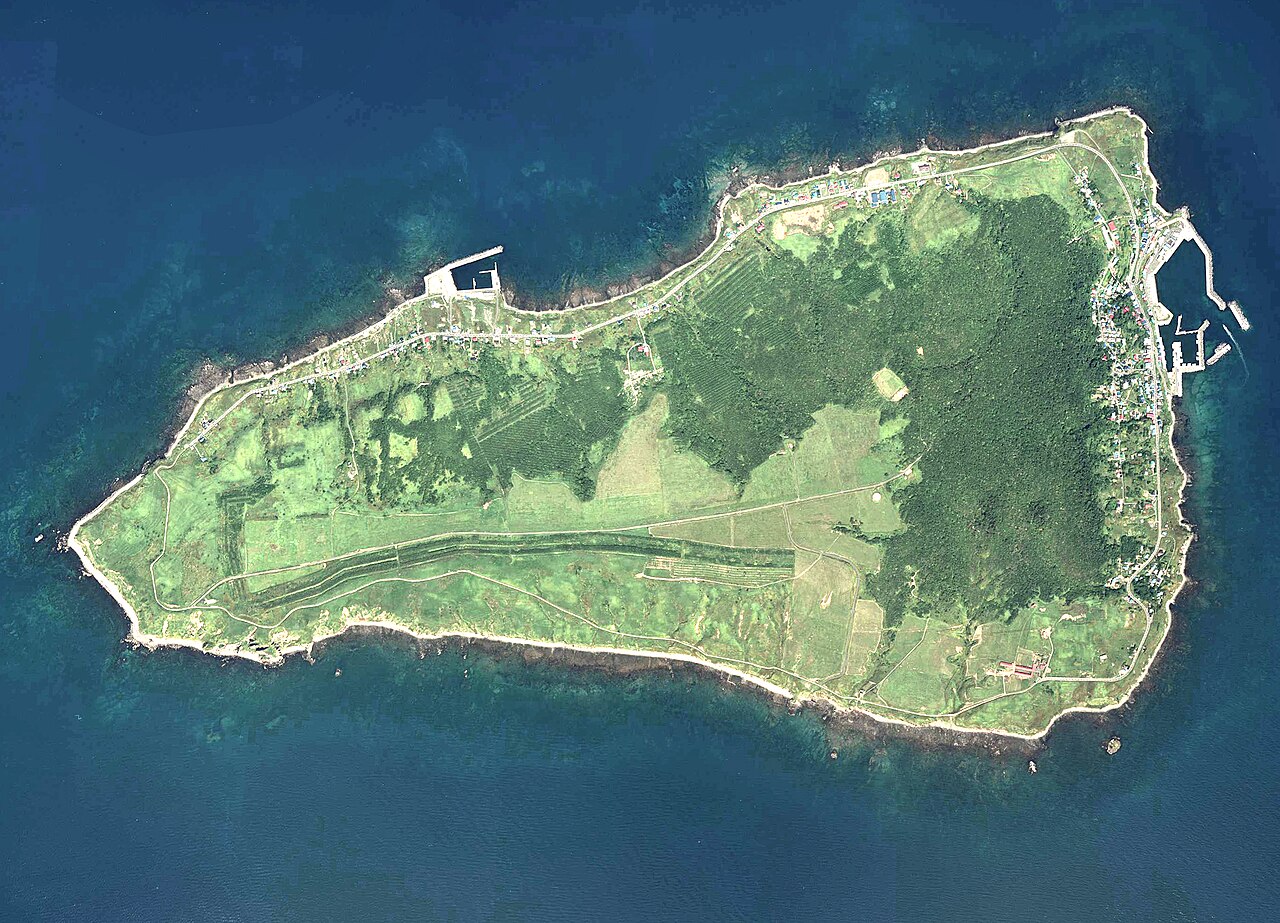
- Teuri Island Geography: 12km in circumference, featuring a 2km continuous wall of seabird cliffs.
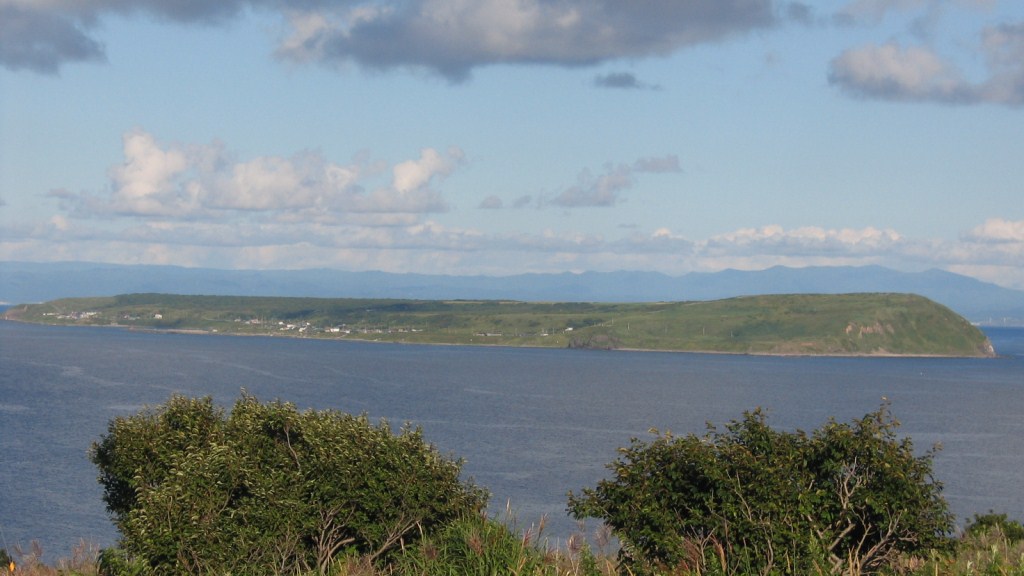
- Yagishiri Island Geography: 7km in circumference, dominated by a rare northern-latitude primeval broadleaf forest.
- Ferry Logistics: The Haboro Enkai Ferry provides the essential lifeline. In peak summer, three round-trips daily connect the mainland to the islands, though the journey requires a tolerance for the unpredictable Japan Sea.
- Economic Impact: While foreign tourism remains in the "deep-travel" category—measured in hundreds per year—the islands sustain a local minshuku (guesthouse) economy that relies on seasonal visitors seeking authentic, off-the-beaten-path experiences.
Official Responses and Conservation Strategy
The Hokkaido Seabird Center is not just an exhibition hall; it is an active laboratory. The facility’s exhibition hall features a life-size reconstruction of a Teuri cliff-face, complete with replica nests and sound-and-light loops that simulate the colony’s activity.
According to Ministry of the Environment staff, the primary challenge remains the "fishery-seabird interface." By openly documenting the conflicts between traditional livelihoods and environmental preservation, the center has fostered a culture of transparency. The research team uses satellite tracking and population surveys to advocate for "seabird-safe" zones, ensuring that the local fishing economy can thrive without sacrificing the biodiversity of the cliffs.
Furthermore, the center facilitates guided programs, such as the Seabird Breeding Ground Guided Tour and the Rhinoceros Auklet Night Guide. These are strictly regulated, with limited group sizes and strict "no-light" policies at observation points like the Akaiwa Observatory to ensure that human presence does not interrupt the birds’ delicate nocturnal behaviors.
Implications: The Future of Deep-Travel in Japan
The Teuri and Yagishiri experience serves as a case study for "slow travel" in Japan. In a country where tourism is often dominated by the well-trodden paths of the "Golden Route," these islands offer a starkly different value proposition.
The Ecological Implication
The islands remind us that conservation is a slow, iterative process. The loss of the tufted puffin remains a cautionary tale of what happens when industrial activity outpaces ecological understanding. However, the stability of the current rhinoceros auklet population suggests that consistent monitoring and local cooperation can stem the tide of decline.
The Travel Implication
For the visitor, this is not a destination for those seeking comfort or convenience. It is for those who value the "logistical commitment." The lack of widespread English support, the reliance on weather-dependent ferry schedules, and the necessity of booking traditional accommodations by phone all serve as filters. These hurdles ensure that the islands remain a sanctuary, not just for the birds, but for the spirit of exploration.
How to Engage
For those planning a journey, the recommended itinerary involves a minimum of three days. One should base themselves in Haboro, utilizing the town’s business hotels or the Haboro Onsen Sunset Plaza as a home base.
- The Seabird Center: Start here. It provides the intellectual framework for understanding what you will see on the cliffs.
- Teuri Island: Dedicate at least one full day. Walk the coastal viewing paths, but respect the fragile turf where the auklets burrow.
- Yagishiri Island: Spend a day here to contrast the avian focus of Teuri with the terrestrial beauty of the primeval forest and the local Suffolk sheep farms.
The Haboro-Teuri-Yagishiri circuit is, ultimately, a test of patience. It demands that the traveler cede control to the weather, the ferry, and the rhythm of the birds. In exchange, it offers one of the last truly wild experiences in Japan—a chance to stand on a basalt cliff at twilight and watch 800,000 lives return home, just as they have for centuries, indifferent to the world that lies beyond their island shores.

For those willing to make the journey, the reward is not just a sighting of a rare bird; it is the rare, profound silence of a place that has been left to its own devices, protected by a community that has learned that some things are worth more than they cost.











