

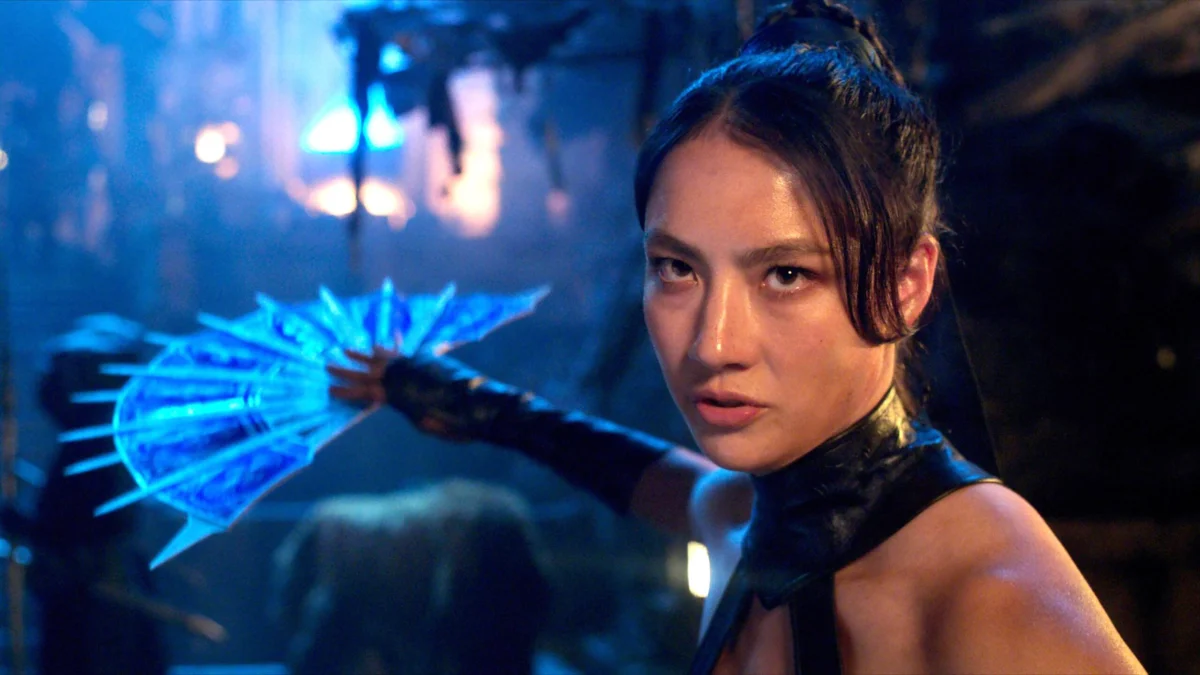
The martial arts tournament has long served as the crucible of action cinema. It is a narrative archetype that functions as both a stage for physical virtuosity and a microcosm of the human condition. From the sweat-drenched, high-stakes arenas of 1970s Hong Kong to the polished, CGI-augmented battlegrounds of modern franchises like Mortal Kombat, the "tournament film" remains a cornerstone of the genre.
Following the recent release of Mortal Kombat II, audiences have once again been drawn to the visceral, high-stakes nature of the fighting tournament. These films do more than just showcase combat; they provide a structured environment where diverse fighting styles, philosophies, and moral stakes collide. Whether it is a formal competition that rewards discipline—as seen in The Karate Kid—or a brutal, lawless gauntlet where survival is the only objective, the tournament trope continues to shape how we consume action on screen.
The Anatomy of the Tournament Trope
At its core, the martial arts tournament film is built upon a simple but effective structural foundation. It allows filmmakers to justify the presence of a global roster of fighters, each representing a distinct martial discipline. This provides a natural, episodic rhythm to the screenplay, moving from one "round" to the next, with the intensity escalating until the final showdown.
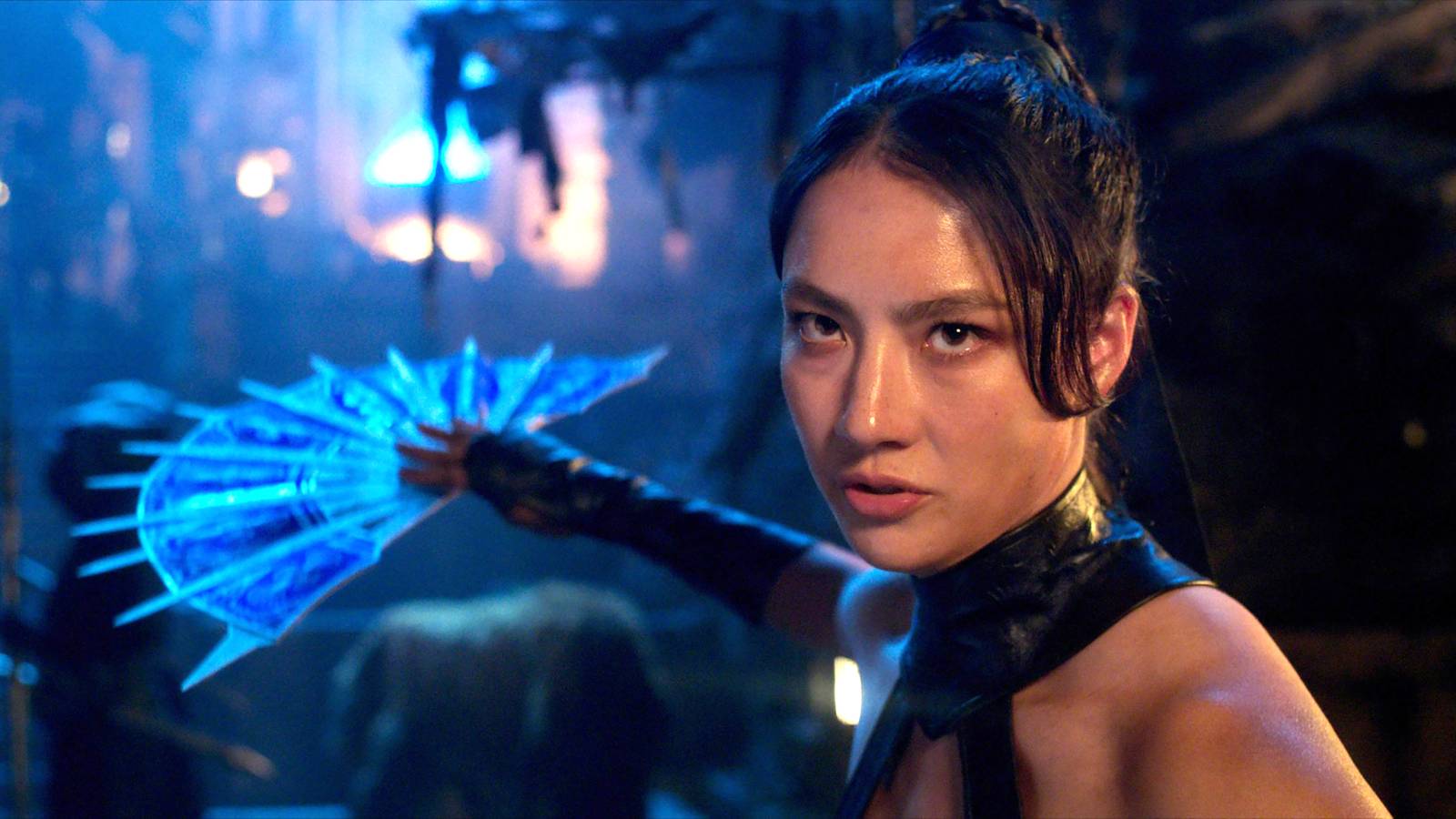
However, the genre is bifurcated by the nature of the stakes. On one end of the spectrum, there are films like The Karate Kid (1984), where the tournament is a path to self-actualization and the resolution of a character arc. On the other end are the "death matches"—films like Mortal Kombat or Bloodsport—where the environment is stripped of traditional sporting regulations. In these films, the tournament serves as a theater of carnage, often featuring supernatural elements, weaponized combat, and life-or-death consequences that raise the pulse of the audience.
Chronology of Combat: A Legacy of Cinema
The history of the tournament film is a timeline of cultural evolution in fight choreography and storytelling. While the 1970s and 1980s are widely considered the "Golden Age" of the subgenre, the roots extend back to the early days of Shaw Brothers’ productions, where the tournament was often a tool for showing the clash between traditional kung fu and foreign invaders.
6. Bloodsport (1988)
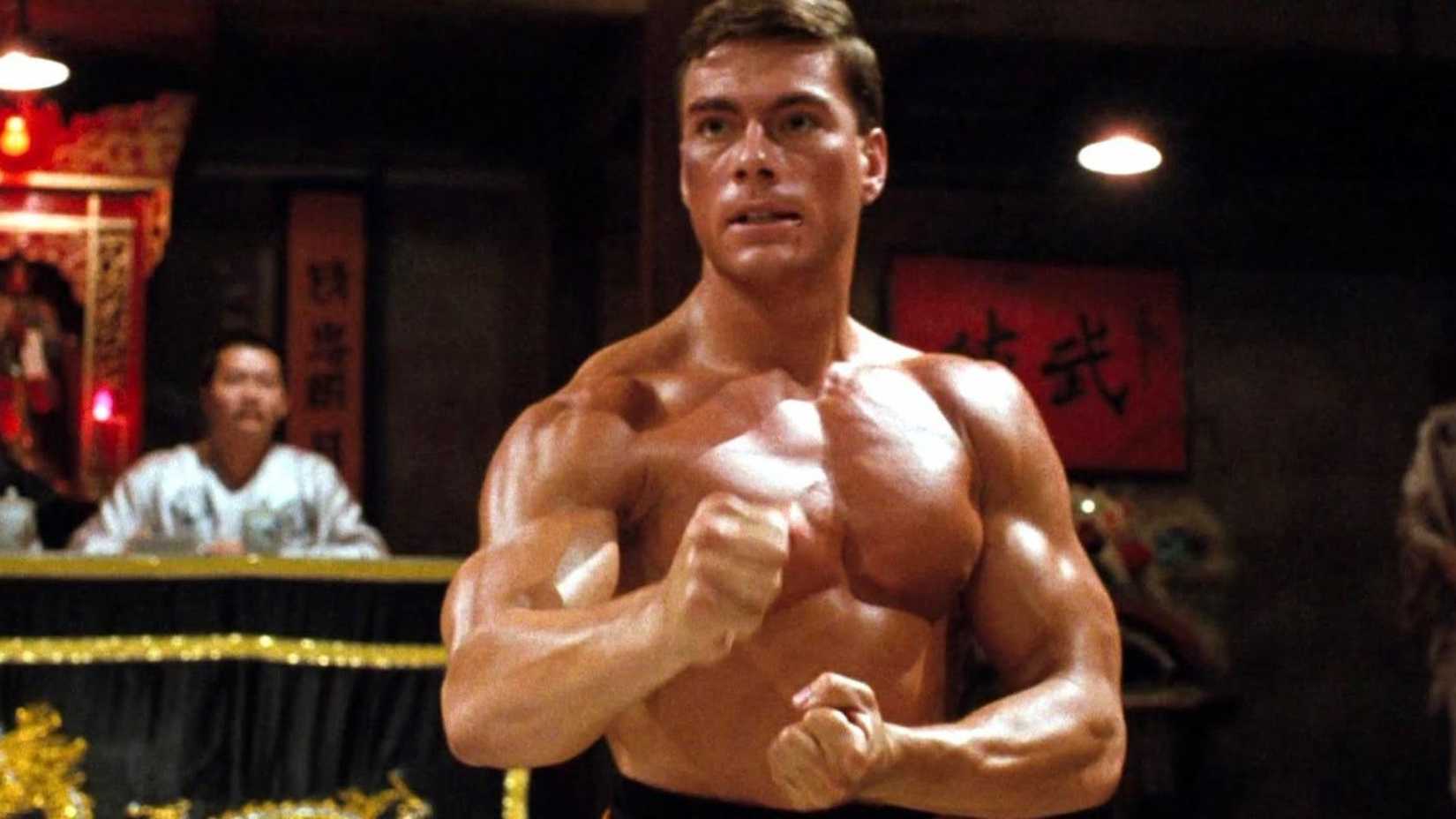
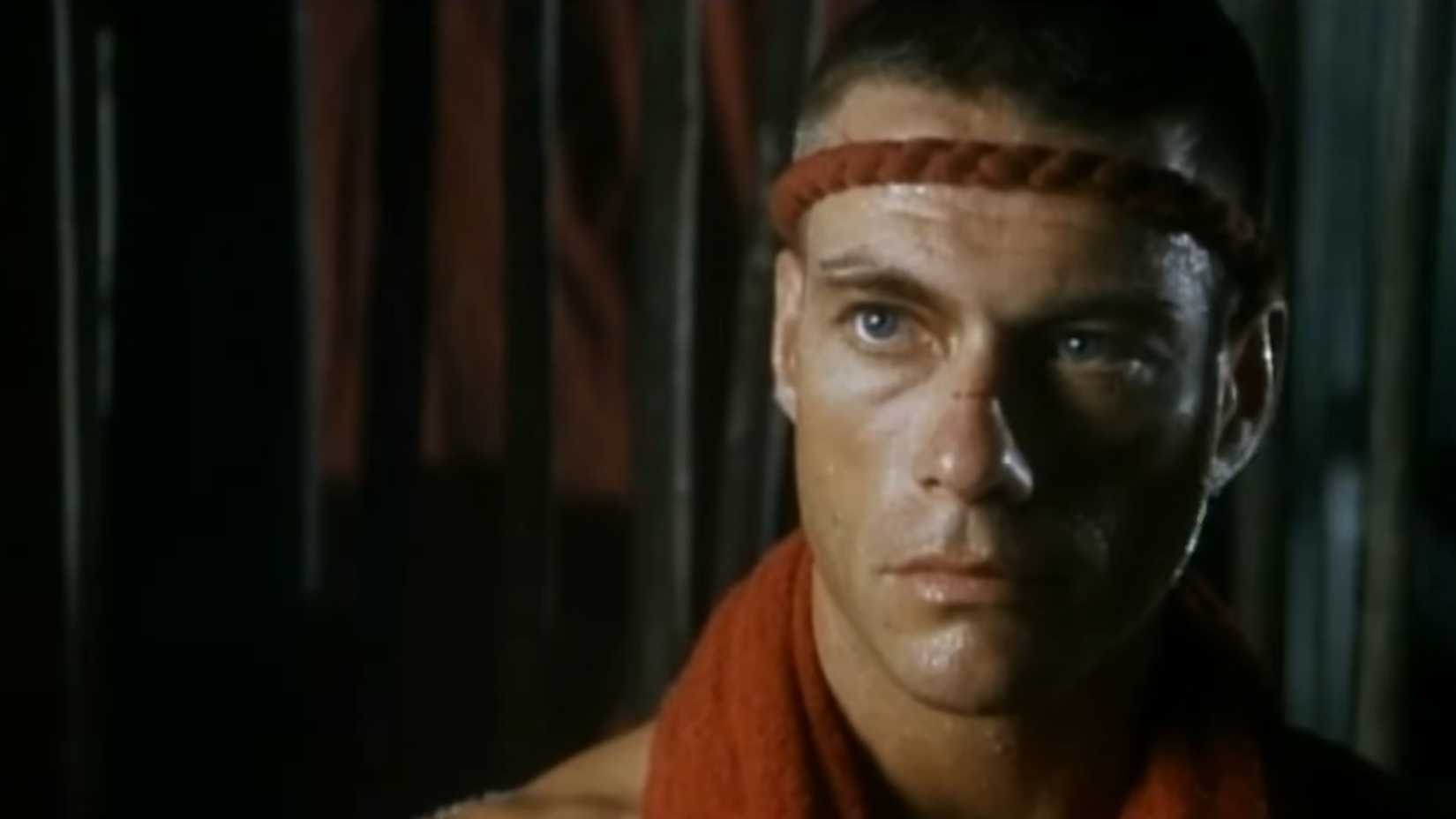
The film that propelled Jean-Claude Van Damme to international superstardom, Bloodsport, remains the gold standard for underground tournament cinema. Based on the dubious but captivating claims of Frank Dux regarding his participation in "The Kumite," the film offers a masterclass in variety. By pitting Dux against practitioners of sumo, capoeira, and various styles of kung fu, the film turns its tournament into a living encyclopedia of combat. The final confrontation between Dux and the villainous Chong Li (played with terrifying charisma by Bolo Yeung) remains one of the most iconic sequences in action movie history.

5. The Quest (1996)
Following the success of his tournament-based hits, Van Damme stepped behind the camera to direct The Quest. Set in the 1920s, the film follows a street urchin who is sold into slavery, only to find himself fighting in a global tournament held in the Lost City of Tibet. While it shares DNA with Bloodsport, The Quest offers a more period-accurate aesthetic and highlights the geopolitical tension of the era through its "nations of the world" competition format.
4. The Tournament (1974)
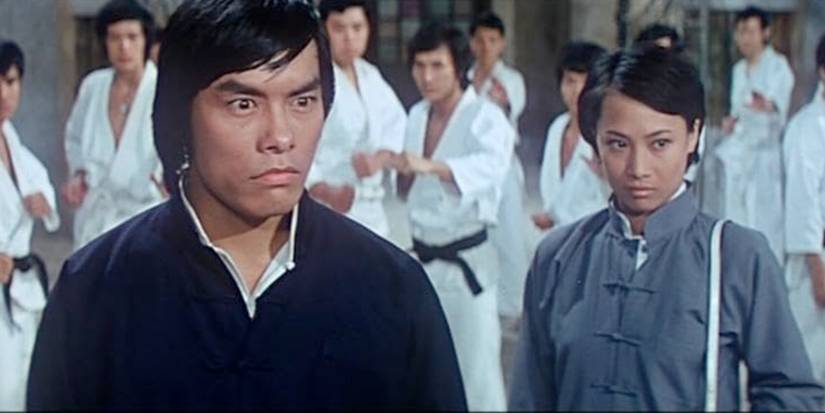
A hidden gem for those who appreciate the roots of the genre, The Tournament features the legendary Angela Mao and Carter Wong. This film is quintessential old-school kung fu; it focuses on the honor of the master and the desperate need to overcome superior physical odds. The film’s choreography is lightning-fast, focusing on the stylistic clash between traditional Chinese kung fu and Muay Thai, emphasizing the importance of adaptability in the face of an unfamiliar adversary.
3. Kickboxer 4: The Aggressor (1994)
While the original Kickboxer focused on revenge, its fourth installment pivoted sharply into the tournament subgenre. Starring Sasha Mitchell as David Sloane, the film follows an undercover mission to infiltrate an illegal competition hosted by the franchise’s primary antagonist, Tong Po. It mirrors the Mortal Kombat style of "bloody sport," where the lack of rules allows for high-octane violence and a grim, high-stakes atmosphere that remains a fan favorite for those who prefer their action without restraint.
2. Enter the Dragon (1973)
Widely considered the greatest martial arts film ever made, Enter the Dragon is the blueprint. Bruce Lee’s final complete film is not just a tournament movie; it is a spy thriller, a mystery, and a philosophical treatise. By centering the story around three distinct protagonists—Lee, Jim Kelly’s Williams, and John Saxon’s Roper—the film allows for an exploration of the tournament from three different perspectives. The island setting, the sinister drug lord host, and the sprawling scope of the event set the standard that every subsequent tournament film has attempted to emulate.
1. The Master of the Flying Guillotine (1976)
Perhaps the most "Mortal Kombat-esque" film ever produced, The Master of the Flying Guillotine is a surreal, violent, and highly stylized masterpiece. It features a blind monk who wields a weapon capable of decapitating opponents from a distance—a concept that would feel right at home in a modern fighting game. The film is unique because the protagonist is not necessarily a participant in the tournament, but rather an observer caught in the crossfire. It perfectly balances character-driven revenge with the spectacle of a wide-ranging, multiversal-feeling competition.
Supporting Data: Why We Love the Tournament
The enduring appeal of the tournament film lies in the "variety factor." Data from audience engagement metrics in action cinema suggest that viewers prefer films that offer distinct "character classes" or fighting styles. This is why ensemble tournaments are so effective—they allow the viewer to root for the "brawler," the "technician," or the "mystic."
Furthermore, the tournament format solves a classic narrative problem: how to maintain tension. By introducing a bracket, the director guarantees the audience a series of "mini-climaxes," ensuring that even if the middle act of a film experiences a lull in dialogue, the audience is never more than ten minutes away from a high-stakes confrontation.
Official Responses and Industry Shifts
Industry analysts note that the rise of mixed martial arts (MMA) in the real world has actually made the "fictional" tournament film harder to write. Modern audiences are more knowledgeable about legitimate ground-fighting, submissions, and striking defense than they were in 1988. Consequently, the most successful recent films, such as the Mortal Kombat reboots, have leaned into "high fantasy" to differentiate themselves from the reality of the UFC. By adding magical powers, portal-hopping, and life-after-death stakes, these films ensure that they remain a form of escapism rather than a sporting documentary.
Implications for the Future of Action Cinema
As we look toward the future, the martial arts tournament film is likely to move even further into the realm of the spectacle. With the integration of AI-assisted fight choreography and high-speed motion capture, the potential for complex, gravity-defying combat sequences is greater than ever.
However, the success of these films will always depend on the human element. The reason Enter the Dragon and Bloodsport remain at the top of the lists is not just the fighting; it is the stakes. When the hero fights for their sister, for their honor, or for their survival, the audience is invested. Without that emotional core, a tournament is just a series of clips.
In conclusion, the martial arts tournament remains a vital, evolving structure. Whether it’s a dusty ring in 1925 or a magical island in a fantasy realm, the core promise of the genre remains the same: a stage where the best of the best meet to test the limits of human—or superhuman—ability. As long as there is a need for heroes to be tested, the tournament film will continue to reign supreme in the landscape of action cinema.










No comments yet. Be the first to join the conversation!