

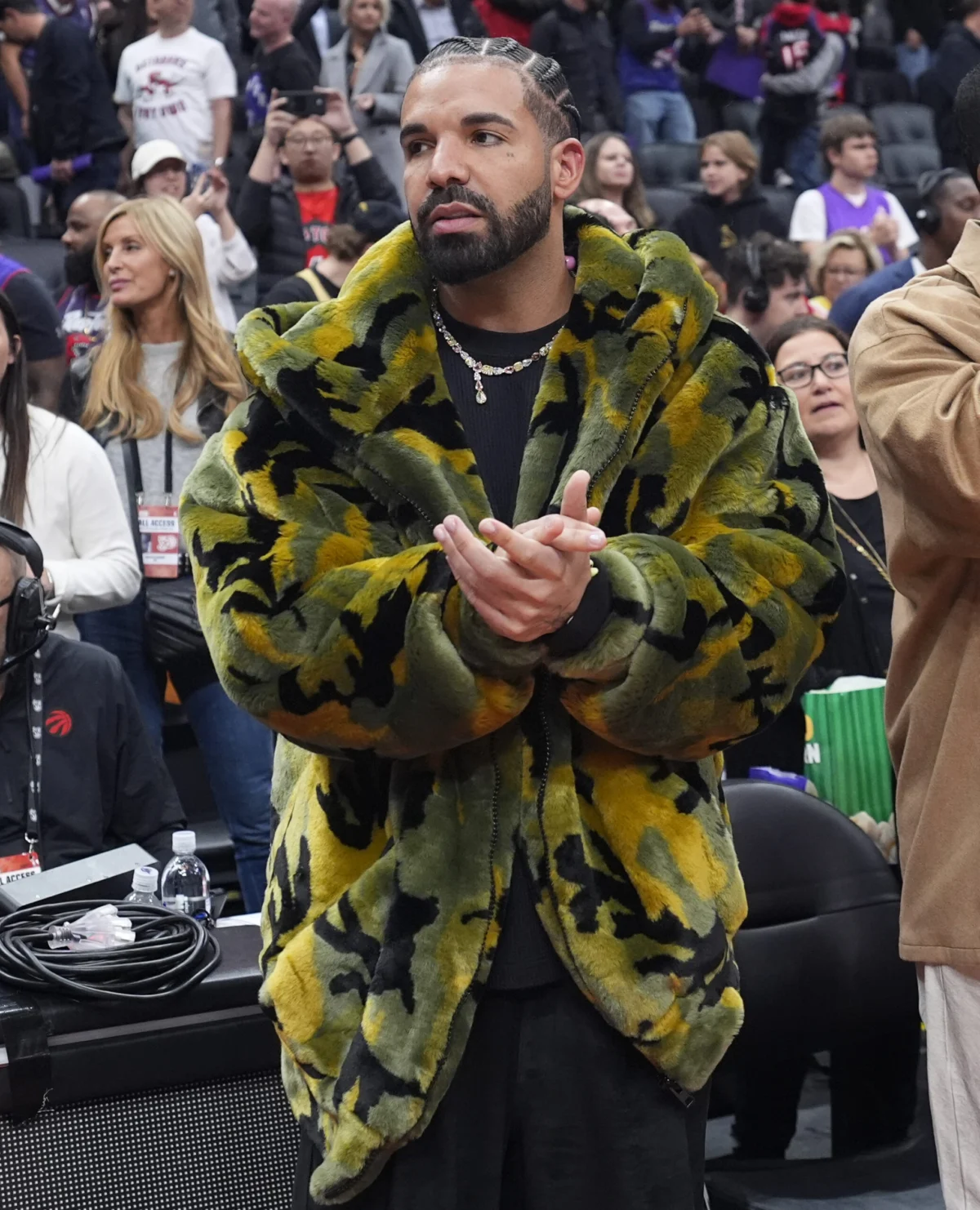
In a move that has sent shockwaves through the music industry and ignited a fierce debate regarding the definition of artistic success, Drake has executed one of the most audacious commercial maneuvers in modern pop history. On Friday, the Canadian superstar bypassed the traditional rollout cycle, dropping three full-length albums simultaneously: Iceman, Maid of Honour, and Habibti.
This unprecedented deluge of content serves as the rapper’s first major solo output since the seismic 2024 cultural shift triggered by Kendrick Lamar’s chart-topping, battle-defining anthem, "Not Like Us." While the music industry is still digesting the sheer volume of material, one thing is clear: Drake is attempting to use the raw, unyielding power of the streaming algorithm to turn the page on his most difficult chapter to date.
The Strategy: A Calculated Overload
The release strategy for Iceman, Maid of Honour, and Habibti is not merely an artistic choice; it is a tactical deployment of resources designed to saturate the global zeitgeist. By releasing nearly 150 minutes of music at once, Drake has effectively forced his listeners to interact with his catalog on a scale that mimics a media takeover.
This move follows a period of intense public scrutiny for the artist. Following the 2024 rap battle against Kendrick Lamar, which resulted in a massive public perception shift, Drake’s standing within the hip-hop community appeared precarious. By flooding digital service providers (DSPs), Drake is betting that volume will translate into dominance, forcing a return to the conversation not through dialogue, but through ubiquity.
Chronology of a High-Stakes Rivalry
To understand the current climate, one must look at the recent timeline of events that led to this moment:
- Early 2024: The rap battle between Drake and Kendrick Lamar reaches a fever pitch. Lamar’s "Not Like Us" becomes an international phenomenon, capturing the cultural zeitgeist in a way that left Drake reeling from a rare public relations defeat.
- Late 2024 – 2025: While Lamar enjoyed a "victory lap," including multiple Grammy wins and a high-profile Super Bowl halftime show performance, Drake continued to operate in the background. Despite the public narrative, data shows he remained the most-streamed hip-hop artist of 2025.
- Late 2025: Controversy ensues as Drake pursues legal action against his label and associated parties regarding the handling and impact of "Not Like Us," a move that many purists decried as antithetical to the ethos of hip-hop competition.
- May 2026: The release of the triple-album project. The timing is deliberate, aimed at resetting his commercial momentum just as the industry enters the summer cycle.
Supporting Data: The King of the Stream
Drake’s reliance on numbers is not born of insecurity; it is his most proven weapon. Even as his critical reception has cooled—with many critics noting that his albums since 2016’s Views have lacked the cohesive quality of his earlier work—his commercial footprint has only expanded.
As of the current release, the statistics are staggering:
- Spotify Dominance: Drake holds the position of the third most-streamed artist of all time, trailing only global powerhouses Taylor Swift and Bad Bunny.
- RIAA Records: He currently stands as the artist with the most RIAA certifications in history, boasting a mind-boggling 333 million certified units. His resume includes 98 gold records, 96 platinum records, 53 multi-platinum records, and 11 diamond-certified tracks.
- The Billboard Challenge: Industry analysts are already projecting that Drake could occupy the top three spots on the Billboard 200 next week. If successful, he would join an elite, albeit small, club—the most notable predecessor being Michael Jackson, who saw a surge in chart presence following his passing in 2009.
However, the question remains: does "more" equate to "better"?
Critics and the "Algorithm" Argument
The critical reception to the three-album drop has been polarized. While fans have praised the volume of content, industry observers and music journalists have raised concerns about the "commodification" of the listening experience.
Sowmya Krishnamurthy, a noted music journalist and author of The Blueprint: Inside the Business of Roc-A-Fella Records, was among the most vocal critics during the release window. On social media, she characterized the move as a desperate attempt to manipulate the metrics.
"One nice, edited, and well-sequenced classic album is what was asked for," Krishnamurthy wrote. "Three Drake albums (?!) screams of manipulating the algorithm and streaming stats. It’s feasible Drake will have three albums on the Billboard 200. His fanboys will see that as a win. He’s bigger than Michael Jackson. He beat DMX and Pac’s record. Sadly, it won’t earn him the legacy or respect he really wants. Chasing algorithms and streams is a losing game."
This sentiment captures a growing divide between the "streaming era" artist and the traditional requirements of hip-hop legacy. Where artists like Lamar or Jay-Z prioritize narrative arc, thematic consistency, and lyrical depth, Drake’s strategy prioritizes total market share.
Official Responses and Industry Speculation
Neither Drake nor representatives for his label, Republic Records/UMG, have provided official statements regarding the motivations behind the triple-album release. However, behind the scenes, industry speculation is rampant.
One prominent theory is that this release is a contractual maneuver. By dropping three albums simultaneously, Drake may be aiming to fulfill his outstanding record deal obligations in one fell swoop, potentially clearing the path for an independent venture or a new partnership. The tensions following his legal battles in 2025 have made the relationship between the artist and his label seem strained, and a "contractual purge" of music would be a logical step for an artist looking to regain full control over his output.
Implications: A Legacy at the Crossroads
The implications of this massive release are twofold. On one hand, it reaffirms Drake’s status as a commercial juggernaut. He is, by almost any objective metric, the most successful individual artist of his generation. He has successfully gamified the streaming system, turning the music industry into a numbers-based competition that few can win.
On the other hand, there is a mounting "legacy cost." By prioritizing the volume of content, Drake risks alienating the core hip-hop audience that demands depth and authenticity. The criticism that he is "chasing algorithms" is one that is becoming increasingly difficult to shake.
Ultimately, this triple-album drop is a gamble. If the music resonates and the fans engage, it will be hailed as a masterstroke of marketing genius—a way to dominate the conversation through pure willpower. If the music is viewed as "bloated" or "formulaic," it may only serve to deepen the rift between the artist and the critics who are already calling for a return to quality over quantity.
Drake has chosen his path. By attempting to overwhelm the culture, he has placed himself in a position where he is no longer competing against other rappers, but against the very idea of how music is consumed in the 21st century. Whether or not he wins the battle for his legacy remains to be seen, but one thing is certain: the industry will be watching the charts, and the critics will be watching the culture, to see which side of the ledger comes out on top.









No comments yet. Be the first to join the conversation!