Jia Lissa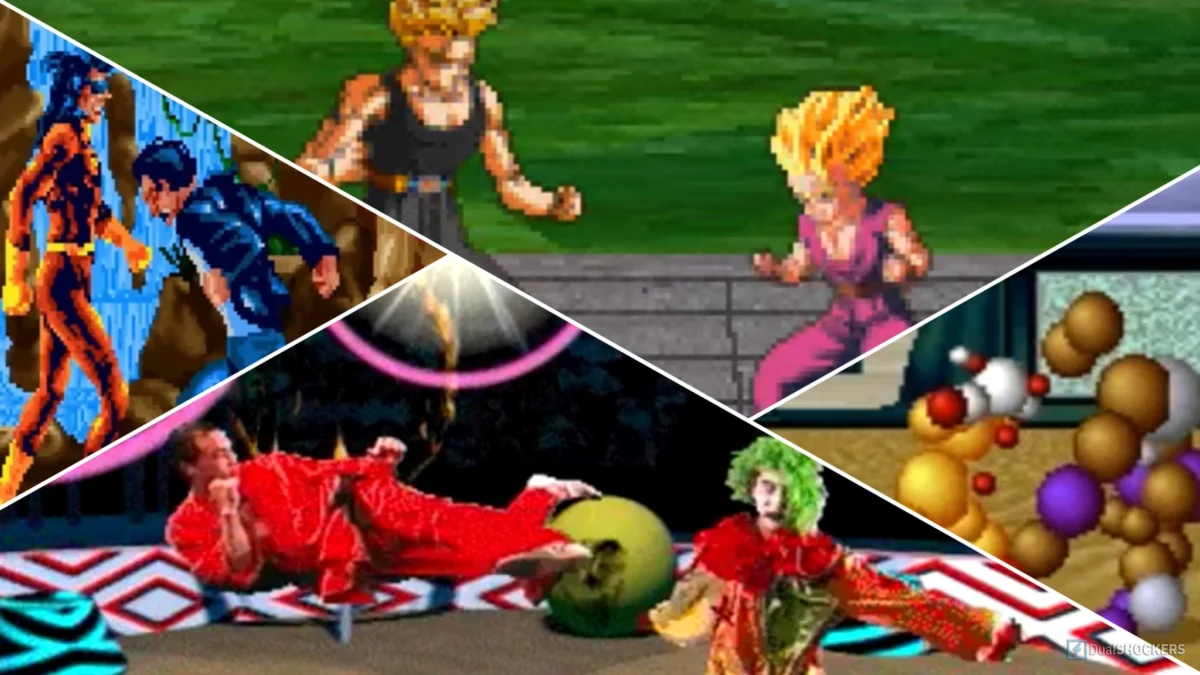
The fighting game genre occupies a unique space in the interactive entertainment industry. Unlike open-world RPGs or narrative-driven adventures, fighting games are stripped of the safety net provided by expansive setpieces, branching storylines, or cinematic padding. At their core, they are a high-stakes, mechanical conversation between two players, relying entirely on input responsiveness, frame-data balance, and the visceral appeal of character design.
Because the barrier to entry for "good" design is so high—requiring a delicate, almost mathematical approach to balance—it is perhaps the most difficult genre to master from a developer’s perspective. When a studio fails, the results are often catastrophic, ranging from sluggish, unresponsive controls to visual presentations that actively hinder gameplay. This article explores the history and implications of the most notorious fighting games ever released, examining why these titles failed to connect with audiences and what they teach us about the evolution of the genre.

The Mirage of Success: Why Licensed Fighters Often Stumble
A recurring theme in the history of "bad" fighting games is the reliance on existing intellectual property (IP). In the 1990s and early 2000s, publishers frequently viewed the fighting genre as a low-effort vessel for popular cartoon or toy brands. By leveraging brand recognition, developers hoped to bypass the need for tight, competitive mechanics.
Transformers: Beast Wars Transmetals (1999)
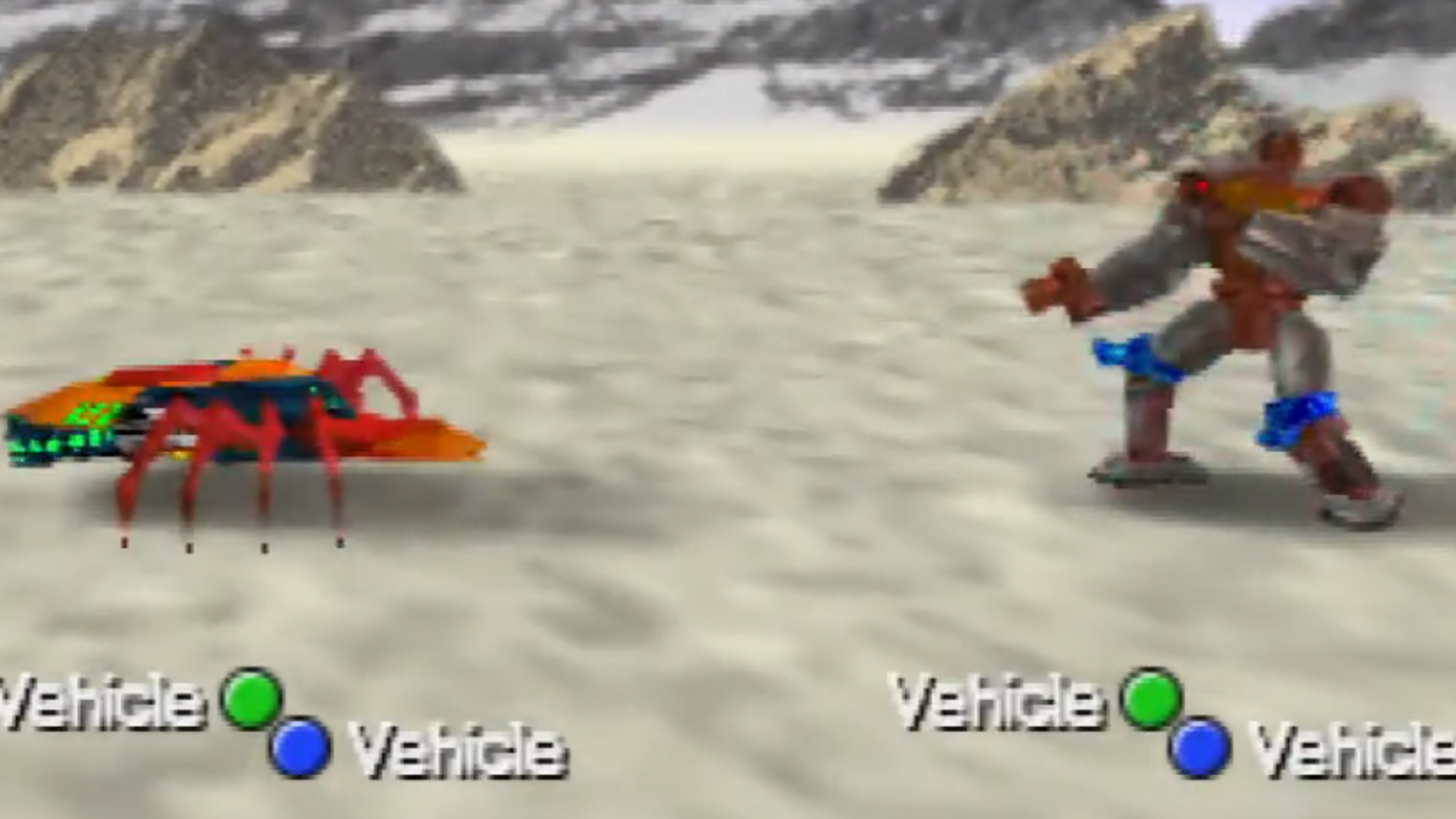
Released for the N64 and PlayStation, Transformers: Beast Wars Transmetals is a prime example of a licensed property missing the mark. While it featured a unique visual style for the time, the gameplay was fundamentally shallow. Every character shared an identical moveset, and the "winning strategy" was almost universally restricted to knocking an opponent down and charging a single, high-damage move. It serves as a historical anomaly: while it is objectively a poor fighter, it has become one of the most sought-after collector’s items for the N64, proving that rarity does not equate to quality.
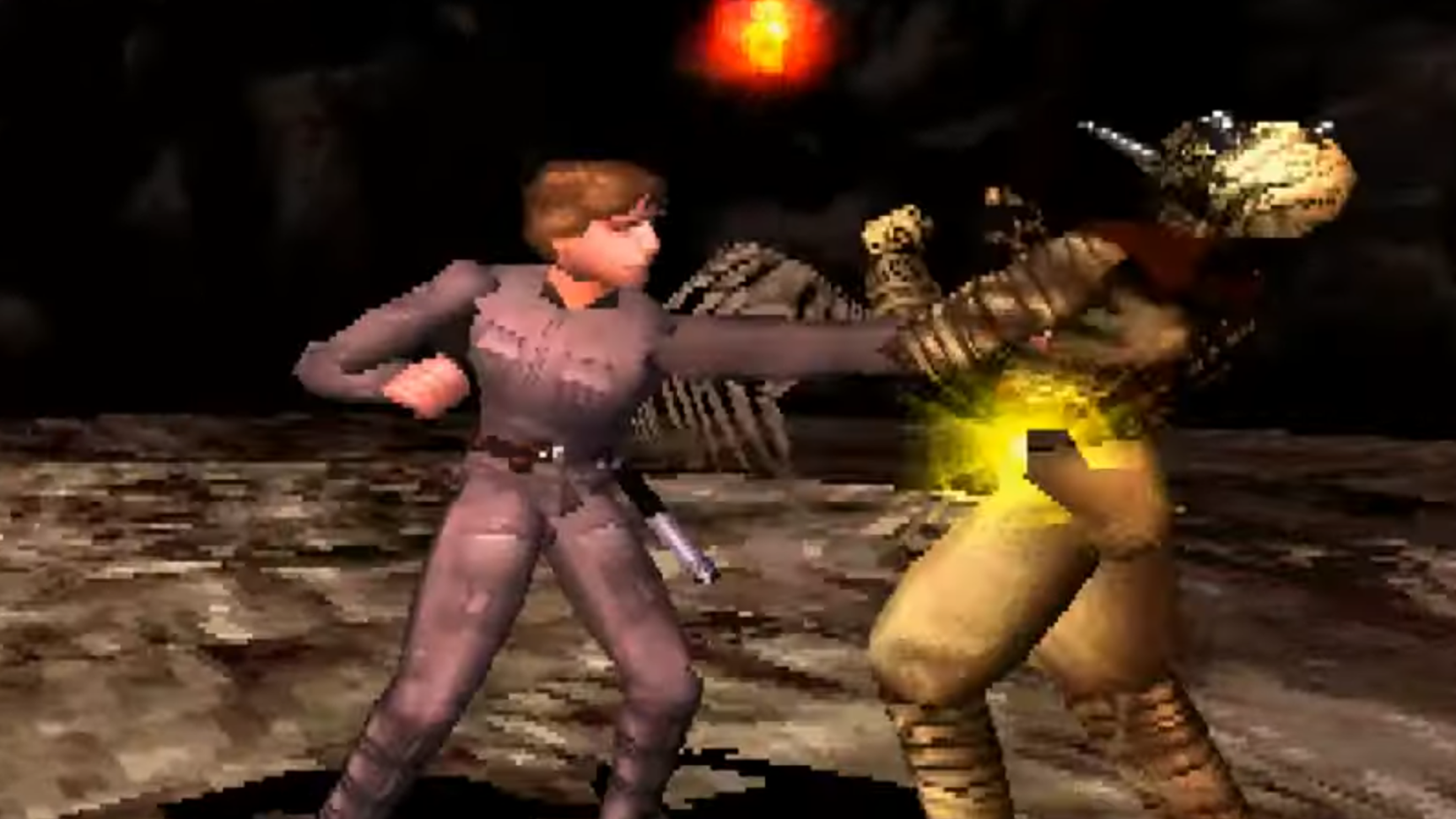
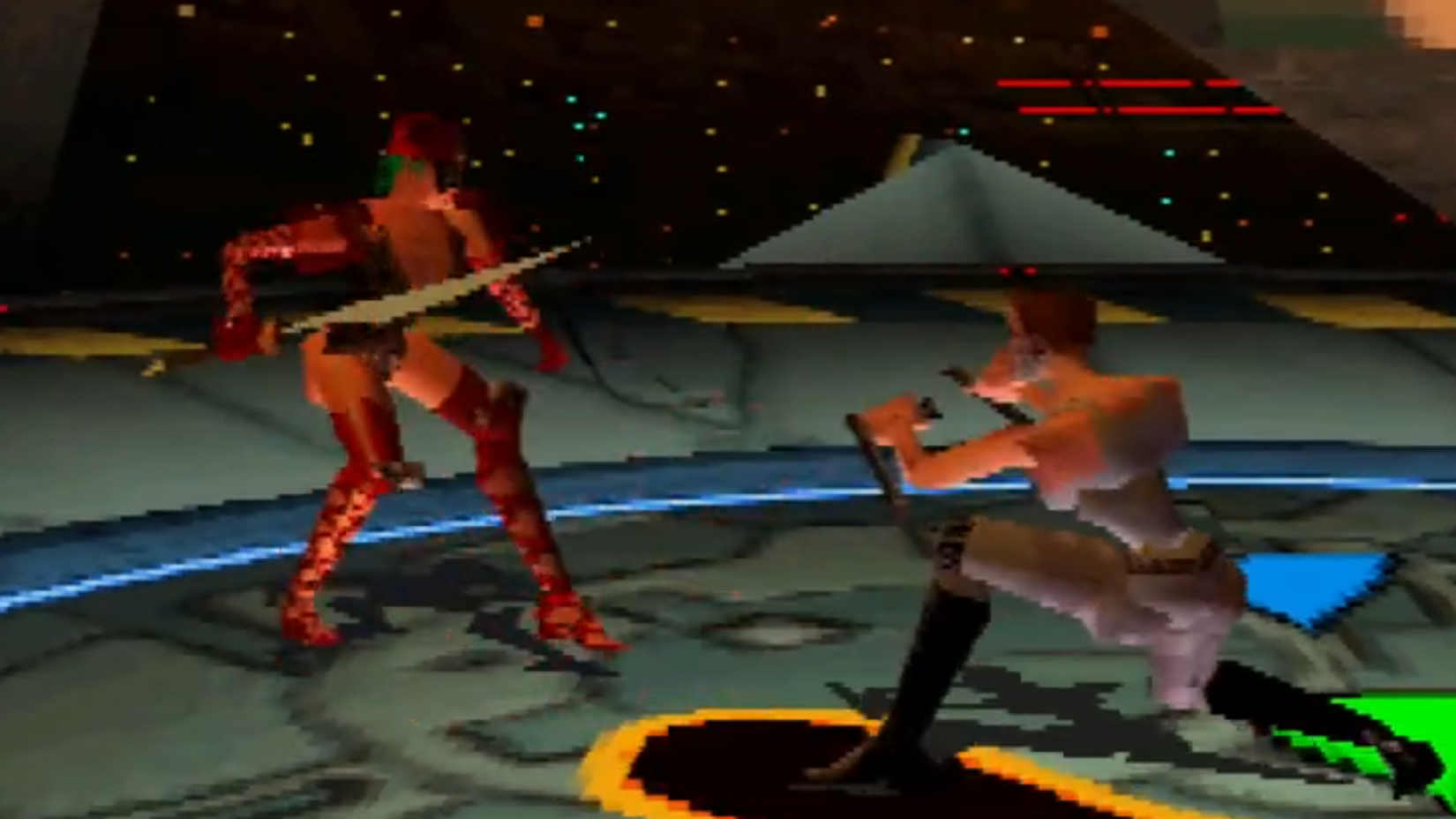
Star Wars: Masters of Teräs Käsi (1997)
The Star Wars franchise represents one of the most lucrative IPs in history, yet Masters of Teräs Käsi failed to capture the kinetic energy of lightsaber combat. The game attempted to blend the 3D-space movement of Tekken with the weapon-based combat of SoulCalibur, but the execution was tragically stiff. Players were forced to navigate a clunky, floaty engine that made iconic characters feel like they were wading through mud. The lack of distinct playstyles among the roster—coupled with a bizarre refusal to allow consistent lightsaber usage—rendered it a frustrating footnote in the Star Wars gaming canon.
Chronology of Incompetence: A Decade of Missteps
The mid-90s represented a "Wild West" era for fighting games. Developers were eager to capitalize on the success of Street Fighter II and Mortal Kombat, leading to a flood of titles that prioritized gimmickry over substance.
The Rise of the "Ballz" and Early 3D Attempts
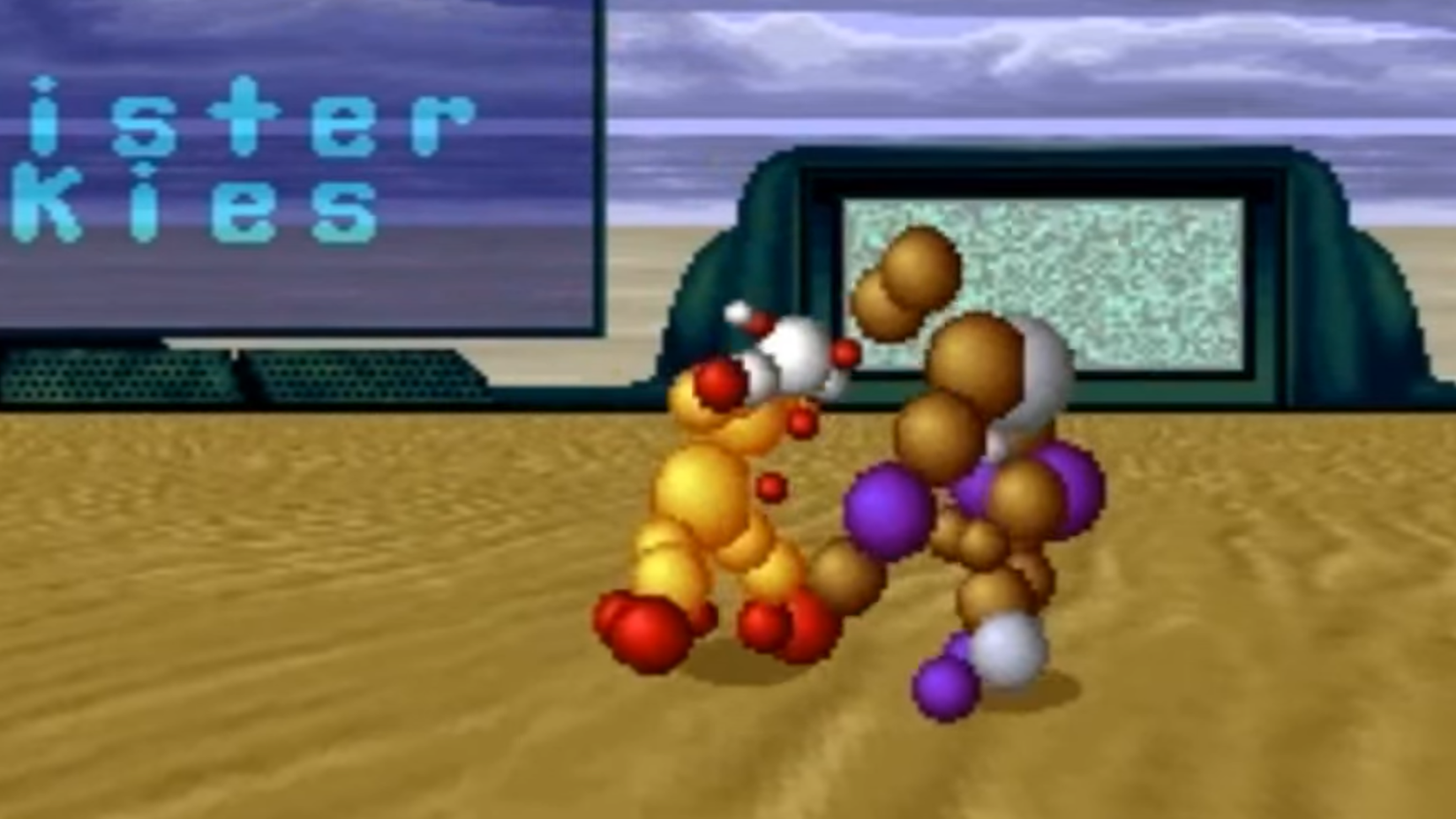
Ballz 3D (1994) represents the peak of "gimmick-first" design. Attempting to capitalize on the burgeoning interest in 3D technology, the developers created characters out of interlinking spheres. While the concept was technically novel for the SNES, the result was a visual and mechanical disaster. The characters lacked distinct silhouettes, and the combat was reduced to a frantic, random clashing of spheres. It was a clear case of technology being used for novelty rather than to enhance the user experience.
Shaq Fu and the Pitfalls of Digitization
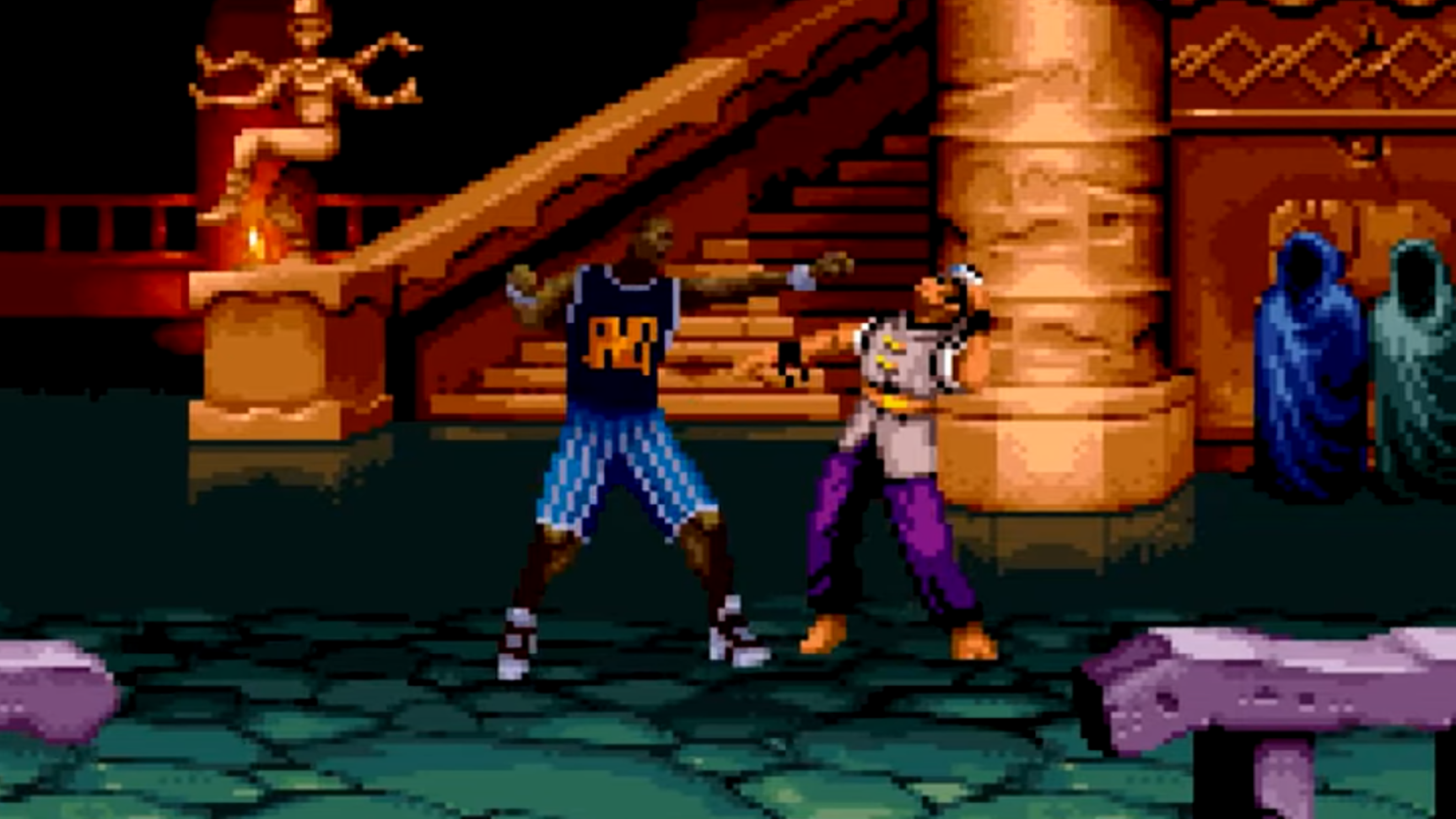
Shaq Fu (1994) remains perhaps the most famous "bad" fighting game in history. While the premise—star basketball player Shaquille O’Neal fighting in an isekai-style fantasy world—is inherently comedic, the game’s failure was purely technical. The developers utilized elaborate sprite animations that resulted in excessive frame counts for every attack. This created an input delay that rendered the game sluggish. In the competitive fighting game community, fluidity is paramount; Shaq Fu ignored this, turning a potentially fun curiosity into a tedious exercise in button-mashing.
Dragon Ball Z: Ultimate Battle 22 (1995/2003)
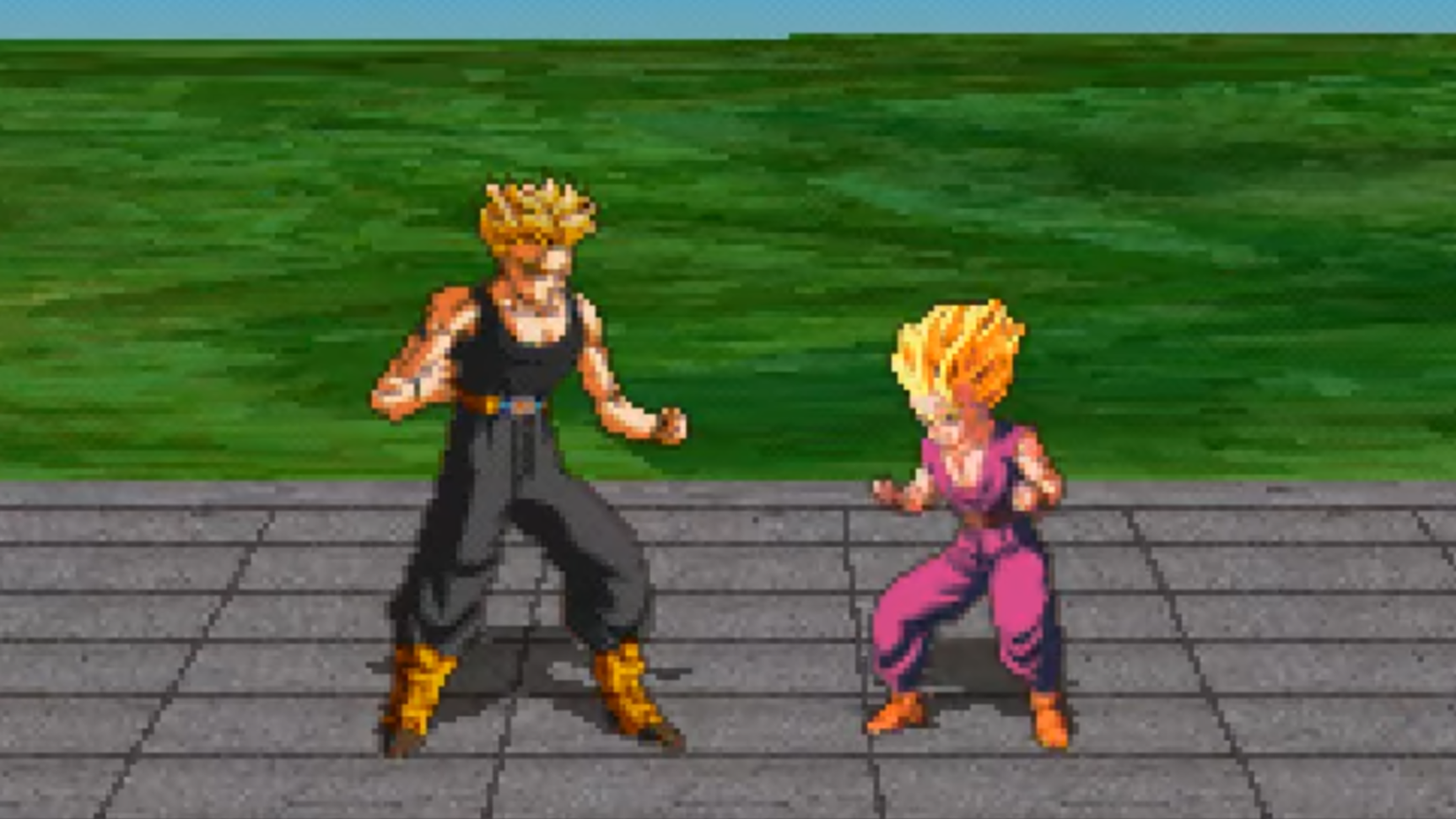
The history of Dragon Ball Z gaming is a rollercoaster, but Ultimate Battle 22 is firmly at the bottom of the curve. Released in Japan in 1995 and not reaching Western audiences until 2003, it suffered from "cheapness" in every aspect: fuzzy, off-model sprites, uninspired 3D stages, and a lack of English voice acting. It failed because it relied entirely on brand recognition, failing to understand that the fast-paced, high-flying nature of Dragon Ball Z requires a sophisticated system, not just a static, 2D fighter with a coat of paint.

Analyzing the Mechanics of Failure: Supporting Data
When we look at the commonalities between these titles, the data suggests three major failure points:
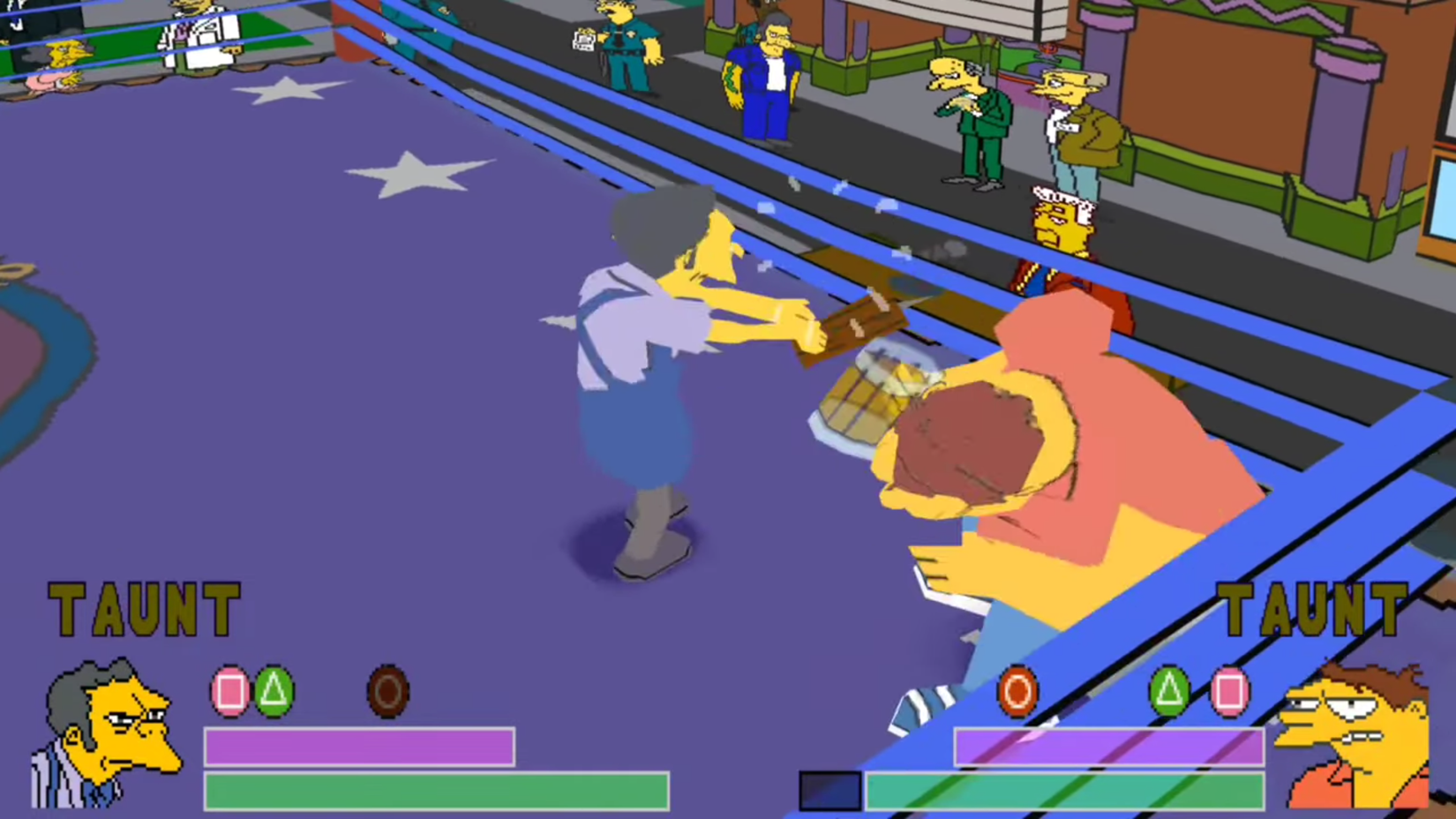
- Input Latency and Frame Data: In games like Shaq Fu and Criticom, the animations are decoupled from the combat loop. When a player presses a button, the visual feedback should be instantaneous. When it is not, the game feels "broken."
- Roster Homogeneity: Rise of the Robots (1994) is the ultimate offender here. By restricting the player to a single character for the single-player mode, the developers negated the primary appeal of a fighting game: the ability to choose a playstyle.
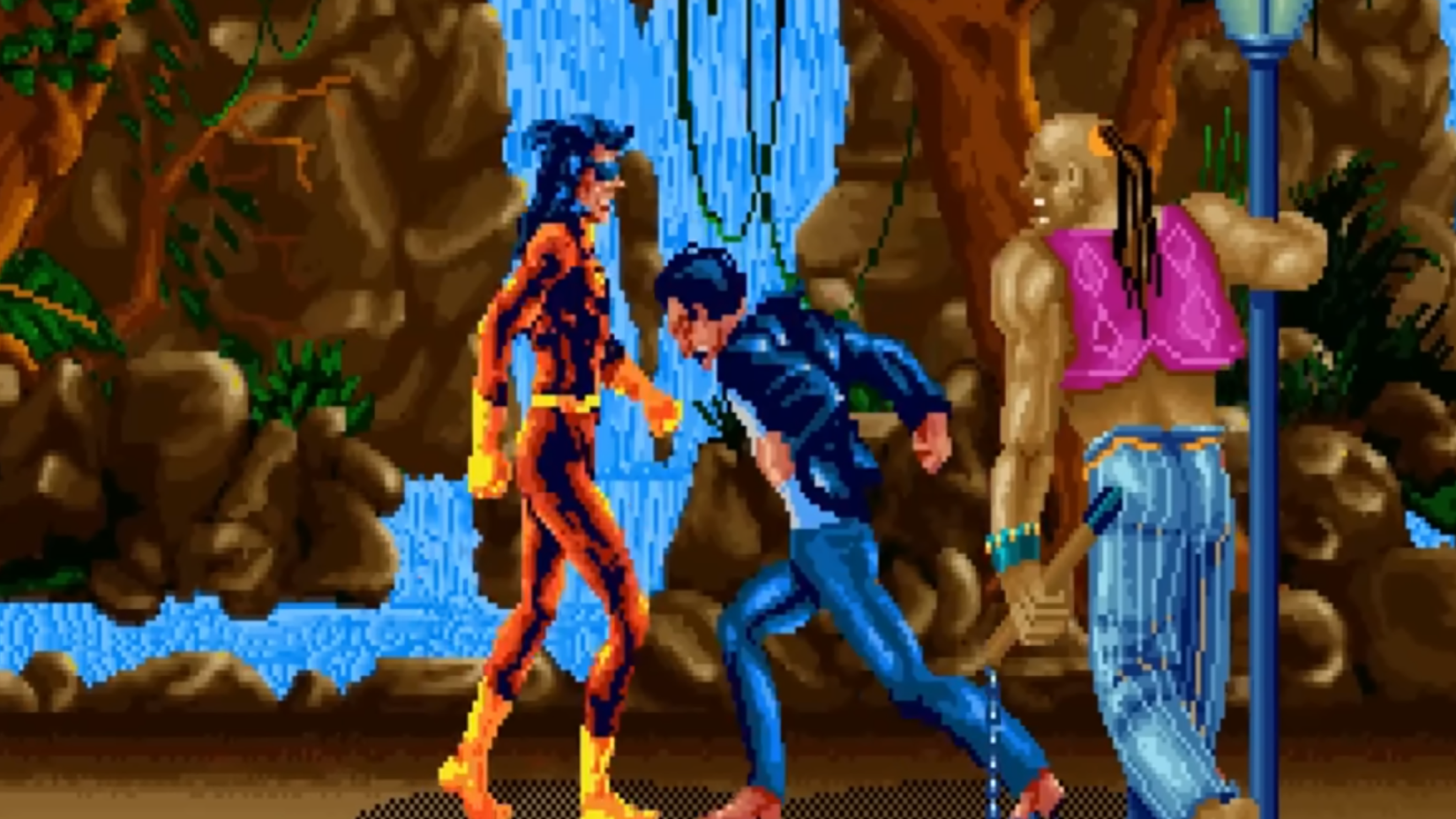
- Obfuscated Mechanics: In Dangerous Streets (1993), the game featured dedicated buttons for "neutral, non-moving jumps" and "elaborate blocking animations." These additions were not just unnecessary; they actively created a barrier between the player and the core action.
Official Responses and Public Reception
In the years following their releases, many of these games became the subject of "so-bad-it’s-good" retrospective reviews. Developers at the time rarely offered official apologies, as the gaming industry in the 90s operated with much lower transparency. However, the legacy of these games has forced modern developers to adopt "Quality Assurance" (QA) standards that involve professional competitive players to ensure balance.
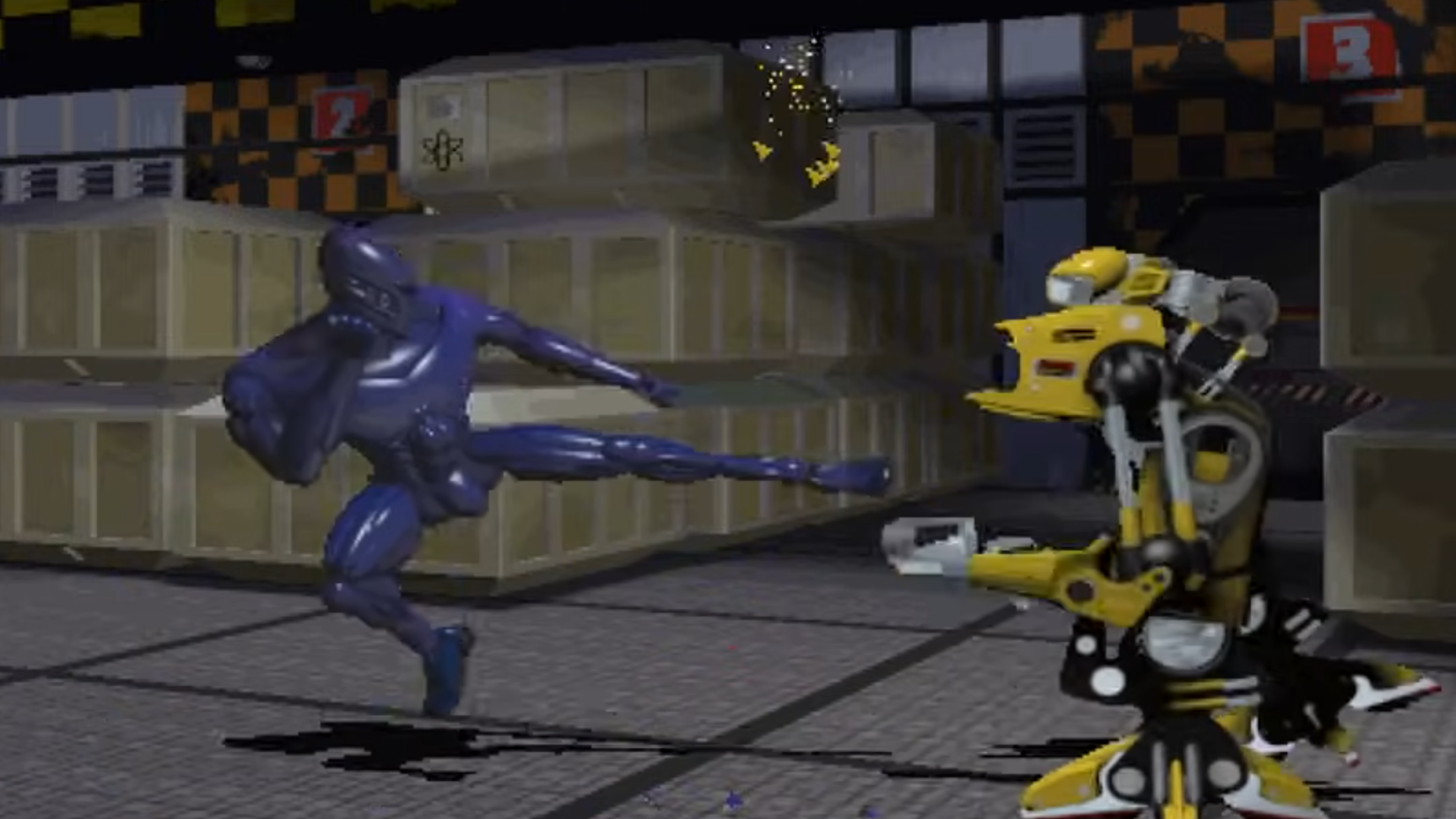
The irony is that many of these titles, such as The Simpsons Wrestling (2001), were developed by studios that were essentially tasked with "making a game" rather than "making a good game." The shift in the industry, driven by the rise of digital storefronts and social media, has made it impossible for such games to exist today without immediate, crushing public feedback.
The Broader Implications: What We Have Learned
The failures of the 90s and early 2000s were not in vain. They provided a roadmap for what not to do. Modern fighting game giants like Street Fighter 6, Tekken 8, and Dragon Ball FighterZ have succeeded precisely because they avoid the traps laid by their predecessors:
- Respecting the Brand: Developers now understand that a licensed fighter must capture the "feel" of the source material rather than just the aesthetic.
- Mechanical Depth: Modern games prioritize "easy to learn, hard to master" systems. They avoid the over-complicated, sluggish inputs of Dangerous Streets.
- The Importance of Balance: Today, developers utilize post-launch patches to adjust character data. In 1995, if a character was broken, they were broken forever. This shift has created a more equitable environment for players.
Conclusion
The history of "bad" fighting games is a testament to the difficulty of the genre. From the bizarre, sphere-based combat of Ballz 3D to the hollow, uninspired mechanics of Expect No Mercy, these games highlight that a fighting game is more than the sum of its parts. It requires a synergy between art, input precision, and character identity.
While we may look back at these titles with a mix of frustration and amusement, they remain essential lessons for the industry. They remind us that the player’s experience—the way a punch lands, the way a combo flows, and the way a character reflects the player’s own skill—is the only thing that truly matters in the ring. As the genre continues to evolve, these historical failures serve as a benchmark for how far we have come, and perhaps more importantly, how high the bar for quality has been set.


 Basiran
 Muslim