

There is an undeniable allure to the home renovation genre. From the initial, cathartic demolition day to the meticulous drafting of floor plans and the breathless anticipation of the "final reveal," these programs offer more than just aesthetic inspiration—they provide a blueprint for personal transformation. For many, the living room serves as the heart of the home, a sanctuary for relaxation and a stage for social interaction. Yet, it is often the space that falls victim to clutter, outdated styling, and the stagnation of daily life.
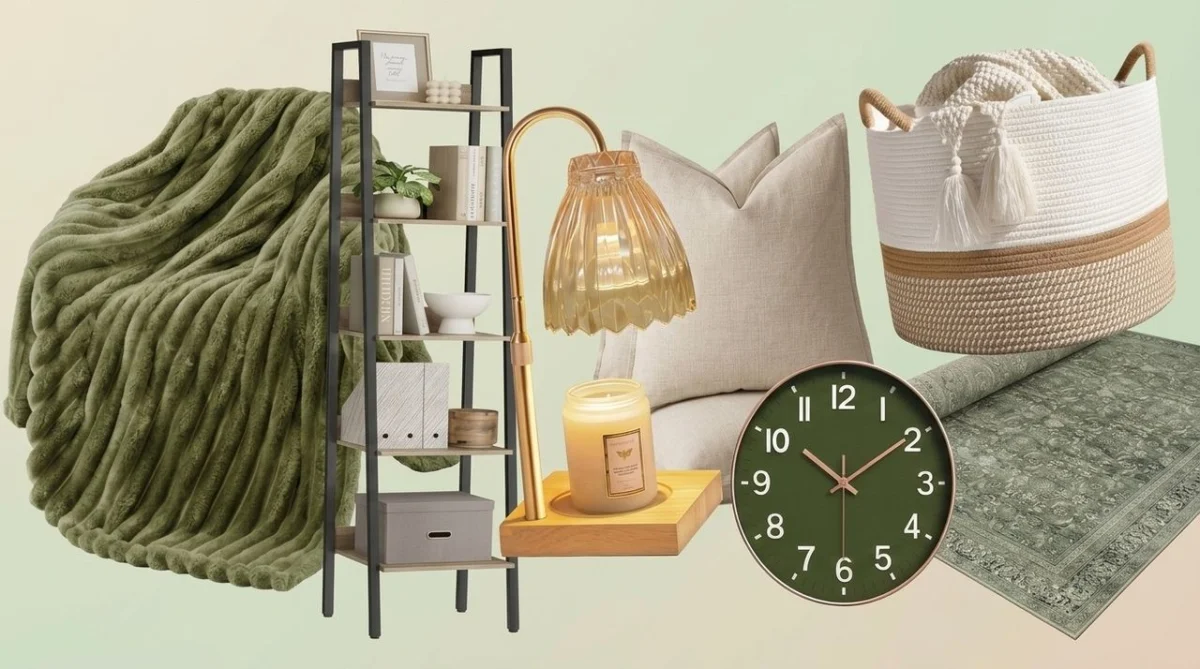
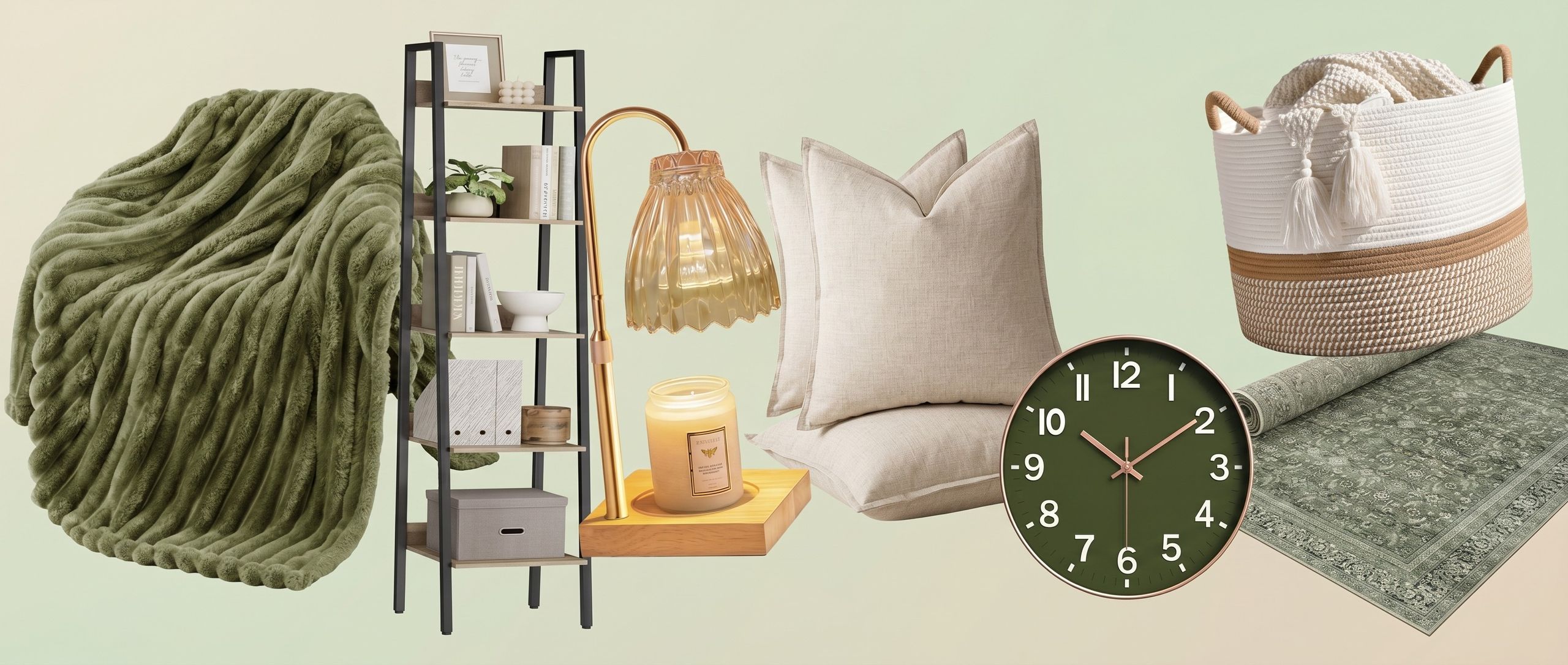
After recently binge-watching Selling Houses Australia, I found myself struck by a familiar, restless urge to overhaul my own living space. While a complete, professional-grade renovation remains a distant dream—often involving luxury investments like the expansive, modular IKEA Jattebo couch—the desire to improve one’s environment does not always require a massive capital injection. By leveraging strategic decor choices, it is entirely possible to achieve a significant stylistic shift with a modest budget. In this instance, I set myself a strict limit of AU$250 to curate a "boho millennial" aesthetic, characterized by a palette of warm beiges and earthy greens.
The Strategy: Aesthetic Cohesion on a Budget
The philosophy behind a budget refresh is simple: high-impact, low-cost accessories. When you cannot replace the "bones" of a room—the flooring, the major furniture, or the lighting fixtures—you must rely on textiles, greenery, and curated decorative objects to change the room’s energy.
For my project, I turned to Amazon, a platform that excels in providing affordable, accessible home goods. By meticulously selecting items that shared a common color story and texture, I was able to compile a list of seven distinct pieces that totaled exactly AU$249.31. This exercise serves as a case study in how intentional shopping can bypass the need for expensive design consultants.
Chronology of the Transformation
The process of a home refresh is rarely a singular event; it is a sequence of decisions. Here is the chronological approach I took to turn a stagnant space into a cohesive, refreshed environment:
Phase 1: The Audit (Days 1–2)
Before purchasing a single item, I conducted an audit of my existing space. I identified "pain points"—areas where clutter had accumulated or where the visual flow felt obstructed. I removed non-essential items that did not fit the desired "boho" theme, creating a blank canvas.
Phase 2: Defining the Palette (Day 3)
The decision to stick to a "beige and green" scheme was not just about personal preference; it was a tactical decision. Neutral, earthy tones are inherently calming and provide a versatile backdrop that allows for future additions. By limiting the color palette, I ensured that every new item I purchased would harmonize with the existing pieces, regardless of the brand or material.
Phase 3: Sourcing and Budgeting (Days 4–7)
Using a digital spreadsheet, I browsed categories including "throw pillows," "minimalist decor," and "artificial greenery." The goal was to reach an aggregate total that stayed within the AU$250 limit. I prioritized items with high user ratings and verified return policies, ensuring the financial risk remained low.
Phase 4: Implementation (The Weekend)
Once the items arrived, the transformation occurred in a single afternoon. By replacing heavy, dark textiles with light, breathable linens and introducing organic shapes through decorative accents, the room’s perceived temperature and atmosphere shifted dramatically.
Supporting Data: The Economics of Small-Scale Renovations
The trend of "micro-renovations" is gaining traction among millennials and Gen Z renters who lack the capital for structural home ownership but possess a strong desire for personal expression. Market data suggests that home decor spending often spikes when individuals feel a lack of control over larger life factors.
According to retail analytics, the "home sanctuary" movement—which focuses on optimizing small spaces for mental well-being—has seen a 15% year-over-year increase in searches for "boho decor" and "neutral home aesthetic." The economic implication is clear: consumers are increasingly seeking "affordable luxury." Retailers like Amazon have responded by expanding their private-label home lines, which offer the look of high-end design at a fraction of the cost. By curating sets of items, consumers can achieve a "designed" look without the premium associated with bespoke boutique items.
Professional Perspectives and Industry Shifts
Interior designers often argue that the most successful rooms are not those filled with the most expensive items, but those that follow the "80/20 rule." In this context, 80% of the room should consist of neutral, timeless basics, while 20% should consist of high-impact, trend-driven pieces that are easy to replace.
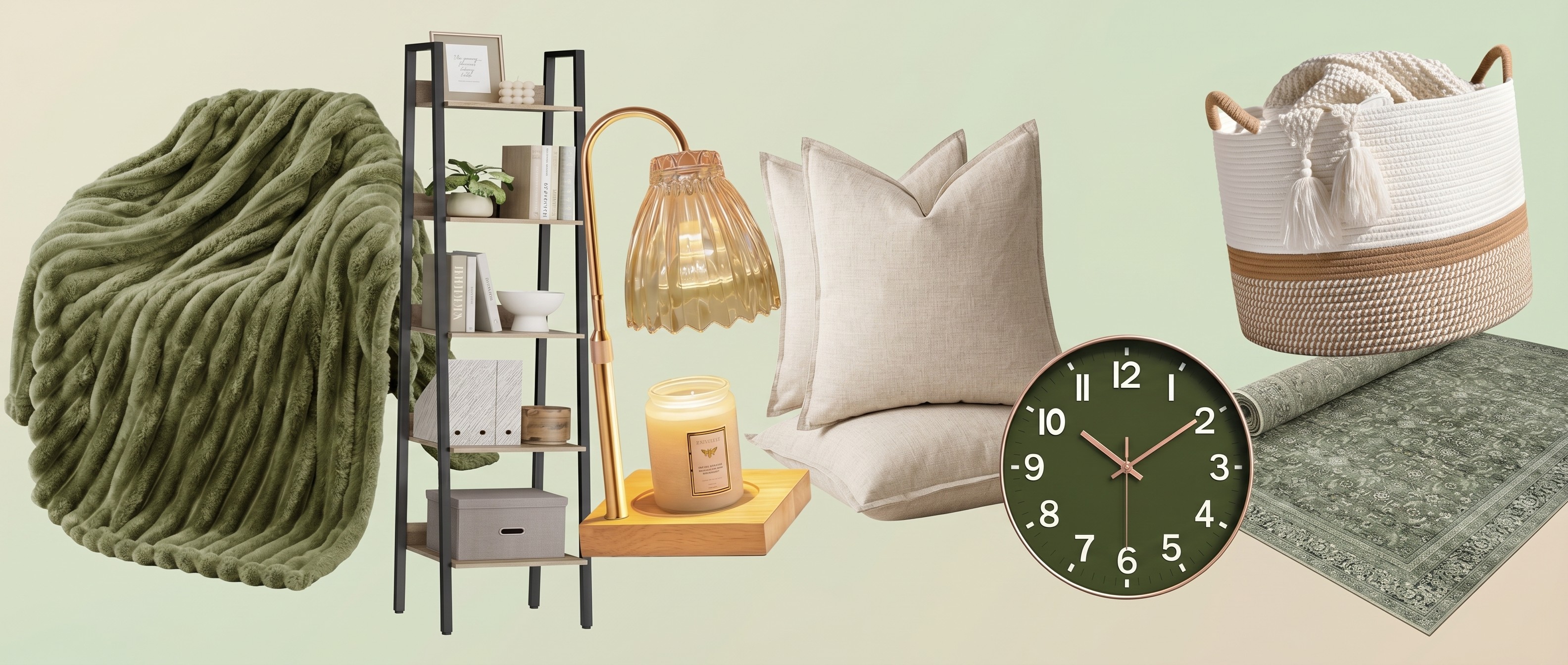
When asked about the rise of DIY styling, professional designers note that the democratization of design through social media has empowered homeowners. "The barrier to entry is lower than ever," says one industry expert. "You don’t need a massive budget to create a space that feels curated. You need an eye for scale, light, and color." The shift toward earthy tones like sage, olive, and cream is part of a broader trend toward "biophilic design"—the integration of nature into indoor spaces to reduce stress and improve productivity.
Implications for the Modern Homeowner
The implications of a budget-conscious refresh extend beyond the visual appeal. There is a psychological benefit to maintaining an organized, aesthetically pleasing environment. Studies have consistently shown that our physical surroundings directly impact our cognitive load and emotional state.
- Mental Clarity: A decluttered, styled space reduces the "visual noise" that can lead to anxiety.
- Increased Utility: By organizing a living room with intentional decor (such as storage-focused aesthetics), the room becomes more functional.
- Financial Discipline: Proving to oneself that a significant change can be achieved with a strict budget of AU$250 builds confidence and prevents "lifestyle creep."
Furthermore, this approach promotes sustainability. By choosing to update existing furniture with new accessories rather than replacing the furniture entirely, homeowners reduce their environmental footprint and discourage the "fast furniture" cycle that contributes to massive landfill waste annually.
Conclusion: Designing for the Self
My AU$250 living room project was a reminder that design is a personal journey, not a static destination. By drawing inspiration from the high-production values of television shows and scaling them down to fit the reality of a modest budget, I was able to create a space that feels authentic to my needs.
Whether you are inspired by the minimalist lines of Scandinavian design or the warm, textures of a boho-inspired room, the principles remain the same: identify your constraints, define your palette, and focus on the details that bring you joy. As the world of home renovation continues to evolve, it is reassuring to know that style remains accessible to everyone—one Amazon package at a time.
For those looking to start their own journey, remember: the most expensive element of design is not the product itself, but the thought and intention you pour into the space. Start small, stay within your means, and allow your home to grow and evolve alongside you.












No comments yet. Be the first to join the conversation!