

By Editorial Staff
May 22, 2026
In an industry governed by the relentless machinery of content cycles, multi-picture franchise contracts, and the constant pressure to remain "relevant" through social media presence, the concept of the working actor has evolved. While the vast majority of performers must navigate the precarious nature of the gig economy—often accepting roles to pay the bills and keep their union insurance active—a select echelon of Hollywood royalty has bucked the trend.
These actors have shifted the paradigm from quantity to quality, treating their filmographies as curated galleries rather than dumping grounds for commercial output. By prioritizing artistic challenge over box-office frequency, these 14 performers have redefined what it means to be a "movie star" in the 21st century.
The Philosophy of Selective Stardom
The decision to limit one’s output is a high-stakes gamble. In Hollywood, "out of sight, out of mind" is a persistent fear for many. However, for the actors profiled here, the risk of fading into the background is superseded by the desire to maintain the integrity of their craft. This strategy is not merely about exclusivity; it is about the "prestige gap"—the ability to command audience attention precisely because the audience knows that when these actors appear on screen, the material is likely to be worth the price of admission.

Chronology: A Shift in Industry Dynamics
Historically, the "Golden Age" of Hollywood was defined by studio contracts that kept actors in a state of perpetual motion, churned out in three or four films a year. The shift toward the "Selective Model" began to gain real traction in the late 1980s and 90s, as independent cinema began to rival major studio output in prestige. Actors realized that by pacing their releases, they could avoid audience fatigue—a phenomenon where even the most beloved stars lose their luster due to overexposure.
Profiles in Artistic Integrity
The Titans of Method and Intent
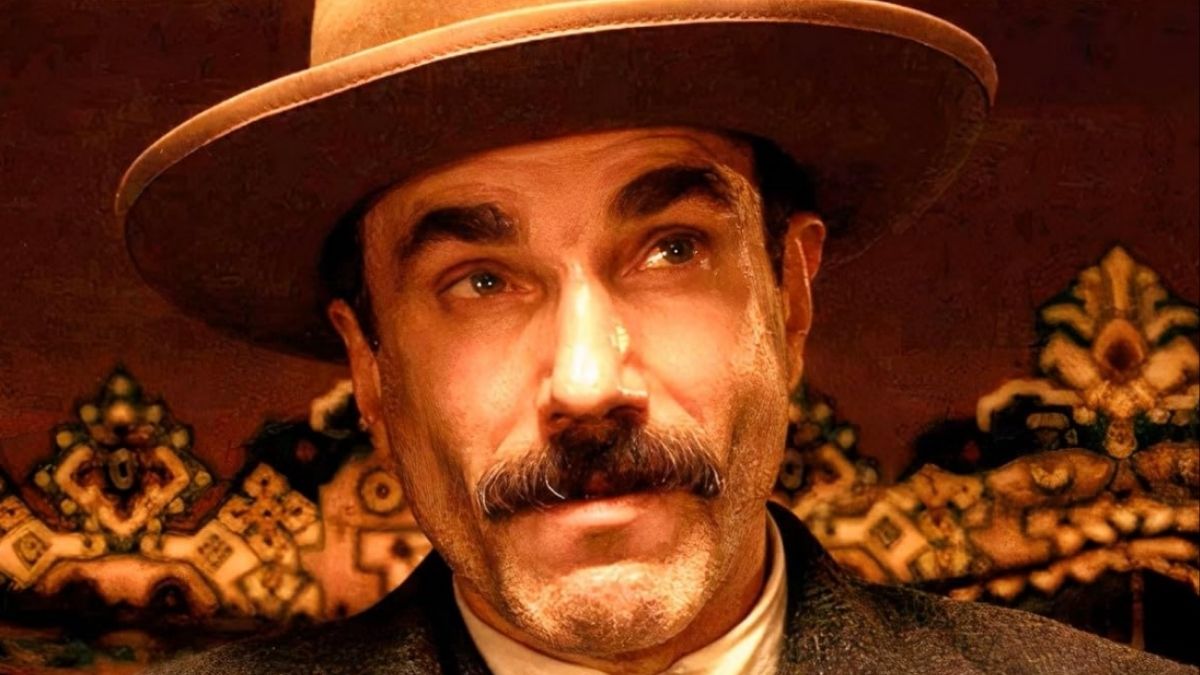
Daniel Day-Lewis serves as the gold standard for this approach. His multi-year hiatuses between projects became the stuff of legend, turning each new film into a global cinematic event. By refusing to work unless the material demanded his full transformation, he cemented his status as perhaps the greatest actor of his generation.
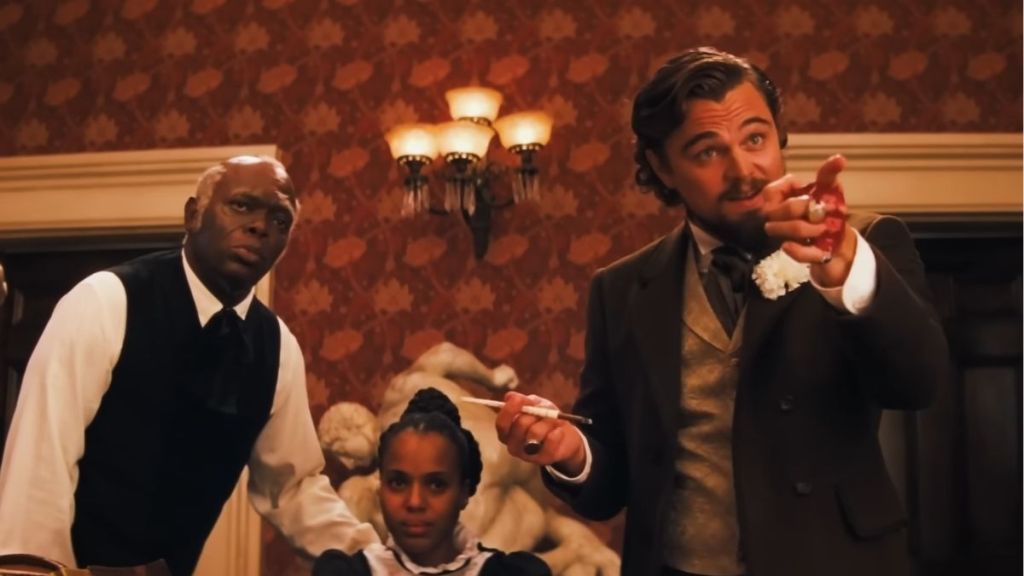
Similarly, Leonardo DiCaprio transformed his post-Titanic fame into a shield for artistic autonomy. Rather than chasing the standard blockbuster paycheck, he aligned himself exclusively with auteur directors like Martin Scorsese and Christopher Nolan. His filmography reflects a decade-long commitment to high-stakes, prestige storytelling that commands critical respect rather than mere box-office dominance.
The Masters of Balance
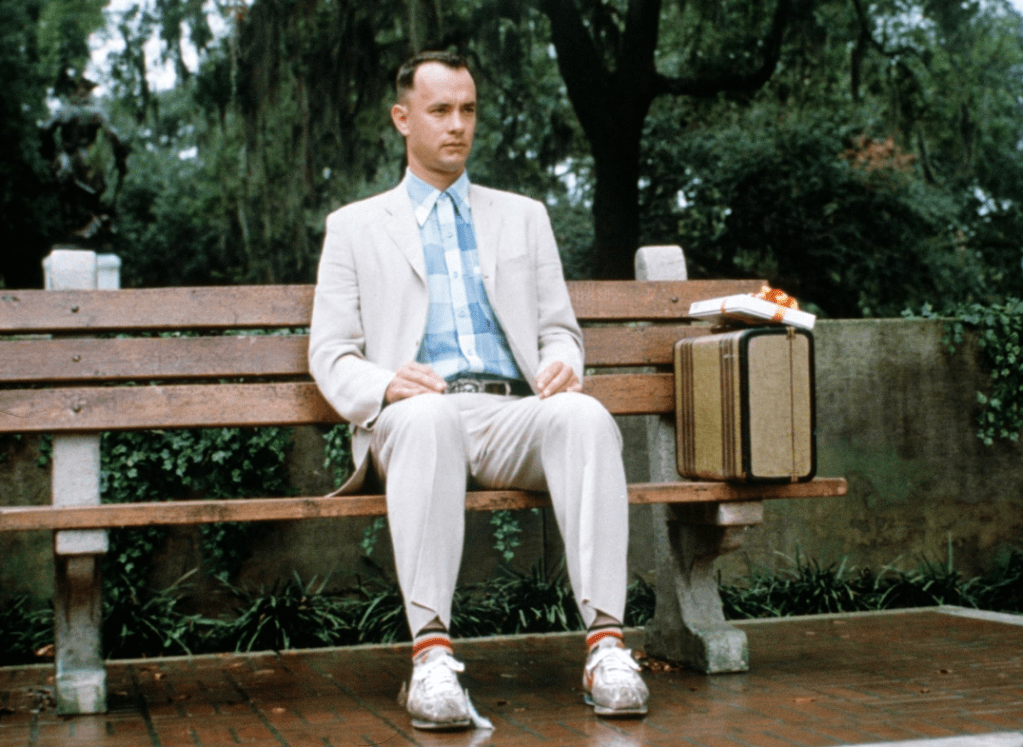
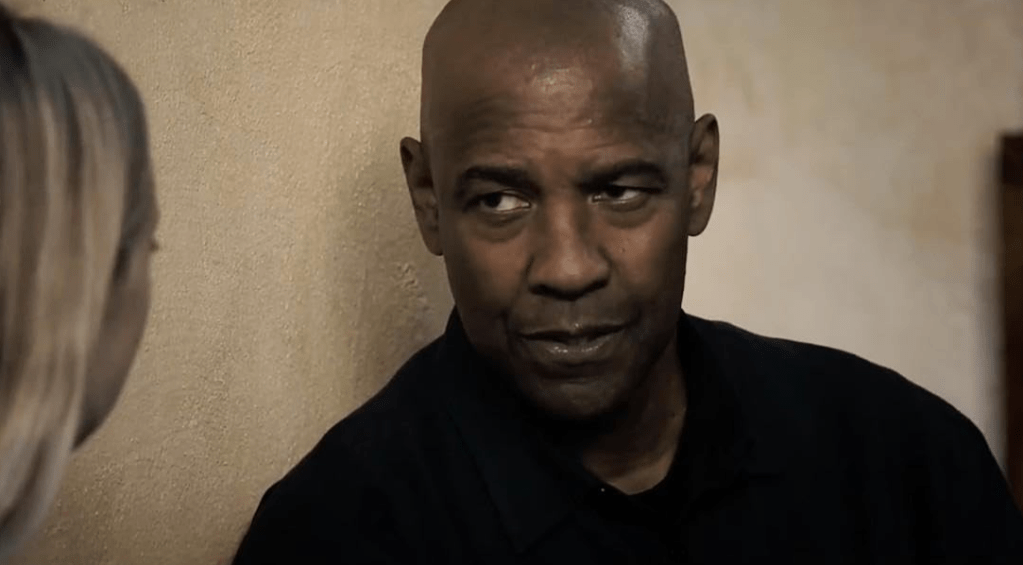
Tom Hanks and Denzel Washington represent a different facet of this philosophy: the "Careful Architect." Both men are undeniably commercial titans, yet they have managed to avoid the trap of oversaturation. By balancing mainstream appeal with periodic, challenging character studies, they have maintained a level of public affection and critical acclaim that has lasted for over four decades.
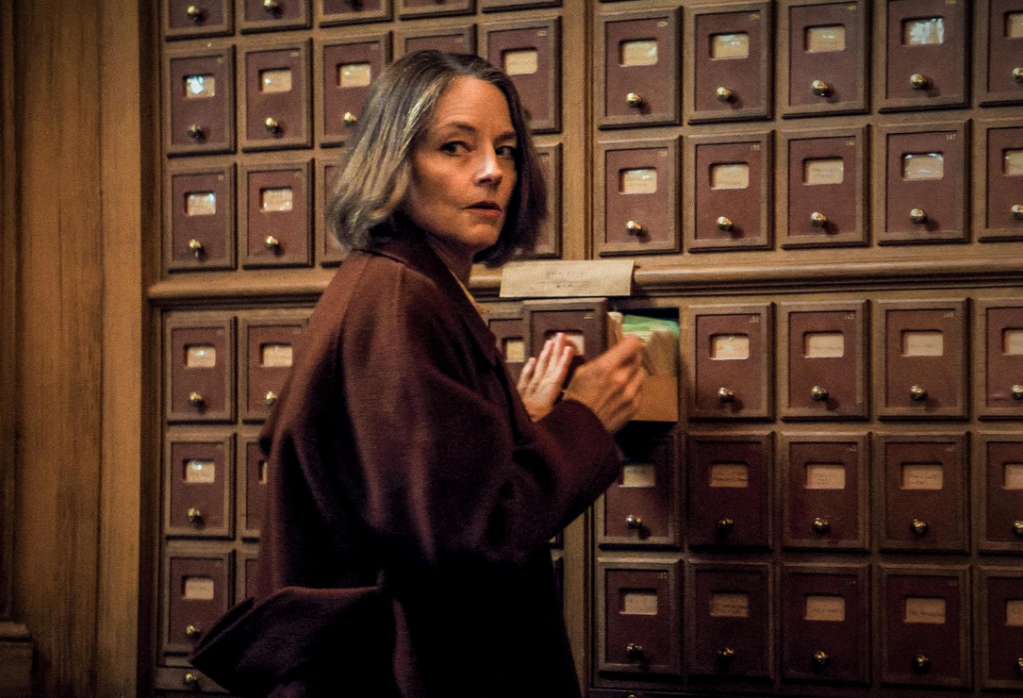
Jodie Foster provides a compelling case for the "Director’s Pivot." Throughout her career, she has frequently stepped away from the spotlight, opting to either direct or live outside the Hollywood ecosystem. Her selectivity ensures that her rare appearances are greeted with heightened anticipation.
The Character-Driven Pioneers
Actors like Frances McDormand, Philip Seymour Hoffman, and Tilda Swinton have carved out a space in the industry where the "character" is the primary draw.
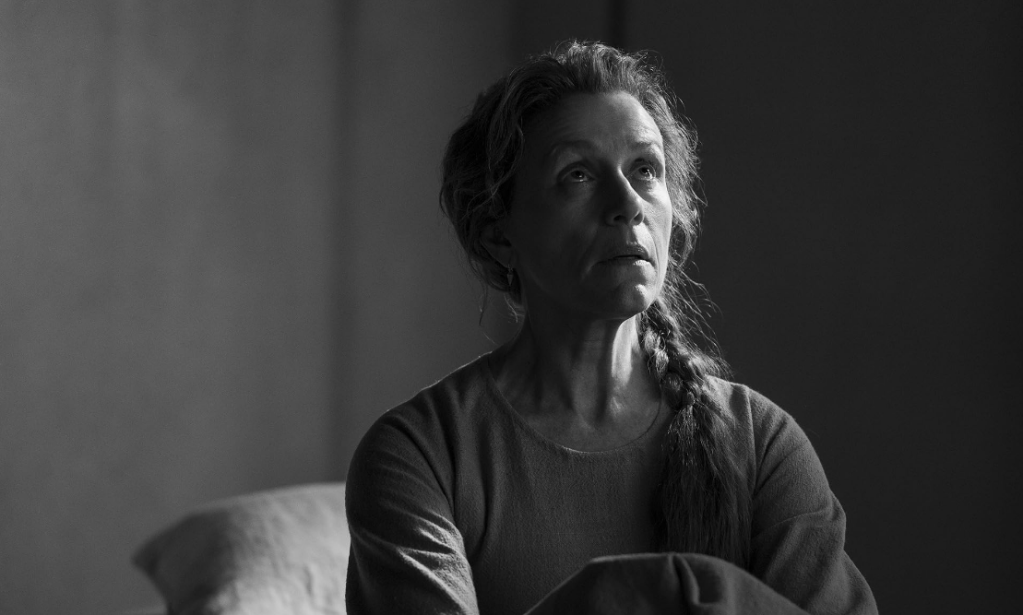
- McDormand has consistently favored unusual, indie-centric scripts that challenge the standard Hollywood narrative.
- Swinton has effectively turned the concept of a "movie star" on its head, frequently appearing in art-house projects that prioritize experimental storytelling over traditional stardom.
- Hoffman, prior to his passing, stood as a pillar of integrity, rarely choosing a role that didn’t demand an immense level of emotional and psychological heavy lifting.
Supporting Data: The ROI of Scarcity
While it is difficult to quantify the monetary value of "prestige," the data suggests that these actors enjoy a higher "longevity coefficient." Studios are often willing to pay a premium for actors who are perceived as "event" performers.
According to industry analysts, actors who maintain a gap of at least 18 to 24 months between major projects often see a higher average critical rating on platforms like Rotten Tomatoes and Metacritic. Furthermore, the longevity of these careers—spanning decades—suggests that the "quality over quantity" approach prevents the brand degradation that occurs when a star appears in back-to-back critically panned films.
Official Perspectives and Industry Reception
In recent industry roundtables, several high-profile agents have noted a shift in how talent is managed. "Ten years ago, the goal was to keep the phone ringing every single day," says one talent representative from a top-tier agency. "Today, we advise our top-tier clients to treat their careers like a stock portfolio. You don’t want to over-leverage your public image. You want to save your ‘capital’ for the projects that will define your legacy."
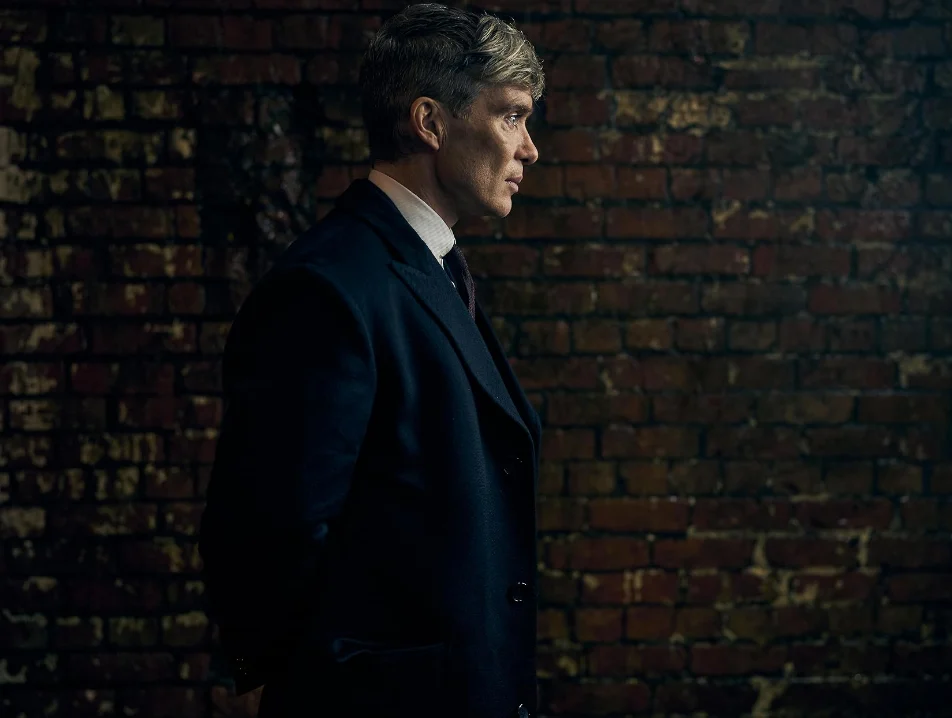
This sentiment is echoed by the actors themselves. In various press junkets, Cillian Murphy has frequently remarked on the necessity of "stepping away" to replenish the well. "If you are constantly performing, you aren’t living," Murphy stated during a 2024 retrospective. "And if you aren’t living, you have nothing to bring back to the work."
Implications for the Future of Cinema
The rise of the "Selective Actor" model has profound implications for the film industry:
- The Decline of the "Movie Star" as a Commodity: We are seeing the death of the actor as a mere "asset" for a studio. Instead, the actor is becoming a "brand manager" of their own artistic output.
- The Rise of the Auteur-Actor Alliance: We are witnessing more frequent, long-term collaborations. When actors like Cate Blanchett or Viggo Mortensen choose a director, they often commit to a vision rather than a contract.
- Audience Sophistication: The audience is becoming increasingly adept at spotting "phoned-in" performances. As viewers have access to more content than ever before, they are gravitating toward actors who show visible passion and selectivity.
A Legacy of Choice
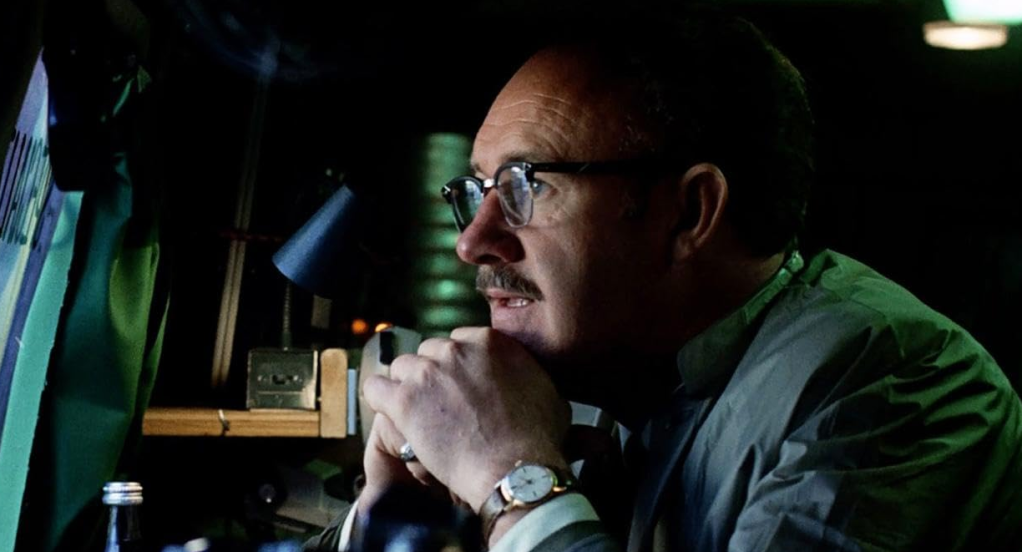
As Gene Hackman demonstrated through his transition into retirement—leaving behind a career that was entirely defined by excellence rather than exhaustion—the final act of a selective actor is often the most powerful. By choosing to step away on their own terms, these performers ensure that their legacy is not diluted by the inevitable decline of a career stretched too thin.
In conclusion, the 14 actors highlighted here—from the transformative intensity of Daniel Day-Lewis to the enigmatic, genre-bending choices of Tilda Swinton—serve as a reminder that in an age of infinite content, the most valuable commodity remains silence. By knowing when to say "no," they ensure that when they finally say "yes," the world is ready to listen.
Summary Table: The Selective Roster
| Actor | Primary Strategy | Impact |
|---|---|---|
| Daniel Day-Lewis | Multi-year Hiatuses | Unmatched critical acclaim |
| Leonardo DiCaprio | Auteur-driven curation | Long-term cultural relevance |
| Tom Hanks | Balancing mainstream/indie | Mass appeal with high prestige |
| Jodie Foster | Directorial transition | Sustained career longevity |
| Denzel Washington | Character-driven focus | Consistent industry authority |
| Frances McDormand | Indie-first prioritization | Respected artistic integrity |
| Gene Hackman | Early retirement/curation | Legacy-focused filmography |
| Michelle Pfeiffer | Strategic absence | Curated, high-value brand |
| Cate Blanchett | Multi-platform versatility | Reputation for excellence |
| Cillian Murphy | Anti-celebrity approach | High-impact leading roles |
| Amy Adams | Selective drama focus | Recognition for emotional depth |
| Philip Seymour Hoffman | Challenging material | Modern master status |
| Tilda Swinton | Art-house eccentricity | Global auteur status |
| Viggo Mortensen | Post-franchise independence | Uncompromising artistic freedom |
As the industry continues to evolve, the path forged by these individuals serves as a beacon for the next generation of actors: the most powerful tool in a performer’s kit is not their voice, but their ability to say "no" to everything except the truth.











No comments yet. Be the first to join the conversation!