

Introduction: A Culinary Clash of East and West
In the sweltering humidity of a Japanese summer, the nation turns its collective appetite toward a singular, energy-boosting delicacy: unagi, or freshwater eel. This tradition, deeply rooted in the midsummer "Day of the Ox" (Doyo no Ushi no Hi), serves as a seasonal mandate to combat the fatigue brought on by the relentless heat. While traditionalists flock to specialized unagi restaurants for bowls of grilled eel atop white rice, a creative bakery in Kochi Prefecture has decided to challenge the status quo.
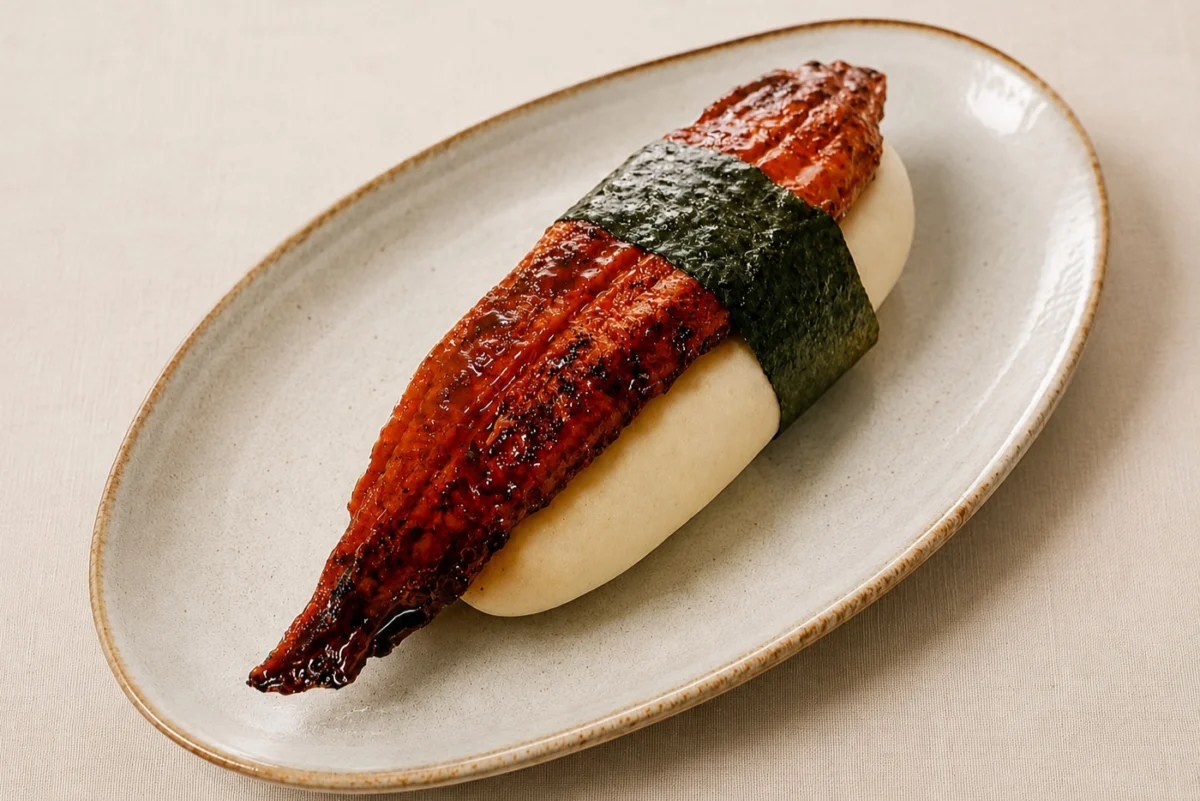
Komi Bakery has unveiled the "Super! Eel Bread," a product that sits at the curious intersection of artisanal baking and high-end gastronomy. By wrapping a full, charcoal-grilled eel around a soft, pillowy bread roll and securing it with a strip of savory nori seaweed, the bakery has sparked a national conversation about how traditional foodways can adapt to modern, whimsical sensibilities.
The Main Facts: Anatomy of the "Super! Eel Bread"
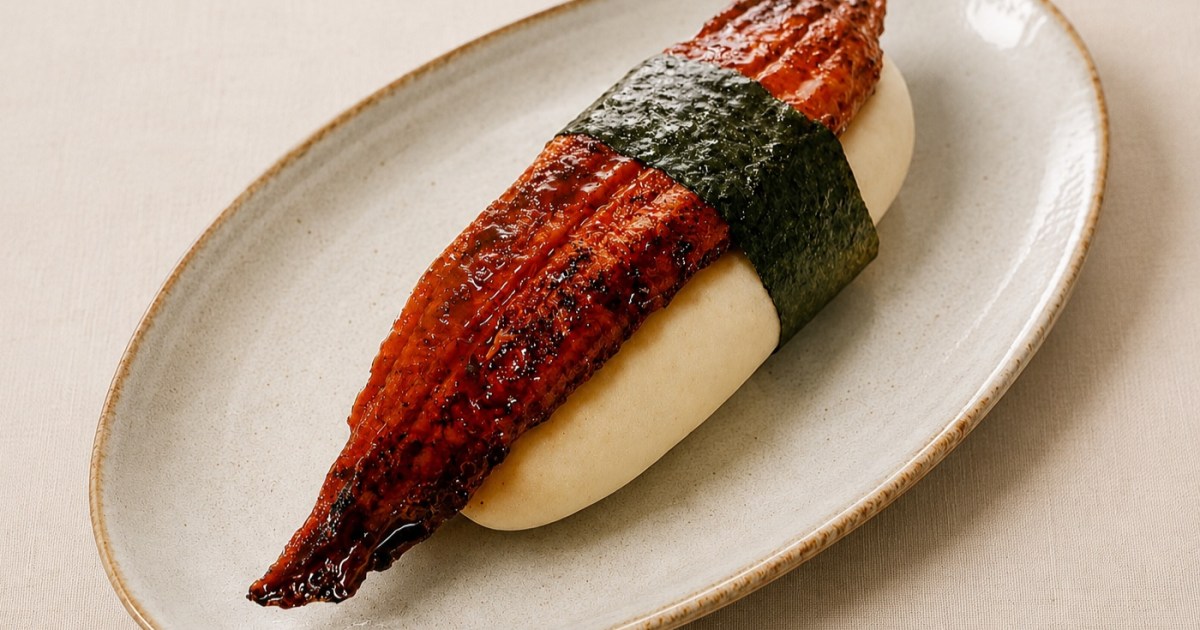
At first glance, the "Super! Eel Bread" is a visual paradox. It mimics the aesthetic of high-end nigiri sushi, yet its structural foundation is a freshly baked loaf. The product is not merely a novelty; it is a serious culinary endeavor.
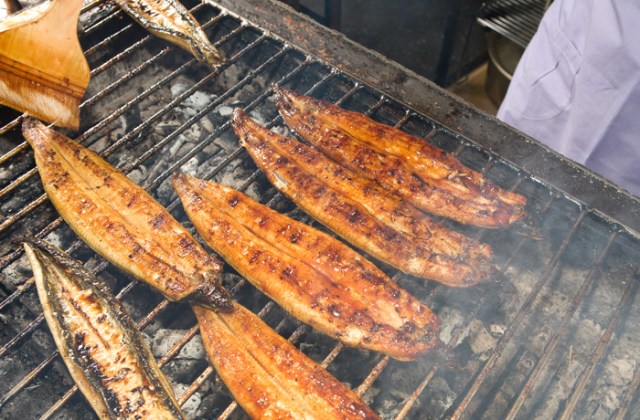
The centerpiece is a high-quality, locally sourced eel, prepared in the traditional kabayaki style—dipped in a sweet, savory soy-based glaze and grilled over charcoal. The execution of this preparation is handled by Kitahama Shoten, a venerable establishment boasting over 85 years of expertise in the craft of eel preparation.
The bread itself serves as a neutral, fluffy canvas designed to absorb the rich, smoky flavors of the kabayaki sauce. The addition of the nori strip is a stroke of genius, providing the necessary oceanic salinity to bridge the gap between the bready base and the fatty, decadent fish. Priced at 2,500 yen (approximately $15.73) for in-store purchase and 3,500 yen for online orders including delivery, the item is positioned as a premium seasonal luxury rather than a casual snack.
A Three-Year Chronology: From Concept to Crust
The path to the "Super! Eel Bread" was not an overnight success; it was the result of a rigorous three-year research and development cycle.
- 2023: The Incubation Phase. Kazuto Nishiyama, the Head of Bread and Sandwich Production at Komi Bakery, first proposed the concept. The objective was clear: to find a way for a bakery to participate in the culturally significant Doyo no Ushi no Hi without losing the identity of the store.
- 2024: Prototyping and Sourcing. The team spent months experimenting with different dough compositions. A standard baguette was too tough, and a brioche was too sweet. The goal was a bread that could withstand the moisture of the eel sauce without becoming soggy. Simultaneously, the partnership with Kitahama Shoten was solidified to ensure the quality of the eel matched the bakery’s standards.
- 2025: Refinement. The final year focused on the structural integrity of the "sushi-style" wrapping. Ensuring that the eel remained tender while the bread maintained its crumb structure required precise temperature control during the final assembly.
- 2026: The Launch. Following the successful internal testing, the bakery announced a limited release window (May 21–23) to gauge public interest ahead of the official July 26 Doyo no Ushi no Hi date.
Supporting Data: Why Eel Matters in Summer
The cultural weight of the "Day of the Ox" cannot be overstated. In Japan, the belief that consuming energy-rich foods during the hottest period of the year prevents natsu-bate (summer heat fatigue) is a pillar of health culture.
Nutritional Profile of Unagi
Eel is prized for its high levels of Vitamin A, Vitamin E, and omega-3 fatty acids. These nutrients are traditionally believed to fortify the body against the depletion caused by perspiration and lack of appetite during the peak of summer. By combining this high-protein fish with carbohydrates, Komi Bakery has essentially created a "super-sandwich" that aligns perfectly with the nutritional logic of the Doyo no Ushi no Hi tradition.
Market Trends
The Japanese retail market for unagi is highly competitive. With major supermarkets and convenience stores flooding the market with mass-produced eel sets in late July, small, independent businesses like Komi Bakery are often squeezed out. This move represents a strategic pivot: by "baking" the eel into the tradition, they have successfully differentiated their brand in a saturated market.
Official Responses and Creative Vision
Kazuto Nishiyama, the architect of this culinary experiment, has been vocal about the philosophy driving the product. "Our goal was never to replace the traditional unagi-don," Nishiyama stated in a recent press release. "Rather, we wanted to honor the history of our region while showcasing the versatility of our bakery’s craft."
The collaboration with Kitahama Shoten has been described by both parties as a marriage of two distinct local industries. For the bakery, it is about supporting local supply chains; for the eel shop, it is a way to reach a demographic that might not usually visit an eel specialty restaurant.
Local food critics in Kochi have largely praised the endeavor, noting that while the combination sounds "weird" on paper, the flavor profile is remarkably balanced. The sweetness of the kabayaki sauce acts as a bridge, making the transition from the savory, fatty eel to the neutral dough seamless.
Implications: The Future of Traditional Fusion
The success of the "Super! Eel Bread" carries significant implications for regional Japanese food businesses.
1. The Survival of Small Businesses
In rural prefectures like Kochi, aging populations and shrinking consumer bases threaten the survival of traditional craft shops. By creating cross-industry collaborations, shops like Komi Bakery and Kitahama Shoten are effectively "future-proofing" their businesses. By modernizing their offerings, they attract younger consumers who are more likely to share these unique experiences on social media.
2. The Gamification of Culinary Tradition
We are witnessing a shift where traditional festivals are being "gamified." Consumers are no longer just looking for the best bowl of eel; they are looking for the most interesting or "viral" way to observe the tradition. This encourages a cycle of innovation that keeps cultural events relevant in a rapidly changing, globalized world.
3. Regional Revitalization
Komi Bakery’s commitment to using locally sourced ingredients is a cornerstone of the "Chisan-Chisho" (local production for local consumption) movement. When a product like the "Super! Eel Bread" gains national attention, it brings tourism and economic interest to the prefecture. The bakery has already signaled its intent to continue this model, hinting at future seasonal releases that will feature other regional specialties.
Conclusion: A Bold Step Forward
As the mercury rises toward the July 26th Doyo no Ushi no Hi, the "Super! Eel Bread" stands as a testament to the power of creativity. It is a reminder that tradition is not a static set of rules to be followed, but a living, breathing entity that can be shaped, molded, and—in this case—baked.
For those skeptical of the pairing, the bakery’s approach is a challenge to the palate. For those who embrace it, it is a delicious, high-energy fuel for the summer ahead. Whether this becomes a permanent fixture in the Japanese summer calendar or remains a brilliant one-off experiment, one thing is certain: the residents of Kochi have proven that when it comes to culinary heritage, the only limit is the imagination of the baker.
Reservations for the July 26th release are currently being accepted, and given the labor-intensive nature of the production, the bakery expects to reach full capacity well before the date. It is a small, flour-dusted, eel-topped step into the future of Japanese food culture.












No comments yet. Be the first to join the conversation!