Jia Lissa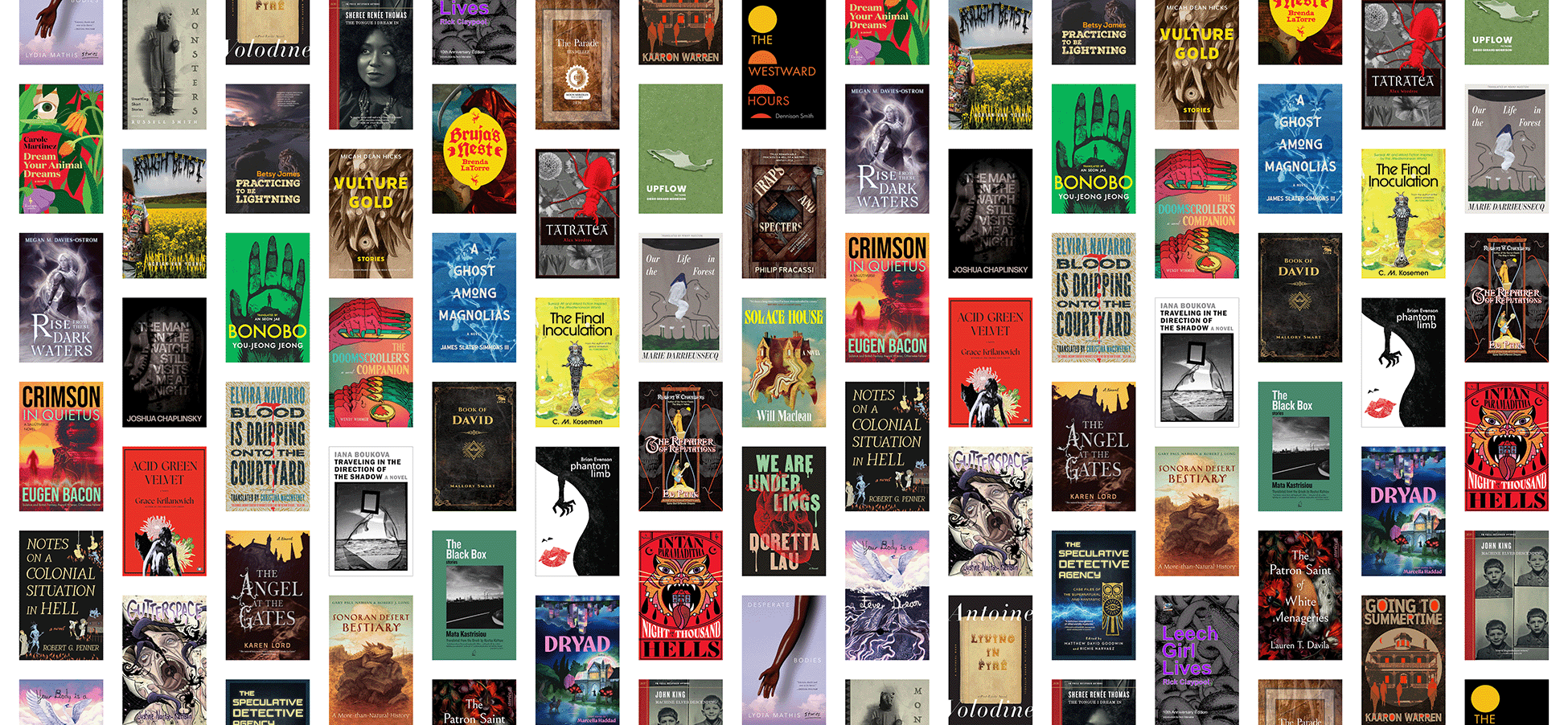
As the calendar turns toward the final quarter of the year, the literary landscape—particularly within the independent publishing sector—begins to swell with an unmistakable surge of creative energy. For the past several years, keen observers of the book industry have noted a distinct trend: the months of September and October act as a massive bottleneck for indie presses, resulting in a dense, high-quality concentration of new releases that far outstrips the remainder of the year.
This phenomenon is not merely accidental. It is a strategic, industry-wide maneuver that leverages the growing consumer appetite for "uncanny" fiction—horror, surrealism, and speculative literature—perfectly timed for the Halloween season. As we look ahead to the fall of 2026, it is clear that this tradition is not only holding steady but accelerating. This season’s crop of titles represents a daring cross-section of global voices, experimental structures, and thematic depth. To navigate this dense release schedule, we have organized this preview into thematic groups inspired by the iconic album releases of 1997, a year that, much like our current literary moment, was defined by a shift toward the introspective, the experimental, and the haunting.
The Landscape of the Indie Press: A Structural Overview
Independent presses have increasingly become the primary incubators for speculative fiction. Unlike their corporate counterparts, which often prioritize market-tested formulas, indie publishers such as Meerkat Press, PM Press, and Creature Publishing are taking substantial risks on metaphysical sagas, body horror, and hybrid genres.
The primary driver for this autumn surge is the "Halloween Effect." Scheduling a horror or surrealist novel for an October release is a savvy piece of logistical planning. It aligns the book’s promotional cycle with the cultural zeitgeist, where readers are inherently more open to the macabre and the supernatural. However, this year’s output goes beyond simple genre tropes; it reflects a broader engagement with societal anxieties—climate change, digital alienation, and the lingering scars of colonial history.
Chronological Highlights: A Roadmap for Readers
The release schedule for September and October 2026 is robust, featuring a diverse array of voices. Below is a thematic breakdown of the most anticipated titles hitting shelves.
Blue Sky On Mars: Metaphysical Frontiers
The theme of expansive, otherworldly settings dominates early autumn.
- Eugen Bacon’s Crimson in Quietus (Meerkat Press, Sept. 2026) leads the charge. Returning to the "Sauétiverse," Bacon delivers a futuristic mystery where sound possesses physical, forceful properties. Publishers Weekly has already lauded the work as a "smart, metaphysical Afrofuturist saga."
- Megan M. Davies-Ostrom’s Rise From These Dark Waters (Bad Hand Books, Oct. 20, 2026) offers a grounded approach to fantasy, utilizing mystical diplomacy to explore the aftermath of a world-altering plague.
- C.M. Kosemen’s The Final Inoculation (Wilton Square Press, Oct. 2026) rounds out this section. Known for his work on speculative evolution, Kosemen presents a fusion of surreal art and Mediterranean-inspired weird fiction, promising a heady, dreamlike experience.
Fake Can Be Just As Good: Digital Existentialism
The boundary between our physical lives and digital personas is becoming increasingly blurred, a theme explored with biting intensity this year.
- Justine Norton-Kertson’s Gutterspace (Stars and Sabers, Oct. 13, 2026) explores the "gutter"—the space between panels on a comic book page—as a literal location for a sinister entity hunting in Portland, Oregon. It serves as a meta-commentary on the mid-century moral panic surrounding comics.
- Wendy Wimmer’s The Doomscroller’s Companion (University of Wisconsin Press, Oct. 2026) provides a visceral look at digital life. Set against the backdrop of a global pandemic, the novel tracks a couple whose online doomscrolling transitions from a habit to a survival mechanism.
Ladies and Gentlemen We Are Floating in Space: Dreamscapes and Surrealism
- Mata Kastrisiou’s The Black Box (ARB Editions, Sept. 1, 2026) uses translation (by Kostas Kaltsas) to bridge the gap between Earth and the void, emphasizing shifts in reality and perspective.
- John King’s Machine Elves Descending (PM Press, Oct. 6, 2026) highlights the author’s versatility, moving away from his famous "Football Factory" grit toward the surreal and the speculative.
Let’s Talk About Love: The Uncanny and the Intimate
- Elvira Navarro’s Blood Is Dripping Onto the Courtyard (Two Lines Press, Sept. 22, 2026) is a visual and narrative triumph. With an introduction by Sarah Rose Etter, this collection of uncanny tales is as aesthetically striking as it is unsettling.
- Mallory Smart’s Book of David (House of Vlad, Oct. 2026) cements the author’s reputation as a master of Midwestern horror, fully immersing the reader in a landscape of atmospheric dread.
Supporting Data: Why Indie Presses Are Winning
The rise of these publishers is not happenstance. Data from the Independent Book Review and other industry trackers indicate that while mid-list fiction in corporate publishing continues to struggle, independent literary presses are seeing a 15–20% increase in pre-order activity for speculative titles.
This trend is driven by several factors:
- Niche Communities: Indie presses are better at leveraging social media and direct-to-consumer platforms (like Substack and Bluesky) to cultivate loyal, highly engaged reader bases.
- Design Quality: As seen with titles like Blood Is Dripping Onto the Courtyard and Micah Dean Hicks’ Vulture Gold, indie presses are investing heavily in high-concept cover art, which performs exceptionally well on visual platforms like Instagram and TikTok.
- Cross-Pollination: Many of these authors, such as Sheree Renée Thomas and Brian Evenson, are cross-disciplinary, moving between editing, poetry, and fiction, which helps to unify different literary demographics.
Official Responses and Industry Sentiment
Editors and publishers involved in this autumn’s release schedule emphasize a common goal: the desire to push the boundaries of what fiction can do. "We aren’t looking for the next bestseller in the traditional sense," notes one editor at a leading independent house. "We are looking for books that change the frequency at which the reader vibrates. The goal is to unsettle, to provoke, and to offer something that isn’t available in the algorithm-driven aisles of a big-box store."
There is also a palpable sense of community. The collaborative nature of the "Outspoken Authors" series by PM Press or the curated anthologies like Monsters: Unsettling Short Stories (Rare Machine, Oct. 13, 2026) proves that independent presses view themselves as part of an ecosystem rather than competitors. By sharing contributors and promoting one another’s work, they create a stronger front against the homogenization of the literary market.
Implications: The Future of Speculative Fiction
What does this surge mean for the future of the publishing industry? We are witnessing a fundamental shift in how "serious" literature is defined. For decades, speculative, horror, and weird fiction were relegated to the "genre" bin, often dismissed by academic and critical institutions. That barrier has effectively collapsed.
Titles such as Robert G. Penner’s Notes on a Colonial Situation in Hell (McNally Editions, Sept. 22, 2026) and Alex Woodroe’s Tatratea (CLASH Books, Oct. 20, 2026) demonstrate that speculative frameworks are the most effective tools we have for dissecting complex modern realities—from the horrors of imperial legacy to the ecological anxiety of the post-apocalyptic age.
Furthermore, the success of these books implies that the "middle-class" reader is ready for more experimentation. The appetite for linear, realist narratives is being challenged by a desire for stories that mirror the fragmented, often terrifying nature of 21st-century life.
As we approach the end of 2026, the message from the independent sector is clear: the most interesting things are happening on the margins. Whether you are looking for a haunt-filled journey through a haunted house in Solace House (Grove Press, Oct. 13, 2026) or a meditation on human consciousness via the body of a bonobo in Bonobo (Creature Publishing, Sept. 1, 2026), the upcoming fall season offers a map of the uncanny that is as rewarding as it is challenging. For the reader, the task is simple: step into the gutter, open the black box, and prepare to be unsettled. The autumn of 2026 is poised to be a watershed moment for the weird, the wonderful, and the truly independent.

 Pevita Pearce
 Rifan Muazin