Asep Darmawan
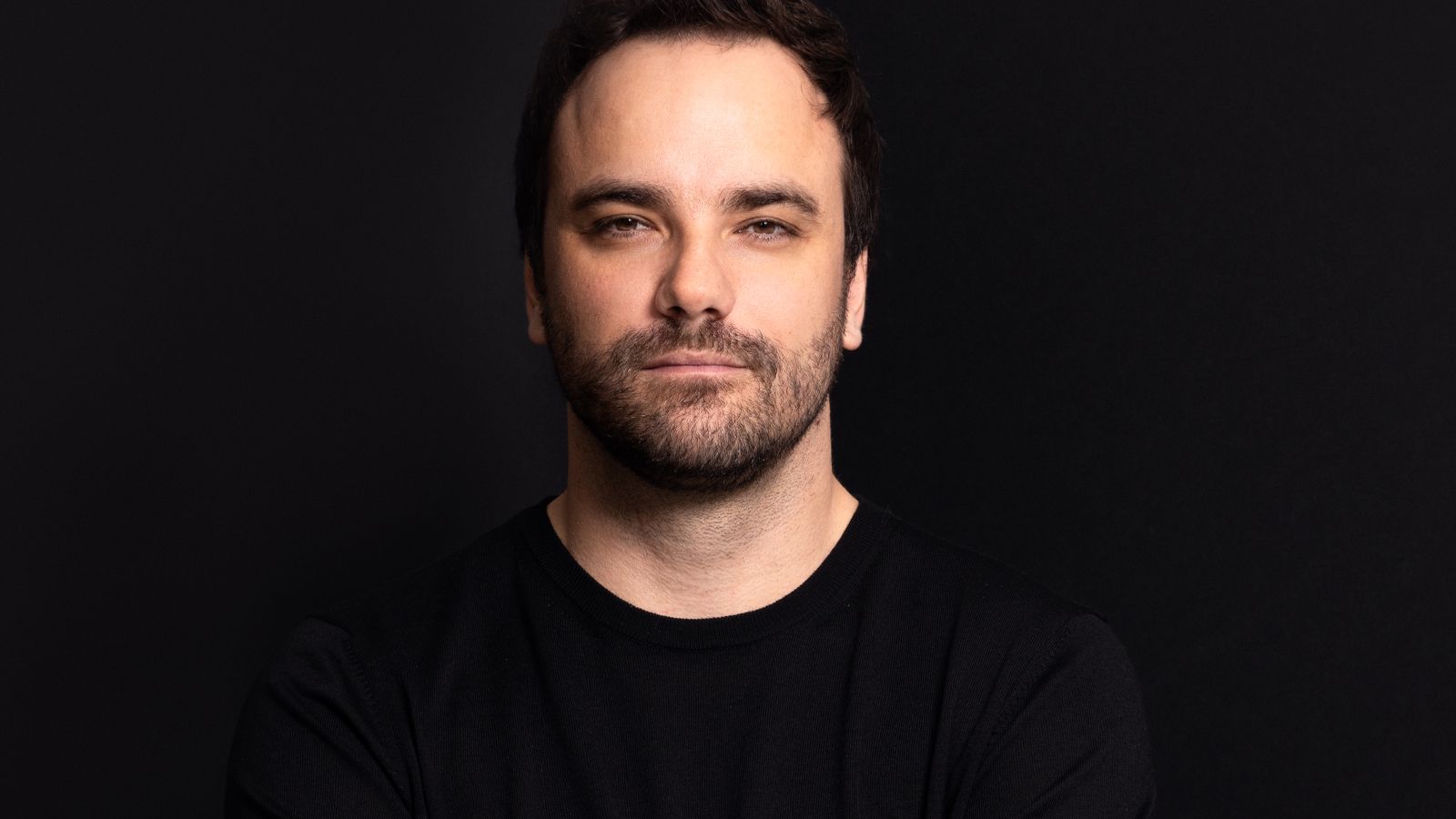
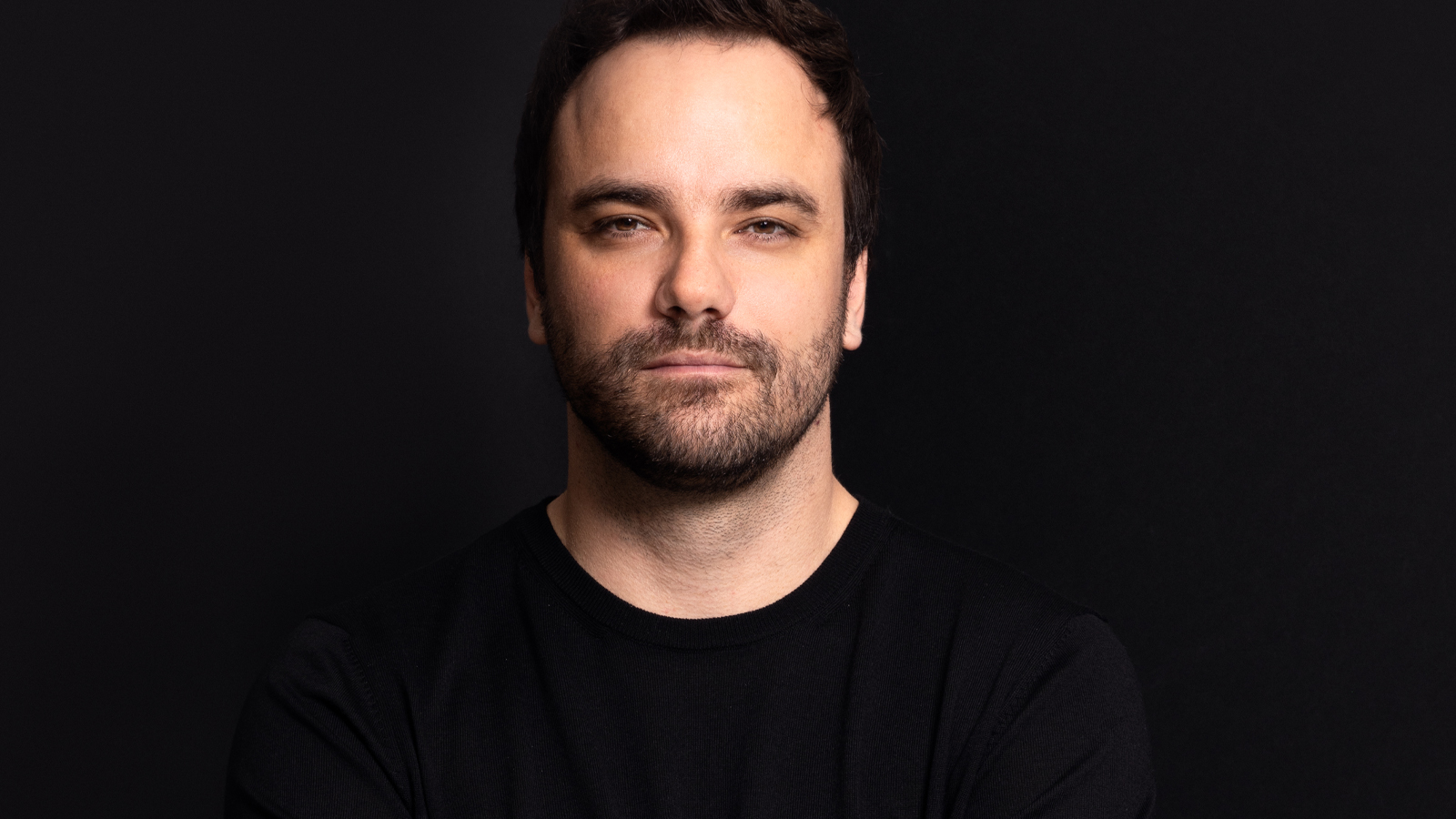
In the modern cinematic landscape, the barrier to entry for aspiring storytellers is not a lack of vision, but a crushing mountain of gatekeepers, prohibitive costs, and institutional inertia. For Nikola Todorovic, co-founder of Flow Studio, the current state of the film industry is not merely broken; it is a stagnant monopoly that has drifted far from the art of storytelling. By leveraging generative AI, Todorovic is on a mission to democratize production, aiming to slash costs and empower a new generation of creators to bypass the traditional Hollywood machine.
The Roots of Resistance: A Personal Journey
Nikola Todorovic’s perspective on the film industry is forged in the crucible of experience. Growing up in Bosnia and Herzegovina during a period of intense conflict, Todorovic viewed storytelling not as a career path, but as a survival mechanism—a form of psychological sanctuary.
His entry into the professional world was marked by the harsh reality of the industry’s exclusionary nature. At age 20, his first encounter with a film producer highlighted a profound inequity: the industry was built on a model of "begging for permission." For those outside the inner circles of Los Angeles, the ability to create was tethered to raising immense capital and navigating a labyrinth of executive approvals. Todorovic argues that when the power to tell stories is concentrated in the hands of a few, the line between entertainment and propaganda becomes dangerously thin. This realization fuels his current work with Flow Studio, where he treats generative AI tools not as cold technology, but as a vehicle for systemic change.
Chronology of Disruption: From Edison to AI
To understand the current tension surrounding AI, one must look at the history of cinematic innovation. At the dawn of the 20th century, Thomas Edison’s Motion Picture Patents Company held a firm grip on the industry. By controlling both the cameras and the Nickelodeon theaters, Edison forced independent filmmakers into a licensing trap.
The birth of Hollywood was, in itself, an act of rebellion. Filmmakers fled to the outskirts of California, not only for the diverse landscapes but to escape the reach of Edison’s patent lawyers. By the time legal action could reach them, these early indies had finished their films.
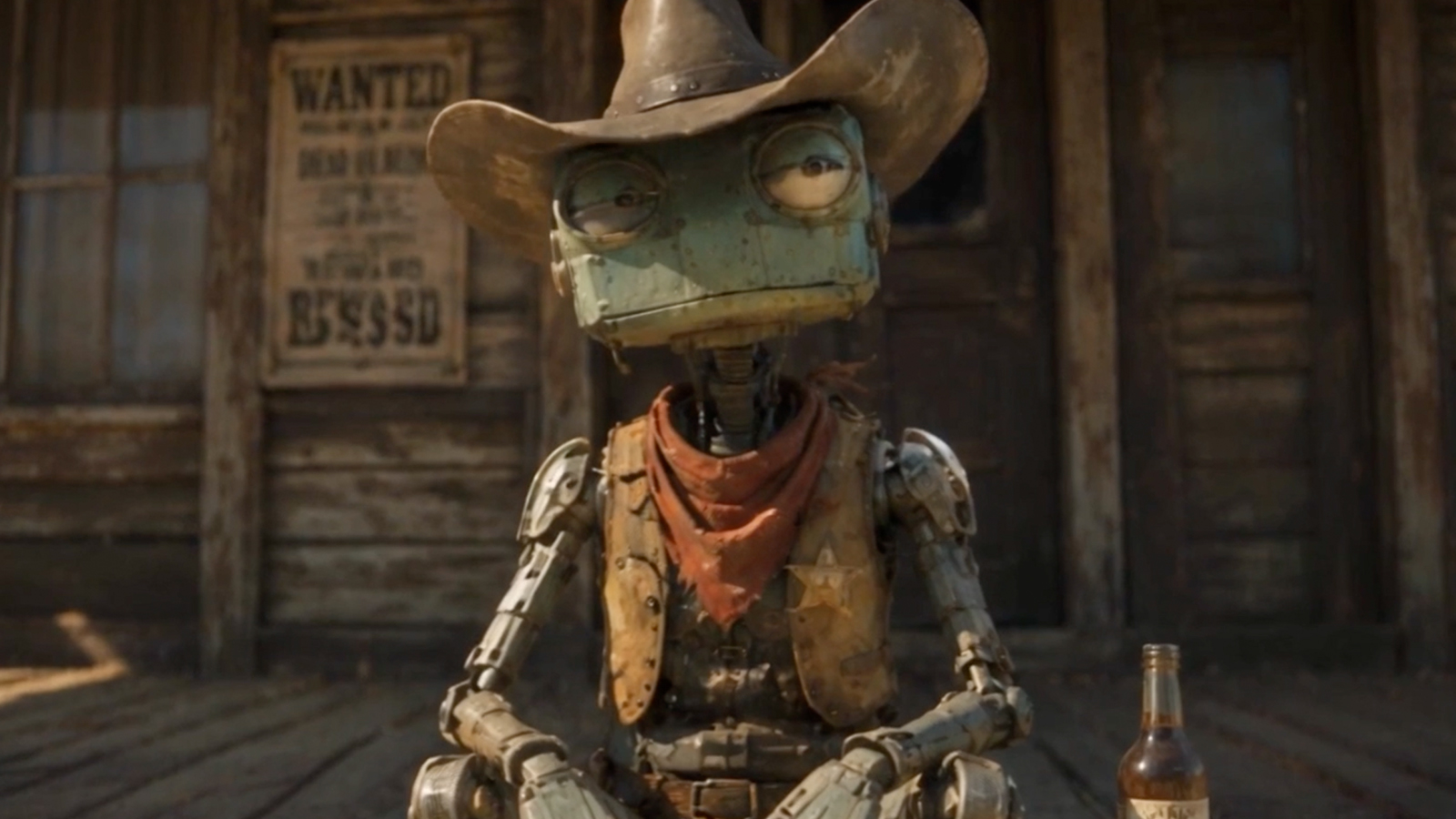
Todorovic draws a direct parallel to the modern era. The streaming wars effectively dismantled the distribution monopoly that had been in place for decades. Now, he posits, AI is poised to break the final pillar of that old power structure: the prohibitive cost of production. By integrating tools like Flow Studio’s 3D Editor + Canvas and Maya’s MotionMaker, creators can now execute high-quality 3D animation with a fraction of the budget and manpower historically required.
The Economic Mirage of Modern Cinema
The absurdity of current film economics is a central pillar of Todorovic’s critique. He often contrasts the scale of infrastructure with the scale of cinematic investment. A modern hospital might cost $20 million to construct—a vital piece of social infrastructure. Meanwhile, a blockbuster film can easily cost ten times that amount and be considered a failure if it doesn’t dominate a single opening weekend.
Compared to the $4 million budget of Steven Spielberg’s E.T., the modern $300 million streaming production represents a decoupling of creativity from economic reality. Todorovic believes that AI will trigger a massive correction, potentially reducing production costs by 95% to 99%. By lowering the financial stakes, he argues, the industry can shift its focus back to the "voice" of the filmmaker rather than the risk-mitigation strategies of a corporate board.
The Human Cost: A Former VFX Artist’s Perspective
Todorovic’s advocacy for AI is tempered by a deep, lived-in empathy for the creative workforce. Having started his career as a VFX artist and compositor, he witnessed firsthand how the industry treats those "below the line."
In many high-budget productions, the VFX team is tasked with grueling, pixel-perfect labor, often under extreme time pressure. When a film succeeds, the director is lauded; when a film fails, the VFX work is often scapegoated. Todorovic is particularly critical of the marketing trend that touts the "lack of CGI" as a selling point for authenticity. To him, this is an act of erasure, dismissing the thousands of hours contributed by hundreds of artists.
He acknowledges that the current anger toward AI in the creative community is entirely valid. Artists have faced a series of compounding traumas: the global pandemic, industry-wide strikes, and now the rapid onset of automation. He is clear: AI is not the cause of these systemic issues, but it is the latest pressure point. He maintains that while the technology itself is neutral, its implementation requires a fundamental shift in how artists are credited and compensated.
Implications for the Future: The Discovery Bottleneck
If production costs drop and the market becomes saturated with high-quality content, the industry will face a new challenge: the tyranny of discovery. Todorovic compares this to the music industry’s transition to the digital age. Today, anyone can record an album in their bedroom, but the vast majority of artists remain unheard.
In this new reality, the power will likely migrate from those who own the means of production to those who control the channels of marketing. Large studios may still retain dominance by virtue of their ability to cut through the noise, meaning the "bottleneck" hasn’t disappeared; it has simply moved downstream.
Despite this, Todorovic remains optimistic. He points to films like Tangerine, which was shot entirely on an iPhone. Upon its release, skeptics focused on the equipment, but audiences quickly stopped caring about the "how" and focused entirely on the strength of the narrative. This is the future he envisions: a landscape where the tool is secondary, and the story is once again paramount.
Official Stances and Industry Outlook
The collaboration between Autodesk and Flow Studio is reflective of a broader industry shift. Autodesk, historically the provider of the "picks and shovels" for 3D artists, is now positioning its suite of tools to enable faster iteration. Their stance is that AI should act as a creative assistant, providing artists with the time to experiment rather than forcing them to work twice as fast.
However, the industry remains in a state of flux. The legal and ethical questions surrounding training data, copyright, and the protection of human creative labor continue to be debated in courtrooms and union halls. When asked when this period of upheaval will settle into a new, stable monopoly, Todorovic offers no simple answer. He acknowledges the cyclical nature of history: the rebels eventually become the establishment, and the cycle repeats.
Conclusion: A New Frontier for Storytelling
Nikola Todorovic is not naive about the challenges ahead. He knows that technological shifts are rarely smooth and that the transition will be painful for many in the creative sector. Yet, his message remains one of radical inclusivity. By lowering the cost of entry, he hopes to see stories from regions and voices that have historically been excluded from the Hollywood machine.
The question of whether AI will lead to a creative renaissance or a commoditized wasteland remains unanswered. What is clear, however, is that the gatekeepers are losing their grip. As the tools for high-end production migrate from the server farms of major studios to the laptops of independent creators, the definition of what constitutes a "filmmaker" is expanding. Whether this leads to a new golden age of storytelling or a new set of digital monopolies is the next chapter in a story that is currently being written in real-time. For now, the door is being pushed open, and for the first time in history, the threshold is accessible to everyone.


 Nana Wu
 Sagoh
Sagoh