

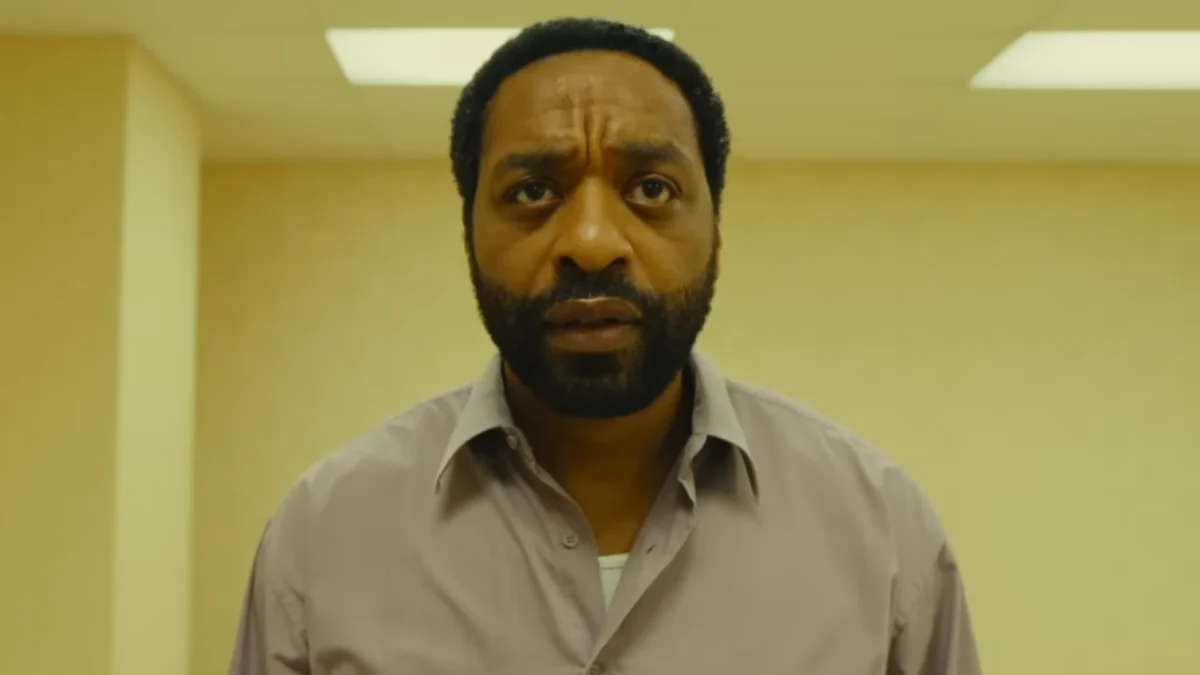
In a cinematic landscape historically dominated by established intellectual property, multi-million dollar marketing campaigns, and legacy franchises, a singular, low-budget horror project has defied the laws of Hollywood physics. A24’s Backrooms, a feature-length adaptation of the internet’s most persistent "creepypasta" urban legend, has shattered studio records, signaling a seismic shift in how modern audiences engage with digital culture. By outperforming established titans like The Mandalorian and Grogu during its opening frame, Backrooms has transitioned from a niche YouTube experiment into a legitimate box office juggernaut, forcing industry analysts to reconsider the volatile nature of the "sure bet."
The Meteoric Rise: Main Facts and Figures
The numbers tell a story that is as confounding to traditional executives as it is triumphant for the creator-led economy. According to reports from Deadline and The Hollywood Reporter, Backrooms commanded an impressive $38.4 million during its opening day and early preview screenings. Projections now place the film on a trajectory to secure an opening weekend haul between $85 million and $88 million.
To put this achievement into perspective, one must look at A24’s previous high-water marks. Civil War, the studio’s prior record-holder for a wide opening, managed $25 million throughout its entire debut weekend. By contrast, the highly anticipated The Mandalorian and Grogu—a tentpole feature from the most recognizable franchise in science fiction—saw a $33.7 million opening day and a weekend total of $81.6 million. Backrooms has not merely competed with a Star Wars property; it has systematically dismantled the perception that high-budget, legacy-backed cinema is the only viable path to commercial dominance.
A Chronology of a Digital Viral Sensation
The ascent of Backrooms is not an overnight success story, but rather the culmination of years of organic internet growth. The original "Backrooms" concept, which describes a seemingly infinite, yellow-walled labyrinth of office spaces, began as a simple image post on 4chan in 2019. It quickly evolved into a collaborative horror subgenre, with thousands of contributors expanding upon the "liminal space" aesthetic.
The pivot to feature film began when Kane Parsons—an internet creator and visual effects artist—began producing a series of short, high-fidelity films on YouTube. His ability to capture the uncanny, claustrophobic dread of the "yellow rooms" earned him a massive, dedicated following. A24’s decision to tap into this existing, highly engaged fanbase proved to be a masterstroke.
The film’s production was characterized by a distinct lack of the usual "corporate polish," focusing instead on the atmospheric storytelling that defined Parsons’ short films. By the time the marketing cycle began, the film already possessed a built-in audience of millions, effectively bypassing the traditional "awareness building" phase that costs modern studios millions of dollars in advertising.
Supporting Data: The New Economics of Viral Media
The success of Backrooms acts as a case study for the 2020s entertainment model. For decades, the film industry operated on a formula of risk mitigation: invest in established brands, bank on famous actors, and saturate the market with trailers. However, the current landscape is increasingly defined by "black swan" events—projects that emerge from obscurity to capture the zeitgeist.
This trend mirrors the gaming industry, where independent titles are now capable of outselling AAA blockbusters. A prime example is the card game Balatro. Publisher Playstack only secured the rights to the breakout hit because a staff member was meticulously monitoring Steam’s new release feed daily. Like Balatro, Backrooms succeeded because it tapped into a specific cultural nerve that traditional studios were ignoring.
The film also bridges the gap between traditional cinema and modern "zoomer" gaming culture. Director Kane Parsons has frequently cited the Portal series and other Valve-developed titles as major aesthetic influences. This is not a film that attempts to adapt a video game; it is a film that speaks the language of a generation that grew up navigating virtual environments. Whether in the form of dedicated Backrooms homages on Steam, horror-themed maps in games like Straftat, or the endless, user-generated experiences within Roblox, the Backrooms aesthetic has become a lingua franca for digital-native audiences.
Critical Response and Artistic Analysis
Despite the massive financial success, the critical reception remains nuanced. PC Gamer senior editor Chris Livingston, in his analysis of the film, praised the meticulous set design—specifically the sprawling, disorienting maze that forms the heart of the movie. He noted that the film excels at maintaining a sense of "mundane horror," where the terror is derived from the familiar being rendered wrong.
However, the film is not without its detractors or areas for improvement. Livingston observed that the second act tends to abandon the atmospheric, psychological dread of the first half, opting instead for more conventional, action-heavy climactic horror. Despite these pacing issues, the consensus remains that the project is a resounding success. The film’s pairing with Exit 8—another title that explores the horror of repetitive, liminal spaces—has created a new "double feature" sub-genre that is gaining traction among cinephiles and gamers alike.
Implications: The Death of the Videogame Movie Era?
The implications of Backrooms‘ success are profound. If Hollywood studios take the wrong lesson, we are likely to see an influx of "meme-based" adaptations, which could lead to a rapid dilution of the market. There is already talk of resurrecting projects like the Michael Bay Skibidi Toilet adaptation. While the prospect of a "lowest-rent SCP movie" might sound like a satirical nightmare, it represents the new reality: studios are hungry for any IP that has already proven its ability to generate engagement.
Furthermore, the industry’s reliance on "sure bets" is clearly crumbling. When a film born from a 4chan post outperforms a Star Wars movie, the traditional hierarchy of Hollywood prestige is fundamentally altered. We are entering an era where the barrier to entry is no longer the size of a production budget, but the ability to cultivate an authentic, internet-native community.
As we look toward the future, it is worth noting how quickly these trends move. We are likely to see a "gold rush" of internet phenomena being optioned for film and television, potentially reaching a point of oversaturation where even the most viral concepts become stale. The success of Backrooms is an anomaly that will be studied for years, but it is also a warning. In a world where a film can be made about anything, the challenge for studios will be identifying which memes have the structural integrity to hold a feature-length narrative, and which are merely fleeting digital ghosts.
For now, Backrooms stands as a testament to the power of the internet as an incubator for art. It is a win for the creators, a win for the fans, and a headache for the traditional studios trying to understand how the rules of the game changed overnight. The age of the traditional videogame movie may be fading, but the age of the "meme-to-screen" revolution has only just begun. Whether this leads to a new golden age of experimental horror or a bloated era of cynical cash-grabs remains to be seen, but one thing is certain: the box office will never look at a yellow office wall the same way again.












No comments yet. Be the first to join the conversation!