

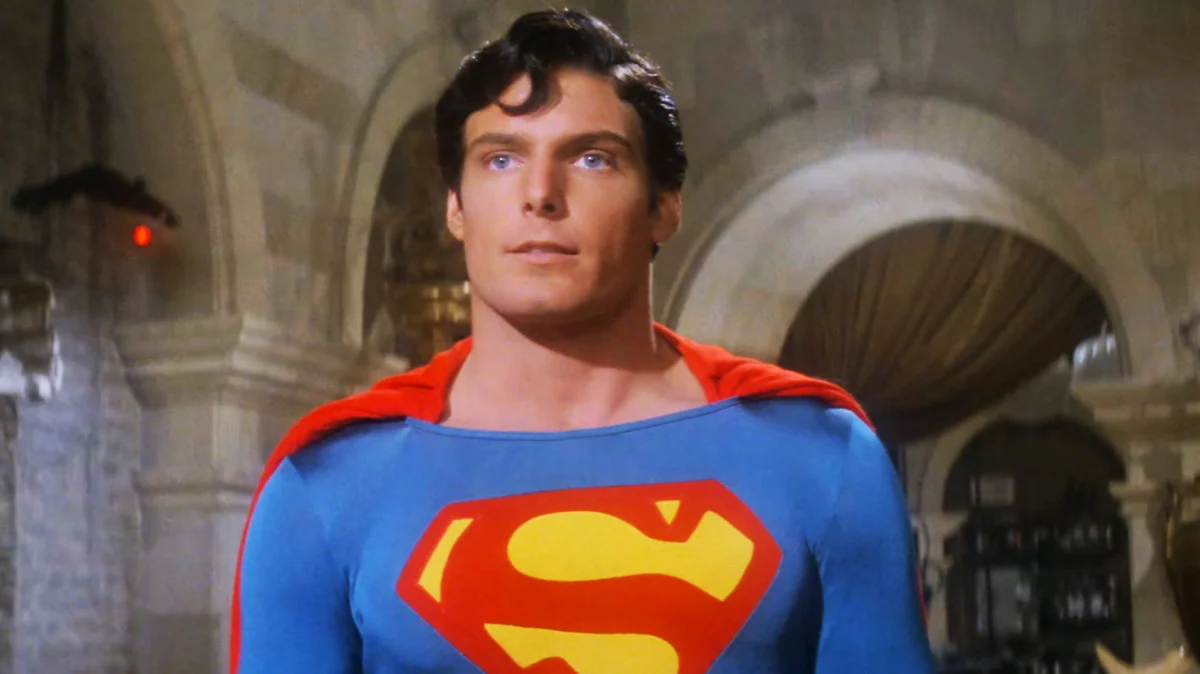
In the vast tapestry of cinematic history, few performances have achieved the near-mythic status of Christopher Reeve in Richard Donner’s 1978 masterpiece, Superman. Even as contemporary audiences oscillate between the gritty realism of Zack Snyder’s DC Universe and the bright, optimistic reinvention of James Gunn’s latest iterations, Reeve remains the gold standard—the definitive Man of Steel. However, behind the iconic red cape and the triumph of the film’s production lies a persistent, bittersweet sentiment from its director. Richard Donner, the architect of the modern superhero blockbuster, long harbored a quiet, lingering regret: the belief that by casting the then-unknown Juilliard-trained actor, he inadvertently stunted what could have been an even more diverse and storied leading-man career for Reeve.
The Genesis of an Icon: A Casting Choice That Changed Hollywood
To understand the weight of Donner’s regret, one must first understand the landscape of 1978. Today, the "superhero genre" is the bedrock of the global box office, but in the late 1970s, it was an untested, risky venture. Comic books were largely viewed as disposable children’s entertainment, and the prospect of a high-budget, serious film about a man in tights was met with significant industry skepticism.
Warner Bros. faced an uphill battle. They needed to sell the audience on the premise that they would "believe a man can fly." The casting of the lead was paramount. They required someone who could balance the awkward, bumbling charm of Clark Kent with the god-like, noble authority of Superman. They found their answer in Christopher Reeve, a relative unknown who had cut his teeth on the stage and appeared in the 1978 disaster film Gray Lady Down.
Donner had spotted Reeve in an Off-Broadway production, where the actor showcased an impressive range by portraying multiple characters. "When I cast him, I had seen him in a play Off-Broadway… where I believe he played two characters; one himself, one his grandfather," Donner recalled in an interview with the Life After Movies web show. "He was a wonderful actor, a charming actor." At the time, the synergy between director and star was perfect; both were committed to treating the source material with dignity and gravitas. Yet, in their shared pursuit of cinematic excellence, neither could have foreseen how the role would become a shadow that would follow Reeve for the rest of his professional life.
A Chronology of the "Superman" Shadow
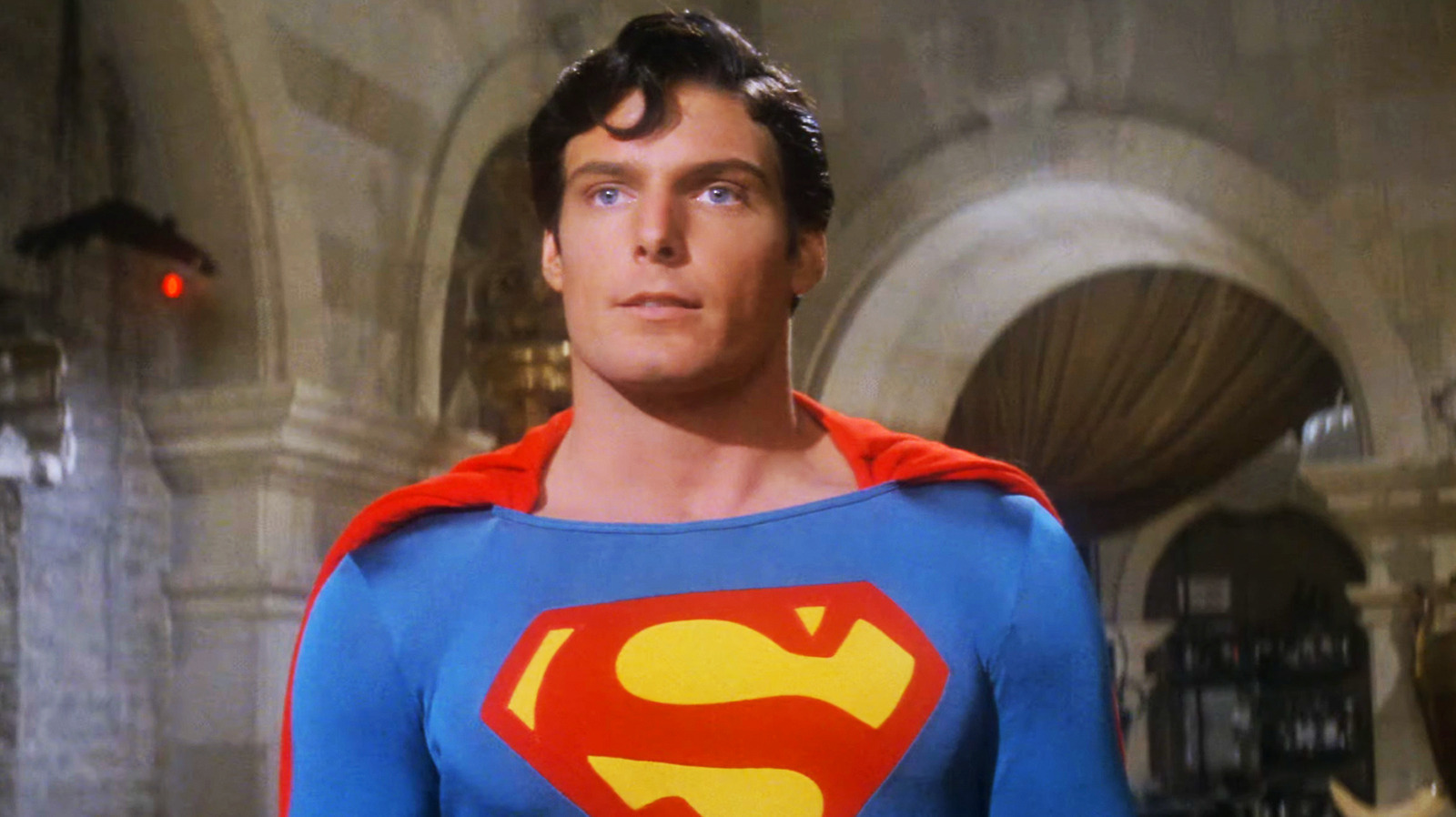
The success of Superman was instantaneous and overwhelming. It redefined the blockbuster model and turned Christopher Reeve into a global superstar overnight. However, the trajectory of his career post-1978 tells a story of an actor constantly battling against his own image.
- 1978: Superman premieres, cementing Reeve as a household name and creating a cultural phenomenon.
- 1980–1987: Reeve returns for three Superman sequels of varying critical and commercial success. During this period, the actor begins to express frustration with the limitations of the role, feeling the creative stagnation that comes with franchise repetition.
- The Post-Franchise Struggle: Throughout the 1980s and 90s, Reeve took on diverse roles in films like Somewhere in Time, Deathtrap, and The Remains of the Day. While he demonstrated immense range, critics and audiences alike struggled to separate the man from the Kryptonian.
- 1995: The tragic equestrian accident that left Reeve paralyzed from the neck down shifted his life’s focus, yet he continued to work, direct, and advocate for spinal cord research, eventually becoming an even larger icon for resilience than he ever was as an actor.
Donner’s observation—that the industry suffers from a "jinx" regarding typecasting—was solidified during these years. While Reeve was a talented performer, the sheer magnitude of the Superman character made it difficult for studios to view him as anyone else.
The "Jinx" of Typecasting: Industry Implications
In the film industry, "typecasting" is a double-edged sword. It provides immediate marketability but can act as a professional ceiling. Donner, reflecting on the phenomenon, was adamant that the problem was not a supernatural jinx, but a failure of the industry’s imagination.
"The industry says there’s a jinx. That’s stupid. I don’t believe in jinxes, unless you jinx yourself," Donner remarked. "But that is a big problem for these actors, to get out of that image that ‘I am me. I am an actor, give me the role, I’ll show you.’ And they get stuck in this thing and they’re compared to it the rest of their lives."
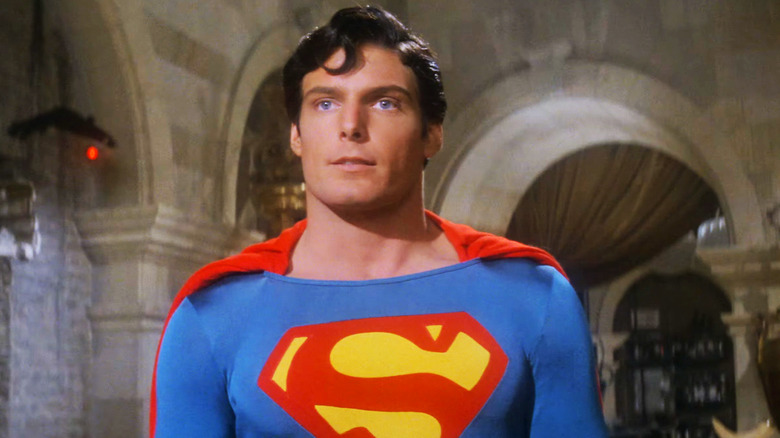
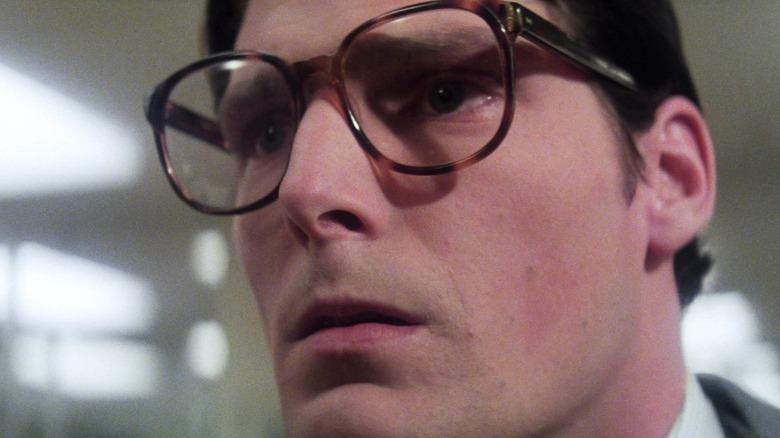
The implications for actors in high-profile franchise roles are profound. When an actor embodies a character as fully as Reeve did, the audience undergoes a form of parasocial bonding. The actor is no longer just a vessel for a character; they become the living embodiment of that character. For Reeve, this meant that even in his most nuanced dramatic performances, audiences were subconsciously checking for the "Clark Kent" or "Superman" mannerisms. This created a barrier to entry for the types of gritty, complex leading-man roles that Donner believed Reeve was capable of mastering.
The Verdict of History: Resilience Over Regret
While Richard Donner felt a sense of personal responsibility for the limitations placed on Reeve’s career, a closer look at the actor’s life reveals a man who refused to be defined by a single role—or even by his own physical limitations.
The documentary Super/Man: The Christopher Reeve Story serves as an essential counter-narrative to the idea that his career was "stunted." While the "dark nights of the soul" were undoubtedly real, Reeve’s post-Superman life was marked by a tireless work ethic. He didn’t just wait for the industry to offer him roles; he sought out challenges that pushed his capabilities. His performance in The Remains of the Day is a masterclass in subtlety, proving that the range was always there, regardless of what the public perceived.
Furthermore, Reeve’s legacy eventually transcended the boundaries of Hollywood entirely. When he became a spokesperson for disability advocacy, he did so with the same conviction he brought to the set of Superman. He proved that the "super" aspect of his life was not tied to a costume or a cape, but to his character.
Conclusion: A Legacy Beyond the Cape
Richard Donner’s regret—that he may have inadvertently curtailed a different kind of acting career for Christopher Reeve—is a testament to his deep affection for his lead actor. It is the lament of a mentor who saw infinite potential and feared that the world only had eyes for one facet of his protégé’s brilliance.
However, if we look back at the breadth of Reeve’s life, we see that the "Superman" role was not a cage, but a platform. It gave him the reach to influence millions, the resources to support vital scientific research, and the platform to shift the global conversation on spinal cord injuries. While he may have faced the professional hurdles of typecasting, Christopher Reeve ultimately transcended the "Superman" label to become something far more substantial: a human being who faced his challenges with unwavering grace.
In the end, Donner needn’t have worried. Christopher Reeve’s career was not defined by a jinx or a character, but by a refusal to give up—a trait that, whether in Metropolis or in the real world, remains the true definition of a hero.










