Iffa Jayyana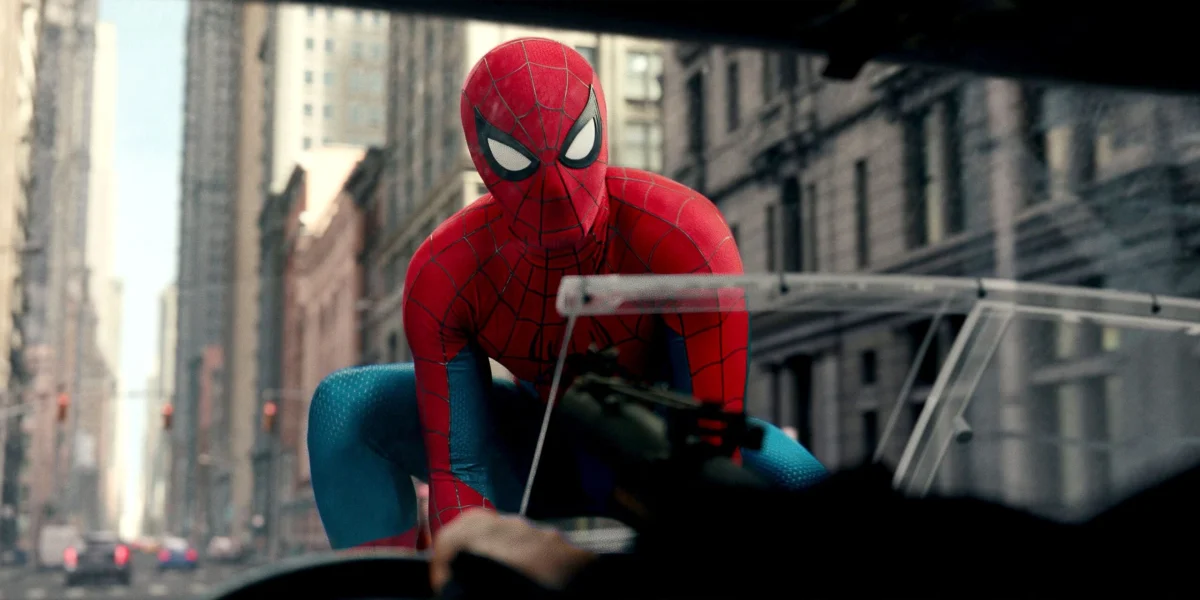
In an era where the Marvel Cinematic Universe (MCU) has become the definitive modern mythology, fans have long looked to the silver screen not just for entertainment, but for reflection. From the high-flying heroics of Thor to the gritty, street-level vigilance of the Punisher, these icons represent a spectrum of human values, moral dilemmas, and indomitable fighting spirits.
But which of these legends truly mirrors your own path? A new interactive experience from Collider challenges fans to look past the capes and the vibranium shields to identify the hero that aligns with their own core values. Through a deep-dive personality assessment consisting of ten critical scenarios, we can now bridge the gap between the audience and the Avengers.
The Philosophy of Heroism: Understanding the Archetypes
To understand why we gravitate toward specific heroes, we must first analyze the archetypes they represent. The MCU is not merely a collection of action set-pieces; it is a complex study of character motivations.
The Six Pillars of the MCU
The quiz focuses on six distinct figures who define the moral and tactical landscape of the Marvel Universe:
- Spider-Man (Peter Parker): The embodiment of the "Great Power, Great Responsibility" ethos. He represents the struggle of youth, the burden of sacrifice, and the relentless optimism of a neighbor who refuses to give up.
- Daredevil (Matt Murdock): The synthesis of law and vigilantism. He represents the internal battle between one’s faith and the necessity of violence when the system fails.
- Iron Man (Tony Stark): The technological visionary. He represents the evolution from ego-driven genius to a selfless architect of the future.
- The Punisher (Frank Castle): The dark reflection of justice. He represents the absolute, uncompromising, and often tragic application of retributive justice in a broken world.
- Thor Odinson: The divine outsider. He represents the weight of destiny, the burden of immortality, and the lifelong journey toward true worthiness.
- Captain America (Steve Rogers): The moral compass. He represents the unwavering commitment to human decency, freedom, and the refusal to compromise one’s principles, regardless of the odds.
Chronology of Character Evolution
The MCU has spent over a decade developing these characters, allowing audiences to witness their growth—a key element that makes this personality quiz so poignant.
- The Foundation (2008–2012): The introduction of Iron Man and Captain America set the standard for the MCU. We saw Stark move from a weapons manufacturer to a protector, while Steve Rogers transitioned from a WWII soldier to a man out of time.
- The Expansion (2013–2016): The introduction of Thor’s cosmic scale and the darker, gritty street-level justice of Daredevil and the Punisher expanded the definition of what a "hero" could look like.
- The Integration (2017–Present): With the arrival of Spider-Man into the Avengers, the final piece of the puzzle—the juxtaposition of youthful vulnerability with world-ending stakes—was locked in.
The quiz reflects this chronology by asking users not just how they fight, but how they live. By forcing participants to answer questions about their 2 AM habits, their handling of failure, and their perspective on secret identities, the quiz mirrors the narrative arcs these characters have followed across multiple films and series.
Supporting Data: Why Personality Quizzes Matter
Psychologists suggest that identifying with fictional characters provides a "social surrogate" effect. When we engage with these archetypes, we are not just playing a game; we are exploring our own latent tendencies.
For instance, the data collected from the "What drives you to do what’s right?" segment of the quiz highlights a fascinating demographic split. Those who choose the "Legacy and Ego" path—the Iron Man archetype—tend to value innovation and self-reliance. Conversely, those who gravitate toward the "Values and Decency" of Captain America often report higher scores in community-oriented and collaborative personality traits.
The inclusion of the Punisher—a character who operates outside the traditional "hero" boundary—serves as a control variable. Users who identify with Frank Castle often demonstrate a high level of pragmatism and a cynicism toward institutional systems, providing valuable insight into how audiences interpret the current state of societal justice.
Official Perspectives: The Creator’s Intent
While the quiz is an independent assessment, it draws heavily on the established lore of Marvel Studios and Marvel Television. Directors and showrunners have long emphasized that the "power" is the least important part of these characters.
"We never want the audience to be impressed by the suit," noted a creative lead during the development of the Daredevil series. "We want them to be worried about the man behind the mask."
This sentiment is the bedrock of the quiz. By asking questions about the cost of heroism—such as how one carries the grief of a lost loved one or how one balances a personal life with a life of service—the quiz forces the participant to weigh the emotional toll of their own decisions.
Implications: The Hero Within
What does it mean if you are identified as a Thor, but you operate like a Daredevil? The implications of these results are twofold:
1. Self-Reflection and Growth
Identifying your "MCU counterpart" is an exercise in introspection. If you find yourself aligning with Tony Stark, it may be an invitation to examine how you balance your professional ambition with your duty to those around you. If you align with Steve Rogers, it serves as a reminder to check if your principles are being tested by modern pressures.
2. Community and Connection
The beauty of the Marvel fandom is the diversity of its heroes. By categorizing fans into these six archetypes, the community can foster better dialogue. If you realize your friend is a "Spider-Man" while you are a "Punisher," it explains the fundamental difference in how you both approach problem-solving: one through connection and hope, the other through efficiency and cold logic.
The Verdict: Will You Swing, Fly, or Stand?
The final section of the quiz provides more than just a character profile; it provides a narrative summary of the user’s potential.
- The Spider-Man Result: Acknowledges the weight of being the "neighborhood hero" and the necessity of retaining one’s humanity despite the immense pressure to save everyone.
- The Daredevil Result: Validates the struggle of walking the line between darkness and light, emphasizing the importance of a personal code.
- The Iron Man Result: Celebrates the brilliance of the mind and the capacity for growth, noting that even the most stubborn individuals can eventually become the heart of a team.
- The Punisher Result: Respects the resilience of those who have faced tragedy, acknowledging that true survival often requires a hardening of the spirit.
- The Thor Result: Honors the journey toward worthiness, reminding us that we are all on a path to becoming more than we were yesterday.
- The Captain America Result: Salutes the unwavering spirit, the quiet strength of conviction, and the rare ability to lead by example when the world turns its back.
Conclusion: A Living Legacy
The MCU continues to evolve, and so do we. The characters who defined the first decade of the franchise have set a template for what we expect from our leaders, our friends, and ourselves. Whether you are a fan of the high-stakes battles in the stars or the quiet, lonely vigils in the rain-slicked alleys of Hell’s Kitchen, there is a piece of you in this universe.
This quiz is not merely an endpoint—it is a starting point. By understanding the hero that resides within, we are better equipped to face the challenges of our own reality. As the world continues to change, we must ask ourselves the most important question of all: When the battle is lost, when you are outnumbered and exhausted, what will you do?
Your answer defines your hero. Your answer defines you.
Are you ready to find out? The path to your hero is waiting.

 Evan Lee Salim
 Ammar Sabilarrohman