Nana Muazin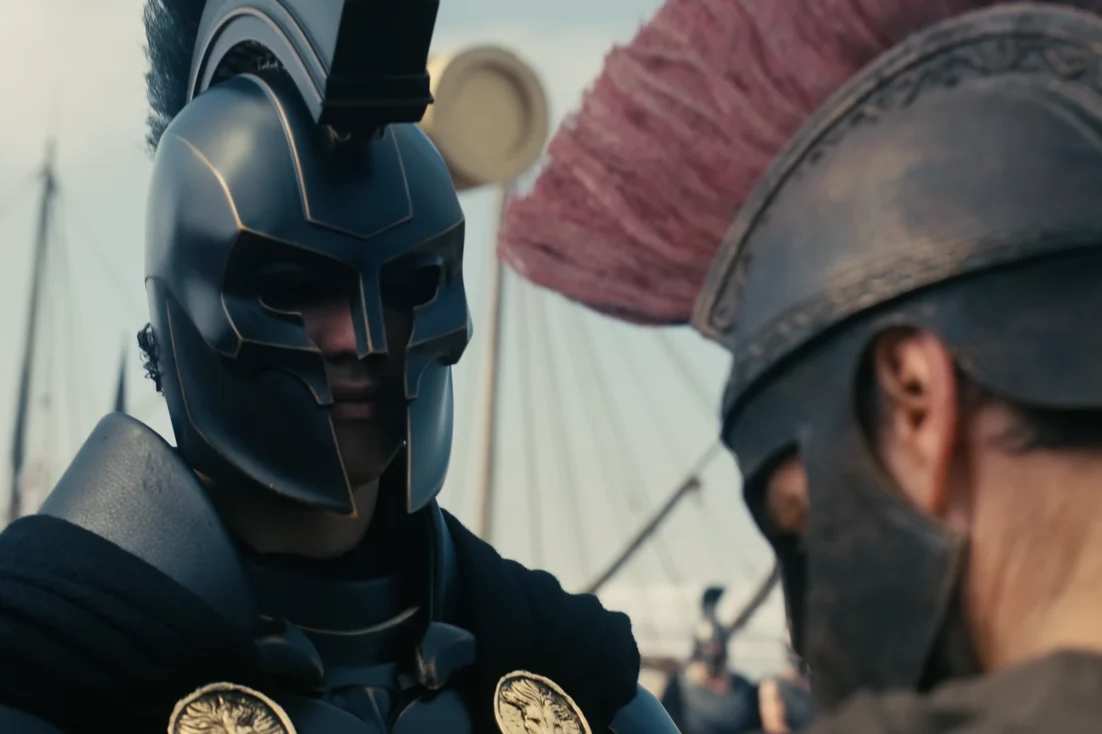
In a rare and spirited public intellectual skirmish, acclaimed novelist Joyce Carol Oates has waded into the cinematic discourse surrounding Christopher Nolan’s latest blockbuster, The Odyssey. The film, an ambitious adaptation of Homer’s foundational epic, has found itself at the center of a heated debate—not merely regarding its artistic merits, but concerning the very nature of academic criticism and public discourse in the digital age. At the heart of the firestorm is a stinging critique penned by Emily Wilson, the celebrated classicist and translator, whose own 2017 translation of The Odyssey serves as a touchstone for the project.
The Genesis of the Conflict: A Critique Turned Viral
The controversy ignited following the publication of Emily Wilson’s review in the London Review of Books. Wilson, whose scholarly work has been lauded for bringing Homeric texts to a contemporary audience with unprecedented clarity and rhythmic vitality, did not hold back in her assessment of Nolan’s vision.
Characterizing the film as a failure of artistic depth, Wilson wrote, “I had hoped that Nolan’s affinity with these Homeric themes might push him to new creative heights, and enable him to conjure more believable characters. But The Odyssey features his usual combination of grandiosity and superficiality.” She further claimed that the film lacked “psychological, emotional, political and ethical depth,” ultimately arguing that it had “nothing convincing to say.”
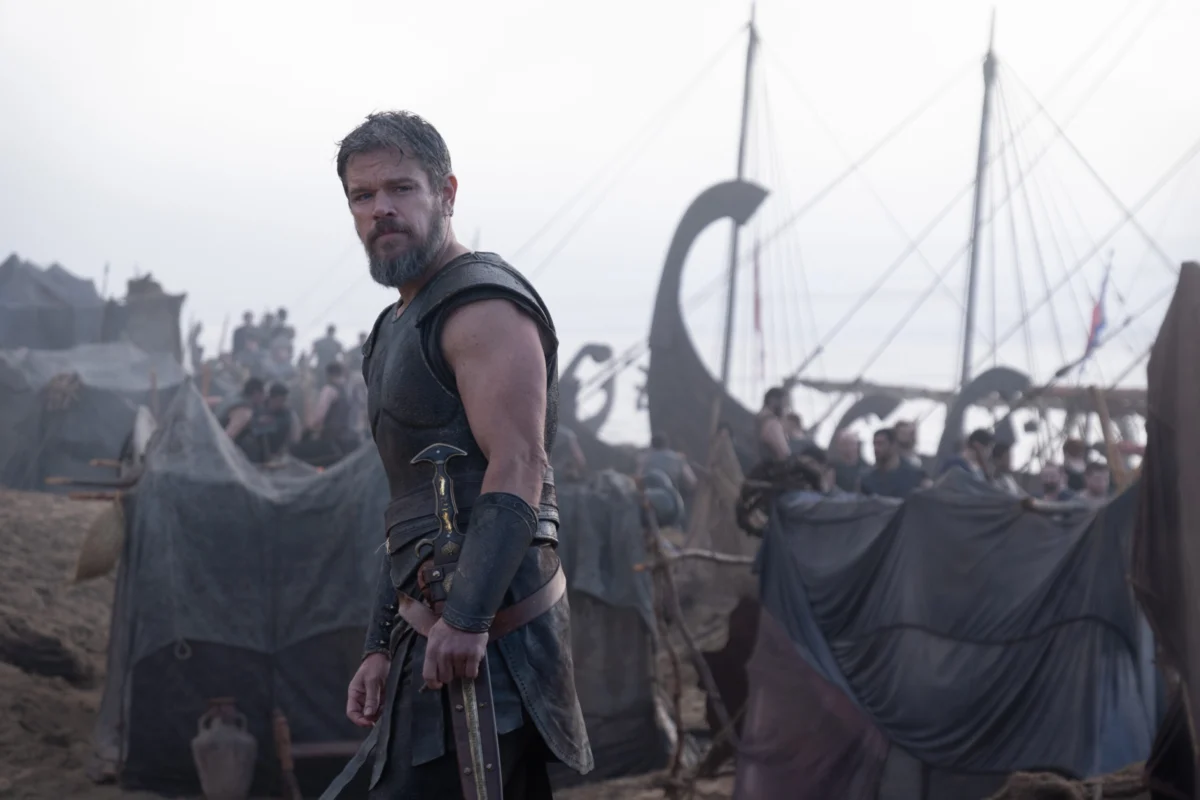
The critique gained significant traction online, largely due to the irony of the situation: Christopher Nolan had, in various interviews, cited Wilson’s translation as a primary influence on the film’s development. In a profile for Empire, the director revealed that he utilized the opening line of Wilson’s translation—"Tell me about a complicated man"—as a guiding "north star" when conceptualizing Matt Damon’s portrayal of the legendary hero, Odysseus.
A Chronology of the Scholarly and Cinematic Exchange
To understand the intensity of the current backlash, one must look at the timeline of the film’s development and the subsequent critical reception.
- 2017: Emily Wilson publishes her groundbreaking translation of The Odyssey, becoming the first woman to translate the epic into English verse. The translation is hailed as a masterpiece of accessibility and precision.
- 2023-2024: Christopher Nolan enters pre-production on his adaptation. During this period, he frequently mentions the influence of various classical interpretations, explicitly acknowledging his reliance on Wilson’s prose.
- 2025 (Release): The Odyssey hits theaters, garnering mixed reviews from critics who praise its technical grandeur but express reservations about its narrative density.
- Late 2025/Early 2026: Emily Wilson’s London Review of Books critique is published. The review quickly goes viral, drawing sharp lines between the "cinematic blockbuster" aesthetic and the "classical literary" tradition.
- Immediate Aftermath: Joyce Carol Oates, an icon of American letters, takes to X (formerly Twitter) to condemn the tone of Wilson’s critique, sparking a broader conversation about how intellectuals should engage with popular art.
The Defense: Joyce Carol Oates Weighs In
Joyce Carol Oates, a prolific author known for her incisive social commentary, took immediate issue with the vitriolic tone of Wilson’s review. Her reaction was not necessarily a defense of the film’s technical execution, but rather a critique of the manner in which Wilson expressed her disapproval.
"Rather than disagreeing with interpretations of Homer in a collegial manner, this person, who has benefited enormously from Nolan’s film, speaks in the crude language of MAGA folks attacking someone with ideas that differ from hers," Oates posted on X.
Oates continued, "One would expect a translator, of all people, beholden to a text, in service to a text, to be just a wee bit more thoughtful and respectful of others who are acting in good faith just as (she would claim) she is."
This statement struck a nerve in the literary community. By invoking the polarized political climate of the United States—specifically the "MAGA" reference—Oates was accusing Wilson of adopting a populist, performative style of negativity that is antithetical to the nuanced, historical perspective one expects from a classicist of her stature.
Analyzing the Critique: Substance vs. Style
While Oates focused on the tone, it is worth examining the substance of Wilson’s grievances. Wilson’s critique was multifaceted, touching on both the technical and the thematic.
"The writing is abysmal," Wilson stated in her review. "None of the characters has a convincing motivation for their actions or words. There are no sex scenes, and all the food looks horrible."
This specific remark regarding the lack of sex and the presentation of food highlights the chasm between Wilson’s expectation of the Homeric epic—which is visceral, rooted in the physical realities of the ancient Mediterranean—and Nolan’s stylized, often antiseptic approach to world-building. Where Wilson sees "grandiosity" without "conviction," Nolan’s defenders often point to the director’s focus on the spectacle of the "big bangs and big giants" as a deliberate stylistic choice to mirror the mythic quality of the source material.
Implications for Public Intellectualism
The clash between Oates and Wilson raises fundamental questions about the role of the critic in the modern age. Is a scholar obligated to treat a commercial filmmaker with the same academic rigor and "collegial" respect they would afford a peer? Or is the critic’s duty solely to the truth as they see it, regardless of the target’s stature or previous collaborative relationship?
The Burden of Influence
Nolan’s public acknowledgment of Wilson’s work created a bridge between the ivory tower and the multiplex. When that bridge was burned by the very person whose work inspired the film, it created a sense of betrayal among the director’s fanbase. However, from a critical perspective, Wilson might argue that her duty to the Homeric text supersedes her duty to the filmmaker, even if that filmmaker drew inspiration from her words.
The Erosion of Nuance
Oates’s frustration with the "crude language" of the review reflects a wider concern: that in the era of social media, even the most refined intellectuals are pressured to adopt the rhetorical tactics of internet trolls to gain attention. By framing the critique as an "attack," Oates suggests that the intellectual discourse is becoming increasingly performative, favoring "dunks" over genuine analysis.
Conclusion: A Homeric Conflict for Modern Times
The exchange between Joyce Carol Oates and Emily Wilson is more than just a squabble over a film; it is a reflection of the friction between high art and popular culture. As Christopher Nolan continues to tackle the pillars of Western literature, he inevitably invites the scrutiny of those who hold these texts sacred.
Emily Wilson, in her role as a translator, represents the preservation of the text’s integrity. Joyce Carol Oates, in her role as an elder stateswoman of literature, represents the preservation of the integrity of the discourse. Both hold valid positions, yet their collision reveals how difficult it is to bridge the gap between the scholarly study of ancient myths and the modern necessity of blockbuster entertainment.
Whether The Odyssey stands as a masterpiece or a misstep remains a matter of opinion. But the debate it has triggered—about how we speak to one another, how we critique the work of our contemporaries, and how we translate the past into the present—is perhaps the most enduring legacy of this cinematic event. In the end, the "complicated man" at the heart of the film may have found his modern-day equivalent in the complicated, often messy, and deeply human discourse that surrounds his story.

 Nana Wu
 Jia Lissa