Nana Wu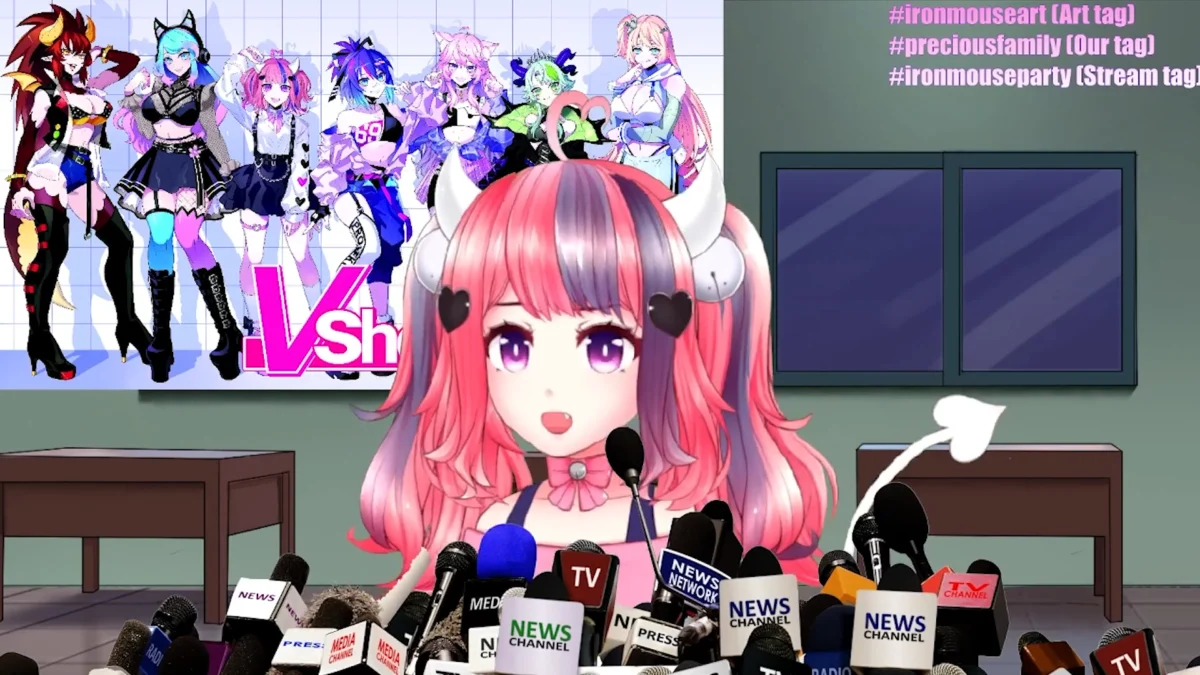
The world of virtual content creation was rocked this week as VShojo, once a titan of the VTuber industry, officially announced its permanent closure. The dissolution of the agency follows a series of explosive allegations regarding severe financial irregularities, unpaid talent wages, and the misappropriation of charitable funds. What began as a high-profile endeavor to redefine the "talent-first" agency model has ended in a chaotic, public implosion that has left creators and their communities reeling.
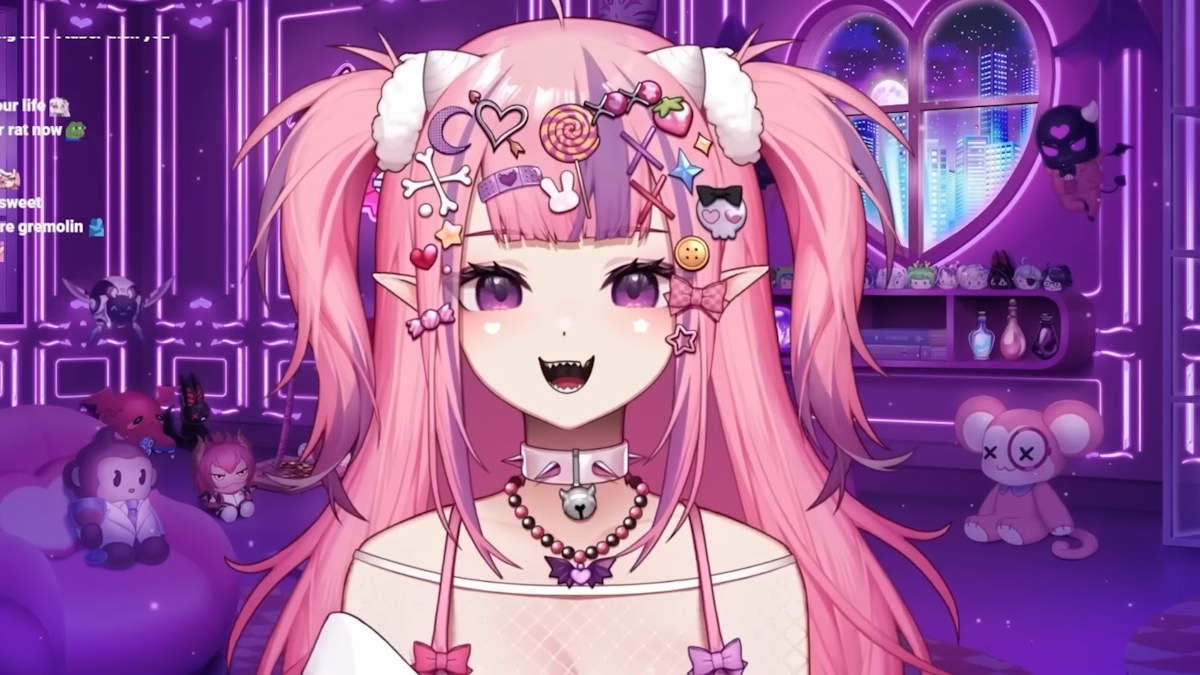
The catalyst for this collapse was a harrowing testimony from Ironmouse, one of the most recognizable and successful figures in the VTubing space. Her decision to depart from the agency, citing unpaid debts and the failure to deliver over $500,000 in charitable contributions to the Immune Deficiency Foundation (IDF), triggered a domino effect. Within days, a wave of resignations from across the agency’s talent roster turned a corporate crisis into a total operational failure.

The Core Allegations: A Breach of Trust
The most damning aspect of the VShojo collapse concerns the handling of charity funds. Ironmouse, who has lived with Common Variable Immunodeficiency since 2017, has leveraged her massive platform to raise millions for the IDF. During her 2024 "Mouseathon," she raised over $515,000 for the foundation. Under the agency’s previous agreements, VShojo was responsible for facilitating these payments on her behalf.
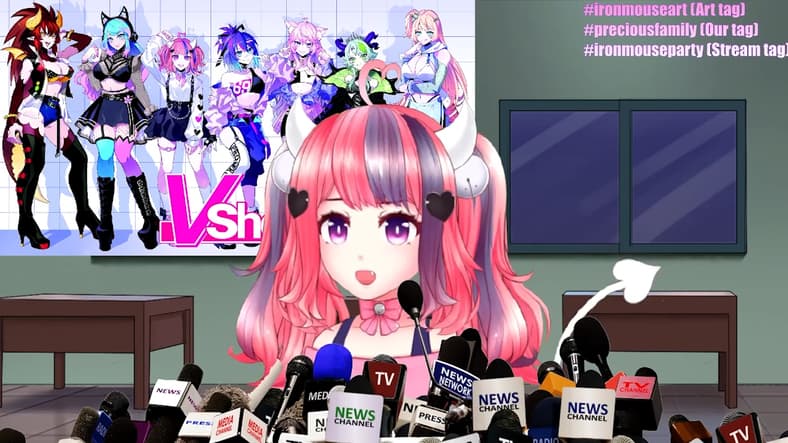
However, a year after the conclusion of the event, Ironmouse revealed that the funds never reached the charity. "This entire situation has broken me," she stated in a video announcement. "I just wanted to do something good, and to give back to a community that helped me. But unfortunately, that’s not the case."
Beyond the charitable betrayal, talent reported a systemic failure in the company’s payment infrastructure. Creators, including KSon and Michi Mochievee, alleged that their paychecks had been consistently delayed or withheld for months, with the company offering vague promises of future liquidity that never materialized.
A Chronology of the Implosion
The disintegration of VShojo did not happen overnight, though the public collapse was sudden.

- Early 2024: Financial strain begins to manifest behind the scenes. While the company continued to expand, talent began experiencing irregular payment schedules.
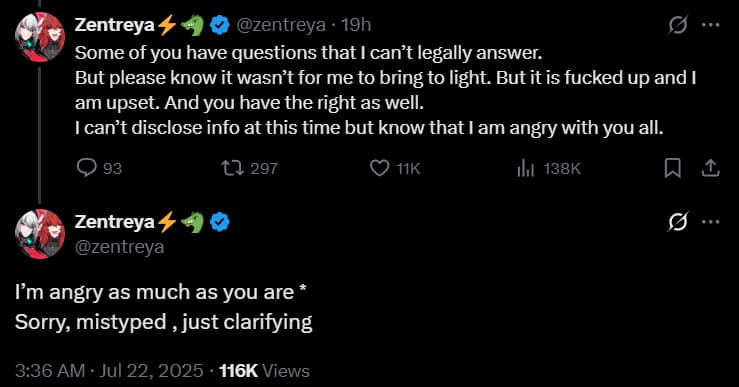
- July 11, 2024: Zentreya, a prominent member of the agency, departs, hinting at internal issues that she was legally barred from discussing at the time.
- July 21, 2024: Ironmouse releases her "Why I left VShojo" video, confirming the non-payment of charitable funds and her own outstanding wages. This serves as the primary turning point.
- July 22, 2024: Following the revelation, the community rallies. Tiltify, the platform used for the charity drives, confirms the missing funds, and support floods in from streamers and fans worldwide.
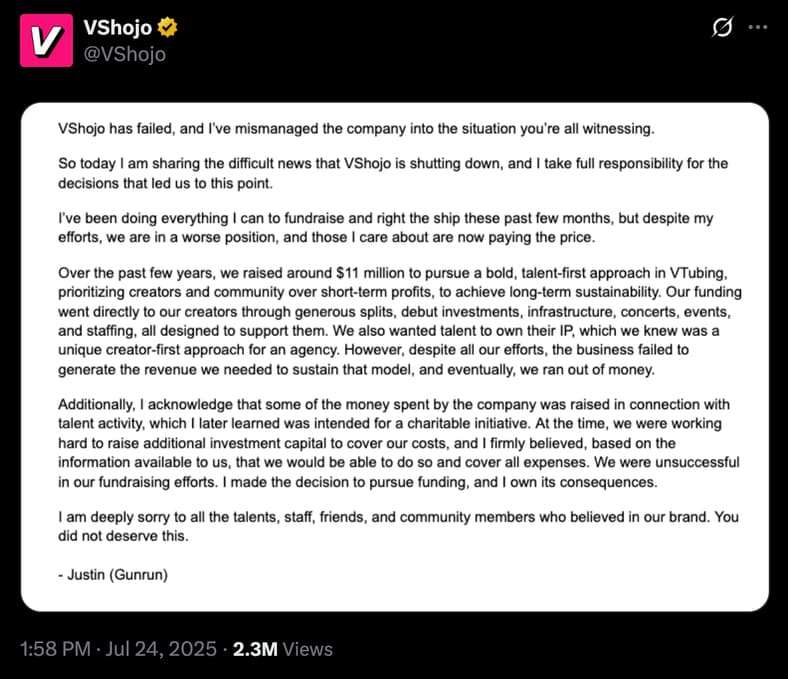
- July 23, 2024: VShojo CEO Justin "GunRun" Ignacio issues a formal statement acknowledging the company’s failure and announcing its immediate, permanent closure.
- Late July 2024: A mass exodus ensues. Talents including Amalee, Projekt Melody, Kuro, and Hime announce their resignations. Even incoming talent, such as Piapi and Beri Bug, officially reject their contracts before their debuts.
Financial Mismanagement and the "Talent-First" Fallacy
In his apology on X, CEO Justin Ignacio attempted to explain the company’s trajectory. "Over the past few years, we raised around $11 million to pursue a bold, talent-first approach," Ignacio wrote. "However, despite all our efforts, the business failed to generate the revenue we needed to sustain that model, and eventually, we ran out of money."
Ignacio admitted that the company had been "mismanaged into the situation" currently unfolding. He further acknowledged the misappropriation of charitable funds, stating, "I acknowledge that some of the money spent by the company was raised in connection with talent activity, which I later learned was intended for a charitable initiative."
Despite his claim that he believed they would "right the ship" through additional investment capital, the reality was a stark deficit that left no room for recovery. The irony of the situation is palpable: VShojo was marketed as a haven for creators who wanted to own their IP and receive higher revenue splits. However, this lack of corporate oversight—or perhaps an excess of it in the wrong areas—led to a lack of liquidity that eventually cannibalized the very talent it was designed to support.

Supporting Data: The Scale of the Backlash
The community response to the scandal has been unprecedented. Following Ironmouse’s video, her Tiltify donation link, which aimed to raise $10,000 to cover the missing charity donation, surpassed $563,000 within days.
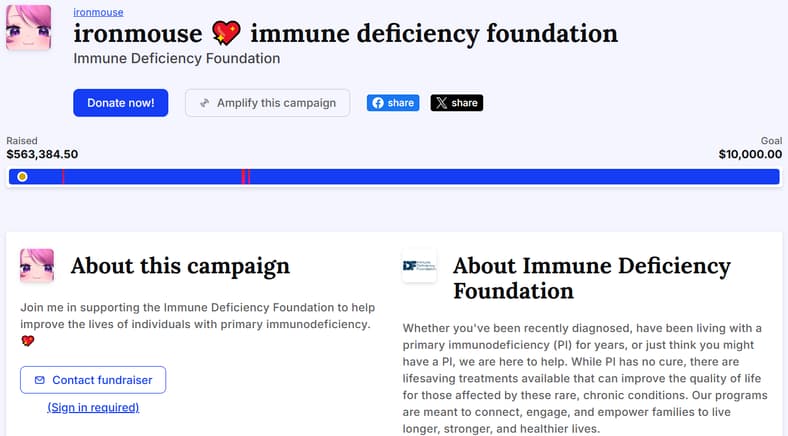
The list of donors included fellow industry figures, such as VTube Studio, which contributed $16,500, and Zentreya, who donated $8,000. These figures illustrate not just the popularity of Ironmouse, but the collective fury of an industry that viewed the theft of charity funds as an unforgivable moral failing.
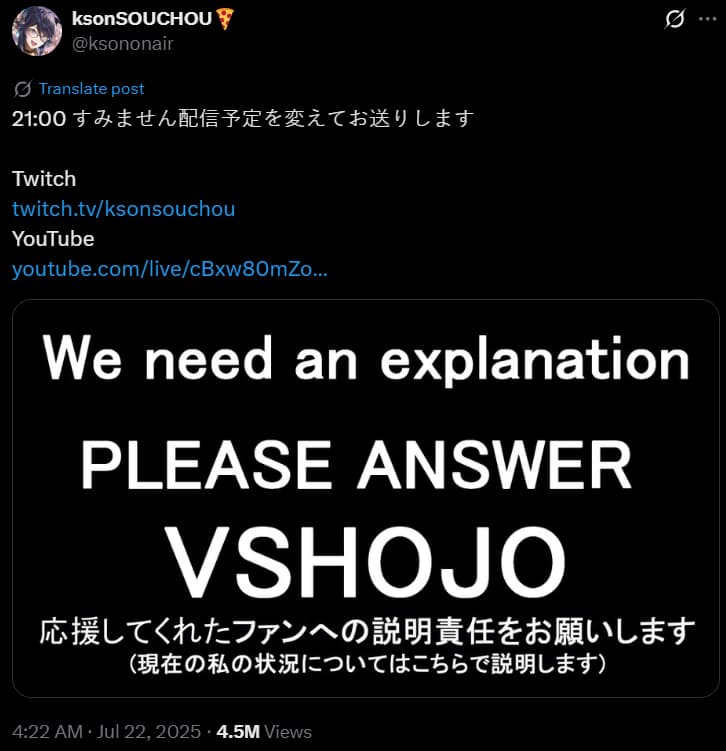
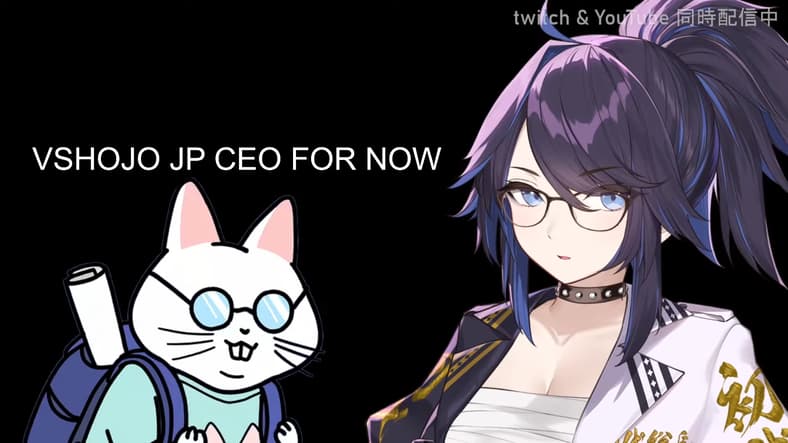
Other talents, such as KSon, provided transparency regarding the internal state of the company. KSon revealed that she had been unpaid since September 2024. Her conversations with Koshi Makino, the CEO of the Japanese branch, painted a picture of a company disconnected from its own reality. Makino admitted that the Japanese side was largely kept in the dark and that he, too, was receiving only half of his expected salary.
The Human Cost: Staff and Talent Allegations
The collapse has unearthed a litany of secondary allegations that paint a dark picture of the company’s internal culture. Reports of unpaid commissions and the leaking of sensitive personal information about talent—including their real-world identities and marital status—have surfaced.
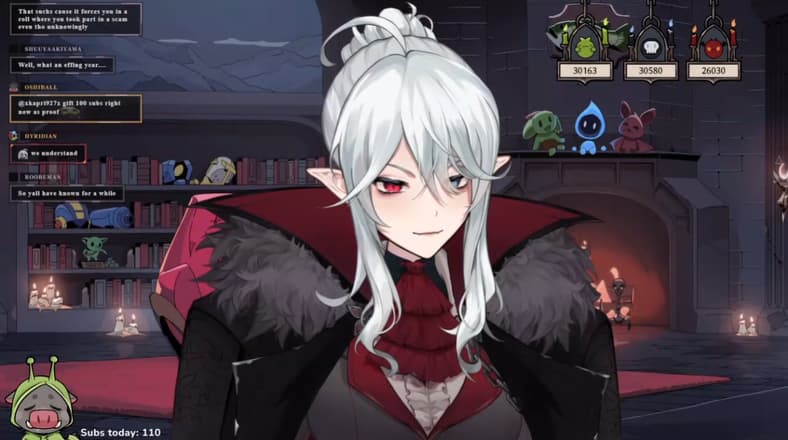
Former adult star and streamer Shibuya Kaho alleged that VShojo staff members were openly bragging about their income while the talent went unpaid. Other stories have emerged of prospective talents, such as Tori Orane, being left in limbo for seven months, paying for their own assets and models while the company repeatedly delayed their debuts due to staffing shortages.
Implications for the VTubing Industry
The fall of VShojo sends a massive shockwave through the VTubing industry, raising significant questions about the viability of agency-led models.
- Trust in Agencies: The "agency-first" model has historically been viewed as a necessary step for professionalization. After the VShojo disaster, creators are likely to move toward independent management or smaller, more transparent collectives to avoid the risks of centralized financial control.
- Charity Transparency: The incident will almost certainly lead to stricter protocols for charity streaming. Expect future charity events to require direct, automated transfers to non-profits, bypassing corporate intermediaries entirely to ensure funds are secure.
- The Need for Financial Audits: The revelation that VShojo was operating in a state of terminal decline while still signing new talent is a cautionary tale. Future agencies will face higher scrutiny regarding their financial health and the transparency of their contracts.
- Community Power: The rapid mobilization of the community to replace the lost charity funds demonstrates the incredible power of grassroots support. It serves as a reminder that in the creator economy, the audience is the ultimate backer of the talent, not the corporate entity.
Conclusion: A Lingering Legacy
The closure of VShojo marks the end of an era that promised a more ethical, creator-friendly landscape. Instead, the company’s downfall will be remembered for the breach of trust that destroyed its credibility. As the talent navigates the transition to independent work, the focus remains on the resilience of the community and the creators themselves.

The industry will undoubtedly survive this scandal, but the shadow cast by VShojo’s collapse will serve as a permanent warning to those who attempt to build a business on the backs of creators without the ethical and financial rigor to back it up. For now, the focus remains on restoring the missing funds to the IDF and helping the affected talent rebuild their careers in the wake of a truly avoidable catastrophe.


 Jia Lissa
 Muslim