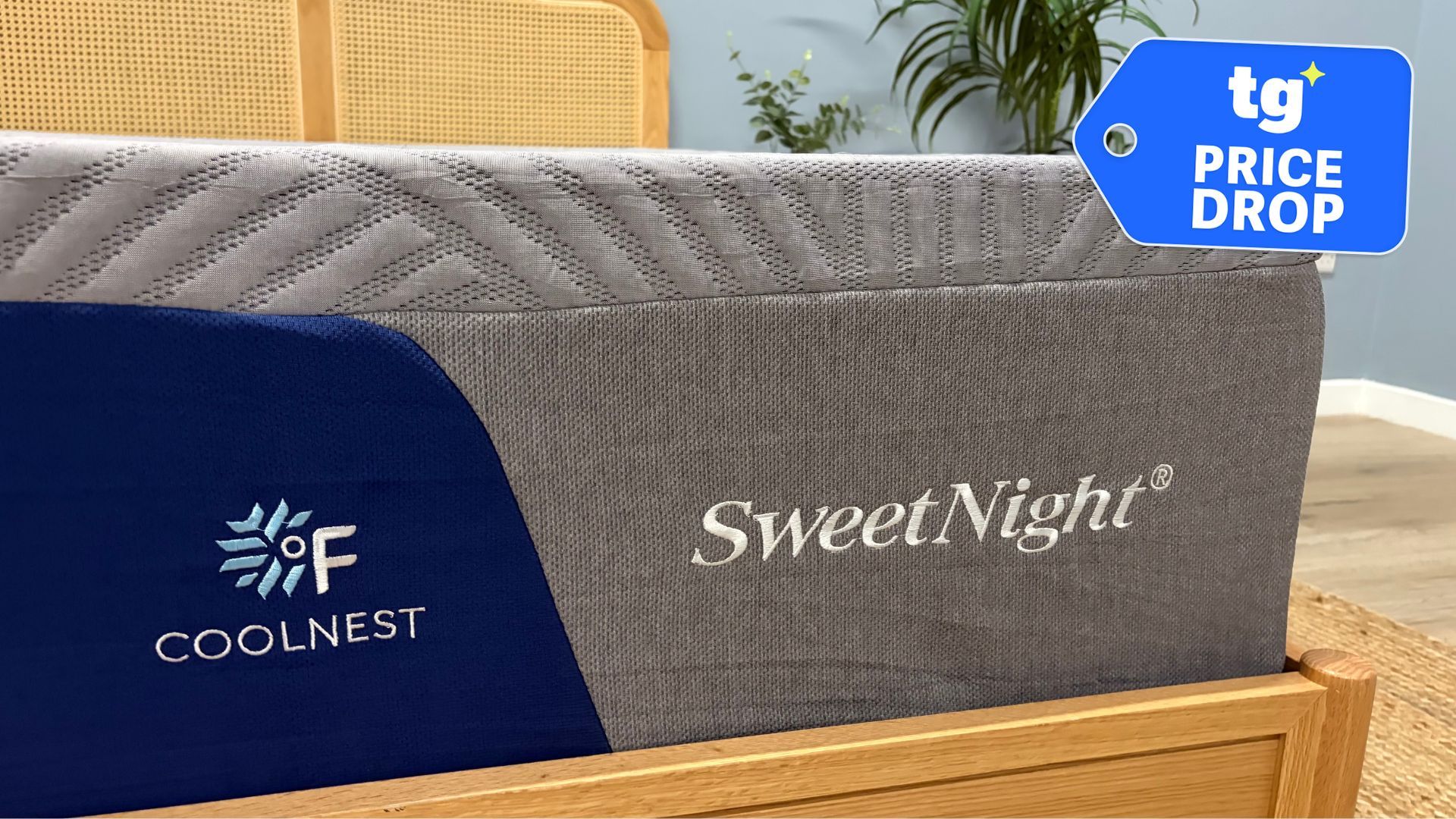
For most consumers, the quest for a cool night’s sleep has historically been synonymous with a high price tag. Premium cooling beds, often laden with luxury materials and complex hybrid coil systems, frequently retail for thousands of dollars. However, the current landscape of the bedding industry is shifting, and one of the most compelling options for hot sleepers is currently emerging from an unexpected corner of the market: the budget-friendly, all-foam SweetNight CoolNest.
Currently priced at just $399.99—a significant reduction from its $699.99 MSRP—the CoolNest has emerged as a standout performer in recent lab stress tests. While it may not challenge ultra-luxury cooling beds for the top spot on overall performance charts, its ability to regulate temperature at this price point is nothing short of a market disruption.
Main Facts: Cooling Technology Meets Affordability
The SweetNight CoolNest is an all-foam mattress designed specifically for individuals who struggle with overheating during the night. Unlike traditional memory foam mattresses, which are notorious for trapping body heat, the CoolNest utilizes advanced thermal management systems to maintain a neutral sleep surface.
Key to its performance is the integration of Phase Change Material (PCM). Typically reserved for high-end mattresses such as the Bear Elite Hybrid, PCM is a sophisticated substance that absorbs and releases thermal energy. When a sleeper’s body temperature rises, the material absorbs the excess heat; when the environment cools, it releases that energy to stabilize the temperature. Scientific studies published in journals such as ScienceDirect have indicated that PCM technology can enhance human heat dissipation by as much as 25.6%, providing a tangible reduction in skin temperature compared to standard polyurethane foam.
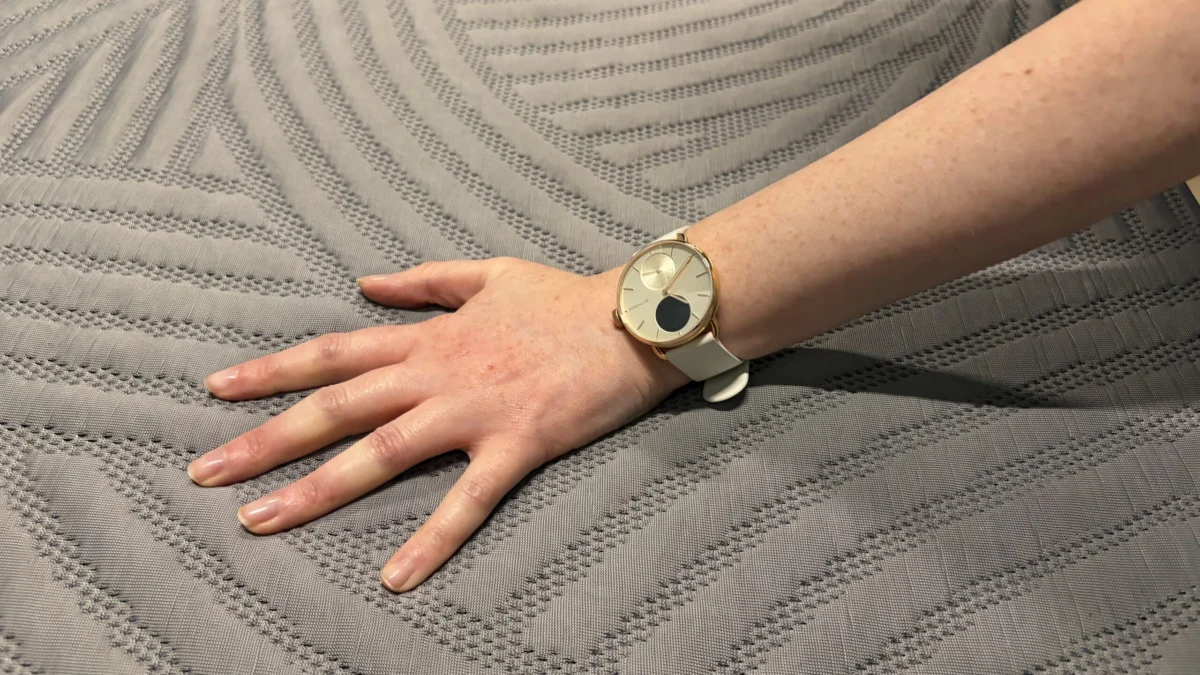
In our internal temperature regulation tests, the CoolNest demonstrated a heat dissipation rate of five degrees of excess heat in just one minute. While luxury models may offer more advanced multi-layer cooling systems, the CoolNest’s performance is objectively impressive for a mattress retailing under $400.
Chronology of Development and Market Entry
The development of the CoolNest follows a broader trend in the direct-to-consumer (DTC) mattress space, where manufacturers are increasingly looking to bridge the gap between "budget" and "performance."
- Q1 2023: SweetNight began R&D on a high-efficiency, entry-level cooling solution, aiming to utilize PCM technology previously only found in their "Premium" line.
- Late 2023: Prototype testing confirmed that the inclusion of cooling gel-infused foams combined with a PCM-treated cover could meet the thermal regulation standards required for the "cooling" label.
- Early 2024: The CoolNest was soft-launched to select markets, focusing on the demographic of students, renters, and budget-conscious homeowners who frequently experience heat-related sleep disruption.
- July 2024: The current 4th of July promotional cycle marks the most aggressive pricing strategy for the mattress to date, positioning it as a primary contender in the mid-summer mattress sales landscape.
Supporting Data: Performance and Ergonomics
Temperature control is only one half of the mattress equation. A bed can be cool, but if it fails to provide structural support, it is ultimately a failure. In our hands-on analysis, the CoolNest proved to be a versatile performer for specific sleep positions.
Ergonomic Support for Side and Back Sleepers
The mattress is constructed from high-density memory foam that offers a "cradling" sensation without the "stuck-in-the-mud" feeling often associated with cheaper foam alternatives. For side sleepers, the CoolNest excels at pressure relief; the foam contouring successfully redistributes weight away from the shoulders and hips, which are the primary pressure points during side-lying.
Back sleepers will find that the mattress provides a medium-firm feel that keeps the spine in neutral alignment. Because it lacks a traditional coil layer, it offers a consistent, uniform surface that minimizes motion transfer—a major benefit for couples who are disturbed by a partner’s movement.
The "Stomach Sleeper" Caveat
While the CoolNest is excellent for side and back sleepers, those who primarily sleep on their stomachs may find the foam slightly too soft. Stomach sleepers typically require a firmer surface to prevent the hips from sinking, which can lead to lower back strain. For this demographic, we recommend looking into hybrid mattresses that offer a firmer support core, as the all-foam construction of the CoolNest may not provide the necessary resistance for spinal stability in a prone position.
Official Perspectives and Industry Implications
The emergence of the CoolNest highlights a shifting strategy within the mattress industry. Previously, "cooling" was a premium feature used to justify markups. By commoditizing PCM and gel-infused technologies, manufacturers like SweetNight are effectively lowering the barrier to entry for sleep-health technology.
Industry experts note that this democratization of technology is a response to consumer demand. With heat waves becoming more frequent globally, the "cooling mattress" category has shifted from a luxury niche to a functional necessity.
"The goal is no longer to build the most expensive mattress possible," says an industry analyst. "The goal is to provide the most ‘sleep-science-per-dollar.’ Consumers are becoming more educated about materials like PCM, and they are refusing to pay a luxury tax for features that are essentially becoming industry standards."
Long-term Implications for the Consumer
For the average buyer, the existence of the CoolNest means that high-performance sleep is no longer gated by a high budget. However, there are trade-offs to consider when choosing a budget-friendly all-foam mattress:
- Durability: All-foam mattresses, particularly at this price point, may have a shorter "comfort life" than high-end hybrid beds that incorporate steel springs. While the cooling tech is advanced, the foam density is optimized for value rather than decades-long longevity.
- Edge Support: Because the CoolNest lacks a reinforced edge system, users who sleep near the very perimeter of the bed may notice a slight "roll-off" sensation.
- The "Off-Gassing" Period: As with many boxed foam mattresses, the CoolNest requires a period of 24 to 48 hours to fully expand and off-gas after being unpacked.
Final Verdict: Is it Worth It?
If you are a hot sleeper on a budget—or if you are looking for a high-quality guest mattress or a dorm room upgrade—the SweetNight CoolNest is currently one of the most logical purchases on the market. It effectively solves the primary complaint of low-cost mattresses (heat retention) without sacrificing the pressure relief that makes foam so attractive in the first place.
As we navigate the peak of summer, the value proposition of a $399 cooling mattress is difficult to ignore. While it may not compete with $3,000 beds in terms of build complexity, it succeeds where it matters most: delivering a comfortable, temperature-regulated sleep experience that won’t break the bank.
Disclaimer: This review is based on independent testing and hands-on analysis. Prices and availability are subject to change based on retailer promotions and stock levels. Always ensure you check the return policy of any mattress purchase to allow for a proper trial period in your own home environment.