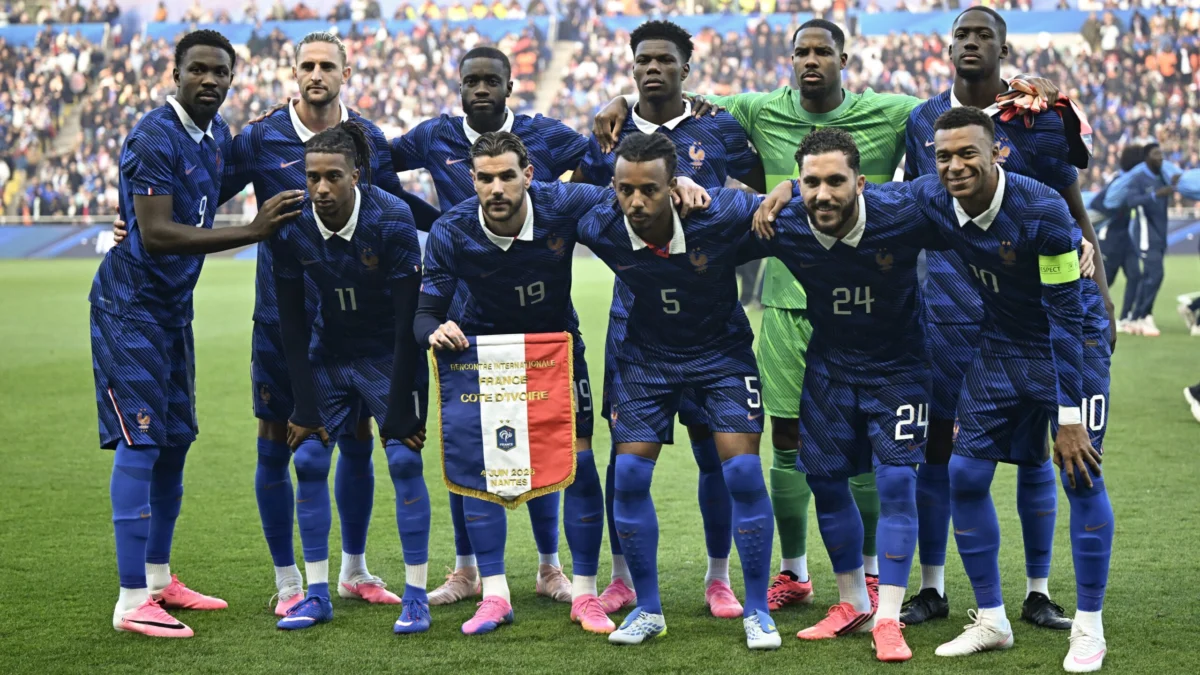
As the 2026 FIFA World Cup reaches its critical knockout stages, the eyes of the footballing world are firmly fixed on Les Bleus. Under the seasoned stewardship of Didier Deschamps, the French national team has solidified its status as the team to beat, currently sitting at the pinnacle of the FIFA World Rankings. With a roster brimming with world-class talent and a hunger for redemption following their heartbreaking penalty shootout defeat in the 2022 final, France is once again the tournament favorite.
For fans in France and abroad, keeping up with the action is essential. Whether you are tracking the Golden Boot race between Kylian Mbappé and Lionel Messi or analyzing the tactical masterclasses orchestrated by Deschamps, the 2026 tournament offers a spectacle of unprecedented scale.
Main Facts: France’s Quest for a Third Star
France enters this tournament with a legacy of success that few nations can rival. Having reached the finals in both 2018 and 2022, the squad possesses a rare "tournament temperament"—the ability to navigate high-pressure environments, manage fatigue, and deliver results when it matters most.
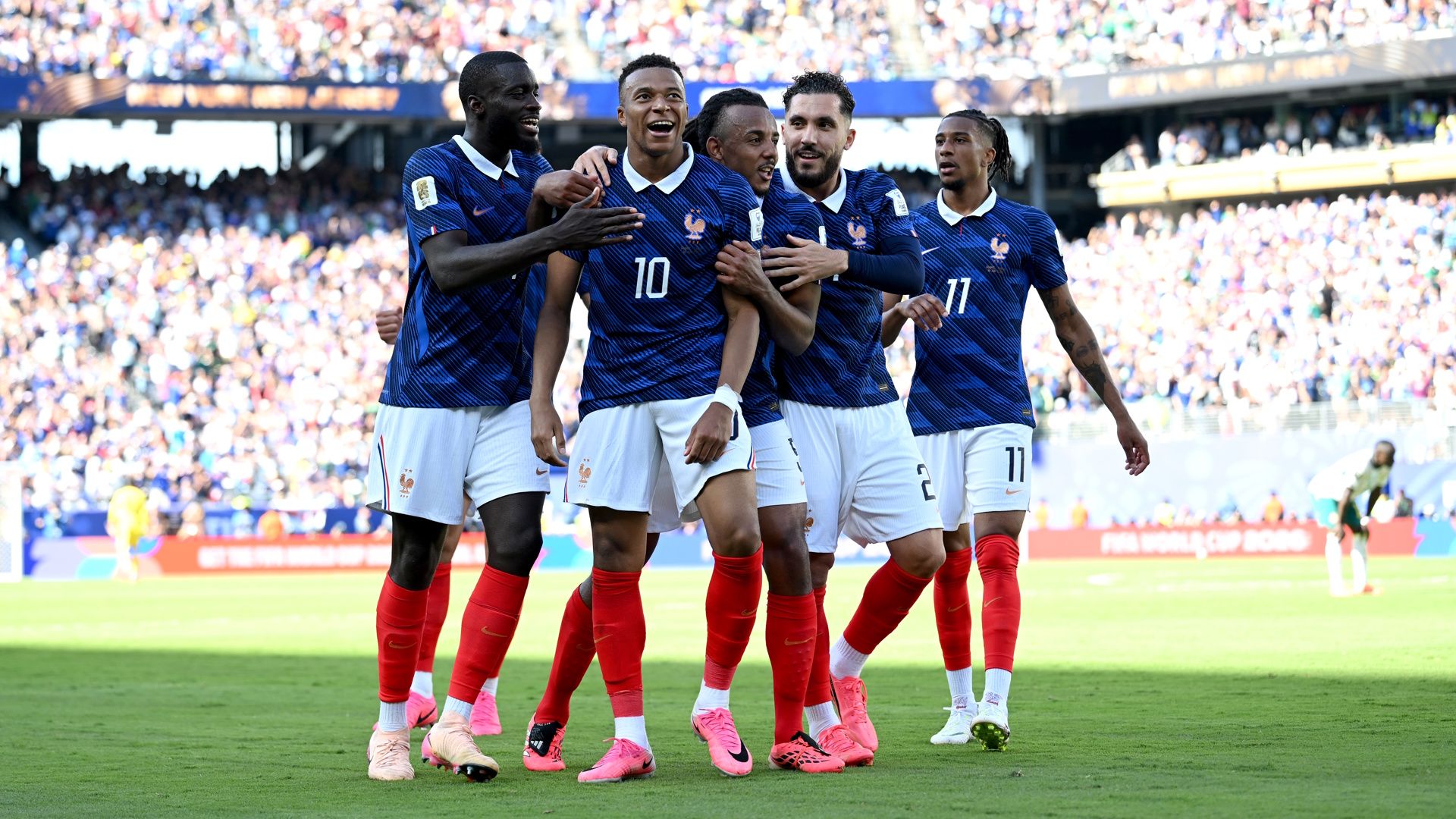
The centerpiece of this French side is undoubtedly Kylian Mbappé. At just 27, the Real Madrid forward has already etched his name into the annals of football history. With six goals already tallied in the 2026 tournament, he is currently locked in a fierce battle for the Golden Boot, sharing the top spot with Argentina’s Lionel Messi. Yet, to define France by a single player would be a disservice to the collective brilliance of the squad.
The midfield pairing of Aurélien Tchouaméni and Adrien Rabiot has provided the necessary steel and creativity to control the tempo of matches, while the defensive line—anchored by goalkeeper Mike Maignan, who has conceded only two goals thus far—has proven nearly impenetrable. With supporting stars like Michael Olise and Ousmane Dembélé causing havoc on the wings, France is operating as a machine greater than the sum of its parts.
Chronology: Navigating the Knockout Stages
The 2026 World Cup, an expanded tournament featuring 104 matches, has reached its most intense phase. Following the group stages, the path to the final in mid-July is fraught with challenges.
- Round of 16: The knockout phase kicked off in early July, with France facing a tactical test against Paraguay.
- Quarter-Finals: Should the favorites advance, the quarter-finals are scheduled for July 9, pitting the winners of the previous rounds against one another in a high-stakes bracket.
- Semi-Finals: The final four teams will battle on July 14 and 15, with France aiming to secure a spot in the championship match.
- The Final: The tournament concludes on July 19, where the two best teams in the world will compete for the most prestigious trophy in sports.
Streaming and Access: How to Watch for Free
One of the most significant aspects of this year’s tournament for French fans is the accessibility of the games. Over 50% of the matches are available to watch 100% free of charge.
The M6 Advantage
The free-to-air broadcaster M6 has secured the rights to 54 of the 104 matches, specifically those airing between 6:00 PM and 11:00 PM CET. Fans can stream these matches live via the M6+ platform. Accessing these streams is straightforward: users simply need to create a free account, providing basic personal information such as their name, date of birth, and a French postal code.
Comprehensive Coverage via beIN Sports
For those who refuse to miss a single second of the action—including the 50 matches not aired on free-to-air TV—a subscription to beIN Sports is required. This service provides in-depth coverage, including pre-match analysis, post-match interviews, and expert commentary, available either through standard television service providers or as a standalone streaming service for approximately €15 per month.
Overcoming Geo-Blocking with a VPN
A common frustration for international travelers is the "geo-blocking" of domestic content. If you are outside of France, your standard access to M6+ may be restricted. In such instances, a Virtual Private Network (VPN) becomes an essential tool. By routing your internet connection through a server located in France, services like Norton VPN allow you to bypass regional restrictions, ensuring you can continue to watch your home team’s journey as if you were back in Paris.
Supporting Data: The Depth of the French Squad
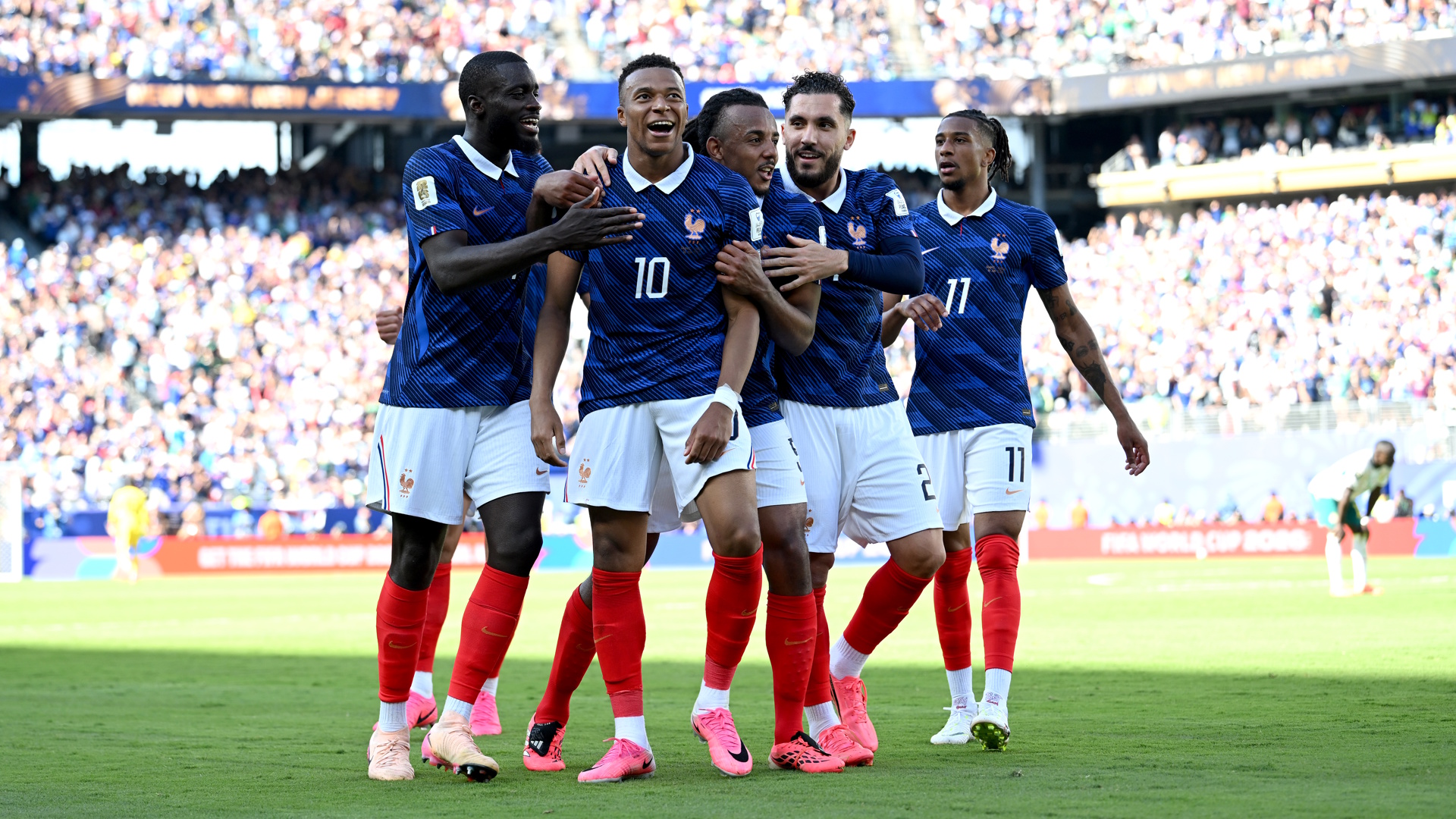
The talent pool at Didier Deschamps’ disposal is arguably the deepest in the world. The 2026 squad represents a blend of veteran experience and youthful exuberance:
- Goalkeepers: Brice Samba, Mike Maignan, Robin Risser.
- Defenders: Malo Gusto, Lucas Digne, Dayot Upamecano, Jules Koundé, Ibrahima Konaté, William Saliba, Théo Hernandez, Lucas Hernandez, Maxence Lacroix.
- Midfielders: Manu Koné, Aurélien Tchouaméni, N’Golo Kanté, Adrien Rabiot, Warren Zaïre-Emery, Rayan Cherki, Maghnes Akliouche.
- Forwards: Ousmane Dembélé, Marcus Thuram, Kylian Mbappé, Michael Olise, Bradley Barcola, Désiré Doué, Jean-Philippe Mateta.
This roster allows for tactical flexibility, enabling Deschamps to adjust his formation mid-game to exploit the weaknesses of any opponent, whether through high-pressing attacking football or a disciplined, defensive counter-attacking style.
Official Responses and Tactical Implications
FIFA has hailed the 2026 tournament as the most inclusive in history, given the expanded format and the accessibility of local broadcasts. However, for the French Football Federation (FFF), the focus remains strictly on the pitch.
In recent press conferences, Didier Deschamps has emphasized that "past success is no guarantee of future results." The internal narrative within the French camp is one of humility and extreme preparation. The implication of their current form is clear: France is not just participating; they are setting the standard.
The tactical shift observed in 2026—moving away from a pure reliance on transition play to a more controlled, possession-based dominance—suggests that France is preparing for the modern demands of international football. By controlling the midfield through the likes of Tchouaméni and Zaïre-Emery, the team is better equipped to prevent the kind of chaos that led to their penalty exit in 2022.
The Broader Impact
Beyond the tactical and broadcasting details, the 2026 World Cup serves as a cultural phenomenon for France. With the nation aiming for its third star, the social impact of a victory would be profound, potentially eclipsing the euphoria of the 1998 and 2018 triumphs.
As the tournament progresses, the reliance on digital platforms like M6+ and social media engagement via official FIFA channels (@FIFAWorldCup) has bridged the gap between the fans and the players. Whether you are watching on a mobile device during your commute or on a large-screen television at home, the accessibility of the 2026 World Cup ensures that the national passion for Les Bleus remains united.
As we look toward the final stages, the question is no longer whether France is a contender, but whether any other nation can stop them. With a balanced, high-performing squad and the world’s most dangerous forward in peak physical condition, the momentum is undeniably with the French. For the fans, the message is simple: stay tuned, stay connected, and prepare for a historic summer.
Disclaimer: We test and review VPN services for legitimate, legal use, such as protecting your privacy while traveling or accessing services to which you are entitled. We do not support or condone the use of VPNs for illegal activities or bypassing regional licensing agreements in violation of terms of service.