Nana Muazin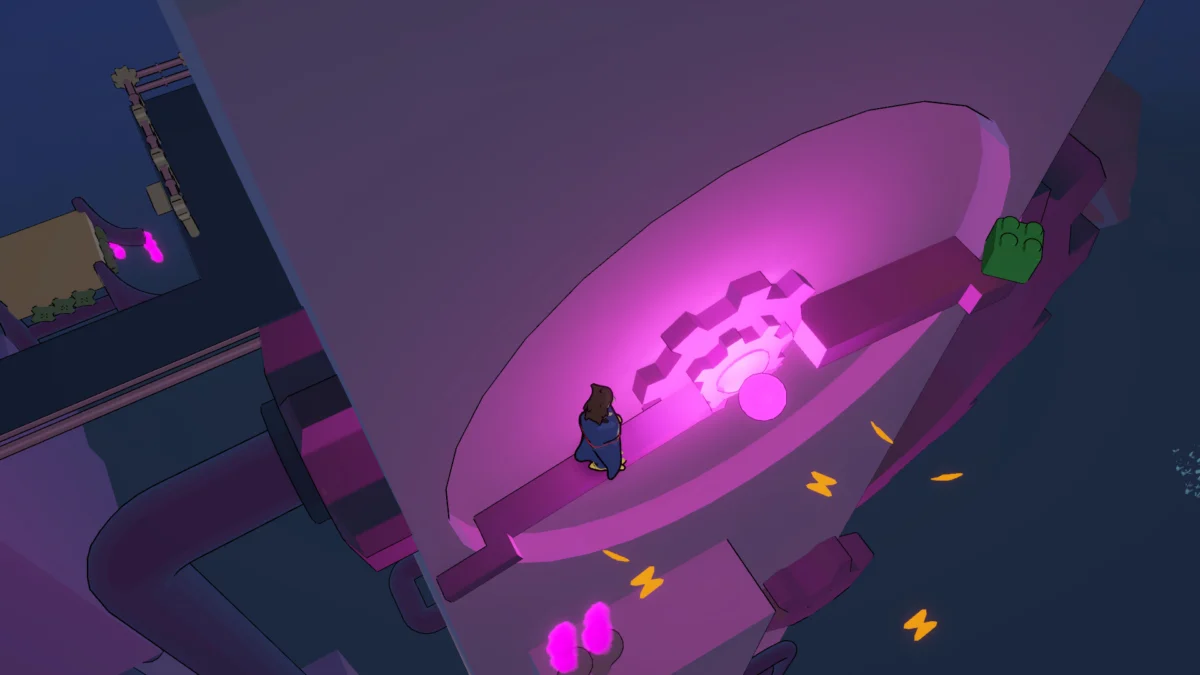
In the sprawling, often saturated landscape of 3D platformers, it is rare to find a title that captures the pure, unadulterated joy of the genre’s golden age while offering a mechanical twist that feels fresh. Enter Spiny & Chilly, an upcoming platforming exploration game that has recently turned heads at the BIG Conference. Developed with a clear reverence for genre titans like Banjo-Kazooie and Super Mario 64, this title introduces us to an unlikely, endearing duo: a penguin and a hedgehog, bound together by a singular, icy mission.
The Core Concept: A Partnership in Peril
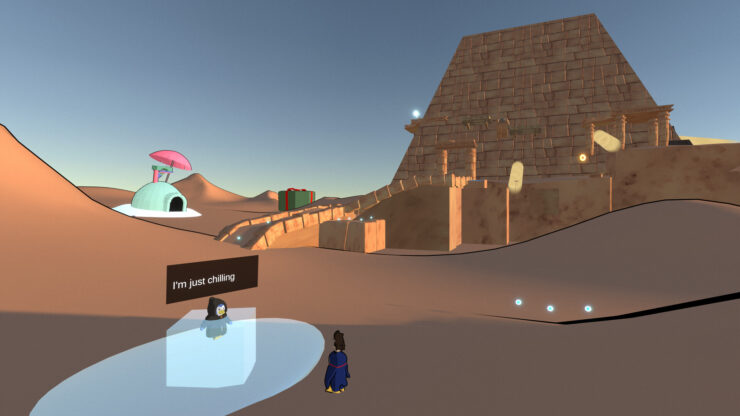
At its heart, Spiny & Chilly is a single-player experience that masterfully disguises itself as a co-op adventure. Players take control of Chilly, a penguin with an insatiable need for ice, who traverses the world with Spiny, a hedgehog, perched squarely on his head. This isn’t merely a cosmetic choice; it is the fundamental mechanic that dictates how the player interacts with the environment.
The narrative catalyst is as simple as it is bizarre: a rival group of penguins has systematically stolen the world’s ice supply. Driven by a necessity that borders on the obsessive, our protagonists set out to reclaim their frozen treasures. Because the duo acts as a single entity, the player must master a unique momentum-based movement system. You aren’t just moving a character; you are maneuvering a two-part ecosystem. This design choice forces players to rethink traditional platforming hurdles, as the center of gravity and the physical footprint of the duo differ from the nimble solo protagonists found in most modern titles.
Chronology of Development: From Concept to Convention
The project, which has been steadily gestating in the indie circuit, reached a critical milestone during its recent appearance at the BIG Conference. It was here that the public first witnessed the true scale of the world developer had been crafting.
- Initial Concept Phase: The developers began with the goal of blending the "collect-a-thon" DNA of 90s platformers with modern physics-based movement. The pairing of a penguin and a hedgehog was selected to provide a contrast in silhouette and animation style, allowing for a distinct visual identity.
- The Prototyping Stage: Much of the early development was spent balancing the movement of the duo. Creating a sense of "weight" for the penguin while ensuring the hedgehog’s presence didn’t obstruct the player’s camera or field of view was a significant challenge.
- BIG Conference Debut: The recent demonstration provided a polished vertical slice of the game. It allowed players to experience the "Haunted Harbor" and "Floating Islands" biomes, showcasing the technical progress made in lighting and level geometry.
- Current Status: As of mid-2026, the game is in active development. The focus has shifted from core mechanics to world-building, refining the density of the environments, and ensuring that the platforming challenges feel fair yet demanding.
Supporting Data and Mechanical Analysis
For those who frequent the platforming genre, Spiny & Chilly offers a refreshing take on environmental navigation. During the demo sessions, observers noted several key mechanics that define the gameplay loop:
The Gravity-Defying Traversal
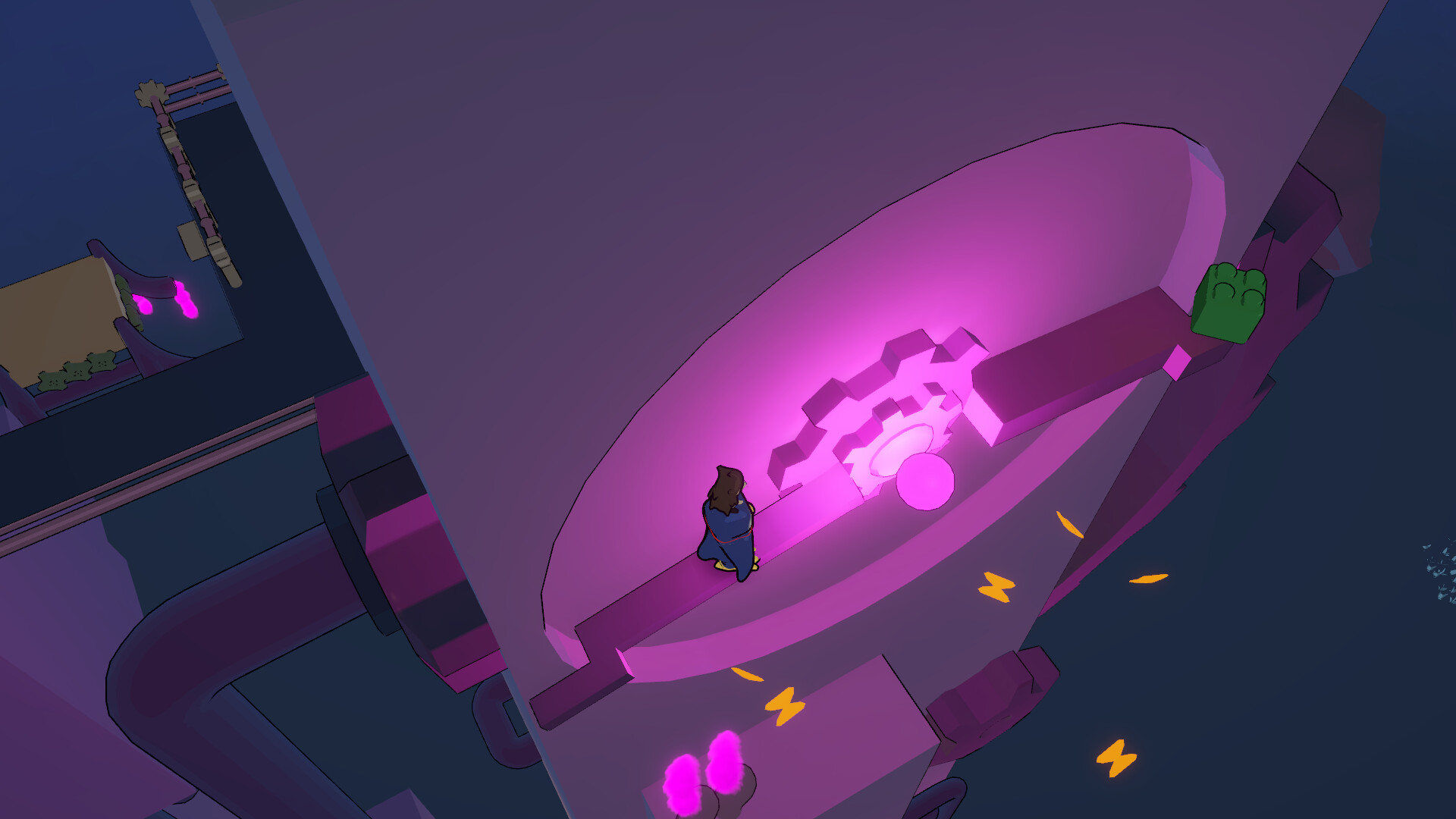
The game features sophisticated gravity-shift mechanics that force the player to navigate surfaces that would be impossible in a traditional 3D space. When the player engages with these shifts, the partnership between Spiny and Chilly becomes paramount. The hedgehog’s positioning on the penguin’s head often serves as a visual indicator for orientation, helping the player maintain spatial awareness during high-speed, gravity-inverted platforming sequences.
Level Density and Exploration
One of the critiques leveled at the early demo was the vastness of the world. While the "Floating Islands" provided a sense of scope, there were instances of "empty space" between points of interest. However, the developers are already addressing this by populating these transit zones with:
- Ice Shard Puzzles: Smaller, localized challenges that reward the player with incremental upgrades.
- Secret Collectibles: Hidden areas that require specific movement combos, utilizing the duo’s combined momentum.
- Platforming Gauntlets: High-difficulty areas designed to test the player’s mastery of the game’s physics, rewarding them with significant chunks of ice.
The Developer Perspective: Passion in the Details
Speaking with the development team at the BIG Conference, it became clear that Spiny & Chilly is a project driven by nostalgia but executed with modern sensibilities. The developers expressed a deep fascination with the "feel" of movement in classic platformers. They wanted to capture the "snap" of Super Mario 64 but add the weight and interconnectedness found in more recent indie successes.
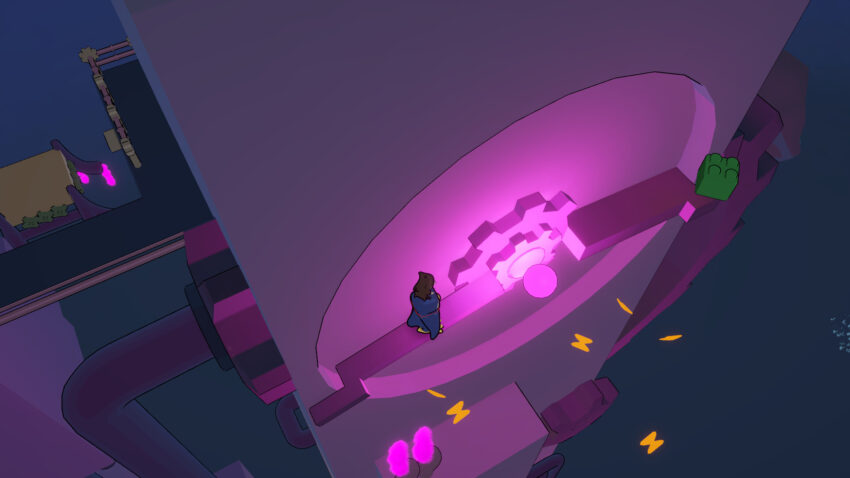
The passion behind the project is evident in the character design. The way the penguin stumbles slightly when coming to a halt, or how the hedgehog reacts to the penguin’s jumps, adds a layer of personality that turns these characters from mere avatars into a cohesive, living unit. The developers emphasized that they wanted the player to feel the frustration of the "ice theft" in the game’s narrative, which is why the act of finding and collecting ice blocks is intentionally made to feel rewarding and visually satisfying.
Implications for the Platformer Genre
The rise of Spiny & Chilly signals a broader trend in the independent gaming scene: the return of the "niche" 3D platformer. For years, the genre was dominated by massive AAA studios, but developers like those behind this title are proving that with a tight, unique mechanic and a charming aesthetic, smaller teams can compete on their own terms.
Impact on Game Design
By utilizing a "duo-as-one" character design, the developers have sidestepped the need for complex, often buggy, AI companions. Instead, they’ve created a single-player puzzle-platformer that feels like a collaborative effort. If this title succeeds, we may see a surge in games that explore "partnered" movement as a primary gameplay loop, potentially moving away from the solitary hero archetype that has dominated the industry for decades.
Community and Market Reach
The game’s presence on Steam has already garnered significant attention. The "wishlist" culture in the indie space is a vital metric for success, and Spiny & Chilly has been climbing the ranks. This indicates a strong appetite for lighthearted, exploration-heavy games that don’t rely on hyper-realistic graphics or grim, gritty narratives. It serves as a reminder that there is a massive, vocal audience eager for games that prioritize "fun factor" above all else.
Conclusion: A Frosty Future
While Spiny & Chilly remains in active development, the progress shown thus far is highly promising. The learning curve, while present, is ultimately rewarding—a hallmark of the best games in the genre. For those who grew up platforming through the 90s, or for those who simply appreciate a well-crafted, whimsical adventure, this title is one to keep a close eye on.
As the development team continues to iterate on the world, refining the balance between open space and puzzle density, the potential for Spiny & Chilly to become a cult classic is high. Whether you are scaling the heights of a floating island or navigating the murky depths of a haunted harbor, the journey of this penguin and his hedgehog companion promises to be one of the most delightful experiences in the coming year.
For now, the best way to support this charming project is to add it to your Steam wishlist. As we await further updates on the release date and additional gameplay trailers, we can only hope that the final product maintains the same level of heart and ingenuity displayed at the BIG Conference.
Jupiter Hadley is an indie game journalist and advocate for the independent development scene. She continues to cover thousands of game jams and indie titles, ensuring that unique projects like Spiny & Chilly receive the spotlight they deserve.


 Basiran
 Nana
Nana